In South Florida’s ultra-luxury market, the same waterfront view can be underwritten two entirely different ways. End-users tend to buy for daily life: the school run, the walkability, the privacy, the way light moves across a living room at 6 p.m. Investors tend to buy for performance: liquidity, rentability, the stability of building finances, and the probability of a clean exit. Understanding which mindset you are operating in, and which mindset is across the negotiating table, is one of the simplest ways to make a $10M-plus transaction feel controlled rather than chaotic.
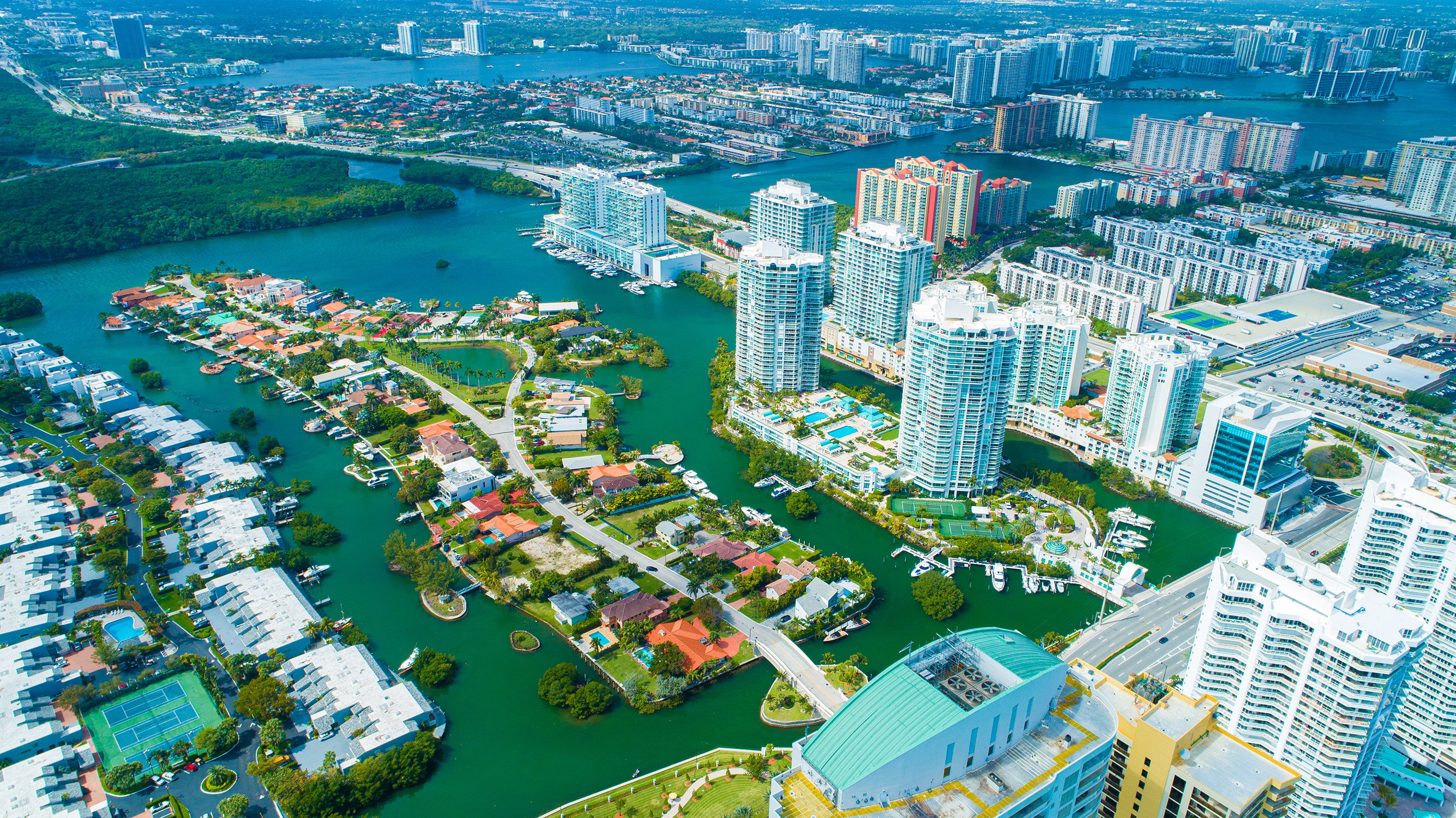
South Florida remains one of the most active ultra-luxury corridors in the U.S., with 361 residential closings above $10M in 2025-its second-highest mark on record. That level of velocity draws a wide range of buyer intent, which is why two people can tour the same home and leave with entirely different conclusions.
For an end-user, a property is a container for life and identity. For an investor, it’s a capital instrument that must compete with other opportunities. Neither approach is inherently “better,” but each drives distinct behavior: what gets negotiated, what gets overlooked, and what becomes non-negotiable.
The advantage of naming the mindset is practical: it reduces misalignment. Your timeline, your appetite for friction, and your tolerance for unknowns should align with your reason for buying.
End-user luxury buyers typically optimize for lifestyle fit more than investment return. In practice, that means the factors that never show up on a spreadsheet can decide the deal.
A few signals tend to cluster around end-user behavior:
First, emotional drivers carry real weight. Comfort, security, and identity aren’t “soft” considerations when the property is meant to be home. In ultra-luxury, this often appears as a preference for a specific orientation, a certain ceiling height, acoustic privacy, or the intangible “feel” of the arrival experience.
Second, the hold period is often longer than outsiders assume. Many younger buyers, in particular, report plans to live in a home for 16 years or more. Even when the residence is technically a second home, the purchase may still be treated as a multi-decade anchor.
Third, end-users tend to manage downside through process. Inspection, appraisal, and financing contingencies aren’t mere formalities; they preserve optionality when the home must function flawlessly, not simply perform financially.
In neighborhoods where a fully serviced lifestyle is part of the value proposition, end-users often gravitate toward residences that feel turnkey without surrendering privacy. In Brickell, for example, buyers weighing daily convenience against discretion often compare the texture of amenities and the cadence of service in buildings such as 2200 Brickell, while staying attentive to how the surrounding streetscape supports real routines.
Investor luxury buyers primarily optimize for return metrics and measure the deal against alternative investments. Even when an investor plans to use the home occasionally, the mental model remains performance-first: cash flow potential, appreciation prospects, and, critically, liquidity.
Underwriting is often standardized. Investors commonly start with cap rate, cash-on-cash return, and debt service coverage ratio (DSCR), then adjust for building quality, location resiliency, and scarcity.
In the condo segment, serious investors look well beyond finishes. They evaluate HOA finances, reserve levels, and assessment risk because those line items can reprice the investment quickly. In today’s luxury market, an unexpected assessment isn’t just a monthly irritation-it can compress net returns, cool resale demand, and complicate financing.
Strategy matters, too. Short-term versus long-term rental approaches differ materially in income profile, volatility, and operational intensity. Short-term rentals can sometimes produce higher revenue than traditional leases, but they typically require more hands-on management and can introduce variability that conservative capital avoids.
Because investors optimize for certainty and speed, their offers are often structured to win: faster closings, fewer contingencies, and cleaner execution. If you’re an end-user seller, spotting this pattern early helps you decide whether price alone is worth the trade-off in deal risk.
In luxury, financing is less about “can you buy” and more about “how do you want to hold the asset.” Many high-end purchases involve jumbo mortgages, which typically require stricter qualification and larger down payments.
There’s also a meaningful split between owner-occupant and investor financing. Owner-occupied borrowers often receive more favorable mortgage rates because those loans are generally viewed as lower risk by lenders. That advantage can shape an end-user’s willingness to pay, especially when the buyer is balancing a primary-residence decision with broader family planning.
At the same time, South Florida’s market is notably cash-friendly. International buyers alone purchased about $4.4B of South Florida residential property in 2025, and 51% of international purchases were all-cash. Cash doesn’t automatically mean “investor,” but it often correlates with speed, fewer conditions, and greater comfort with remote decision-making.
One telling detail: 65% of international buyers visited Florida two times or fewer before buying. In other words, a portion of incoming capital is comfortable making high-stakes decisions with limited in-person diligence-raising the premium on clarity, documentation, and a listing presentation that reads as truly complete.
In ultra-luxury, the term sheet often communicates more than the buyer does.
Contingencies are the clearest signal. Common contingencies include inspection, appraisal, financing, and title review. End-users typically keep these protections because their downside is personal: inconvenience, health, family logistics, and time. Investors, by contrast, may minimize contingencies to increase certainty and win in competitive situations.
Closing timeline is the next tell. Investor buyers frequently prefer faster closings when the asset fits their model or when capital has a near-term allocation deadline. End-users are more likely to coordinate around school calendars, moving logistics, or renovation planning-even when they have the means to close quickly.
Due diligence focus differs as well. End-users tend to evaluate the lived experience: elevator privacy, noise, sunlight, and the micro-vibe of the block at different hours. Investors tend to concentrate on building financials, leasing rules, and friction points that could impair resale.
If you’re selling, the narrative should match the buyer. A home framed as a “life upgrade” resonates with an end-user; a home framed as a “clean asset,” with transparent operating realities, resonates with an investor.
South Florida’s luxury map isn’t one market-it’s a collection of micro-markets where the same dollar buys different forms of status and utility.
Miami Beach often trades on immediacy: ocean proximity, architectural pedigree, and the cultural signal of an address. For end-users, the question is whether the rhythm of Miami Beach works for real life, not just weekends. Projects such as 57 Ocean Miami Beach appeal to buyers who want the shoreline experience integrated into daily living, not reserved for special occasions.
Brickell can function as a convenience-forward choice, where a buyer prioritizes a frictionless schedule. It also attracts return-minded buyers who value liquidity in a globally recognized urban node. For those drawn to branded, design-centric towers as part of the proposition, 888 Brickell by Dolce & Gabbana is the type of project investors and end-users may both consider-but for different reasons: one for identity and service, the other for market depth and recognizable positioning.
Sunny Isles and adjacent coastal stretches often deliver a more resort-like profile. End-users may view it as a second-home lifestyle with oceanfront certainty; investors may view it through rentability, building rules, and the long-term appeal of waterfront scarcity. A residence like Bentley Residences Sunny Isles can become a Rorschach test: sanctuary for one buyer, brand-backed marketability for another.
The throughline is simple: motivation shapes geography. End-users buy the neighborhood they want to live inside. Investors buy the neighborhood they believe someone else will want to buy next.
Florida’s tax structure-particularly the absence of a state income tax-is frequently cited as a driver of wealth migration into South Florida luxury housing. But tax is rarely the whole story. More often, it makes the lifestyle decision easier to justify at scale.
Alongside migration, luxury real estate is increasingly treated as a legacy or wealth-preservation asset. That framing aligns naturally with end-users who think in generations rather than quarters. It can also align with investors seeking “real assets” exposure for diversification and inflation hedging, particularly when real estate is part of a broader allocation.
The result is a market where the same buyer can wear two hats. A household may buy as an end-user today and still demand investment-grade fundamentals: strong building stewardship, predictable costs, and an exit path that remains open.
Before you fall in love with a view, answer four questions candidly.
Is this primarily a lifestyle decision or a portfolio decision? If it’s lifestyle, prioritize lived-in factors early. If it’s portfolio, prioritize the building and the rules.
How long do you expect to hold? A longer intended hold can justify paying a premium for exact fit. A shorter hold demands discipline around liquidity and resale.
What is your tolerance for volatility? Short-term rental strategies, HOA assessment risk, and financing exposure all shift the volatility profile.
What does a “clean win” look like? For an end-user, it may be certainty the home works perfectly. For an investor, it may be certainty the numbers work and the exit is clear.
When you align your search, your offer terms, and your diligence with your true motivation, you make higher-conviction decisions-and you negotiate from a position of clarity.
What is the simplest difference between an end-user and an investor buyer? End-users prioritize lifestyle fit and daily living; investors prioritize returns, liquidity, and exit.
Do end-users care about resale value at all? Yes, but it is usually secondary to whether the home fits their life and long-term plans.
What metrics do luxury investors commonly use to evaluate a property? Cap rate, cash-on-cash return, and DSCR are common starting points before qualitative factors.
Why do investors focus so much on HOA reserves and finances? Weak reserves or assessment risk can materially change net returns and hurt resale demand.
Are all-cash buyers always investors? No, but cash often correlates with faster closings and fewer contingencies.
How do contingencies differ between investor and end-user offers? Investors often reduce contingencies to strengthen offers; end-users keep more protections.
Is short-term renting always more profitable than long-term renting? Not always; it can earn more in some cases, but typically with more volatility and work.
Why do many luxury purchases involve jumbo mortgages? High price points often exceed conforming limits, leading to jumbo loans with stricter terms.
Can a buyer be both an end-user and an investor? Yes; many buyers want a home they love that also maintains investment-grade fundamentals.
What should I decide before touring ultra-luxury properties? Clarify your hold period, risk tolerance, and whether lifestyle or performance is primary.
To compare the best-fit options with clarity, connect with MILLION Luxury.
If branded residences are on your mind — as a home or as an allocation — we would be glad to share what we are seeing, privately.
Begin a quiet conversation