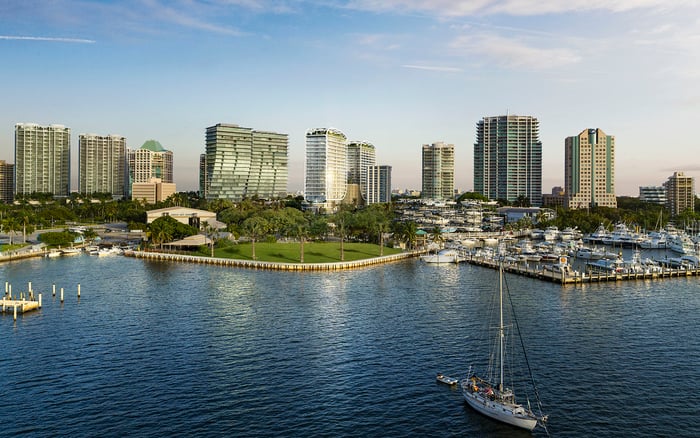
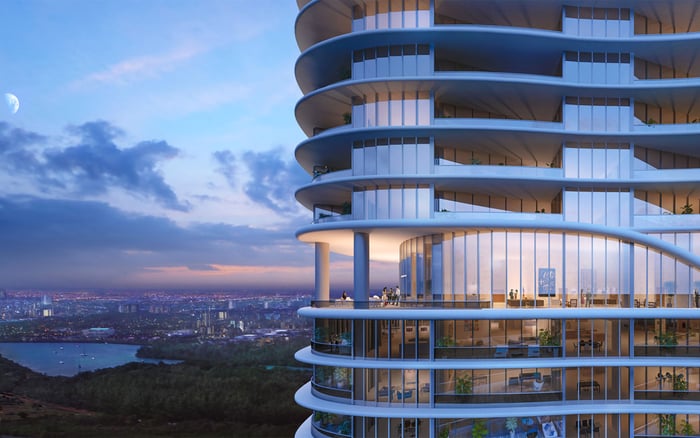
International capital remains a defining force in Miami’s new development market. For non-U.S. buyers, the opportunity is compelling, but the risk is rarely in the view: deposit timing, contract language, tax exposure, and currency moves. This MILLION Luxury guide outlines the practical, buyer-oriented checkpoints that help sophisticated purchasers commit to pre-construction with clear eyes and better protections.
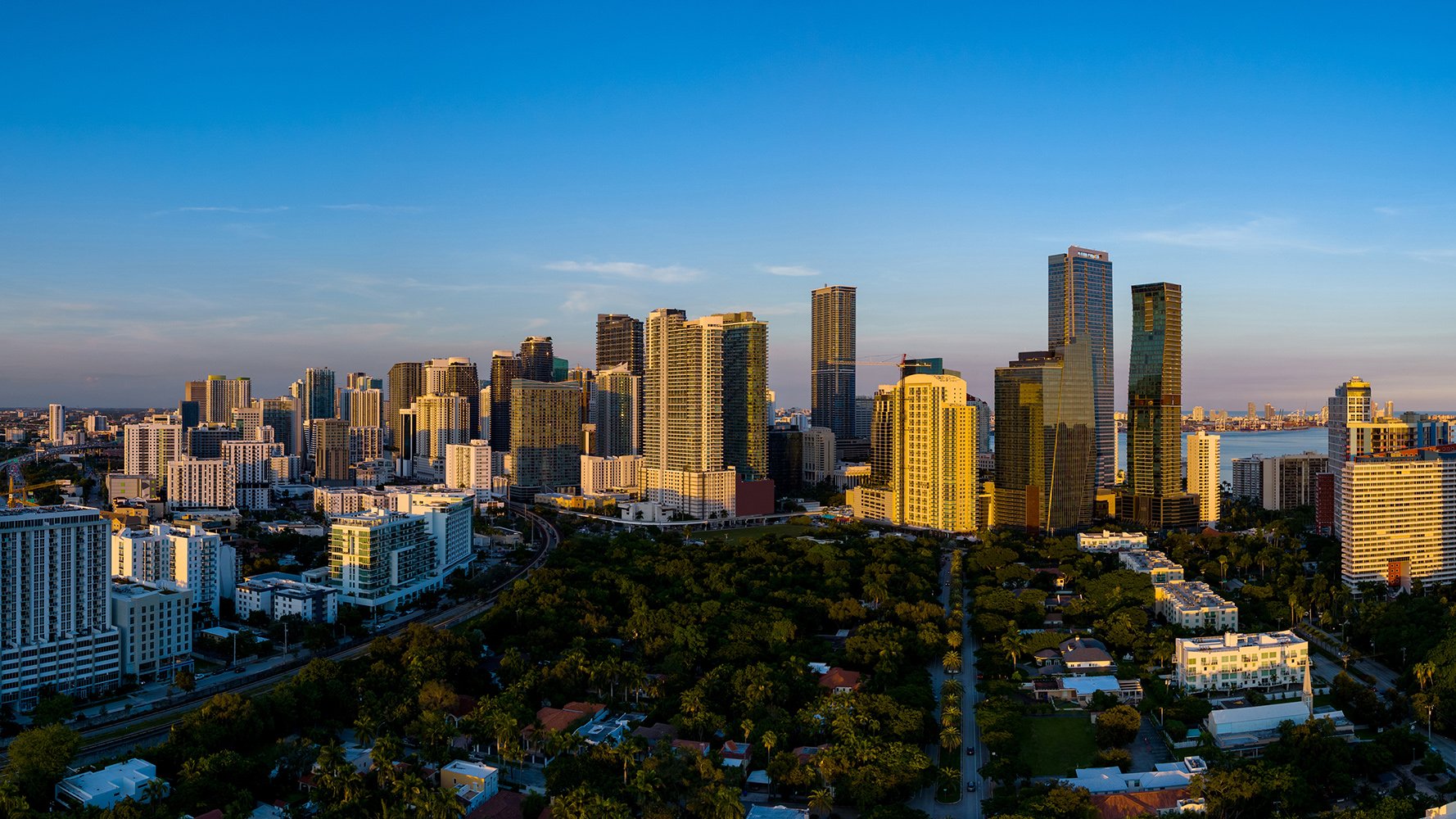
Miami’s luxury residential market is no longer a seasonal story. It has matured into a global allocation decision shaped by lifestyle, access, and a persistent pipeline of new development. In a recent multi-month snapshot of new construction, pre-construction, and condo conversion sales, international buyers accounted for roughly 52% of transactions, spanning 73 countries. In the same reporting, Colombia and Mexico led purchasing volume among international buyers.
For sophisticated families, entrepreneurs, and portfolio investors, the signal is not in the headlines. It is in the structure of the market. Miami-Dade has become a primary U.S. destination for international property purchases, and pre-construction has become one of the most common entry points. That combination can be powerful when your contract is precise, your liquidity plan is realistic, and your currency exposure is managed with intent.
Pre-construction in South Florida means accepting a long interval between signing and delivery, commonly measured in years. That timeline can match a planned relocation, a school horizon, or a phased move between jurisdictions. It can also introduce a form of illiquidity that catches even capable buyers off guard: once you are under contract and deposits are staged, your flexibility is largely defined by the written agreement.
A disciplined way to frame the decision is to separate it into three buckets:
In Miami Beach, pre-construction often appeals to buyers seeking a new build with a brand halo and a controlled service environment. Brickell frequently draws buyers who want proximity to business centers and global connectivity. Either can work. The mistake is treating contract protections as interchangeable across micro-markets.
Miami pre-construction deals typically use staged deposit structures that commonly total roughly 30% to 50% of the purchase price before closing. Developers often tie these deposits to milestones such as contract signing, groundbreaking, mid-construction or top-off, and near delivery, with the remaining balance due at closing.
For international buyers, the deposit schedule is not just a cash-flow calendar. It functions as a risk map.
Key diligence items to confirm in writing:
When a project fits your lifestyle profile, such as a beachfront concept like 57 Ocean Miami Beach, it is easy to focus on views and finishes. The more sophisticated posture is to treat the deposit structure as a negotiable risk instrument and ensure the contract reflects that reality.
The strongest pre-construction buyers assume delays are possible and draft accordingly. A polished presentation is not a substitute for enforceable language.
Three provisions deserve special attention:
Outside dates and remedies Pre-construction contracts should include outside dates for major milestones and explicit remedies if those dates are missed, such as the ability to cancel and seek a refund under defined conditions.
Force majeure language Force majeure provisions can excuse delays. Broad language can create lengthy extensions that leave the buyer locked in without meaningful recourse. This is not a reason to avoid a deal. It is a reason to review and, where possible, negotiate.
Material changes Define what constitutes a material change, such as meaningful reductions in unit size or the removal of a promised amenity, and specify what buyer rights are triggered. The goal is clarity. You do not want to discover at delivery that “similar” was doing too much work.
Finally, verify assignment rights. Many developers restrict the ability to sell the contract before closing, and the restrictions can be consequential for international buyers who may need optionality due to immigration timing, business changes, or shifting tax residency.
Pre-construction risk is not evenly distributed. Projects that remain in marketing mode for long periods without evidence of meaningful progress can represent higher-risk commitments, particularly when substantial deposits are being wired from abroad.
A discreet, buyer-oriented approach is to look for indicators that a project is moving from narrative to execution. Each deal is unique, but the governing principle is consistent: you want a credible path from contract to delivery, and you want the contract to define what happens if that path changes.
Foreign national mortgage programs exist, but underwriting typically requires extensive documentation, including identity, banking, income, tax information, and source-of-funds support. Many foreign national loans also require larger down payments, often around 30% to 40% or more, and can be priced higher than financing available to U.S. residents. Lenders may also require meaningful post-closing liquidity reserves.
Even cash buyers benefit from financing literacy because financing availability influences the depth of the resale buyer pool at delivery.
Practical planning notes:
In service-forward residences, such as Setai Residences Miami Beach, buyers often prioritize discretion and predictability. Those same buyers should demand equally predictable financing and documentation timelines.
International ownership can be elegant, but it is rarely simple. Several items warrant attention early in the process, not at the closing table.
FIRPTA at resale Under FIRPTA, when a foreign person sells U.S. real property, the buyer generally must withhold 15% of the gross sales price unless an exception applies. Sellers can seek reduced withholding by applying for an IRS withholding certificate (Form 8288-B), but approval timing can affect closing logistics. Also note that FIRPTA withholding remittances are shifting to electronic-only payment via EFTPS effective September 30, 2025.
Estate exposure Nonresident aliens have a limited U.S. estate tax exemption, generally $60,000 for U.S.-situs assets, which makes ownership-structure planning a key pre-purchase decision. For families thinking generationally, this is not an afterthought. It is part of the acquisition architecture.
Rental reporting If you will rent the home, rental income from U.S. property is reportable to the IRS and is typically reported on Schedule E, with deductions available for ordinary rental expenses and depreciation.
Florida transactional costs Florida transactions can involve documentary stamp taxes on deeds and certain financing documents, which should be budgeted as part of closing costs.
Buyers often associate investment discipline with spreadsheets and cap rates. In Miami luxury, investment discipline also means clean structuring, clean reporting, and no rushed decisions under deadline.
For international buyers, exchange-rate movements can materially change the effective purchase price and returns on a U.S. dollar denominated property. This matters most in pre-construction because payments are spread across multiple dates.
One common tool is a forward contract, which can lock an exchange rate for a future payment date. Hedging costs vary by currency and by interest-rate differentials, and the right approach depends on your time horizon and risk tolerance.
A simple way to think about it:
Many international buyers are not only purchasing a unit. They are selecting a building culture.
In Miami Beach, buyers often seek a true hospitality lens: discreet arrivals, high-touch service, and a home that feels like a private club. That is why branded and service-rich concepts, such as The Ritz-Carlton Residences® Miami Beach and Casa Cipriani Miami Beach, regularly enter the conversation for global buyers who want a managed, lock-and-leave lifestyle.
In Brickell, the appeal is different: density, walkability, business adjacency, and an internationally legible urban rhythm. If you are choosing between Miami Beach and Brickell, align your selection with how you will actually use the home, whether that is weeks at a time, long winters, or a primary residence anchored by daily routines.
Across both areas, the sophisticated buyer question is the same: does the contract protect the lifestyle you believe you are buying?
A buyer-led timeline reduces pressure and improves outcomes.
Before reservation or contract:
During the construction period:
At closing and beyond:
Why do so many international buyers choose Miami? Miami-Dade is a leading U.S. destination for international property purchases, and international buyers represent a significant share of local new development activity.
How long does pre-construction usually take? Many South Florida pre-construction purchases involve a long wait from contract to delivery, often measured in years.
What deposit amount should I expect? Staged deposits commonly total roughly 30% to 50% of the purchase price before closing, with the balance due at closing.
Where should my deposits be held? Confirm in writing the escrow holder, how escrow is administered, and what triggers any release of funds.
What contract terms protect me if the project is delayed? Outside dates for milestones and explicit remedies, such as cancellation and refund rights under defined conditions, are key protections.
Why does force majeure matter? Broad force majeure language can excuse lengthy delays, so it should be reviewed carefully and negotiated where possible.
Can I sell my contract before closing? Assignment rights are often restricted. Verify whether assignments are allowed and under what conditions before you sign.
Can non-U.S. buyers get a mortgage? Yes. Foreign national programs exist, but they usually require extensive documentation, larger down payments, and liquidity reserves.
What is FIRPTA and why should I plan for it? FIRPTA generally requires withholding of 15% of the gross sales price when a foreign person sells U.S. real property, unless an exception applies. Timing and payment mechanics can impact closings.
How do I manage currency risk with staged deposits? Exchange rates can materially change your effective price. Some buyers use forward contracts to lock an exchange rate for future payment dates.
For discreet guidance on evaluating pre-construction and structuring an international purchase, speak with MILLION Luxury.
If branded residences are on your mind — as a home or as an allocation — we would be glad to share what we are seeing, privately.
Begin a quiet conversation