Marina-adjacent ownership is not measured only by purchase price. The resident onboarding process can determine how quickly a buyer understands dock access, association rules, insurance expectations, service logistics, guest protocols, and the daily rhythms that shape the true cost of living near the water.
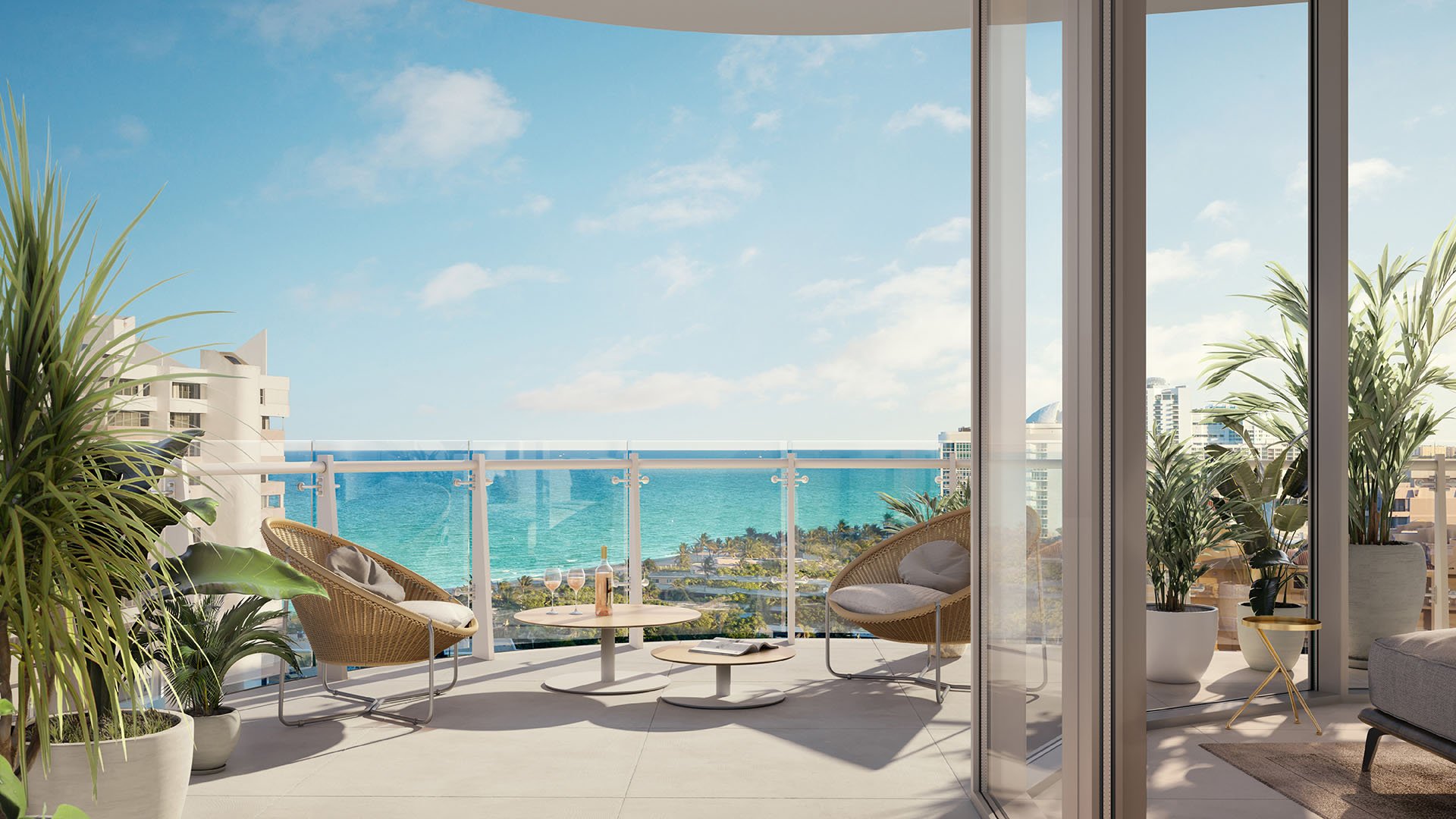
A marina-adjacent home in South Florida is often purchased for the promise of ease: morning light over the water, a quick transition from residence to boat, and the quiet prestige of living close to the shoreline. Yet the real cost of that lifestyle is not defined by the closing statement alone. It is also shaped by what happens after the keys are delivered.
New-resident onboarding is where the abstract idea of waterfront living becomes a practical household system. It is the moment a buyer learns how the building handles move-ins, vendors, marina access, guest arrivals, deliveries, service elevators, pet circulation, storm preparation, package rooms, parking, and the informal choreography of staff and residents. In a well-run property, that process feels discreet and nearly effortless. In a less organized environment, it can create friction that costs time, money, and confidence.
For buyers considering a marina setting, onboarding should be treated as part of due diligence, not as an afterthought. The question is not simply whether a residence is close to the water. The question is whether the community has a clear operating culture for people who actually intend to live near it.
A marina-adjacent address introduces layers that a conventional luxury condominium may not have to manage. Residents may need to coordinate dock-related access, visiting captains, marine technicians, provisioning, valet timing, ride-share circulation, security clearance, and guest movement between land and water. Even when the residence and the marina are separately managed, the owner experiences them as one lifestyle.
That is why onboarding matters. A strong orientation can clarify where household staff should enter, how long vendors may remain on site, where equipment can be staged, which documents are required for recurring access, and how management communicates rule changes. Without that clarity, the owner may discover avoidable inconvenience only after moving in.
In Fort Lauderdale, buyers comparing waterfront residences such as St. Regis® Residences Bahia Mar Fort Lauderdale should ask how the first 30 days of residency are handled. Not only what amenities exist, but how they are introduced, scheduled, protected, and maintained for the people who will use them.
Carrying cost is often discussed in terms of association dues, insurance, taxes, utilities, and maintenance. Those are essential. But in marina-adjacent living, the owner’s time also becomes a measurable expense. If a household repeatedly has to solve access questions, correct vendor instructions, resubmit paperwork, or personally oversee routine service appointments, the property is extracting value in less visible ways.
Onboarding can reduce that invisible cost. A clear resident manual, an informed management team, and a proactive introduction to building protocols can prevent small inefficiencies from becoming a standing burden. For a seasonal owner or second-home buyer, this is especially important. The residence must function while the owner is away, not only when the owner is present to supervise.
This is one reason buyers assessing properties such as Riva Residenze Fort Lauderdale should think beyond views and finishes. The difference between an elegant residence and an elegant ownership experience often lies in the quality of the operating playbook.
Before committing to a marina-adjacent home, a buyer should request a practical walkthrough of the onboarding process. Who schedules the move-in? Who approves regular vendors? How are visiting guests announced? How does the property handle deliveries that cannot be left unattended? What is the protocol for household staff? Are there separate rules for marine-related service providers? How are residents notified when access patterns change?
These questions are not signs of distrust. They are signs of sophistication. The more premium the address, the less a resident wants to negotiate daily logistics in public view. Privacy and convenience are not amenities in this segment. They are baseline expectations.
A boat slip, where available or separately arranged, should be studied with the same discipline as the residence itself. Access, maintenance responsibility, guest use, insurance expectations, and any transfer limitations can affect both enjoyment and long-term liquidity. Even when a buyer does not own a boat, proximity to marine infrastructure can still influence noise patterns, traffic flow, staffing needs, and guest behavior.
Luxury buildings are often evaluated by their architecture, brand, and amenity package. Onboarding reveals something equally consequential: staff culture. A polished welcome process signals whether the building is organized around resident discretion or reactive problem solving.
A strong staff culture does not overwhelm a new owner with formality. It anticipates needs. It knows how to introduce technology systems without making them burdensome. It explains rules without sounding punitive. It protects privacy without creating coldness. It understands that a marina-adjacent resident may need coordination between the home, the car, the dock, the household team, and visiting guests, sometimes within the same hour.
In Pompano Beach, buyers reviewing newer waterfront offerings such as The Ritz-Carlton Residences® Pompano Beach or Waldorf Astoria Residences Pompano Beach can benefit from observing how a sales presentation transitions into a resident operations conversation. The best properties do not treat service as decoration. They make it legible.
Some buyers instinctively resist rules, especially in a waterfront setting that promises freedom. Yet thoughtful rules can protect value. Clear guest procedures support security. Defined vendor access protects resident privacy. Noise and storage policies preserve the atmosphere. Move-in rules protect finishes and common areas. Storm-related protocols reduce confusion when calm weather is no longer the operating assumption.
The issue is not whether a building has rules. Every serious property does. The issue is whether those rules are explained early, applied consistently, and integrated into the way residents actually live. A poorly communicated rule feels like an obstacle. A well-communicated rule feels like part of the property’s infrastructure.
In Miami Beach, where privacy, beach access, boating, and social life often intersect, buyers considering residences such as The Ritz-Carlton Residences® Miami Beach should study how the community handles guest flow and service coordination. The more desirable the lifestyle, the more important the backstage systems become.
A future buyer will not only purchase the physical residence. They will inherit the building’s culture. If onboarding is clear, documents are organized, staff is confident, and rules are easy to understand, the property can feel more trustworthy during resale. If basic questions produce vague answers, uncertainty enters the room.
That uncertainty can change negotiation dynamics. Buyers in the ultra-premium segment are willing to pay for beauty, access, and scarcity, but they are also sensitive to avoidable inconvenience. A home that feels operationally mature can command attention because it reduces the emotional labor of ownership.
For Bay Harbor Islands buyers looking at boutique waterfront options such as Onda Bay Harbor, the same principle applies. Intimacy can be a strength, but only when the resident experience is carefully managed. Smaller does not automatically mean simpler. It should mean more personal, more precise, and more accountable.
The finest marina-adjacent homes are not merely close to yachts and water. They are designed, staffed, and governed so that the resident does not have to translate luxury into logistics alone. Onboarding is the first proof.
A serious buyer should leave the orientation process understanding how to arrive, how to host, how to service the home, how to coordinate marine life if relevant, how to protect privacy, and how to resolve questions without friction. If those answers are vague, the buyer should keep asking. If they are crisp, the home may offer something more valuable than proximity: confidence.
Why does onboarding matter in a marina-adjacent home? It explains the rules, access points, vendor procedures, and service expectations that shape daily ownership near the water.
Can onboarding affect the true cost of ownership? Yes. Poor coordination can create time costs, vendor delays, and avoidable inconvenience that do not appear in standard carrying costs.
Should buyers ask about marina procedures before closing? Yes. Buyers should understand access, guest movement, service providers, and any relationship between the residence and nearby marine facilities.
Is a boat slip always included with a marina-adjacent home? Not necessarily. Buyers should confirm availability, terms, responsibilities, and transfer rules before making assumptions.
What should seasonal owners prioritize during onboarding? They should focus on remote access, vendor approvals, emergency contacts, maintenance procedures, and communication standards.
Do stricter building rules reduce lifestyle flexibility? Not when they are well designed. Clear rules can protect privacy, security, common areas, and the overall resident experience.
How can staff culture be evaluated? Buyers can observe how clearly the team explains procedures, anticipates questions, and coordinates across departments.
Does marina adjacency matter for non-boaters? Yes. Even non-boaters may experience the effects of waterfront access, guest traffic, service movement, and community rhythm.
What is the most overlooked onboarding topic? Vendor access is often underestimated, especially for owners with household staff, marine technicians, designers, or frequent deliveries.
How should buyers compare two similar waterfront homes? Compare not only the view and finishes, but also the clarity of operations, rules, staffing, and resident support.
If you'd like a private walkthrough and a curated shortlist, connect with MILLION.
If branded residences are on your mind — as a home or as an allocation — we would be glad to share what we are seeing, privately.
Begin a quiet conversation