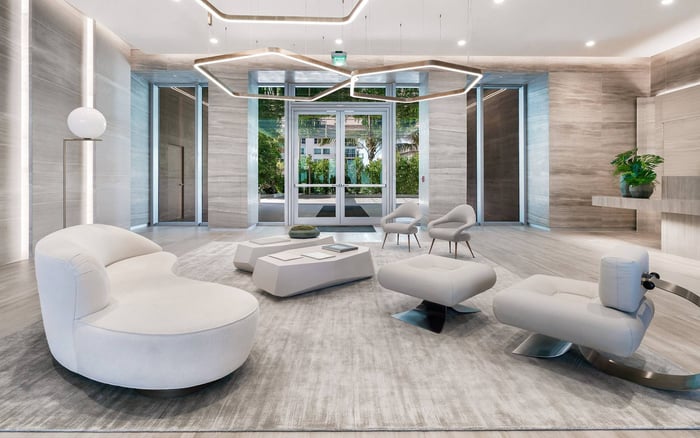
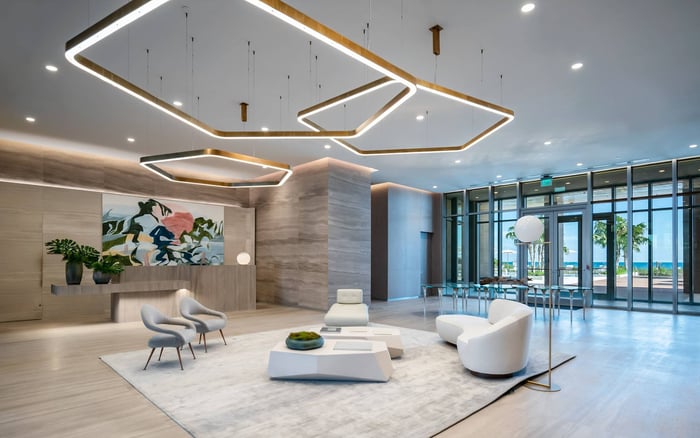
For Pompano Beach luxury buyers, the South Beach Wine & Food Festival offers a useful lens on entertaining, kitchen planning, outdoor living, service flow, and branded residential expectations.
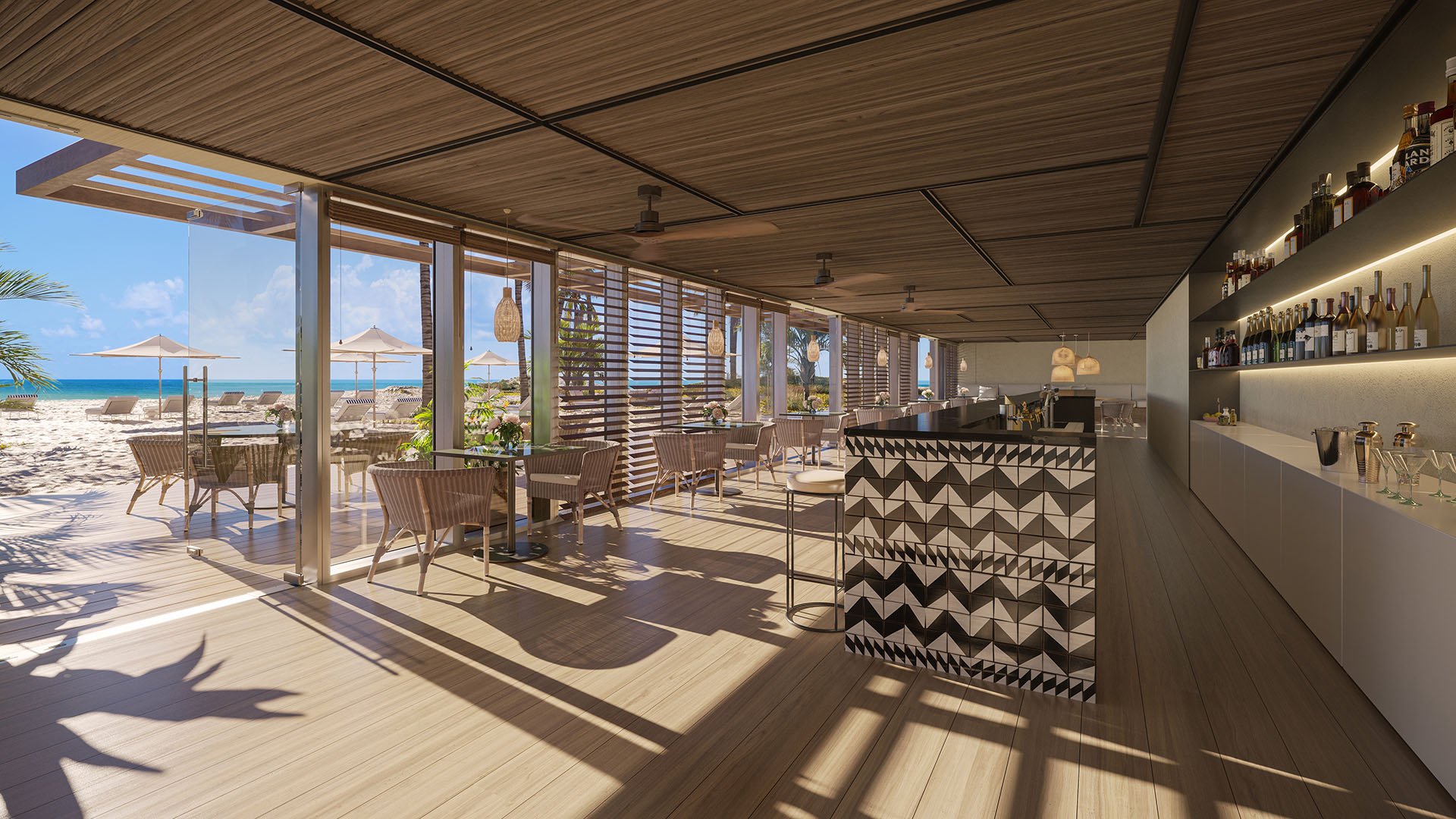
For a luxury buyer, South Beach Wine & Food Festival is more than a celebrated culinary moment. It is a concentrated preview of how affluent South Florida lives, hosts, circulates, dresses, dines, and unwinds. For Pompano Beach, where oceanfront residential energy continues to mature, that cultural signal matters. The festival mindset helps buyers ask a sharper question: can a home support the life they actually want to stage?
That does not mean every residence needs to feel like a hospitality venue. The most desirable homes do the opposite. They make high-touch living appear effortless. The lesson for Pompano Beach is subtle but important: luxury is no longer measured only by views, finishes, or square footage. It is measured by how gracefully a residence handles arrival, privacy, cooking, cocktails, terrace dining, overnight guests, recovery, wellness, and quiet the morning after.
Projects such as The Ritz-Carlton Residences® Pompano Beach speak directly to this shift, as buyers increasingly recognize the value of a residential environment shaped by service, discretion, and polished daily rituals.
A festival built around food and wine reminds buyers that the kitchen is no longer hidden infrastructure. In a luxury residence, it is often the visual and social center of the home. For Pompano Beach buyers, that changes the evaluation criteria. A beautiful kitchen matters, but so does the ability to move between prep, plating, refrigeration, serving, and conversation without friction.
The best layouts separate performance from presentation. A main kitchen may be sculptural enough for guests to gather around, while adjacent storage, pantry, or service zones keep the evening composed. Buyers should look for generous islands, durable surfaces, integrated appliances, intelligent lighting, and enough circulation for a caterer, chef, or host to work without bottlenecks.
This is where Design & Architecture becomes practical rather than decorative. A residence that photographs well is only half complete. The more important question is whether it works when friends arrive early, a private chef needs a landing zone, and the host still wants the living room to feel serene.
In Pompano Beach, the terrace is not an accessory. It can be the emotional center of the residence. Culinary culture only heightens that point. Buyers who imagine alfresco dinners, sunset tastings, weekend brunches, or quiet coffee after a late evening should study outdoor space with the same rigor they bring to interiors.
A strong terrace has depth, not merely frontage. It should allow furniture, movement, shade, planters, and dining without feeling improvised. The transition from kitchen to terrace is also critical. If serving requires a long path through formal areas, the romance of outdoor entertaining fades quickly.
Oceanfront homes add another layer. The view is the obvious asset, but comfort determines use. Wind, sun exposure, privacy from neighboring terraces, and nighttime lighting all affect how often the space becomes part of daily life. A buyer considering Armani Casa Residences Pompano Beach may naturally focus on design language, but the larger priority is how that design supports a sophisticated indoor-outdoor routine.
The festival lens also reveals the importance of back-of-house thinking. Luxury entertaining can be intimate, but it still depends on logistics. Deliveries, guest parking, elevators, trash removal, package handling, catering access, and staff circulation can either preserve the mood or disrupt it.
In Pompano Beach, buyers should look beyond the residence itself and evaluate the full arrival sequence. Is the lobby calm? Is the elevator experience private enough? Can guests arrive without creating stress? Can a dinner be set up without turning the residence into a work zone? These questions may feel operational, but they shape the lived experience of ownership.
Branded Residences often enter this conversation because they promise a more hotel-informed rhythm of service. The strongest examples do not feel theatrical. They simply reduce friction. That matters for owners who divide time between homes, entertain selectively, or want a lock-and-leave residence that still feels ready for an impromptu gathering.
A food and wine culture encourages buyers to consider the small spaces that elevate an evening. A dedicated wine display, a concealed bar, a catering pantry, or a flexible den can change how a home performs. These features do not need to be excessive. In fact, the most elegant versions are often restrained, integrated, and quiet.
For Pompano Beach residences, flexibility is especially valuable. A room might function as a media lounge during the week, then become a private tasting area or spillover salon when guests visit. A long console near the dining room might support coffee service in the morning and cocktails at night. A secondary refrigerator or icemaker can matter more than another decorative wall.
This is where Lifestyle becomes a planning discipline. The buyer is not only purchasing a home. The buyer is selecting the setting for recurring rituals, from a chef-led dinner to a family lunch after the beach.
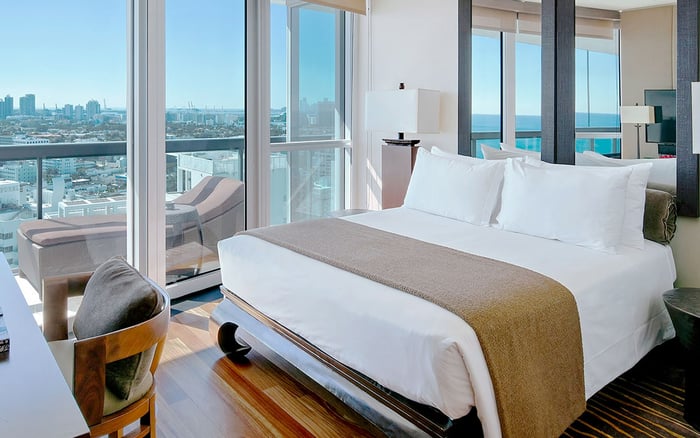
Culinary indulgence and wellness are no longer opposites in the luxury market. They belong to the same lifestyle cycle. A residence that hosts beautifully should also restore beautifully. After a full evening, owners value calm bedrooms, spa-like baths, fitness access, fresh-air spaces, and acoustic privacy.
Pompano Beach has a natural advantage because coastal living already supports a softer daily rhythm. Still, buyers should be discerning. A wellness amenity is only useful if it is easy to access, pleasant to use, and aligned with the owner’s routine. The same is true inside the residence. Primary suites should feel removed from entertaining zones. Guest rooms should offer privacy. Baths should be planned as recovery spaces, not merely finish showcases.
At W Pompano Beach Hotel & Residences, the hospitality association reinforces a broader buyer expectation: home should support both the social evening and the restorative morning.
The practical takeaway is simple. When a cultural event celebrates taste, hosting, and South Florida glamour, it clarifies what buyers should prioritize in their own homes. In Pompano Beach, that means looking for residences that balance views with usability, design with service, and privacy with connection.
A home may be visually impressive, but the better test is experiential. Where do guests place a glass when they arrive? Can conversation flow from kitchen to living room to terrace? Does the dining area feel special without becoming formal? Can the owner host twelve people one night and feel completely at ease alone the next morning?
Buyers considering Waldorf Astoria Residences Pompano Beach may see the appeal of a polished hospitality vocabulary, but the deeper question remains personal. Does the residence support the specific rituals that define your version of luxury?
Luxury-home priorities are often described in financial terms, yet the most durable decisions usually begin with lifestyle clarity. A residence that supports entertaining, privacy, wellness, and ease can remain compelling because it solves real human needs. Culinary culture simply brings those needs into sharper focus.
For Pompano Beach, the opportunity is to position luxury living as both relaxed and refined. The city does not need to imitate South Beach. Its appeal can be more residential, more coastal, and more composed. The buyer who understands this distinction will seek homes that feel elegant without being over-programmed, social without being exposed, and resort-like without surrendering the intimacy of private ownership.
How can South Beach Wine & Food Festival influence a Pompano Beach home search? It can help buyers think more clearly about entertaining, kitchen design, terrace use, and service flow in a luxury residence.
Should buyers prioritize a chef’s kitchen? Yes, if they entertain often or value culinary living. The best kitchens combine presentation, storage, workflow, and easy connection to dining areas.
Why are terraces so important in Pompano Beach? Terraces extend the home into the coastal environment. Depth, privacy, shade, and dining functionality can be as important as the view.
Do Branded Residences matter for lifestyle buyers? They can, especially when service, arrival experience, amenities, and design consistency are priorities for daily living.
What should buyers ask about entertaining logistics? They should ask about guest arrival, elevator privacy, catering access, parking, storage, and how service areas support events.
Is Oceanfront always the best choice? Oceanfront can be highly desirable, but buyers should also evaluate exposure, privacy, terrace usability, and interior calm.
How does wellness fit into an entertaining-focused home? Wellness balances social living with recovery. Quiet suites, spa-like baths, fitness access, and outdoor air all contribute.
Are flexible rooms valuable in luxury condos? Yes. A den, lounge, or secondary living area can adapt for tastings, media, work, guests, or quiet retreat.
What makes Pompano Beach distinct from Miami Beach? Pompano Beach can offer a more residential coastal mood while still appealing to buyers who value design, service, and lifestyle.
What is the best first step for a buyer? Define the rituals the home must support, from private dinners to wellness routines, then compare residences through that lens.
For a confidential assessment and a building-by-building shortlist, connect with MILLION.
If branded residences are on your mind — as a home or as an allocation — we would be glad to share what we are seeing, privately.
Begin a quiet conversation