A discreet buyer’s framework for comparing Miami Beach and Fisher Island through privacy, arrival logistics, residential service, and seasonal ownership priorities.

Choosing between Miami Beach and Fisher Island is less about selecting the more prestigious address than identifying the setting that best supports your private rhythm. A seasonal owner may arrive for extended winter stays, frequent long weekends, or a calendar shaped by family visits and international travel. Each pattern places distinct demands on privacy, access, staffing, storage, and residence management.
Begin with a realistic ownership brief. Note who will use the home, how often guests will arrive without you, whether household staff require independent access, and how quickly the residence must become operational after an absence. This turns an abstract lifestyle comparison into a disciplined second-home decision.
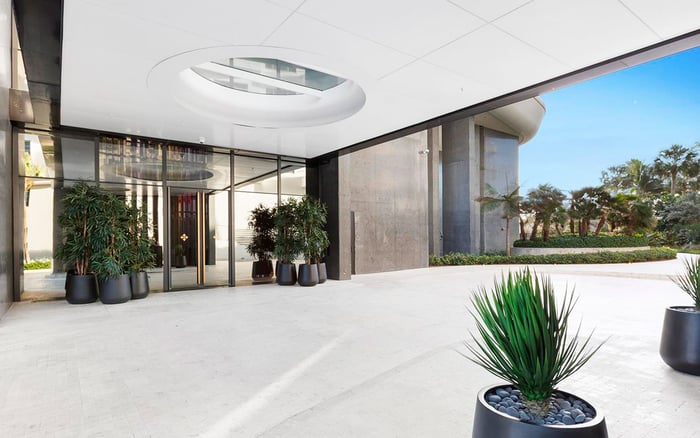
Privacy is not a single amenity. It is the combined effect of the arrival sequence, lobby exposure, elevator circulation, service access, neighboring sightlines, guest procedures, and staff discretion. Walk the complete route from vehicle arrival to residence entry at different times rather than evaluating only the formal presentation path.
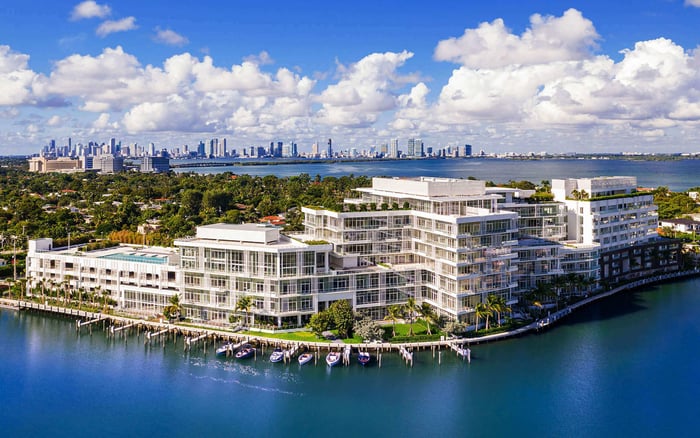
In Miami Beach, buyers can compare distinct residential formats. The Perigon Miami Beach and The Ritz-Carlton Residences® Miami Beach offer useful starting points for project-specific due diligence. The essential questions concern actual circulation, visitor handling, delivery protocols, and the separation of resident and service movements.
On Fisher Island, privacy analysis should be equally exacting. Review how access credentials are issued, how vendors are admitted, and whether guests can be received smoothly when the owner is elsewhere. Gated-community positioning may sound reassuring, but buyers should still examine the operational details governing daily exposure.
Measure access from the places that matter to you and at the hours you are likely to travel. Create several practical journeys: airport to residence, dinner to home, household staff arrival, a guest transfer, and an urgent maintenance visit. Then test each route rather than relying on theoretical travel times.
The relevant issue is not speed alone. Seasonal owners often value predictability, clarity, and the ability to delegate. Ask who coordinates an arrival, what happens when plans change, how luggage is handled, and whether drivers or assistants receive timely instructions. Consider the experience of children, older relatives, pets, and overnight guests as well.
For Fisher Island candidates such as The Residences at Six Fisher Island, access questions belong in the first round of evaluation, not the last. Request written explanations of procedures and verify which responsibilities rest with the residence, an association, or the owner’s private team.
A long amenity menu does not automatically deliver effortless ownership. Service quality depends on scope, authority, staffing, response standards, communication, and accountability. Request a written description of what is included, what carries an additional charge, and what requires an outside vendor.
Frame the discussion around specific scenarios. Can the team prepare the residence before arrival, coordinate approved vendors, accept and place deliveries, monitor an extended absence, and escalate a building issue? Who holds keys or credentials, who may authorize work, and how is the owner’s approval documented? These questions reveal whether service is truly integrated or merely available on request.
At Palazzo della Luna, as with any Fisher Island residence under consideration, buyers should distinguish building obligations from separately arranged household management. The same discipline applies across Miami Beach. Names and promises matter less than the service language in governing documents and agreements.
The best seasonal home closes easily and reopens gracefully. Evaluate climate control, leak detection, backup procedures, package handling, storage, window treatments, terrace care, and access for approved technicians. Waterfront living can make views central to the purchase, but operational resilience deserves equal weight.
The layout also shapes privacy. Consider whether guest suites offer separation, whether staff can work without crossing entertaining spaces, and whether service entries or elevators support discreet operations. Review parking, vehicle storage, pet routines, and the route from arrival to the kitchen or dressing areas.
A low-density concept such as The Links Estates at Fisher Island may prompt different questions from a condominium residence. Do not assume either format is inherently easier. Compare the precise maintenance burden, staffing plan, association coverage, and owner responsibilities attached to each property.
Before committing, map the rules against your likely season. Review guest registration, renovation windows, vendor access, leasing restrictions, pet policies, vehicle procedures, insurance obligations, and emergency authority. Confirm which rules apply during your absence and how notices are delivered.
Budgeting requires the same rigor. Separate recurring building or association charges from optional services, private staffing, preventive maintenance, insurance, and arrival preparation. Clarify approval limits so a manager can resolve routine issues without receiving open-ended authority.
Finally, identify the human chain of command. A polished service proposition is most valuable when one person can coordinate the residence, communicate clearly, and document decisions. For seasonal ownership, continuity often matters more than the number of touchpoints.
Miami Beach may suit an owner whose preferred itinerary centers on the specific residence and routines available there. Fisher Island may suit an owner whose priorities align with its particular access and residential framework. Neither conclusion should rest on reputation alone.
Score each finalist on privacy, access predictability, service scope, residence readiness, guest experience, and governance. Weight each category according to your actual calendar. The better property is the one that requires the fewest compromises from the life you intend to lead.
Which location is more private for a seasonal owner? Privacy depends on the specific residence, circulation plan, guest controls, staffing practices, and neighboring exposure. Compare these elements property by property.
How should I evaluate access before buying? Test your likely routes at realistic times, accounting for guests, staff, luggage, pets, and schedule changes.
What service questions should I ask first? Ask what is included, who is accountable, which response standards apply, and which tasks require separate fees or vendors.
Can building staff prepare my residence before arrival? Confirm the exact preparation scope in writing, including access authority, timing, charges, and responsibility for outside contractors.
How can I protect privacy when hosting guests? Review registration, credentials, parking, elevators, and staff procedures, then determine whether guests can arrive without disrupting household routines.
What should I inspect inside a seasonal residence? Focus on monitoring systems, storage, mechanical access, guest separation, service circulation, terrace care, and the process for reopening the home.
Are amenities or service more important? Amenities shape enjoyment; dependable service shapes ease of ownership. Their relative importance should reflect how often you are present.
What documents deserve special attention? Review governing rules, budgets, insurance requirements, vendor policies, guest procedures, leasing restrictions, and the allocation of maintenance duties.
Should I hire a private residence manager? Consider one when your property, travel pattern, staffing, or collection of vendors requires coordination beyond the building’s defined responsibilities.
What is the clearest way to choose between finalists? Use a weighted scorecard based on your calendar, privacy expectations, arrival routine, service needs, and tolerance for owner-managed tasks.
For a confidential assessment and a building-by-building shortlist, connect with MILLION.
If branded residences are on your mind — as a home or as an allocation — we would be glad to share what we are seeing, privately.
Begin a quiet conversation