A buyer-focused guide to assessing private dining, service circulation, staff support, storage, outdoor entertaining, and operating rules before purchasing in Palm Beach.
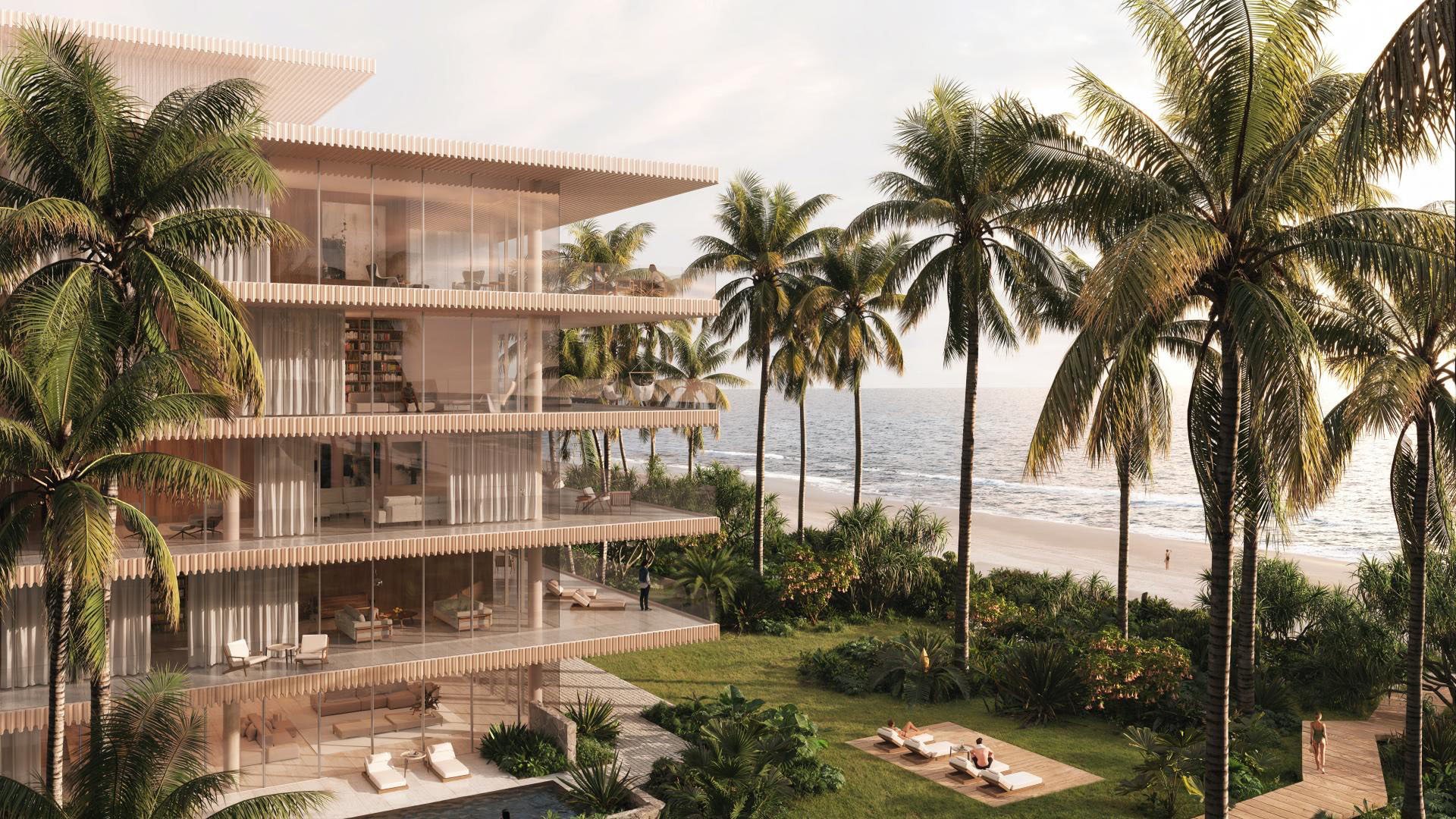
In Palm Beach, entertaining is rarely judged by spectacle alone. The more important question is whether a residence can host beautifully without friction. A dining room may photograph well, yet fail under the pressure of a seated dinner, a charity committee lunch, a family holiday, or a late-afternoon terrace gathering that quietly becomes an evening event.
Before purchasing, buyers should evaluate private dining as a complete operating system: arrival, parking, service access, kitchen performance, staff circulation, refrigeration, wine storage, acoustics, lighting, terraces, privacy, and building rules. The finest homes and residences make hospitality feel inevitable. Guests move naturally, staff works invisibly, and the owner is not forced into logistical improvisation.
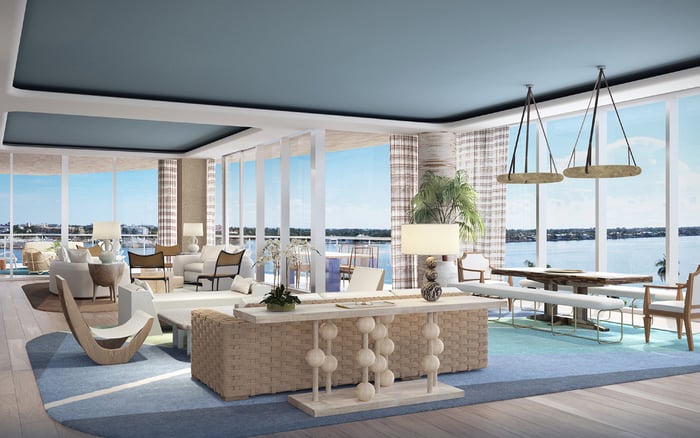
This is especially important for buyers comparing Palm Beach estates with full-service condominium living in nearby West Palm Beach. A private home may offer autonomy and scale, while a managed residential building may offer staffing, security, valet, event rooms, and predictable support. The right answer depends less on square footage than on how you actually host.
Entertaining begins before the first drink is served. Buyers should walk the property as a guest would: from gate, valet, lobby, elevator, entry gallery, powder room, living room, dining area, terrace, and departure. The sequence should feel gracious, intuitive, and private.
In a condominium, ask how guests are announced, where cars are staged, whether elevators can manage peak arrival windows, and whether there is a separate path for vendors. In a single-family home, evaluate the motor court, service gate, lighting, weather protection, and whether staff can unload without crossing the main arrival experience.
A residence that depends on complicated instructions can become tiresome. The best entertaining properties are legible. Guests know where to go, staff knows how to move, and the owner does not need to choreograph every transition.
A beautiful kitchen is not always a hosting kitchen. Buyers should distinguish between the kitchen designed for daily living and the kitchen required for service. For private dining, the relevant questions are practical: Is there enough counter space for plating? Can caterers stage without blocking family areas? Is refrigeration sufficient? Is there room for warming, glassware, florals, ice, and service equipment?
If a residence has a secondary prep kitchen, scullery, butler’s pantry, or service corridor, study how it connects to the dining room and terrace. If it does not, ask whether the existing kitchen can support the way you entertain. A formal dinner for twelve, a buffet for thirty, and a cocktail reception all place different demands on the plan.
Buyers considering full-service residences such as The Ritz-Carlton Residences® West Palm Beach should look beyond brand familiarity and ask detailed questions about private event support, staff coordination, guest flow, and the relationship between in-residence dining and shared amenity spaces.
In ultra-prime living, service should be present but not exposed. That does not happen by accident. Buyers should examine whether staff can enter, unload, prepare, serve, clear, and exit without repeatedly passing through principal rooms. Service elevators, secondary doors, back corridors, utility rooms, and discreet storage are not secondary details. They are the architecture of ease.
For condominium buyers, building protocol is essential. Some buildings are highly supportive of caterers and private chefs; others have stricter move-in, delivery, elevator, insurance, and access requirements. Neither is inherently better, but the rules must match the owner’s expectations.
For single-family homes, confirm whether service areas are large enough for the intended level of hosting. A residence may have generous entertaining rooms but inadequate staging areas, pushing staff into garages, hallways, or outdoor spaces. That compromises both privacy and performance.
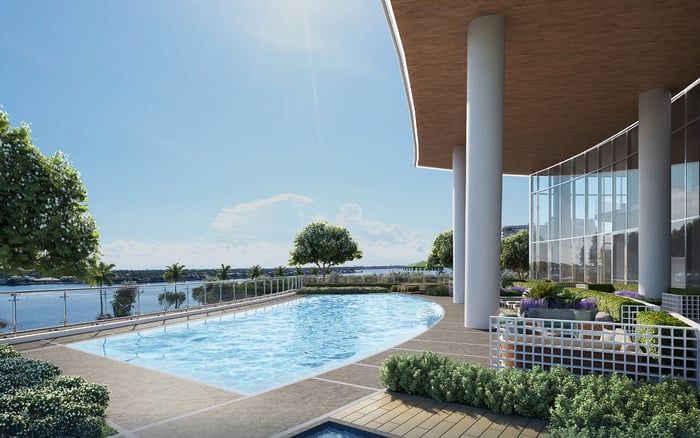
Palm Beach entertaining often migrates outdoors. A terrace should therefore be evaluated as a room, not merely as a view platform. Buyers should consider depth, shade, wind exposure, furniture placement, lighting, privacy from neighbors, sound carry, and the connection to the kitchen or bar.
A shallow balcony may be pleasant for morning coffee but impractical for dinner. A deeper terrace can extend the dining program, provided it has the right proportions and service access. If the residence has a pool area, consider whether it supports elegant entertaining or simply creates visual atmosphere.
Projects such as Alba West Palm Beach can be useful reference points for buyers thinking about waterfront living, indoor-outdoor transitions, and how a terrace should function in daily life as well as on hosted evenings.
Many buyers are drawn to buildings with private dining rooms, lounges, catering kitchens, and club-style spaces. These can be valuable, but they should be evaluated with precision. Ask how reservations work, whether outside caterers are permitted, what fees apply, how many guests are allowed, whether alcohol service is restricted, and whether events can extend outdoors.
Amenity dining is not a substitute for an in-residence entertaining plan. It is an extension of it. The ideal arrangement allows a buyer to host intimate dinners at home, larger gatherings in a private room, and casual occasions on terraces or in shared spaces without compromising privacy.
At Forté on Flagler West Palm Beach, buyers should apply the same lens they would anywhere else: not only what spaces exist, but how they are reserved, serviced, accessed, and experienced by guests.
A dining room’s millwork matters less than the governing documents if you host frequently. Buyers should review rules regarding private events, guest counts, valet operations, vendors, deliveries, music, terrace use, poolside gatherings, holiday décor, and after-hours access. Restrictions may be sensible, but they must be understood before closing.
The same applies to insurance requirements for caterers, chef access, elevator padding, service hours, and security clearance. A buyer who hosts often should request clear answers early, ideally before emotional attachment to a residence takes over.
Practically, this is a Palm Beach and West Palm Beach decision, but also a new-construction and second-home question. New development may offer contemporary service planning, while an established home may offer autonomy, grounds, and mature privacy.
The most expensive mistake is buying for the party you imagine rather than the life you lead. A buyer who hosts formal dinners needs a different plan than one who prefers long lunches, family gatherings, philanthropic meetings, or chef-led tasting evenings. The number of guests matters, but rhythm matters more.
Consider whether you entertain weekly, seasonally, or only during peak winter months. Consider whether guests include children, staff, security, drivers, or overnight visitors. Consider whether the residence should support quiet dinners for eight or polished receptions where circulation is the point.
For buyers drawn to boutique hospitality cues, Mr. C Residences West Palm Beach may prompt useful questions about service culture, guest experience, and how a branded residential environment aligns with private entertaining expectations.
Before making an offer, buyers should physically rehearse the entertaining plan. Stand where a bar would go. Measure the dining table. Open appliance doors. Trace the path from service entry to kitchen to dining room. Ask where flowers, wine, linens, ice, and extra chairs would be stored. Confirm whether the terrace can hold the intended furniture and whether doors allow smooth movement between rooms.
For condominium residences, request the building’s event policies, vendor access rules, amenity reservation procedures, and guest parking details. For houses, inspect mechanical systems, exterior lighting, generator capacity, landscape privacy, and service parking. These are not glamorous details, but they determine whether entertaining feels serene or improvised.
A residence such as Palm Beach Residences should be examined through the same disciplined lens: not only how it presents, but how it performs when the owner is hosting.
What is the first thing to evaluate for private dining? Begin with flow: guest arrival, service entry, kitchen access, dining placement, and terrace connection.
Is a large dining room enough for serious entertaining? No. Storage, service circulation, refrigeration, lighting, acoustics, and staff access are equally important.
Should condo buyers ask about private event rules? Yes. Guest limits, vendor access, reservations, insurance, music, and elevator rules can shape the hosting experience.
How important is a service elevator? It can be very important for frequent hosts because it separates deliveries and staff movement from guest areas.
What should buyers look for in an outdoor entertaining space? Depth, shade, privacy, wind exposure, lighting, and easy access to food and beverage service matter most.
Is an amenity dining room a substitute for in-residence dining? Usually not. It is best viewed as an extension for larger or more formal gatherings.
Can an older Palm Beach home still work well for entertaining? Yes, if its service areas, parking, kitchen capacity, and privacy support the buyer’s hosting style.
Why does storage matter so much? Entertaining requires space for linens, chairs, tableware, wine, florals, ice, and caterer equipment.
Should buyers involve a private chef before closing? If dining is central to the purchase, a chef or event professional can identify practical strengths and constraints.
What is the best way to shortlist comparable options for touring? Start with location fit, delivery status, and daily lifestyle priorities, then compare stacks and elevations to validate views and privacy.
For a discreet conversation and a curated building-by-building shortlist, connect with MILLION.
If branded residences are on your mind — as a home or as an allocation — we would be glad to share what we are seeing, privately.
Begin a quiet conversation