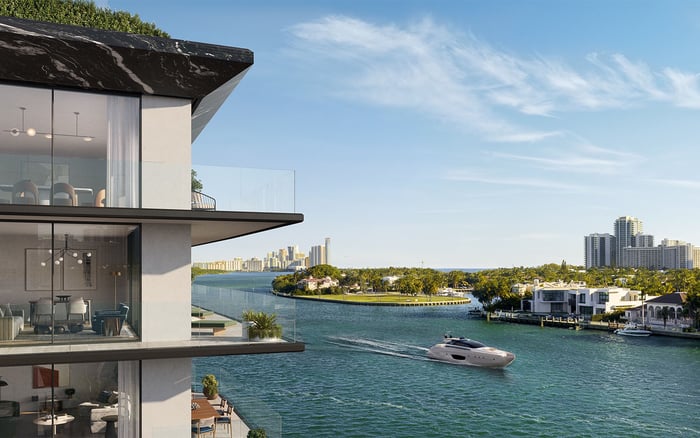
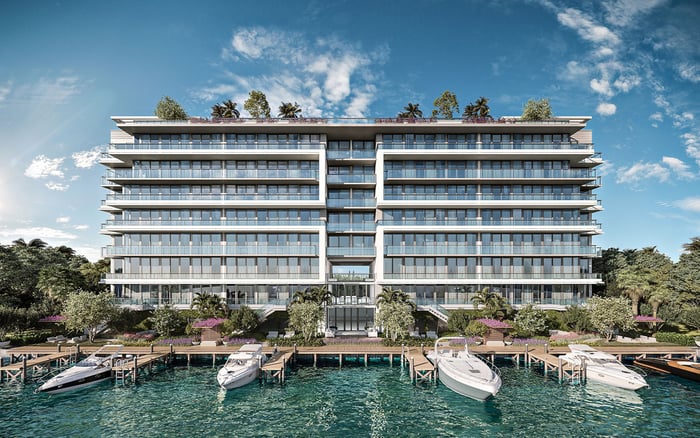
A practical waterfront due-diligence guide for full-time owners comparing Vita at Grove Isle and The Well Bay Harbor Islands, with emphasis on document review, access rights, dock or marina privileges, service expectations, and insurance responsibility before purchase.
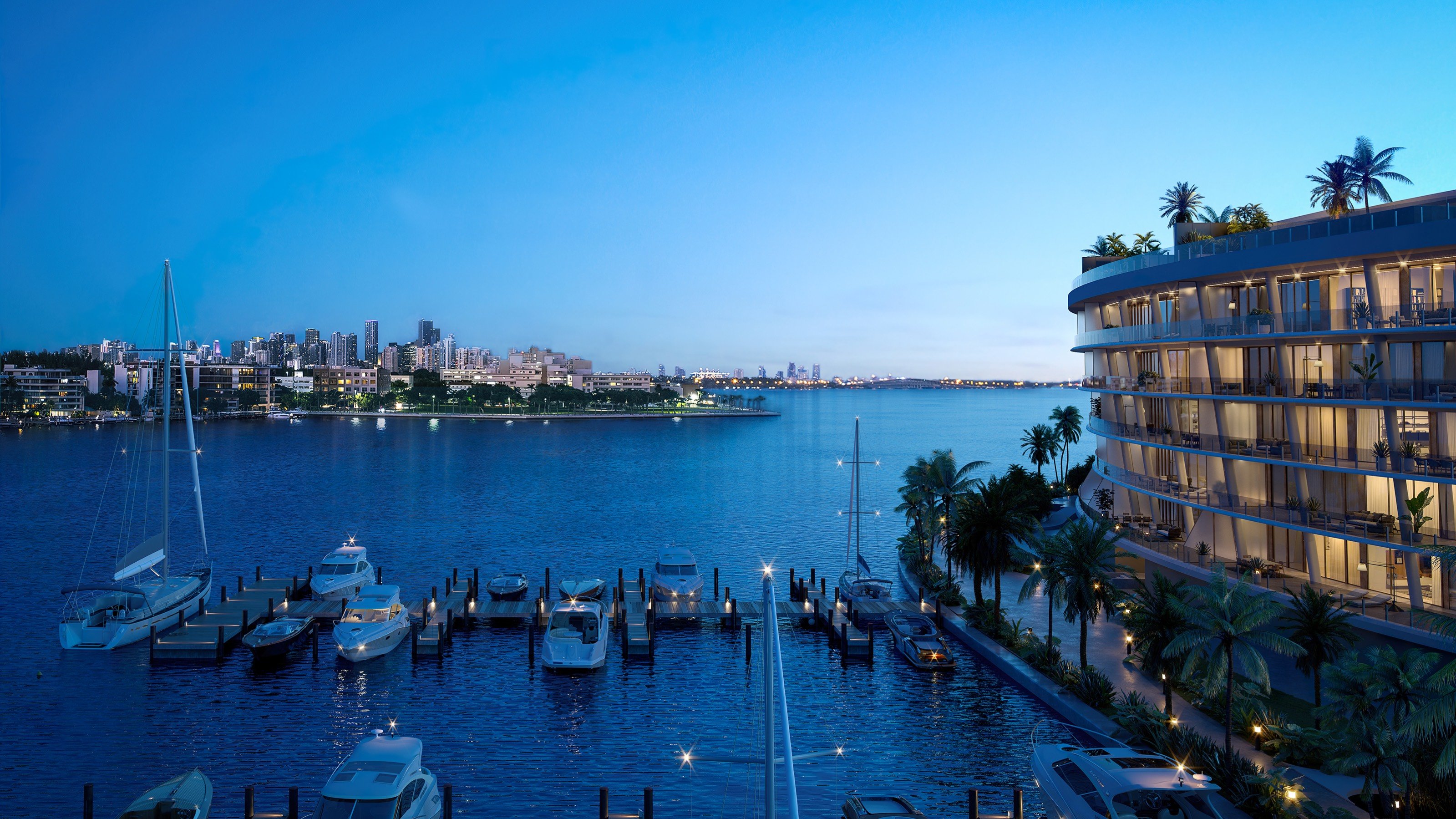
For full-time owners, the romance of waterfront living is only the opening chapter. Lasting value depends on what may be used, who controls it, how it is insured, and how calmly the building operates when daily life meets salt air, tides, storms, guests, vendors, and vessels. That is the lens through which buyers should evaluate Vita at Grove Isle and The Well Bay Harbor Islands.
The Well Bay Harbor Islands is a Bay Harbor Islands residential project characterized as a wellness-branded residence. That identity may appeal to buyers seeking a softer, service-oriented residential atmosphere, but waterfront due diligence should remain disciplined. The essential questions are not about ambience. They are about enforceable rights, access rules, maintenance obligations, insurance boundaries, and how the association documents define daily use.
Vita at Grove Isle requires the same scrutiny. The name may naturally place it in a waterfront conversation for buyers, but specific rights should never be assumed from branding, views, renderings, or casual sales language. In a Bay Harbor or Coconut Grove waterfront search, the prudent buyer treats lifestyle language as a starting point and recorded documents as the authority.
A waterfront residence can include many different privileges. An owner may have a view, access to a promenade, access to a dock area, a limited common element, a revocable license, or no private boating privilege at all. These categories are not interchangeable. A water view can support emotional and resale value, but it does not automatically create the right to dock, board, launch, store, or invite others to use waterfront facilities.
For a full-time owner, the distinction matters because daily use reveals every ambiguity. Can residents access the water at all hours, or only during posted times? Are guests permitted unaccompanied? Are vendors allowed through a service route? Are kayaks, paddleboards, tenders, or day boats treated differently? Are waterfront areas governed by condominium rules, marina rules, municipal requirements, or a separate operating agreement?
At The Well Bay Harbor Islands, the essential buyer task is to verify how the documents define waterfront use, owner access, dock or marina privileges, and insurance responsibilities. That review should include the declaration, bylaws, rules and regulations, purchase agreement exhibits, association budget materials, any marina or dock agreements, and any policies that distinguish owners, tenants, guests, and service providers.
The phrase dockmaster service can sound reassuring, especially to owners who plan to live in residence year-round and want the waterfront experience to feel seamless. Yet the phrase can describe very different scopes of work. A dockmaster might coordinate arrivals, oversee safety procedures, monitor slip assignments, communicate with vessel owners, or simply serve as a point of contact for limited waterfront operations. The only safe approach is to ask what is promised in writing.
Buyers should confirm whether any dockmaster role is an amenity, an association obligation, a third-party service, or a courtesy that can change. Ask who employs the staff, who supervises them, what hours are covered, whether service is seasonal or year-round, and whether owners are charged separately. A boat slip may be owned, licensed, assigned, rented, or made available through a priority system. Each structure carries a different risk profile.
Full-time owners should be especially attentive to operational detail. If a vessel arrives after hours, who responds? If a guest captain needs access, who approves it? If severe weather requires lines, fenders, relocation, or removal, who has authority? If the dock area is closed, who communicates the closure and how quickly? Marina convenience is valuable only when matched by clear governance.
Insurance is often where waterfront luxury becomes most practical. Buyers frequently focus on premium cost, but the better question is coverage alignment. The association may insure certain common elements, structural components, shared amenities, or liability exposures. The owner may still need coverage for interior build-outs, personal property, additional living expense, loss assessment, personal liability, flood-related exposure, wind-related deductibles, and any vessel or waterfront-use risk.
The key is to avoid double assumptions. Do not assume the association policy protects everything you can see. Do not assume an owner policy responds to every waterfront event. Do not assume a dock, seawall, marina component, storage area, cabana, terrace, or assigned access right is handled the same way as the residence interior.
For The Well Bay Harbor Islands, full-time buyers should verify insurance responsibilities as part of the same document review that addresses waterfront use. For Vita at Grove Isle, buyers should apply the identical standard. Before closing, request the insurance summary, master policy outline, deductibles, flood and wind treatment, owner coverage recommendations, and any association rules affecting vessels or waterfront personal property. The most elegant ownership experience is one in which every party knows where responsibility begins and ends.
Second-home buyers may tolerate some uncertainty because they use the residence intermittently. Full-time owners live with the details. Elevators, lobby access, deliveries, dock activity, building staff, guest protocols, maintenance windows, storm preparation, and post-storm reopening all become part of the domestic rhythm.
That is why the buyer should test the building as a daily residence, not as a weekend concept. Ask how waterfront areas are maintained. Ask who controls noise, lighting, odors, fuel-related restrictions, vendor access, and after-hours activity. Ask whether the rules distinguish residents from outside members, hotel guests, club users, or marina users if any such categories exist. Ask whether the association can change waterfront policies without owner consent.
At the high end of the market, discretion is part of value. Full-time owners often want calm arrival sequences, predictable staffing, quiet guest handling, and fast communication during weather events. A beautiful residence can disappoint if the waterfront operation feels improvised. Conversely, a well-drafted set of documents can make waterfront living feel effortless because expectations are settled before the first season of ownership.
The best questions are direct. What waterfront areas are common elements, limited common elements, private property, association-controlled areas, or third-party controlled areas? Are any dock, slip, marina, or water-access rights included with the residence? If so, are they transferable on resale? Can they be leased, assigned, inherited, sold separately, or revoked?
Then move to operations. Who manages dock activity? Are there written dock rules? Are vessel size, beam, draft, insurance, licensing, captain credentials, or registration requirements specified? Are there waitlists, priority systems, guest policies, loading rules, storage restrictions, or storm procedures?
Finally, ask the insurance questions in parallel. Which policy covers what? What deductibles could be assessed to owners? What owner policies are mandatory or recommended? Are waterfront improvements, personal watercraft, tenders, equipment, or stored property excluded from association coverage? If an incident begins at the water and affects common areas, who handles the claim?
These questions do not reduce the glamour of Vita at Grove Isle or The Well Bay Harbor Islands. They protect it. In South Florida, true luxury is not only the terrace, the light, or the arrival. It is the confidence that the residence can support the way an owner actually lives.
Does a waterfront view mean I have docking rights? No. A view and a docking right are separate concepts, and any docking or water-access privilege should be confirmed in the governing documents.
Is The Well Bay Harbor Islands a waterfront due-diligence candidate? Yes. It is a Bay Harbor Islands residential project, and buyers should verify how its documents address waterfront use, access, dock or marina privileges, and insurance responsibilities.
Can I assume Vita at Grove Isle includes specific boat privileges? No. Specific dock, marina, or water-use rights should be verified in writing before a buyer relies on them.
What should I ask about dockmaster service? Ask who provides the service, what hours are covered, what duties are included, and whether the service is guaranteed by the documents.
Why does insurance clarity matter for full-time owners? Full-time owners have continuous exposure to building operations, weather events, guests, vendors, and personal property risks, so coverage gaps can become practical problems.
Should I review association insurance before closing? Yes. Review master policy summaries, deductibles, flood and wind treatment, and any owner coverage requirements before the contract deadline.
Can waterfront rules change after I buy? They can, depending on the governing documents. Buyers should understand who has authority to amend access, guest, dock, and operational rules.
Are marina rights always transferable on resale? No. Transferability depends on the legal structure, which may involve ownership, license, assignment, lease, priority, or a revocable privilege.
What matters most for year-round waterfront living? Clear access rights, reliable staffing protocols, storm procedures, quiet enjoyment rules, and insurance alignment are all central.
Who should help review these issues? Buyers should work with qualified legal, insurance, and marine professionals who can read the documents before decisions become binding.
To compare the best-fit options with clarity, connect with MILLION.
If branded residences are on your mind — as a home or as an allocation — we would be glad to share what we are seeing, privately.
Begin a quiet conversation