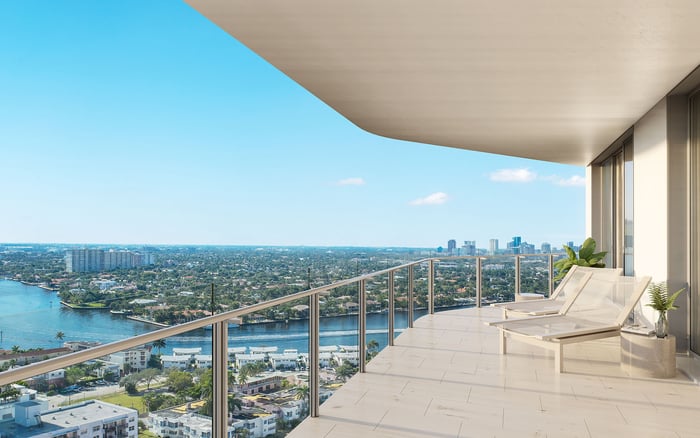
A disciplined 2026 framework for evaluating a Fort Lauderdale branded residence through lifestyle fit, boating practicality, carrying costs, governance, and resale logic.

The appeal of The Ritz-Carlton Residences® Fort Lauderdale is easy to understand: a branded residential proposition in a city where coastal living and boating culture can define the rhythm of ownership. The more exacting task is determining whether a particular residence, at a particular basis, suits how a buyer will actually live.
That distinction matters in 2026. Sophisticated buyers are not choosing an abstract brand, skyline view, or resort narrative. They are acquiring a defined interest governed by documents, recurring obligations, physical conditions, operating standards, and eventual resale dynamics. Brand recognition may heighten the appeal, but it cannot replace scrutiny.
For a Fort Lauderdale Beach buyer, the appropriate lens is both emotional and forensic. The residence should support the desired coastal routine while remaining intelligible as an asset. This is the central discipline of branded-residence ownership: appreciate the experience, then underwrite the structure beneath it.
Begin with the exact home, not the development in general. Exposure, elevation, sightlines, terrace usability, interior condition, privacy, elevator path, parking arrangement, storage, and proximity to shared spaces can materially shape daily satisfaction. Two residences at the same address may deliver markedly different experiences.
Next, identify what is included, what is shared, what carries a separate charge, and what remains subject to availability. With qualified advisers, buyers should review the governing documents, current budget, reserve information, insurance materials, meeting records, house rules, and any applicable management or service agreements. Particular attention should be paid to assessment authority, leasing restrictions, renovation procedures, pet rules, guest access, and the allocation of common expenses.
The essential question is not whether the service sounds desirable. It is whether the service model, cost structure, and owner controls align with the intended holding period. A second-home owner may value convenience differently from a full-time resident, while a buyer focused on resale should consider how future purchasers may interpret those same obligations.
Beach access and boating culture are related lifestyle themes, but they are not interchangeable property attributes. A buyer should test each routine independently.
For beach use, walk the complete route from the residence to the shoreline experience the buyer expects. Consider the elevator journey, lobby circulation, equipment storage, return route, guest logistics, and the practical handling of wet clothing or gear. The word oceanfront can describe a compelling context, but the lived experience still depends on the individual residence and its operating rules.
For boating, avoid assumptions based on a waterfront identity. Confirm the arrangement that applies to the buyer, whether it involves a deeded right, an assigned space, a separately contracted facility, or no boating right at all. Where applicable, counsel should review control, transferability, fees, dimensions, access rules, insurance responsibilities, waiting lists, and termination provisions. Vessel compatibility and route planning require separate professional verification.
This discipline protects the buyer from paying for a boating narrative that the acquired interest does not legally or practically deliver. It also keeps optional leisure spending distinct from the residence’s recurring economics.
A useful comparison set should answer the same lifestyle question in different ways. Four Seasons Hotel & Private Residences Fort Lauderdale and Auberge Beach Residences & Spa Fort Lauderdale allow a buyer to examine other branded coastal propositions without assuming that brand labels create equivalent ownership structures.
A buyer who places greater weight on boating culture can also consider St. Regis® Residences Bahia Mar Fort Lauderdale as a distinct point of comparison. Someone testing whether the beach is truly essential may introduce Sixth & Rio Fort Lauderdale to clarify the value assigned to a different urban setting.
The comparison should normalize asking price, expected closing costs, recurring charges, anticipated capital needs, parking and storage rights, included services, and renovation requirements. It should also compare the homes themselves: view durability, layout efficiency, privacy, condition, noise sensitivity, and ease of arrival. For readers consulting buyer’s guides, this functional approach is more revealing than ranking buildings by prestige alone.
Ownership discipline is most valuable before an offer is submitted. Define a total acquisition basis, a recurring annual carrying-cost range, and a reserve for near-term work. Establish which rights or approvals are essential and which are merely preferred. If a feature cannot be confirmed in writing, value the property without it until verification is complete.
Subject to advice from the buyer’s attorneys and other professionals, contract terms should preserve adequate time for legal, financial, insurance, physical, and association review. The objective is not to strip the purchase of pleasure. It is to ensure that enthusiasm attaches to what is actually being acquired.
A disciplined buyer can still choose atmosphere, service, and coastal ease. The difference is that those qualities sit within a clear ownership thesis: why this residence, why this basis, why this cost structure, and why this holding period.
What should a 2026 buyer verify first? Start with the exact residence, its legal interest, current condition, recurring obligations, and governing documents.
Does a luxury brand remove the need for due diligence? No. Branding and service may influence desirability, but buyers still need independent legal, financial, insurance, and physical review.
How should beach access be evaluated? Walk the actual route and assess storage, circulation, guest procedures, operating rules, and the return journey after beach use.
Does a waterfront setting guarantee boating rights? No. Any slip, access, assignment, membership, or related right should be confirmed in the controlling documents and contracts.
What boating details deserve special attention? Verify control, transferability, fees, dimensions, access, vessel compatibility, insurance duties, and any waiting-list provisions.
Which recurring costs should enter the analysis? Include association charges, service-related obligations, insurance, taxes, utilities, maintenance, and a prudent allowance for capital needs.
How should buyers compare branded residences? Compare legal structure, services, costs, rules, condition, privacy, layout, and lifestyle function rather than relying on brand recognition.
Why does the intended holding period matter? It frames tolerance for transaction costs, renovations, recurring expenses, and the uncertainty of future market conditions.
Should rental potential drive the purchase? Only after applicable documents, approvals, restrictions, costs, and operational realities have been reviewed by appropriate advisers.
What is the clearest sign of ownership discipline? The buyer can explain the acquisition basis, annual cost range, essential rights, principal risks, and exit logic without relying on aspiration alone.
For a tailored shortlist and next-step guidance, connect with MILLION.
If branded residences are on your mind — as a home or as an allocation — we would be glad to share what we are seeing, privately.
Begin a quiet conversation