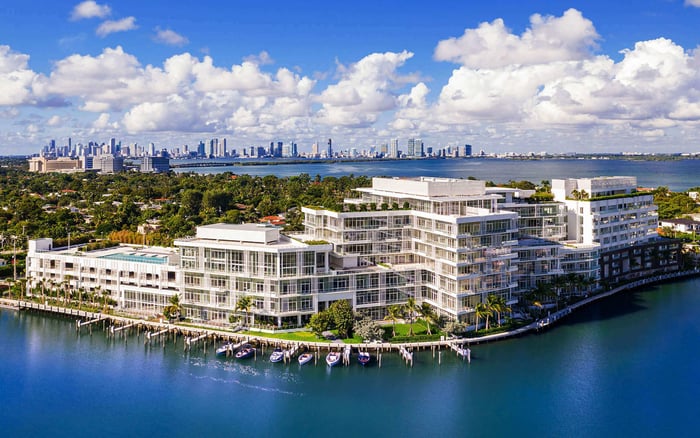
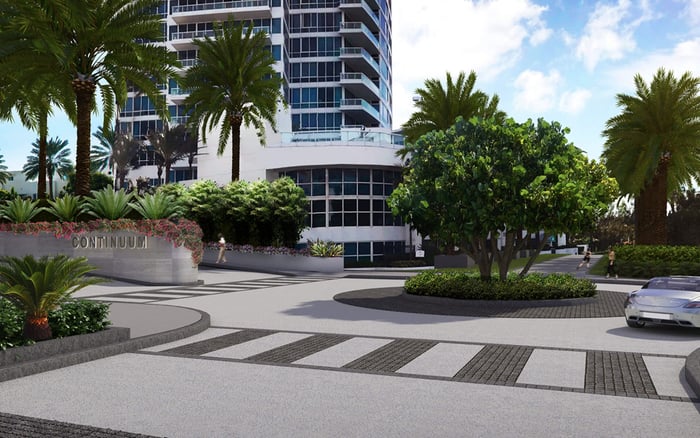
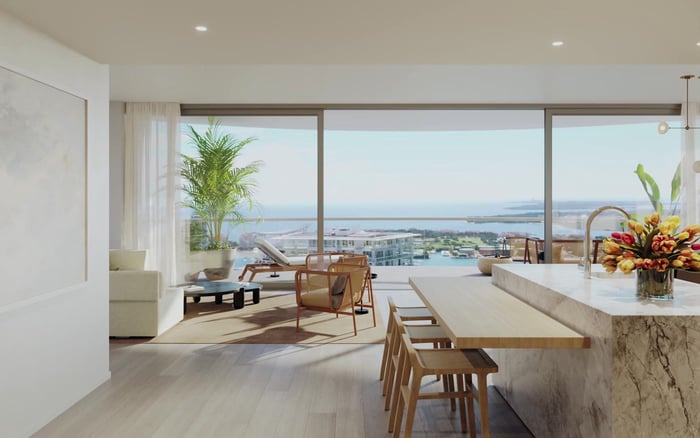
A buyer-focused look at how The Surf Club Four Seasons Surfside balances restored social glamour, Four Seasons service, oceanfront scale, and private residential calm.
At The Surf Club Four Seasons Surfside, the defining luxury is not simply ocean frontage, branded service, or historic pedigree. It is control. The property’s enduring appeal rests on how deliberately it manages two opposing desires: proximity to a legendary social address and the ability to retreat from it instantly.
That tension defines the Surfside compound. The Surf Club began in 1930 as an exclusive private social club founded by Harvey Firestone, conceived as a glamorous oceanfront gathering place just north of Miami Beach. Its mythology includes European royalty, Hollywood figures, industrialists, and political names, but its modern value is more nuanced. Today, the question is not whether the property can create a scene. It clearly can. The sharper question is whether residents can live above, beside, or within that energy without being consumed by it.
For the ultra-premium buyer, this is where The Surf Club Four Seasons Surfside separates itself from a conventional beachfront condominium. Its real estate proposition is not a single tower with amenities attached. It is a roughly nine-acre oceanfront environment with a restored historic clubhouse, hotel, residences, private club elements, restaurants, events, and a service culture designed to choreograph movement rather than broadcast access.
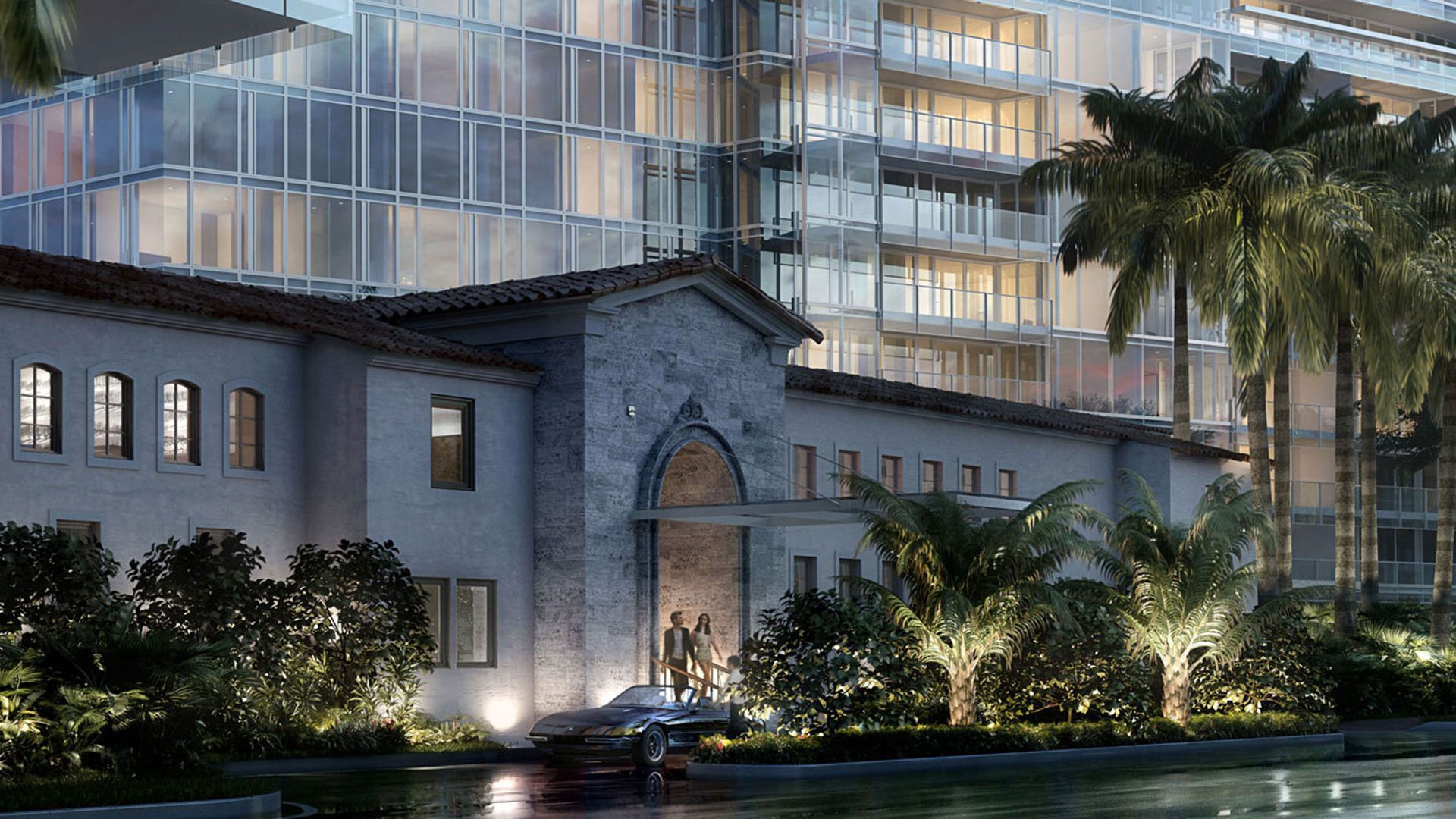
The restored clubhouse is the emotional anchor. Its Mediterranean Revival character gives the property an Old Florida identity that newer glass towers cannot manufacture on their own. Rather than replacing the site with a fully new-build scheme, the redevelopment preserved and restored the historic clubhouse, keeping the social memory of the address legible.
That decision matters for buyers because heritage is difficult to replicate in South Florida. Many luxury projects can deliver views, valet, pools, and polished interiors. Far fewer can offer a century-adjacent narrative with a physical building at the center of it. In Surfside, that narrative is not ornamental. It creates the property’s atmosphere, giving the hospitality areas a sense of arrival and continuity.
The scene, however, is not positioned as spectacle for spectacle’s sake. Public-facing programming, including restaurants, events, and club activity, helps preserve the property’s social energy without making the residential experience feel fully public. The best comparison is not a nightlife address. It is a private coastal campus where social life has an assigned place, a tone, and a threshold.
The newer construction changes the mood. The property includes three glass towers integrated with the historic Surf Club compound, with Richard Meier & Partners involved in the tower design and Kobi Karp Architectural Interior Design also part of the redevelopment team. Their role is not to compete with the clubhouse’s romance, but to give residents a cleaner, quieter framework for daily life.
This is the practical genius of the campus. The clubhouse carries the mythology. The towers carry the privacy. For residents, sanctuary is created through separation, orientation, controlled access, and service choreography. The Atlantic Ocean is to the east, Collins Avenue to the west, and the residential experience is shaped by how movement is filtered between those edges.
In buyer vocabulary, this is Surfside, Oceanfront, Branded Residences, Beach-access, and Design & Architecture operating as one value system rather than separate features. The attraction is not only that the beach is near, or that service is branded. It is that the daily path from arrival to residence, from residence to ocean, and from social areas back to private space can feel composed.
The Four Seasons alignment reinforces discretion. In this segment of the market, branding is not merely a logo on the porte cochere. It is an operating promise: consistency, service memory, quiet responsiveness, and a preference for refinement over theatricality.
That matters because the Surf Club could easily have tilted too far toward social intensity. Its history invites it. Its restored clubhouse supports it. Its location, between Bal Harbour to the north and Miami Beach to the south, places residents close to luxury retail, dining, nightlife, and culture while remaining outside South Beach’s densest tourist core. The brand helps keep the experience from becoming too loud.
For buyers comparing other high-service coastal addresses, the distinction is meaningful. Four Seasons Hotel & Private Residences Fort Lauderdale offers another version of branded beachfront living, while Surfside’s Surf Club adds a preserved private-club narrative that gives the experience a different cadence. It is less about arrival as display and more about access as privilege.
Surfside is central without being absorbed by Miami Beach’s busiest energy. The property sits just north of Miami Beach, with Bal Harbour close by, giving residents access to luxury shopping, restaurants, and cultural life without requiring them to live in the region’s most touristed corridor. That location is central to the sanctuary story.
This also explains why Surfside has become one of South Florida’s most closely watched luxury micro-markets. Nearby projects such as Arte Surfside and Fendi Château Residences Surfside show how the area appeals to buyers who want oceanfront presence with a more residential rhythm than the center of Miami Beach. Eighty Seven Park Surfside, set at the southern edge of the Surfside conversation, adds another design-led reference point for buyers who see this shoreline as a quieter alternative to more overtly urban addresses.
The Surf Club’s advantage is scale and composition. Roughly nine oceanfront acres allow the property to behave more like a compound than a standalone tower. That gives residents the sense of crossing into a controlled environment, not simply entering a lobby.
The Surf Club’s value proposition rests on scarcity, oceanfront scale, heritage architecture, branded service, and a controlled campus-like environment. Each ingredient matters, but the combination is what creates durability.
Scarcity comes from the site itself and from the restored clubhouse, which cannot be recreated by a new development launch. Oceanfront scale gives the property breathing room. The heritage architecture supplies emotional distinction. Four Seasons service adds operational reliability. The campus structure allows the social life of the property to exist without overwhelming the residential experience.
For a buyer, this means the decision is not only aesthetic. It is behavioral. Do you want a residence where energy is available but not unavoidable? Do you want a beachfront lifestyle where dining, service, and a club-like atmosphere are close, yet the home still feels protected? If so, the Surf Club model is one of South Florida’s clearest answers.
What is the central appeal of The Surf Club Four Seasons Surfside? Its appeal is the balance of a historic social setting with private, high-service residential living on the oceanfront.
When did The Surf Club begin? The Surf Club began in 1930 as an exclusive private social club founded by Harvey Firestone in Surfside.
Why is the restored clubhouse important? The clubhouse preserves the property’s Old Florida identity and gives the modern compound a heritage anchor that new construction alone could not provide.
How many towers are part of the property? The property includes three glass towers integrated with the historic Surf Club compound.
Who led the redevelopment? Fort Partners led the redevelopment into a Four Seasons-branded hotel, residences, and private club environment.
Is the property more social or private? It is designed to be both, with restaurants, events, and club activity supporting the scene while residential areas remain more controlled and secluded.
Why does the Surfside location matter? Surfside places residents between Bal Harbour and Miami Beach, close to luxury amenities while outside South Beach’s densest tourist core.
What does Four Seasons add to the residential experience? The brand reinforces discreet service, consistency, and refined luxury rather than overt spectacle.
What type of buyer is most aligned with this property? It suits buyers who want heritage, beachfront scale, service, and privacy in a controlled campus-like setting.
How should buyers compare it with newer luxury towers? Newer towers may offer strong design and amenities, but The Surf Club combines those expectations with rare historic identity and oceanfront scale.
For a confidential assessment and a building-by-building shortlist, connect with MILLION.
If branded residences are on your mind — as a home or as an allocation — we would be glad to share what we are seeing, privately.
Begin a quiet conversation