A serious Hillsboro Beach waterfront condo purchase is not just about the view. It depends on flood exposure, structural condition, insurance resilience, reserve funding, association governance, rental flexibility, and whether the building can support a 10- to 30-year ownership horizon.

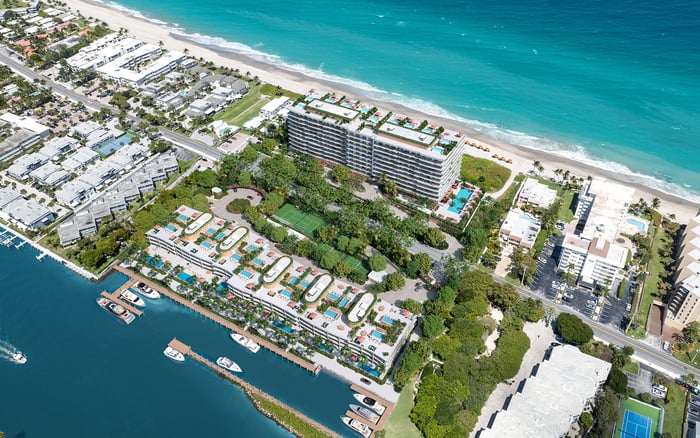
Hillsboro Beach occupies a rare piece of Broward coastline: a barrier-island town set between the Atlantic Ocean and the Intracoastal Waterway. That geography is the foundation of its appeal. It is also why a waterfront condo here demands unusual discipline. The same exposure that delivers sunrise, salt air, and a quiet residential setting also raises questions about flood risk, insurance, concrete, reserves, seawalls, and long-term governance.
For buyer-focused readers, the central question is not whether Hillsboro Beach is beautiful. It is whether a specific unit, in a specific building, with a specific association, can remain a strong waterfront and investment decision through multiple market cycles. Hillsboro Beach’s low-intensity residential character is part of the value proposition, especially compared with more commercial South Florida beach markets. But scarcity alone does not make every condo a serious long-term purchase.
The better test is whether the property can support a 10- to 30-year hold without relying on lifestyle emotion alone. That means looking past the balcony line, the lobby finish, and the immediate price per square foot.
Hillsboro Beach is not trying to behave like a dense resort district. Its appeal is quieter, more residential, and closely tied to the privacy created by its narrow coastal geography. A buyer comparing the town with nearby coastal addresses may naturally consider Rosewood Residences Hillsboro Beach as part of the conversation around modern luxury on this stretch of the barrier island.
That comparison is useful because long-term buyers should separate address quality from building quality. A premier coastal location can preserve demand, but it cannot cure weak reserves, repeated water intrusion, unresolved structural work, restrictive rental terms, or unstable insurance costs. In Hillsboro Beach, the strongest purchases are typically those where the oceanfront or Intracoastal setting is matched by conservative building management.
The same principle applies across the broader Broward coast. Nearby projects such as Armani Casa Residences Pompano Beach and The Ritz-Carlton Residences® Pompano Beach show how buyers increasingly compare coastal living not only by finish level, but also by building systems, service model, maintenance structure, and long-term ownership clarity.
A serious waterfront buyer should verify the property’s flood-zone designation and base flood elevation before estimating ownership costs. In a barrier-island setting, this is not a formality. Flood designation can affect insurance availability, premiums, lender requirements, renovation decisions, and resale conversations.
Buyers should also consider sea-level trends and local tide behavior as part of long-hold planning. These are not abstract environmental ideas when the asset is a coastal condominium. They can influence drainage, nuisance flooding, capital projects, master-policy pricing, and the association’s future budget. A building that appears elegant today may still require major planning if its site, garage, mechanical systems, seawall, or ground-floor areas are vulnerable.
This is where the difference between oceanfront romance and ownership reality becomes clear. A waterfront condo works best when the association has already been thinking like a long-term steward, rather than reacting only when conditions become urgent.
For older coastal condominiums, building age and inspection history are essential due-diligence items. A buyer should know whether inspections have been completed, whether follow-up work was identified, and how any required repairs will be funded.
This is especially important in salt-air environments. Concrete restoration, balcony work, waterproofing, roof systems, elevators, garage conditions, and window assemblies all deserve close attention. The question is not simply whether a building has needed work. Coastal buildings do need work. The more important question is whether the association identifies issues early, budgets honestly, communicates clearly, and executes repairs before deferred maintenance becomes a financial shock.
A well-maintained older building may be a more responsible long-term purchase than a prettier building with unresolved governance issues. Conversely, a recently renovated lobby should not distract from engineering reports, reserve schedules, or board minutes.
Association budgets, reserve funding, special assessments, and known capital projects should be reviewed carefully. A low monthly fee is not automatically attractive if it reflects underfunding. A higher fee is not automatically negative if it reflects insurance burden, staffing, amenities, reserves, and the realities of maintaining a coastal building.
Insurance deserves its own review. A serious buyer should examine both the unit’s insurance needs and the association’s master policy. Waterfront buildings can involve separate wind, flood, property, and liability exposures. Buyers should understand deductibles, coverage limits, renewal history, premium increases, and whether the association can absorb rising costs without repeated assessments.
This is where liquidity can be won or lost. Future buyers will ask the same questions. If a building can explain its reserves, insurance, inspection status, and capital plan clearly, it becomes easier to defend value when markets become more selective.
Association governance is one of the least glamorous and most important parts of a waterfront condo purchase. Buyers should review the declaration, bylaws, rules, budget, financial statements, recent meeting minutes, and disclosures. The minutes are often where the real story lives.
Look for recurring discussion of leaks, concrete work, elevator issues, roof repairs, seawalls, insurance renewals, litigation, owner delinquencies, and special assessments. A single capital project is not necessarily a red flag. A pattern of delay, vague budgeting, owner conflict, or repeated emergency action is more concerning.
The strongest waterfront buildings tend to operate with a culture of planning. They know what needs to be repaired, what it will cost, and how owners will fund it. That governance culture can matter as much as the view, because a poorly funded coastal building can turn a prestigious address into a high-assessment liability.
Even if the buyer has no intention of renting, rental flexibility should be reviewed. Minimum lease terms, approval procedures, rental caps, and owner-use restrictions affect fallback income potential and future buyer demand. A building with very restrictive rental rules may appeal to owners seeking quiet residential use, but that tradeoff should be priced consciously.
Exit liquidity also depends on the surrounding competitive set. A Hillsboro Beach buyer may compare the town’s quieter profile with Fort Lauderdale, Pompano Beach, Hallandale Beach, and other coastal markets. Those comparisons can frame a broader question: does the buyer want a more active amenity market, or a more discreet residential coastline?
Neither answer is universally better. The right long-term purchase is the one where lifestyle preference, building economics, and resale audience align.
Before committing to a Hillsboro Beach waterfront condo, the buyer should verify flood designation, base flood elevation, building age, inspection status, reserves, current budget, insurance structure, special assessments, rental rules, litigation, owner delinquency levels, and recent board discussions.
The buyer should also review public property records for ownership, assessed value, building age, parcel details, and tax history. Local code and zoning should be considered where use, parking, redevelopment, setbacks, seawalls, docks, or other waterfront constraints may affect the property.
A serious purchase is not anti-romance. It is the structure that allows the romance to last.
Is Hillsboro Beach a strong long-term condo market? It can be, especially because of its rare barrier-island setting and residential character. The deciding factor is the specific building’s condition, funding, governance, and risk profile.
What is the first document a waterfront buyer should review? Start with the condominium documents, current budget, financial statements, reserve information, and recent meeting minutes. These materials show how the association actually operates.
Why does flood-zone review matter so much? Flood designation and base flood elevation can affect insurance, lending, renovation planning, and future resale. They should be reviewed before estimating long-term ownership costs.
Are high monthly condo fees always a warning sign? No. Fees should be compared with insurance costs, reserves, amenities, staffing, building age, and capital needs rather than judged in isolation.
What should buyers look for in board minutes? Look for recurring leaks, concrete repairs, roof issues, elevator problems, seawall work, insurance renewals, litigation, assessments, and delinquencies. Repetition matters.
How important is insurance in a waterfront condo purchase? It is central. Buyers should understand both unit-level coverage and the association master policy, including wind, flood, property, liability, deductibles, and renewal pressure.
Do rental rules affect long-term value? Yes. Minimum lease terms, approval rules, and rental caps can affect liquidity, fallback income, and the future buyer pool.
Should older waterfront buildings be avoided? Not automatically. The key is whether inspections, maintenance, repairs, reserves, and capital planning are transparent and adequately funded.
What makes Hillsboro Beach different from busier beach markets? Its quieter residential character is a major part of its appeal. That privacy can support long-term value when matched with a well-managed building.
What is the best mindset for buying here? Treat the purchase as a 10- to 30-year ownership decision, not just a view-driven lifestyle move. The unit, building, association, and location all need to work together.
For a tailored shortlist and next-step guidance, connect with MILLION.
If branded residences are on your mind — as a home or as an allocation — we would be glad to share what we are seeing, privately.
Begin a quiet conversation