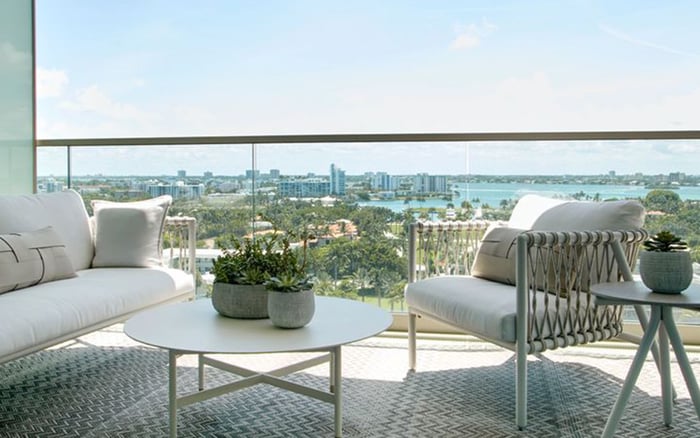
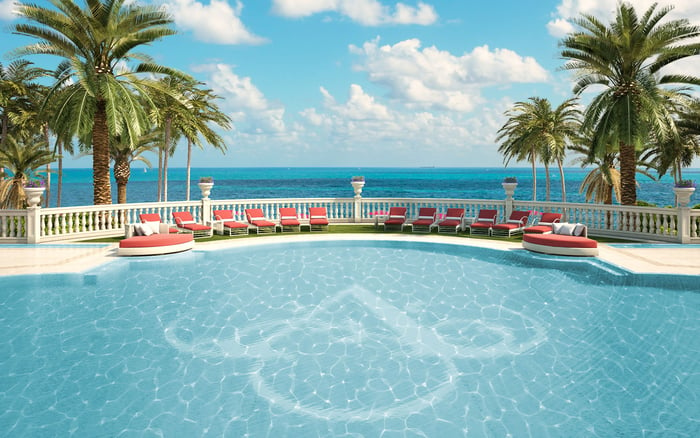
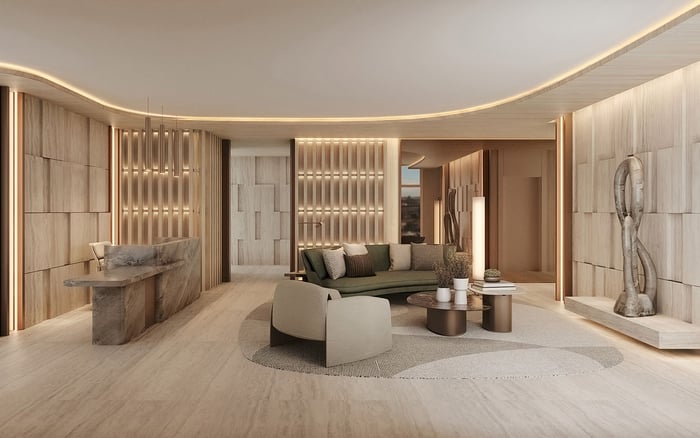
A discreet buyer-focused look at Oceana Bal Harbour, where oceanfront privacy, disciplined operations and a seasonal ownership rhythm shape one of Bal Harbour’s most residential luxury environments.
At the highest end of South Florida condominium living, the differentiator is often not spectacle. It is rhythm. Oceana Bal Harbour occupies a precise place in the market: a private, ultra-luxury coastal condominium in Bal Harbour, set oceanfront at the northern edge of Miami-Dade County, with a lifestyle proposition built around residential ownership rather than resort turnover.
That distinction matters. In Bal Harbour, buyers are not simply purchasing a view or a prestigious address. They are buying into a service culture that must hold its shape whether the building is quiet in the off-season or more active during peak winter months. At Oceana Bal Harbour, the appeal is tied to privacy, consistency of service and a controlled residential atmosphere, rather than the pulse of a resort corridor.
Oceana Bal Harbour is best understood as a residential environment with resort-style hospitality folded into the background. The key is restraint. The service model is not designed to announce itself at every turn. It is designed to remove friction from ownership, maintain order in common spaces and preserve the sense that residents are returning to a private coastal home.
That discipline is especially important for affluent global buyers and multi-home owners, who may use their residences seasonally or for partial-year occupancy. A building serving this audience must be ready when owners arrive, steady when they are away and consistent when guests or family members are in residence. The ownership rhythm is therefore less about constant visibility and more about reliability. Staff, amenities and association standards work together to create an atmosphere that feels prepared, polished and familiar.
Bal Harbour’s broader tone reinforces that sensibility. The neighborhood is restrained, private and service-forward, with a luxury-retail ecosystem close by but not a nightlife-driven identity. That makes the area appealing to buyers who want proximity to Miami’s advantages without importing the volatility of more entertainment-oriented districts.
The waterfront value of Oceana Bal Harbour begins with its direct coastal position. Yet the deeper premium is the combination of beach access, privacy and a low-friction daily routine. For many buyers, the ocean is not merely a view corridor. It is the organizing principle of daily life, from morning walks to quiet afternoons at home to hosting family in a setting that feels composed rather than performative.
Bal Harbour adds another layer. The village has long appealed to residents who prefer discretion over nightlife density. Its established retail core gives owners access to luxury shopping and dining without requiring every outing to cross into busier urban districts. That proximity supports a lifestyle in which errands, leisure and entertaining remain elegant and compact.
This is why comparisons within the northern Miami Beach and Surfside corridor often focus less on raw amenity count and more on atmosphere. A buyer considering Rivage Bal Harbour may be weighing the same underlying question: how much privacy, control and service consistency does the building culture support? The answer is rarely found in a single feature. It is found in how the property behaves over time.
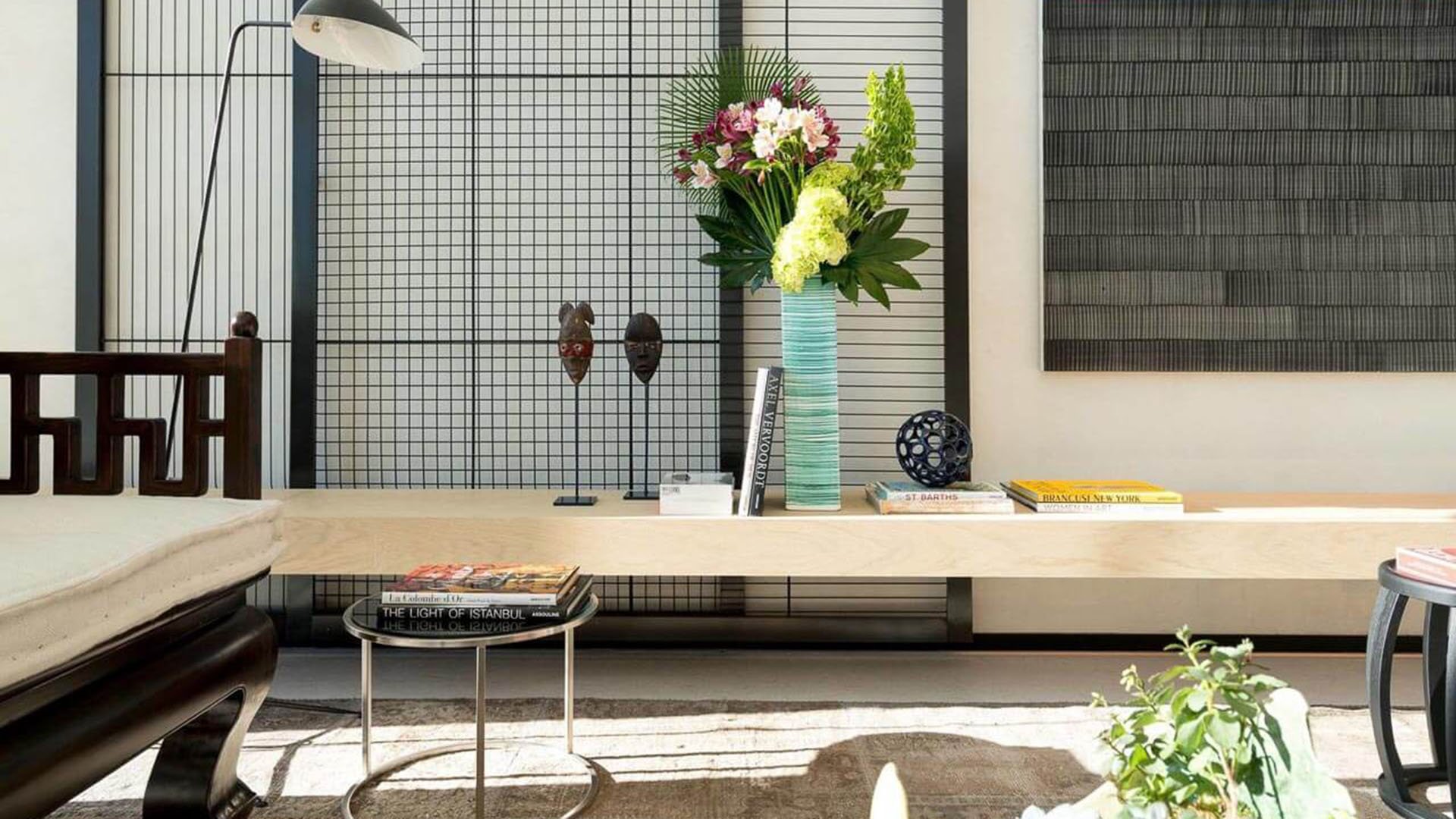
Oceana Bal Harbour’s identity includes museum-grade art as part of its luxury positioning, an important signal in a market where visual culture and residential prestige often intersect. Art in this context is not simply decorative. It shapes arrival, reinforces permanence and gives the building a cultivated tone that separates it from generic coastal luxury.
Equally important is the operating style. A disciplined residential building depends on strong association standards, clear expectations and an emphasis on order. This is where luxury becomes practical. Owners want common areas to feel composed, amenities to remain curated and the building’s energy to stay residential even during periods of higher seasonal demand.
That quiet, club-like feel can be one of the strongest ownership benefits. It protects the experience for residents who value privacy, and it supports long-term confidence for those evaluating resale positioning. In ultra-premium condominiums, buyers often look beyond finishes to assess whether the building has a stable culture. When service and standards are aligned, the residence can feel easier to own.
Oceana Bal Harbour sits within a broader coastal sequence that includes Surfside, Miami Beach and Sunny Isles Beach, each with its own tone. Surfside tends to attract buyers who like understated luxury and a village-like pace. Miami Beach offers a wider range of architectural and cultural energy. Sunny Isles Beach is known for a skyline of large-scale oceanfront towers.
For buyers who want a quieter residential mood, nearby comparisons may include The Delmore Surfside and The Surf Club Four Seasons Surfside, both of which sit within the same broader conversation about privacy, coastal prestige and service. The comparison is not about declaring one product superior. It is about matching a buyer’s tolerance for activity, scale and social visibility.
Oceana’s specific appeal is its controlled residential atmosphere in Bal Harbour itself. It blends resort-style hospitality with private ownership, yet avoids feeling like a transient resort model. That balance can be especially attractive for owners who divide time among multiple homes and want their South Florida residence to feel intuitive from the moment they arrive.
For the right buyer, Oceana Bal Harbour is less about chasing novelty and more about securing a refined ownership cadence. The building’s lifestyle is shaped by privacy, art, service and discipline. Its seasonal rhythm is a feature rather than a flaw, because the property is designed to remain composed as occupancy patterns shift through the year.
The strongest fit is an owner who values direct oceanfront living, expects the building to operate with consistency and prefers Bal Harbour’s restrained residential tone to the more public energy of nightlife-driven Miami districts. In that context, Oceana Bal Harbour functions as a private coastal base, one where the luxury is not only what is visible, but what is quietly handled.
What defines Oceana Bal Harbour’s service culture? It is defined by privacy, consistency and a curated residential operating style that supports low-friction ownership.
Is Oceana Bal Harbour more residential or resort-like? It blends resort-style hospitality with private condominium ownership, but its rhythm is more residential than transient.
Where is Oceana Bal Harbour positioned in South Florida? It is positioned on an oceanfront site in Bal Harbour, at the northern edge of Miami-Dade County.
Who is the typical ownership profile? The building is oriented toward affluent global buyers, including multi-home owners and seasonal residents.
Why does seasonal occupancy matter here? Seasonal and partial-year use shapes staffing expectations, amenity demand and the need for consistent building standards.
Does art play a role in the building’s identity? Yes. Museum-grade art is part of the property’s luxury positioning and contributes to its cultivated atmosphere.
How does Bal Harbour differ from nightlife-driven districts? Bal Harbour offers a quieter, more controlled residential tone while remaining close to established luxury retail.
What should buyers evaluate beyond the residence itself? Buyers should evaluate service consistency, association standards, privacy and how the building feels during busy seasons.
Is Oceana Bal Harbour suitable for second-home ownership? Yes. Its low-friction ownership proposition is well suited to second-home buyers who value readiness and discretion.
Why does resale confidence depend on building culture? In ultra-luxury condominiums, buyers often value stable service, order and privacy as much as design or views.
When you're ready to tour or underwrite the options, connect with MILLION.
If branded residences are on your mind — as a home or as an allocation — we would be glad to share what we are seeing, privately.
Begin a quiet conversation