A discreet buyer’s guide to weighing globally recognized branded residences against quieter neighborhood authenticity in Edgewater, with emphasis on lifestyle, design, and long-term ownership fit.
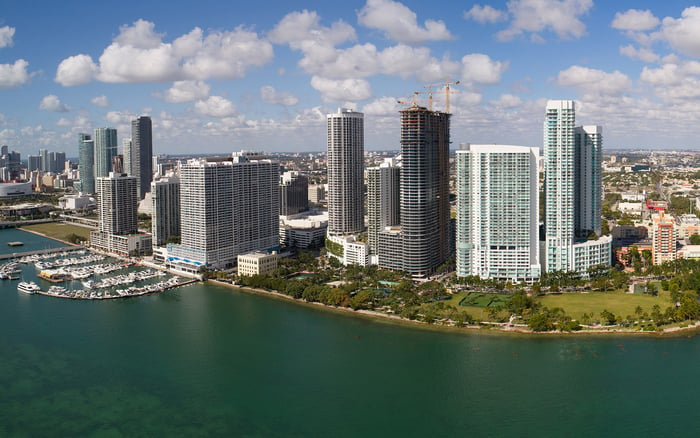
Edgewater has become one of Miami’s most revealing tests of taste. For some buyers, the appeal is immediate: a recognizable name, a polished arrival sequence, and the confidence that comes with global brand cachet. For others, the attraction is more personal. They want the ease of a bayfront neighborhood, a quieter daily rhythm, and a residence that feels connected to place rather than defined by a label.
That tension is not a contradiction. It is the central question for luxury buyers in Edgewater today. Should the decision begin with the security of a globally legible residential brand, or with the authenticity of a neighborhood that still feels residential, intimate, and connected to the water?
The answer depends less on abstract prestige than on how the owner intends to live. A primary resident, a seasonal user, and a long-horizon investor may all look at the same building and see different strengths.
Branded Residences can be compelling because they reduce ambiguity. A known name gives buyers an immediate design and service vocabulary. Even before stepping into a residence, the owner has a sense of what the experience is meant to communicate: polish, consistency, hospitality, and a curated standard of living.
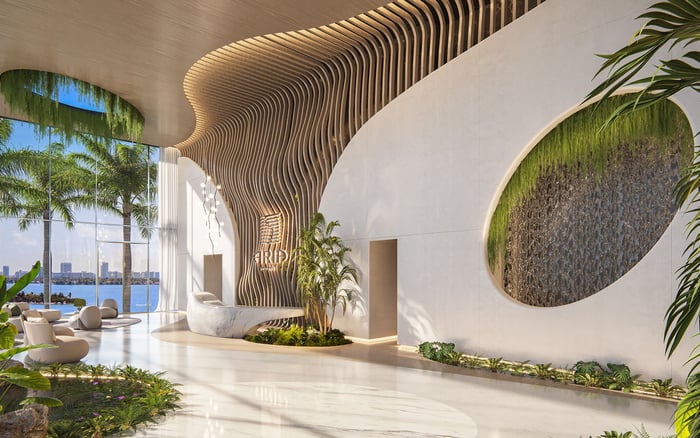
In Edgewater, that can matter. The neighborhood appeals to buyers who want Miami’s energy without the constant intensity of a more overtly commercial district. A strong brand can add another layer of confidence within that setting. It can clarify expectations around lobbies, amenities, finishes, service culture, and the feeling of being received rather than merely entering a condominium.
That is why a project such as EDITION Edgewater speaks to buyers who want a hospitality-inflected residential experience without leaving the bayfront context. The brand is not simply a name; it is shorthand for mood, tone, and anticipated daily ease.
For international buyers, brand cachet can also make the purchase easier to understand from afar. A recognized name travels well. It can help frame the residence for family members, advisors, and future buyers who may not know the subtleties of individual Miami neighborhoods.
Authenticity is harder to package, but often more durable in daily life. It is the feeling of liking where you are at 8 a.m., not only when guests arrive for dinner. It is the pleasure of a familiar route, a preferred coffee ritual, proximity without overexposure, and the ability to live in Miami with discretion.
Edgewater’s appeal is especially strong for buyers who want a Waterfront setting but do not want home to feel like a resort performance at all times. In that context, authenticity is not the opposite of luxury. It is a different expression of it.
A buyer drawn to The Cove Residences Edgewater may be thinking less about global recognition and more about how the building fits a daily pattern. That distinction matters. The most successful purchase is rarely the one that impresses most on paper. It is the one that continues to feel right after the novelty has settled.
This is where Boutique thinking enters the conversation. A more personal residential environment can appeal to buyers who prefer discretion over spectacle, proportion over scale, and a sense of neighborhood belonging over broad market visibility.
The best way to evaluate the brand-versus-authenticity question is to walk through an ordinary day. How does the residence feel when arriving alone? How does it function when hosting? Does the amenity program support actual habits, or does it simply photograph well? Is the service posture warm, formal, understated, or highly choreographed?
A branded building can be ideal for buyers who want predictability. There is comfort in knowing the environment has been designed to deliver a particular standard. But buyers should still ask whether that standard aligns with their personality. A brand that feels glamorous to one owner may feel too visible to another.
Conversely, a neighborhood-forward building may offer a more relaxed relationship with the city. The tradeoff is that the buyer must be more confident in personal judgment. Without the immediate shorthand of a global name, the decision may rest more heavily on architecture, views, floor plan, finishes, and the intangible quality of the address.
That is why Villa Miami can enter the conversation for buyers who want a strong identity, while still considering how that identity interacts with Edgewater’s evolving residential character. The key is not whether a project is branded or unbranded. The key is whether the identity supports the way the owner wants to live.
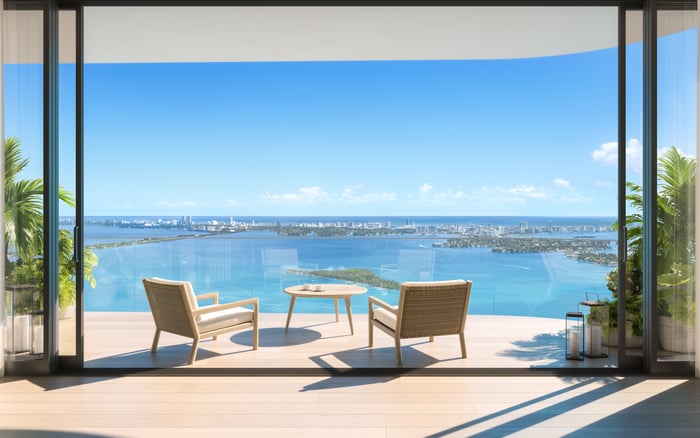
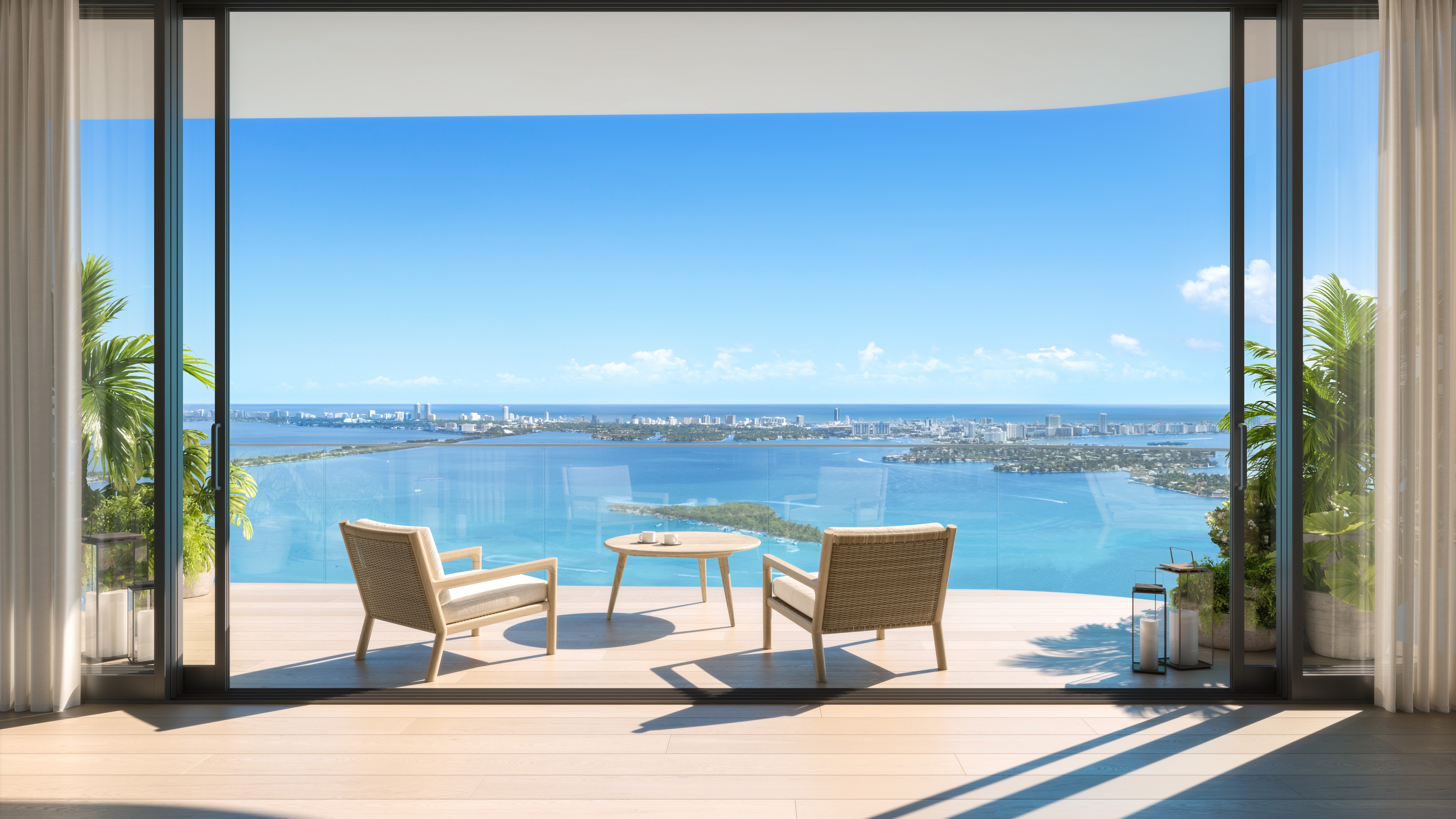
In Edgewater, the emotional pull of water is difficult to separate from the purchase decision. Waterview considerations often become more than a line item. They shape the mood of the residence, the quality of morning light, the atmosphere of entertaining, and the sense of retreat at the end of the day.
A buyer choosing between brand cachet and authenticity should therefore ask a simple question: if the name were removed, would the residence still feel compelling? Strong views, intuitive layouts, and a calm relationship to the waterfront can sustain satisfaction long after a marketing campaign has faded.
That does not diminish the value of a recognized brand. It simply puts the brand in its proper place. The name should amplify the real estate, not compensate for weaknesses in the living experience.
For buyers considering Aria Reserve Miami, the broader question is how vertical living, water orientation, and neighborhood access come together as a complete ownership proposition. In Edgewater, the right answer is rarely just about prestige. It is about emotional fit.
The globally mobile buyer may benefit from brand cachet. If the residence will be used seasonally, shared among family members, or evaluated partly through a long-term resale lens, a widely understood identity can be useful. It can simplify the story.
The primary resident may place greater weight on authenticity. This buyer will notice the quieter details: elevator rhythm, lobby tone, parking ease, acoustics, neighborhood convenience, and whether the building feels gracious on an uneventful Tuesday.
The design-driven buyer should focus on cohesion. A brand name, a celebrated architect, or a fashionable amenity is only as strong as the complete residential experience. Luxury is not a collection of impressive parts. It is the discipline of making those parts feel inevitable.
The privacy-oriented buyer should be especially careful. Some forms of cachet attract attention. Others create a protective envelope. The difference matters, particularly for owners who value discretion as highly as finish level.
In Edgewater, the decision changes because the neighborhood itself has enough character to compete with the brand story. A buyer does not need to choose between prestige and place as opposing values. The more refined approach is to identify which value should lead.
If the owner wants a globally recognizable lifestyle platform, brand cachet may be the right anchor. If the owner wants a more intimate connection to Miami’s bayfront residential rhythm, neighborhood authenticity may provide the deeper satisfaction. The strongest purchases are often the ones where both are present, but one clearly supports the other.
For the ultra-premium buyer, the question is not which option is more luxurious. It is which option will still feel intelligent, personal, and beautifully calibrated years from now.
Is a branded residence always the safer choice in Edgewater? Not always. A brand can add confidence, but the residence still needs the right view, layout, service tone, and lifestyle fit.
What does neighborhood authenticity mean for a luxury buyer? It means the home feels connected to daily life, not just presentation. Privacy, rhythm, proportion, and local ease all matter.
Should seasonal buyers prioritize brand cachet? Often, yes. A recognized identity can make ownership simpler to understand, especially for buyers who use the residence intermittently.
Do primary residents evaluate Edgewater differently? Yes. Primary residents tend to notice daily function more intensely, from arrivals and noise levels to building culture and convenience.
Can an unbranded building still feel ultra-luxury? Absolutely. Architecture, privacy, finishes, views, and service execution can create luxury without relying on a global name.
Why is water orientation so important in Edgewater? Water shapes the emotional experience of the home. It affects light, atmosphere, entertaining, and the sense of retreat.
Are branded residences better for resale? They can help tell a clearer story, but resale also depends on the specific residence, building quality, timing, and buyer demand.
How should privacy influence the decision? Buyers who value discretion should study the building’s scale, arrival sequence, amenity culture, and overall visibility.
Is Boutique living a disadvantage compared with larger branded towers? Not necessarily. Boutique environments can offer intimacy and calm, which some buyers consider more valuable than broad recognition.
What is the best way to shortlist comparable options for touring? Start with location fit, delivery status, and daily lifestyle priorities, then compare stacks and elevations to validate views and privacy.
For a tailored shortlist and next-step guidance, connect with MILLION.
If branded residences are on your mind — as a home or as an allocation — we would be glad to share what we are seeing, privately.
Begin a quiet conversation