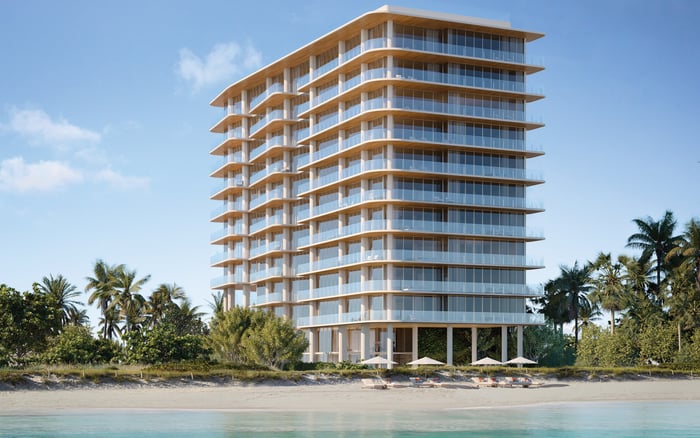
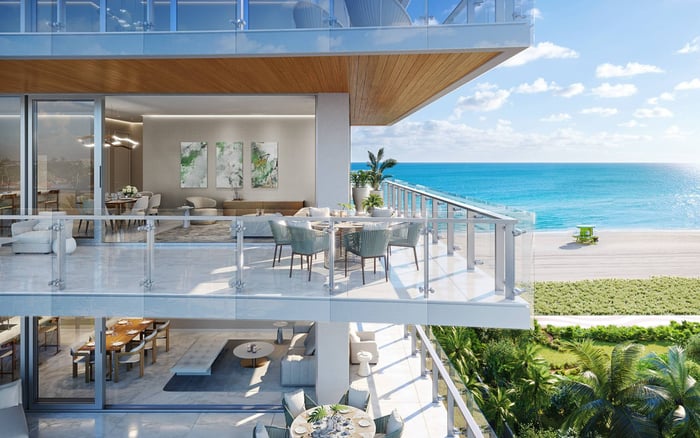
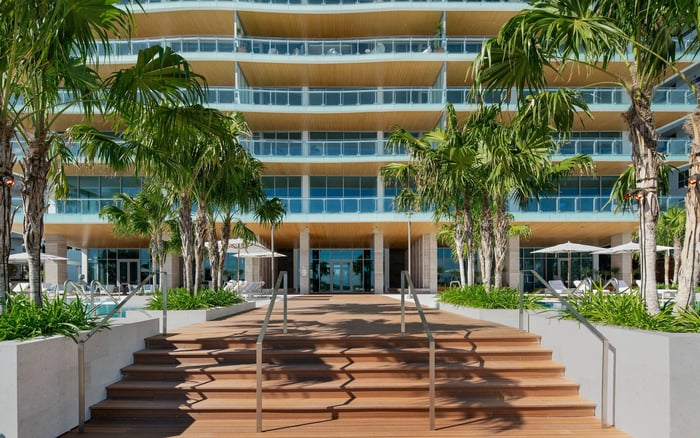
A discreet look at how The Surf Club Four Seasons Surfside balances private residential living with Four Seasons hospitality for owners who entertain at scale without wanting a hotel atmosphere at home.
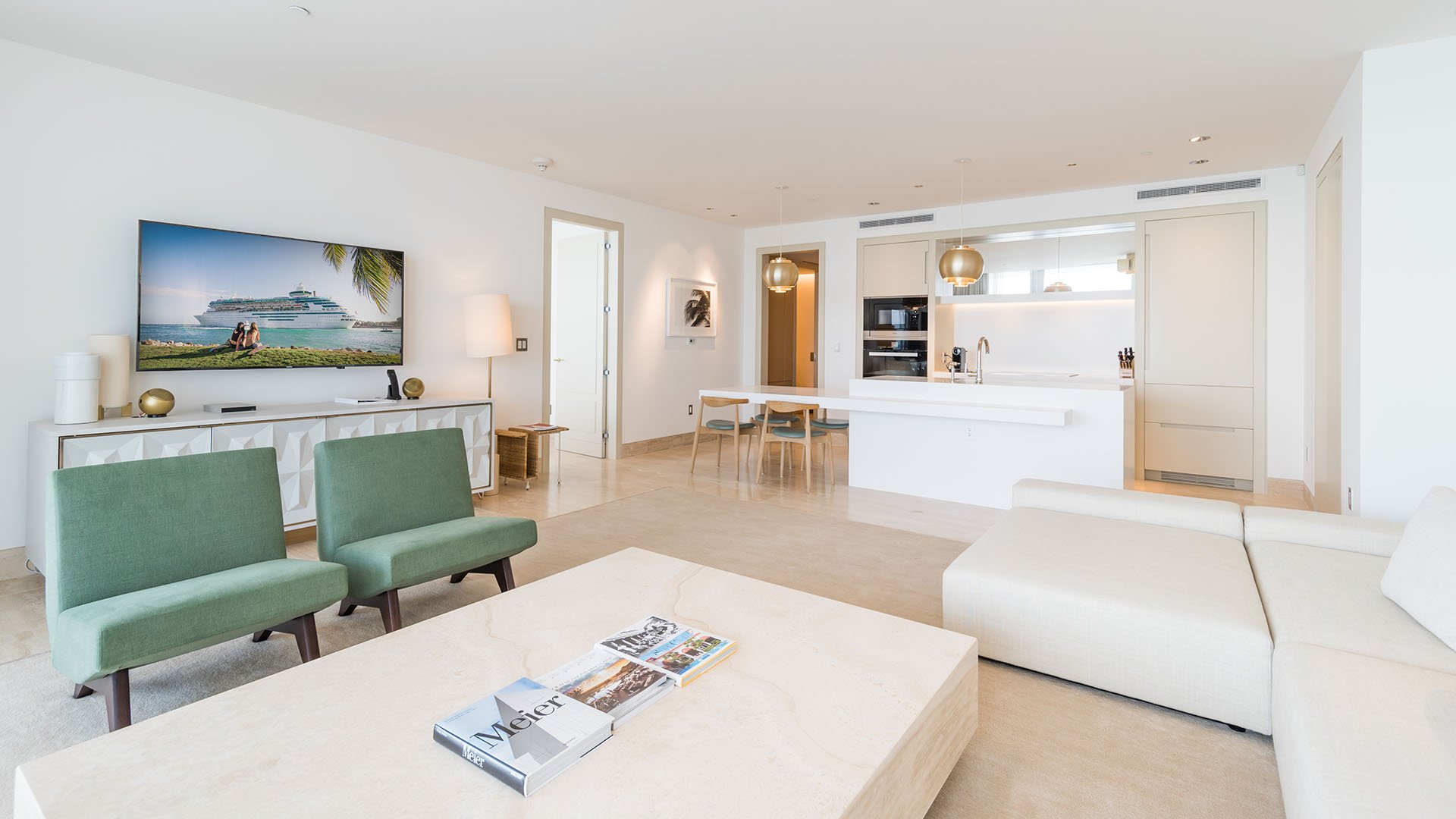
The appeal of The Surf Club Four Seasons Surfside is not simply that service is available. It is that service is designed to recede. For ultra-high-net-worth owners, the most valuable hospitality is often the least theatrical: catering that arrives coordinated, concierge support that feels anticipatory, beach amenities that require no managerial effort, and event support that does not turn a private residence into a public lobby.
That distinction matters in Surfside, where the buyer often wants the privileges of a luxury resort without surrendering the psychological calm of home. The property is positioned as a hybrid between a luxury resort and a private residential enclave, but its residential strength depends on keeping those identities carefully separated. Owners want the Four Seasons standard close enough to be useful, yet far enough away that daily life remains private, quiet and personally controlled.
For many South Florida buyers, entertaining is not occasional. It may include family gatherings, philanthropic dinners, private business conversations, wellness weekends, beach days and extended seasonal hosting. The challenge is not gaining access to a dining room or a pool. The challenge is orchestrating hospitality without making the home feel staffed, staged or overrun.
The Surf Club model answers that tension directly. Resident-facing hospitality includes catering, event coordination, concierge services, wellness support and beach amenities, but the more important point is how those functions are meant to operate: high-touch support, low visibility. The ideal result is a dinner that feels effortless to guests and still feels like home to the owner the next morning.
This is where Surfside differs from louder resort environments. A private dinner can be supported, a guest arrival can be handled, and a beach day can be prepared without pushing residents through the emotional experience of hotel circulation. The owner remains the host. The service platform remains the infrastructure.
The Surf Club began as an elite private beach and social club rather than a conventional hotel. That origin still defines the property’s appeal. Its historic club culture prioritized discretion, exclusivity and controlled access, creating a setting for socializing, entertaining and business networking away from busier Miami Beach areas.
In today’s luxury market, that heritage reads as more than nostalgia. It functions as a privacy strategy. Historical preservation, architectural separation, service protocols and residential governance all contribute to the sense that the property is managed around residents, not transients. The original architectural language of low-rise pavilions and cabanas also reinforces a club-like atmosphere instead of a single grand hotel lobby connected to guest-room corridors.
For buyers comparing Surfside options, that DNA is important. Arte Surfside and Fendi Château Residences Surfside also speak to a desire for highly private oceanfront living, yet The Surf Club Four Seasons Surfside is particularly defined by the balance between private-club intimacy and branded hospitality. It is not just about having amenities. It is about controlling how, when and where those amenities enter the residential experience.
Branded Residences succeed when the brand improves ownership without overwhelming it. The most refined version of branded living does not ask residents to perform resort life every day. It gives them access to a service culture when they need it, while allowing the residence itself to remain domestic, personal and protected.
That is why the architecture of separation matters. The complex is described through smaller, more domestic-scale structures rather than as one large hospitality machine. This fragmented composition helps reduce the sense of institutional living. Residents can enjoy resort-level support without feeling that their home is merely an extension of a hotel corridor.
The comparison is useful across South Florida. Buyers looking at Four Seasons Residences Coconut Grove may be drawn to a different neighborhood rhythm, but the same core question appears: does the brand enhance privacy, or does it create activity that must be managed? At the top of the market, service alone is not enough. Service must be disciplined.
An Oceanfront residence carries its own social gravity. Guests want to come. Family tends to stay longer. Seasonal calendars become more fluid. The home must absorb more moments without losing its core sense of retreat.
At The Surf Club, the entertaining advantage is the ability to support larger-scale hosting while preserving discretion, control and domestic calm. Catering and event coordination can expand the owner’s hosting capacity, while wellness support and beach amenities extend the day beyond a formal meal. The best version of this lifestyle does not feel like outsourcing taste. It feels like protecting the host’s attention.
That distinction is especially relevant for buyers who could choose several forms of luxury living. A penthouse with dramatic views may impress, but a residence with a mature service culture can make life easier over years of ownership. For some, the more important question is not how a property photographs, but how gracefully it handles a full house, a last-minute guest or a weekend that moves from breakfast to beach to dinner.
Lifestyle is often treated as a soft word, but in this category it is highly practical. It means the home supports how the owner actually lives. At The Surf Club, that means a residential setting that can host elegantly, recover quietly and preserve social boundaries.
This is the buyer who may appreciate the energy of Miami Beach but does not want a daily hotel atmosphere. They may entertain frequently but dislike visible operational friction. They may want the reassurance of a globally recognized service culture without feeling observed by it. For that buyer, discretion is not an amenity. It is the condition that makes every other amenity usable.
The broader branded market offers many expressions of service-led ownership, from beach-oriented residences to urban hospitality towers. The Ritz-Carlton Residences® Miami Beach represents another approach to private branded living, but the Surf Club’s particular strength is its inheritance of club etiquette. It begins from controlled access and private social life, then layers hospitality around that premise.
The question is not whether The Surf Club Four Seasons Surfside has service. The question is whether its service model matches the owner’s temperament. Buyers who value constant visibility, social energy and hotel-like animation may prefer a more overtly resort-driven environment. Buyers who want quiet orchestration, residential separation and private entertaining support will understand the premium.
Due diligence should focus on how the property feels during arrival, guest movement, amenity use and private events. The right residence should make hospitality feel available rather than ambient. It should allow owners to entertain with confidence while keeping the daily rhythm of the home intact.
What makes The Surf Club Four Seasons Surfside different from a conventional hotel residence? Its appeal lies in combining Four Seasons-level hospitality with the feeling of a private residential enclave, rather than a hotel-like daily environment.
Is the property designed for owners who entertain often? Yes. Its service model supports catering, event coordination and guest-facing needs while preserving discretion and residential calm.
Why does the original private-club history matter? The Surf Club originated as an elite beach and social club, which helps explain its emphasis on controlled access, privacy and low-visibility service.
Does the service model feel intrusive? The intended philosophy is attentive support without visible intrusion, allowing owners to remain in control of the hosting experience.
What amenities are most relevant to entertaining? Catering, event coordination, concierge support, wellness services and beach amenities are central to the property’s hosting advantage.
How does architecture support privacy? Smaller-scale structures, pavilions, cabanas and separated components help avoid the feel of one large hotel lobby and corridor system.
Who is the ideal buyer for this type of residence? It suits buyers who want resort-level support, strong privacy and a home environment that does not feel publicly activated.
Is Surfside part of the appeal? Yes. Surfside offers proximity to Miami Beach energy while supporting a quieter, more residential coastal experience.
How should buyers evaluate service-led residences? They should consider whether service improves daily life without creating noise, traffic or a constant hotel atmosphere.
Is this mainly about amenities or lifestyle? It is about both, but the defining value is how amenities are governed so the owner’s Lifestyle remains private and composed.
For a confidential assessment and a building-by-building shortlist, connect with MILLION.
If branded residences are on your mind — as a home or as an allocation — we would be glad to share what we are seeing, privately.
Begin a quiet conversation