A discreet buyer’s guide to evaluating high-floor wind behavior in Fisher Island residences, with practical questions for terraces, glazing, doors, noise, inspections, and contract protection.
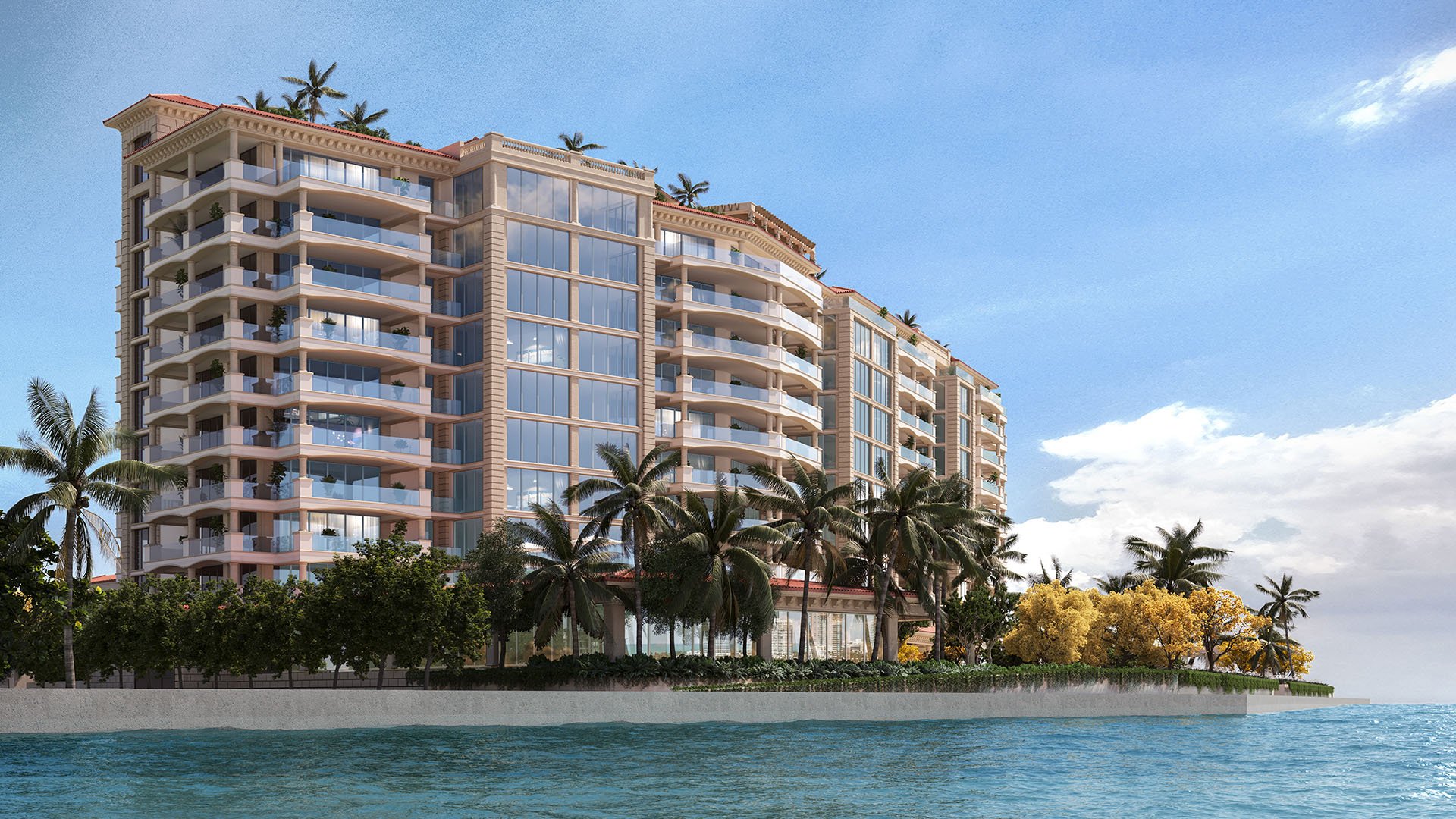
On Fisher Island, the high-floor residence is often bought for its most cinematic qualities: open water, privacy, horizon lines, and a sense of separation from the mainland. Yet the same elevation and exposure that make a home feel exceptional can also shape how it lives every day. Wind is not only a storm-season consideration. It can influence terrace comfort, door operation, sound, furnishings, planting, and the simple pleasure of stepping outside with coffee at sunrise.
For a luxury buyer, the question is not whether a building was designed for its environment. The sharper question is how the specific residence behaves in the conditions that matter to your lifestyle. A corner home, a penthouse, a deep terrace, a more sheltered exposure, and a waterfront orientation can all feel different. Due diligence should be refined enough to distinguish code compliance, building performance, and personal comfort.
This is particularly relevant for buyers comparing established Fisher Island addresses with newer offerings such as The Residences at Six Fisher Island, where design, privacy, and outdoor living are often evaluated as a single proposition.
“High floor” is an incomplete description. Before focusing on elevation alone, ask how the residence is oriented. Which rooms and terraces face the prevailing open-water exposure? Is the outdoor space protected by building mass, adjacent wings, screens, overhangs, or landscaping below? Does the residence sit on a corner where wind can accelerate around the façade, or does it occupy a more recessed position?
Stand on every outdoor area, not only the principal terrace. A secondary balcony off a bedroom may behave very differently from the main entertaining terrace. Doors, thresholds, and corners should be observed as part of the same experience. If a residence has multiple outdoor zones, each deserves to be treated as its own microclimate.
Buyers should also ask whether wind comfort differs between morning, afternoon, and evening. A terrace that feels calm during a still midday showing may feel notably different when sea breezes build. Practical observations from daily operations can help frame a more informed second visit.
In a high-floor waterfront home, glass is both architecture and infrastructure. Ask what type of exterior glazing and door systems are installed, how they are maintained, and whether records exist for recent inspections, repairs, or adjustments. The goal is not to become an engineer during a showing. It is to understand whether the envelope has been cared for with the seriousness a waterfront residence deserves.
Relevant questions include: Do sliding doors latch smoothly without excessive force? Are there signs of air movement, whistling, vibration, or water staining around frames? Have gaskets, rollers, tracks, or seals been replaced? Are there known service items affecting a particular line of units or exposure? If the residence is furnished, ask whether rugs, drapery, or built-ins obscure areas that should be examined.
This inquiry is just as important when considering established residences such as Palazzo del Sol or Palazzo della Luna, where maintenance quality, records, and owner stewardship can be as meaningful as the original design intent.
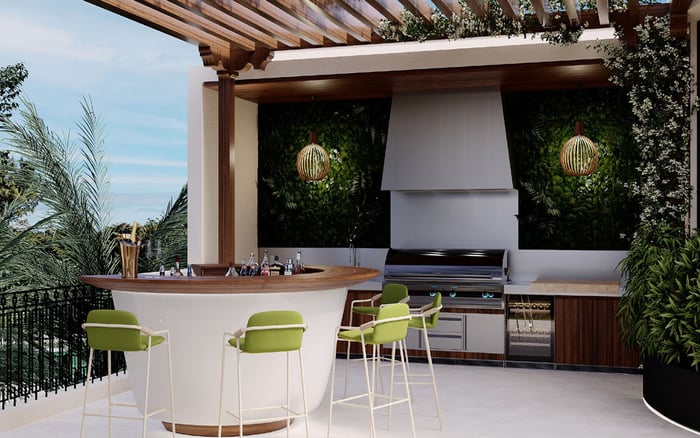
The most valuable outdoor space is not always the largest. It is the space that can be used consistently and comfortably. Ask how often the terrace is usable for dining, lounging, planting, and entertaining. If outdoor furniture is already in place, look for practical clues: weighted pieces, protected corners, low-profile planters, secured accessories, and weather-conscious layouts.
For buyers who entertain, wind behavior should be discussed in operational terms. Can candles, table settings, and service pieces remain stable? Is the grill area, if applicable and permitted, positioned comfortably? Are doors easy to open when guests move between interior and exterior spaces? Is there enough sheltered depth near the interior wall to create a more usable outdoor room?
The phrase “high floor” can suggest glamour, but the lived experience is more nuanced. A slightly lower or more sheltered residence may offer more outdoor hours, while a higher home may deliver the broader view. The right answer depends on whether the priority is visual drama, all-season terrace life, or a balance of both.
Wind comfort is not limited to the terrace. Inside the residence, listen for tonal whistling, intermittent rattles, or vibration near balcony doors, mullions, mechanical closets, and operable panels. A quiet interior is a core luxury expectation, especially in a waterfront home designed around calm.
Ask whether any owner has reported recurring noise in specific wind conditions. Ask whether standard procedures exist for door adjustments, façade maintenance, or post-storm inspections. If a sound appears during a showing, do not dismiss it as seasonal. Request that it be identified and, where appropriate, addressed before closing.
It is useful to visit at least twice, ideally under different weather conditions. A serene morning, a breezier afternoon, and an evening with changing temperatures can reveal different things about comfort and sound. If access is limited, ask your representative to schedule the inspection window with wind behavior in mind, rather than treating it as a purely mechanical review.
A sophisticated offer should convert impressions into written diligence. Ask for association documents, alteration rules, terrace-use rules, maintenance obligations, and any disclosures related to exterior doors, windows, railings, shutters, screens, or façade work. If the residence includes custom exterior features, confirm whether they are approved, maintained by the owner, or subject to association control.
For new or recently completed residences, ask what warranties apply to exterior systems and how service requests are handled. For resale homes, ask whether repairs have been completed, whether invoices are available, and whether any warranties transfer. If a terrace condition is central to the purchase decision, include specific language in the inspection and closing process rather than relying on verbal assurances.
Buyers considering more estate-like privacy on the island, including The Links Estates at Fisher Island, should apply the same discipline to outdoor exposure, openings, roof terraces, gardens, and sheltered entertaining areas. Wind behavior is not only a tower question. It is a lifestyle question.
Before committing, ask these practical questions: Which exposures are most wind-sensitive? Are there owner or association records for exterior door and window maintenance? Have there been recurring complaints about noise, vibration, or operability? Are terrace furnishings required to meet association standards? Are screens, shades, or wind-mitigation elements allowed? Who is responsible for repairs to tracks, seals, hardware, railings, and drains?
Then test the home as you intend to live in it. Open and close every exterior door. Walk the entire terrace perimeter. Sit in the dining area, not only near the view. Stand beside corners and railings. Listen from the primary bedroom. Ask how the home performs after heavy rain and during breezy days. A luxury residence should feel composed, not merely impressive.
For Fisher Island buyers, the best due diligence is quiet, specific, and experience-led. The objective is not to eliminate nature from an island residence. It is to understand the exact relationship between architecture, elevation, and daily life before the view becomes your own.
Is wind behavior the same on every high floor in Fisher Island? No. Orientation, corner placement, terrace depth, surrounding massing, and exposure can make residences on similar floors feel different.
Should I ask about wind even if the building is luxury-grade? Yes. Luxury quality and personal comfort are related, but they are not identical. Ask how the specific residence lives in breezy conditions.
What should I test during a showing? Open exterior doors, stand on each terrace, listen near frames, and sit where you would actually dine or lounge.
Can a large terrace be less usable than a smaller one? Yes. Shelter, depth, orientation, and furniture placement can matter more than raw outdoor square footage.
Who can evaluate glazing and door performance? A qualified inspector or relevant building specialist can review visible conditions and recommend further evaluation when needed.
Should wind questions be part of contract negotiations? If wind-related items affect your decision, document inspection rights, repairs, records, and seller representations in writing.
Are corner residences always windier? Not always, but corners can experience different airflow. They deserve careful in-person testing across outdoor and interior areas.
Do association rules matter for terrace wind comfort? Yes. Rules may affect furniture, shades, screens, planters, storage, and exterior modifications that influence daily usability.
Is a lower floor sometimes preferable? It can be. Some buyers may prefer a more sheltered outdoor experience over maximum elevation and view drama.
What is the most important buyer question? Ask how the residence performs in real daily conditions, not only how it looks during a polished showing.
To compare the best-fit options with clarity, connect with MILLION.
If branded residences are on your mind — as a home or as an allocation — we would be glad to share what we are seeing, privately.
Begin a quiet conversation