A buyer-focused guide to evaluating Surfside branded residences through location discipline, service durability, governance, privacy, operating costs, and resale credibility.
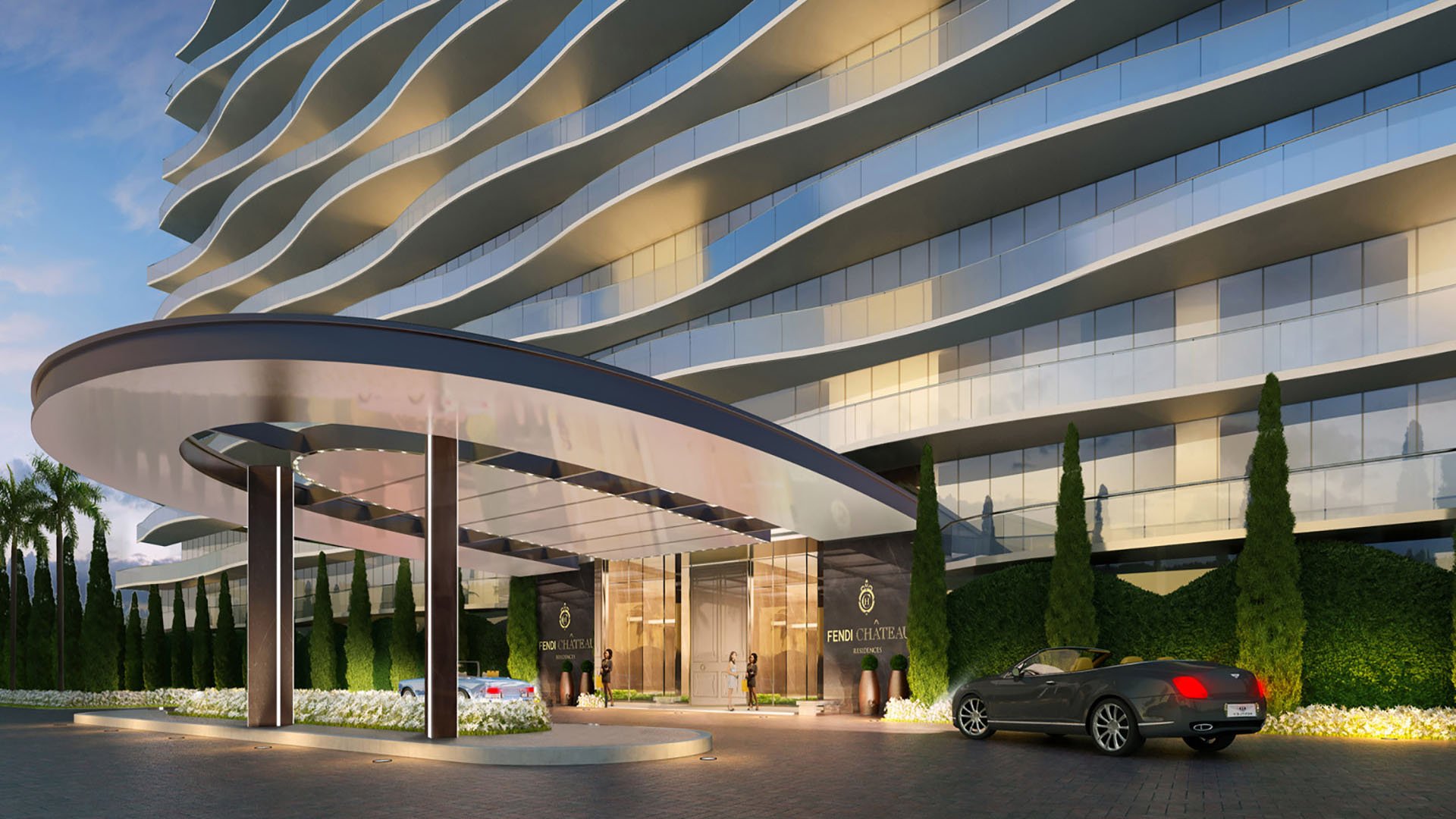
A branded residence in Surfside works as a serious long-term purchase only when the brand begins the analysis rather than ends it. The name on the porte cochere can create instant recognition, but recognition alone does not protect a buyer through years of ownership. What matters is whether the building can sustain a refined residential rhythm through management discipline, owner alignment, financial prudence, and a daily experience that feels private rather than performative.
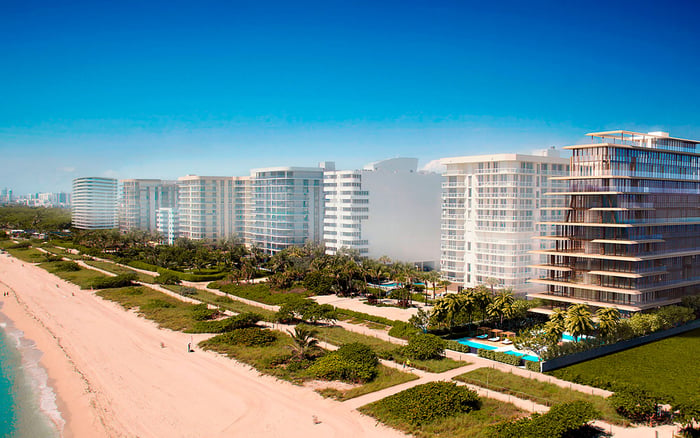
Surfside has a distinct advantage in this conversation. It is neither a nightlife district nor a vast resort corridor. Its appeal is quieter and more durable: oceanfront scarcity, proximity to Bal Harbour, residential scale, and a level of discretion that speaks to families, second-home buyers, and globally mobile owners who want Miami Beach access without constant spectacle. In this setting, Branded Residences must prove they can serve owners without turning the building into a transient hospitality product.
That distinction is central. A serious residence can borrow service standards from the hotel world, but it should not live like a hotel-condo unless that is the stated purpose and the buyer actively wants that model. The most durable Surfside purchase is usually the one where service supports privacy, amenities support routine, and the building’s culture remains clearly owner-oriented.
The brand premium in a Surfside residence has two layers. The first is tangible: service protocols, staffing expectations, design standards, amenity programming, and a recognizable aesthetic language. The second is intangible: market signaling. A respected name can help a building communicate quality quickly to future buyers, especially those comparing properties from outside South Florida.
Yet the market eventually asks a simple question: does the lived experience match the promise? If the answer is yes, the brand can become a stabilizing force. If the answer is no, the name can become a liability, because buyers expect more from a branded address than from an ordinary luxury condominium.
This is why buildings such as The Surf Club Four Seasons Surfside remain part of the conversation around what buyers expect from high-touch residential hospitality in Surfside. The lesson is not that every buyer needs the same brand or the same amenity profile. The lesson is that execution must be consistent, discreet, and embedded into the daily life of the property.
For long-term ownership, the most important amenity may be calm. A branded residence can have exceptional spaces, but if those spaces create crowding, noise, guest traffic, or operational complexity, they may dilute the very privacy Surfside buyers value.
A serious buyer should look beyond the renderings and ask how the building actually functions. How many people are expected to use the amenities? Are certain services reserved for residents? How are guests handled? Do common areas feel like an extension of home, or like a lobby designed for arrivals and departures? The answers affect not only lifestyle, but also resale perception.
The Surfside market already includes different expressions of luxury, from the design-forward presence of Arte Surfside to the brand-led identity of Fendi Château Residences Surfside. For buyers, the useful comparison is not which building is louder in the marketplace. It is which one best protects the rituals of ownership: arrival, security, staff familiarity, wellness, dining, beach access, and quiet enjoyment.
The long-term value of any condominium is shaped by governance. In a branded residence, the governance question carries even more weight because layered agreements may involve the brand, the manager, the association, and the developer’s original framework.
Buyers should understand how long the brand agreement runs, what obligations the brand has, what fees are attached, and how much control owners have if performance changes. A beautiful name is less comforting if owners have limited recourse when service declines, costs rise, or standards become unclear.
The operating budget deserves equal attention. Staffing, insurance, maintenance, reserves, beachside exposure, and amenity upkeep are not abstract issues. They determine whether the building can preserve its quality without creating sudden financial strain. A branded property that underfunds operations may feel impressive at launch, then fragile over time. A property that budgets honestly may appear less dramatic in a sales presentation, but stronger as an ownership vehicle.
Rental rules are often treated as an investment detail, but in Surfside they are also a lifestyle detail. A permissive rental structure may appeal to some owners, yet it can change the feel of a building by increasing turnover, reducing staff familiarity, and making amenities feel less private. A more restrictive structure may narrow the income strategy, but it can help maintain a stable resident population.
Neither approach is universally right. The key is alignment. A buyer seeking a quiet second home should be cautious about a building whose rules encourage frequent guest rotation. An investor seeking flexibility should not assume that a highly residential branded property will behave like a hospitality asset. The best long-term purchase is the one where the building’s rules match the buyer’s actual intended use.
This is particularly relevant in Surfside, where the highest-quality buyer often values discretion over maximum utilization. A brand that understands this will use service to remove friction, not manufacture activity.
A branded residence cannot rely on service alone. The physical building must be worthy of long-term ownership. Floor plan logic, ceiling heights, private outdoor space, elevator experience, parking, back-of-house design, and the durability of materials all become more important after the first season of ownership.
Maintenance is part of luxury. Salt air, intensive amenity use, landscaping, pools, glazing, mechanical systems, and exterior finishes all require thoughtful management. Buyers should not view monthly carrying costs only as an expense. In the right building, they are part of the preservation strategy.
Emerging Surfside offerings such as The Delmore Surfside show how the neighborhood continues to attract buyers focused on architecture and residential scale. The long-term question remains the same for every project: will the building age with composure, and will its ownership structure support that outcome?
A serious long-term purchase should be legible to a future buyer. The property’s identity, service model, financial condition, and rules should be easy to understand. Confusion reduces confidence. Trust supports liquidity.
In Surfside, trust is built through consistency. A buyer wants to know that the building feels the same on a quiet Tuesday as it does during a high-season weekend. Staff should know residents. Amenities should feel cared for. Budgets should feel realistic. The brand should still be visible in the service culture years after the initial launch.
The best branded residences do not simply sell aspiration. They convert aspiration into routines: the way a car is received, the way a beach chair appears, the way a package is handled, the way privacy is protected, the way maintenance requests disappear without drama. Those details become the invisible architecture of value.
Before treating any Surfside branded residence as a long-term hold, a buyer should review the management structure, brand obligations, association documents, budget assumptions, reserve posture, insurance exposure, rental restrictions, guest policies, and owner voting rights. The questions may feel technical, but they are inseparable from luxury.
A beautiful apartment in a poorly aligned building is still a risk. A celebrated brand with weak governance is still a risk. A generous amenity program without financial discipline is still a risk. The purchase works when the emotional appeal of the residence is matched by a sober reading of the documents.
For the right buyer, Surfside can offer something rare in South Florida: beachfront living with a quieter social register and a branded service environment that does not have to sacrifice residential permanence. The winning property is not necessarily the most famous or the most elaborate. It is the one that can remain graceful, private, and financially coherent over time.
What makes a Surfside branded residence a serious long-term purchase? It works when location, privacy, service quality, governance, and financial durability all support the owner’s intended use.
Is the brand name enough to protect resale value? No. The brand helps only when the daily experience, building condition, and operations continue to justify the promise.
Why is Surfside attractive for branded residences? Surfside offers a quieter oceanfront setting with access to surrounding luxury districts while preserving a more residential character.
Should buyers prefer a residential model over a hotel-condo model? Buyers seeking long-term privacy often prefer a residential model, while buyers seeking rental flexibility may evaluate a different structure.
Which documents matter most before buying? Buyers should review association documents, management agreements, budgets, reserves, insurance exposure, and rental rules.
How do rental rules affect long-term ownership? Rental rules influence building culture, guest turnover, amenity privacy, and the predictability of day-to-day residential life.
Are higher carrying costs always a negative? Not necessarily. Well-planned costs can preserve staffing, maintenance, amenities, and the long-term quality of the asset.
What role does owner control play? Owner control matters because residents need a meaningful voice if operations, costs, or brand performance change over time.
How should buyers compare different Surfside buildings? Compare privacy, service execution, architecture, financial discipline, rules, and whether the building’s culture matches your lifestyle.
What is the simplest test for a branded residence? Ask whether the brand improves daily life without compromising the quiet permanence that makes the home worth owning.
For a discreet conversation and a curated building-by-building shortlist, connect with MILLION.
If branded residences are on your mind — as a home or as an allocation — we would be glad to share what we are seeing, privately.
Begin a quiet conversation