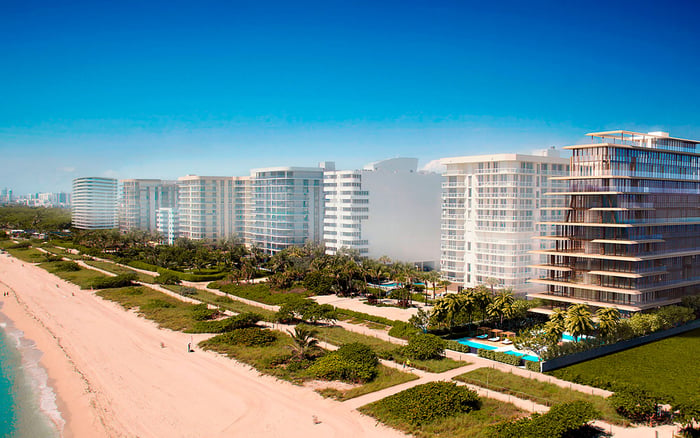
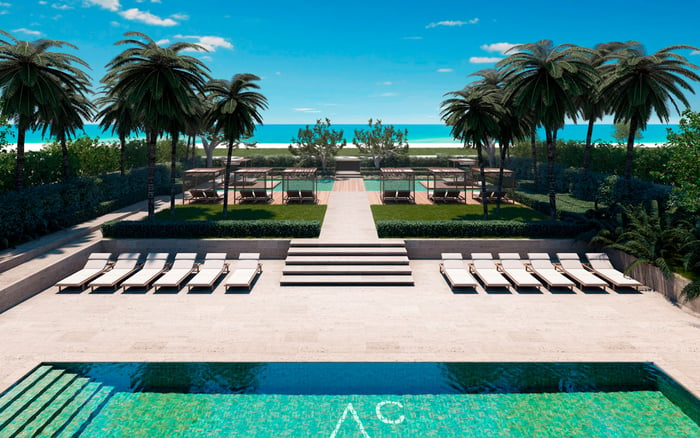
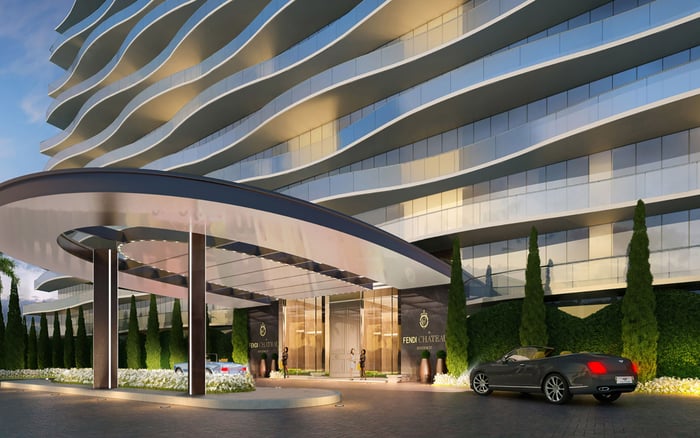
A buyer-focused look at how bayfront calm and direct oceanfront exposure shape daily life, design priorities, and long-term ownership strategy in Surfside.
In Surfside, the choice between bayfront calm and direct oceanfront exposure is often reduced to a view preference. That is too simple. The stronger question is how a residence should feel at 7 a.m., how it should entertain at sunset, how much elemental drama a homeowner wants to live with, and what kind of privacy matters most.
Bayfront calm suggests a gentler daily cadence. The water is present, but it tends to read as reflective rather than theatrical. Direct oceanfront exposure is different. It is about horizon, sound, brightness, movement, and the unmistakable sensation of living at the edge of the Atlantic. Both can be deeply luxurious. The right answer depends less on prestige than on temperament.
Surfside sharpens the distinction because the neighborhood is compact, residential in tone, and closely tied to both beach life and a more discreet village rhythm. A buyer considering Ocean House Surfside may be drawn to the intimacy suggested by its name and setting, while another buyer may focus on the pure oceanfront identity associated with the broader Surfside shoreline. The key is to evaluate not only what is visible through the glass, but what that exposure does to the entire ownership experience.
Bayfront calm is usually about softness. Light arrives across the water with less glare than a full eastern exposure can create at certain moments. Outdoor space may feel more sheltered. The mood suits long dinners, quiet reading, slower mornings, and an atmosphere that feels residential before it feels resort-like.
For some buyers, this is the more sophisticated choice. It can feel less performative, especially for those who already know South Florida well and are not buying only for the postcard image. A bayfront or bay-facing home can offer a calmer water view that changes with boats, sky, and evening light. It may also support a more private entertaining style, where the water is a backdrop rather than the central event.
The tradeoff is emotional immediacy. Bayfront living does not usually deliver the same elemental rush as entering a room where the Atlantic fills the entire field of vision. It may feel more composed, but less iconic. Buyers who are highly sensitive to quiet, privacy, and a gentler visual register may find that this restraint is precisely the luxury.
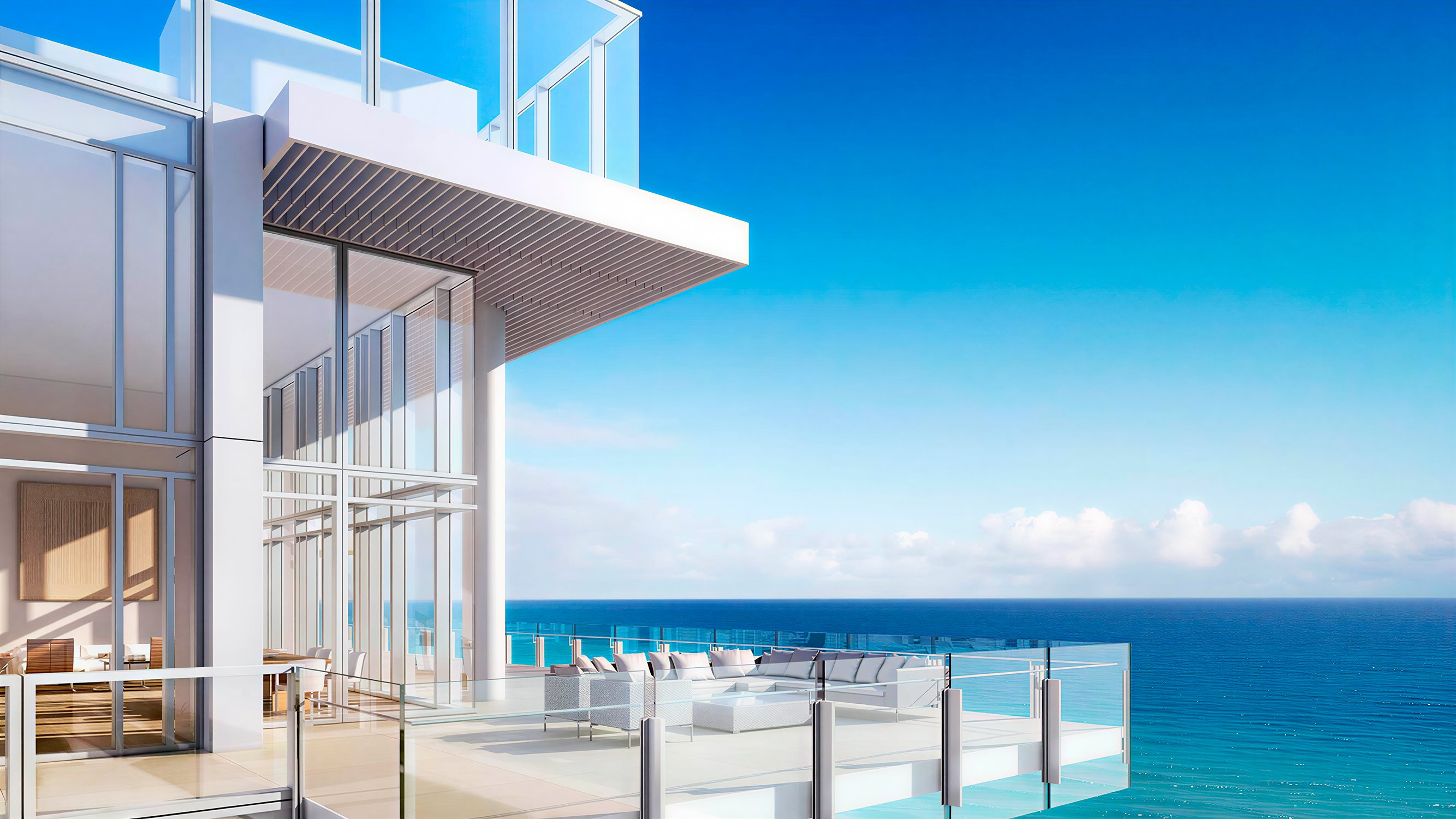
Oceanfront living is not subtle. It gives a residence a strong identity before the furniture arrives. The horizon becomes architecture. Morning light has a defining role. The soundscape is different. Even when interiors are serene, the ocean introduces motion, brightness, and scale.
That intensity can be magnificent. It can also be demanding. A buyer who loves waking to Atlantic light may find direct exposure irreplaceable. A buyer who prefers shaded terraces, softer evenings, or a more controlled interior mood should study orientation, glazing, balcony depth, and room planning carefully.
This is why projects such as The Delmore Surfside belong in a more nuanced conversation. The decision is not simply ocean or bay. It is how a building organizes arrival, privacy, amenity space, terraces, and the relationship between interior rooms and the water. Direct oceanfront exposure is at its best when architecture manages the power of the setting rather than merely displaying it.
The most successful waterfront residences in Surfside do not treat the view as decoration. They edit it. Ceiling heights, terrace proportions, window placement, material palette, and floor plan depth all determine whether water feels serene or overwhelming.
A shallow plan with broad glass can make the ocean feel cinematic from nearly every room. A deeper plan may allow for more gradual transitions between arrival, living, dining, and private spaces. On the bay side, architecture may lean into framed views, evening light, and outdoor rooms designed for lingering rather than spectacle.
Consider Arte Surfside as a useful reminder that building character can matter as much as exposure. Buyers at this level are rarely choosing square footage alone. They are choosing a daily composition: the elevator arrival, the distance between service and living areas, the way a terrace handles wind and sun, and the degree to which the building feels private without feeling withdrawn.
Privacy is not a single condition. On the ocean, privacy can come from elevation, setbacks, building design, and the sense of looking outward toward an open horizon. The experience can feel expansive and protected at the same time, provided the residence is planned well.
On the bay, privacy may feel more intimate. The waterway, sky, and neighborhood texture create a layered view. Some buyers prefer this because it feels less exposed to nature’s full force. Others prefer the clean abstraction of the ocean, where the eye travels outward and away.
In Surfside, the correct privacy equation is personal. A household that entertains frequently may want the drama of the Atlantic for guests. A household that uses the residence as a quiet second home may prefer a calmer setting that feels restorative immediately upon arrival. Neither is inherently better. Each carries a different social and emotional script.
Luxury resale is strongest when the original purchase thesis is clear. A direct oceanfront residence should be evaluated for the quality of its exposure, the elegance of its floor plan, and whether the building experience matches the promise of the view. A bayfront residence should be evaluated for calm, privacy, usability of outdoor space, and the sense of ease it creates over time.
Ambivalence can be expensive. If a buyer wants ocean drama but compromises into a calmer setting, the home may never feel quite complete. If a buyer wants quiet but chooses direct exposure only because it is perceived as more prestigious, the daily experience may feel too bright, too active, or too outward-facing.
The most disciplined buyers compare buildings across the full ownership arc. Eighty Seven Park Surfside may enter one conversation for its Surfside identity, while The Surf Club Four Seasons Surfside may enter another for buyers who prioritize a different expression of service, history, and oceanfront living. The question is not which name sounds most impressive. The question is which residence will still feel inevitable after the novelty of the view has settled into daily life.
Surfside rewards buyers who resist easy formulas. Oceanfront can be extraordinary, but only if the buyer wants the full sensory presence of the Atlantic. Bayfront calm can be deeply refined, but only if the buyer values quiet composition over instant drama.
The best decision begins with an honest inventory: morning habits, entertaining style, tolerance for brightness, need for privacy, preferred terrace use, and how often the residence will be occupied. From there, the building either reinforces the desired rhythm or competes with it.
In the ultra-premium market, the finest homes are not simply the ones with the loudest view. They are the ones where exposure, architecture, service, and lifestyle align so naturally that the owner stops analyzing the choice and simply lives well within it.
Is oceanfront always the better choice in Surfside? Not always. Oceanfront suits buyers who want horizon, light, and Atlantic immediacy, while bayfront calm may better serve privacy and a quieter daily rhythm.
Who should consider bayfront calm? Buyers who value softer light, a more composed water view, and intimate entertaining may find bayfront living especially appealing.
Who should prioritize direct oceanfront exposure? Buyers who want the ocean to define the residence, from morning light to terrace experience, are usually better aligned with direct exposure.
Does architecture matter as much as the view? Yes. Floor plan, terrace depth, glazing, and arrival sequence can make the same exposure feel either serene or overwhelming.
Is privacy better on the bay or ocean side? Privacy depends on elevation, building design, setbacks, and surrounding context. Each side can feel private in a different way.
How should second-home buyers think about the choice? They should focus on the feeling they want immediately upon arrival, whether restorative calm or full coastal immersion.
Can direct oceanfront exposure feel too intense? For some buyers, yes. Brightness, wind, and visual drama should be weighed carefully against the desire for iconic Atlantic views.
Can bayfront living still feel luxurious? Absolutely. Its luxury is often quieter, centered on calm water, privacy, and a more residential atmosphere.
What is the most common mistake buyers make? Choosing the view they think is most prestigious instead of the exposure that best fits their daily life.
How should a buyer compare Surfside residences? Compare the emotional experience first, then test how architecture, service, privacy, and outdoor space support that lifestyle.
To compare the best-fit options with clarity, connect with MILLION.
If branded residences are on your mind — as a home or as an allocation — we would be glad to share what we are seeing, privately.
Begin a quiet conversation