A practical, luxury-focused guide to evaluating balcony and terrace maintenance before purchasing high-end Miami Beach real estate.

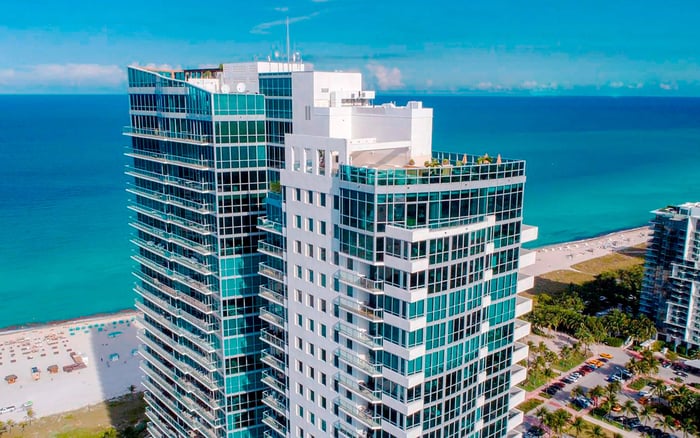
In Miami Beach, a balcony or terrace is often more than an architectural flourish. It is the breakfast room, the sunset lounge, the private garden in the sky, and, in many cases, a meaningful part of how a residence is valued. Yet outdoor space can also be one of the least understood elements of a luxury purchase, because the most important details are rarely visible during a showing.
A polished stone surface, clear glass railing, and elegant furniture plan may conceal questions about ownership, waterproofing, drainage, maintenance standards, and association approval rights. For a buyer accustomed to decisive answers, the right approach is not to assume the terrace is simply part of the residence. It is to determine what the governing documents, building records, and maintenance practices actually say.
This is one of those Buyer's Guides where discretion and precision matter. The goal is not to become an engineer, but to know which questions separate a beautiful outdoor room from a future point of negotiation, delay, or expense.
The first question is deceptively simple: what exactly belongs to the unit owner, and what is maintained by the association? A terrace may feel private, but certain components can be treated differently. Ask how the documents define the balcony slab, railing system, waterproofing, drains, thresholds, pavers, tile, planters, lighting, and any exterior attachments.
Buyers should request a clear explanation of who pays for ordinary maintenance, who controls repairs, and who approves alterations. If the seller added decking, built-in planters, screens, shade devices, lighting, or outdoor kitchens, ask whether those improvements were approved and whether any maintenance obligations travel with the unit.
The strongest answer is a documented one. Verbal assurances may provide context, but the purchase file should include the language, approvals, and correspondence needed to understand the outdoor space before closing.
A luxury residence can appear immaculate on a walk-through while still carrying a complicated history of exterior repairs. Ask for available records related to balcony and terrace work, including prior maintenance notices, warranty information, association communications, project schedules, and any pending exterior work affecting the line of residences you are considering.
The key is to understand pattern, not panic. A well-managed building may have recurring maintenance protocols, clear owner responsibilities, and orderly capital planning. A less clear situation may involve unanswered questions about timing, access, funding, or whether a private terrace finish must be removed for common-area work.
If the residence is in a new or recently completed building, ask what warranties or maintenance manuals apply to exterior areas. If it is a resale, ask whether the current owner has records for any terrace upgrades. In both cases, the buyer should know whether the beautiful surface underfoot is original, upgraded, removable, approved, or part of a larger system.
A terrace should be evaluated as a living room exposed to weather, sun, water, furniture movement, planters, and foot traffic. Ask what materials are installed, how they are cleaned, which products are prohibited, and whether the association has rules for furniture pads, grills, umbrellas, irrigation, rugs, or planters.
Drainage deserves specific attention. Ask where water is intended to flow, whether drains are private or common, who clears them, and whether any ponding has been observed. Thresholds also matter. A buyer should understand how the interior floor meets the exterior surface, especially where heavy rain, sliding doors, or furniture placement could influence use.
For high-floor residences and penthouses, wind and attachment rules can shape the lifestyle as much as the floor plan. Ask whether furniture, planters, shade elements, or decorative objects require approval or must be secured in a prescribed way. The best luxury experience is the one that works beautifully without constant exception requests.
Outdoor space in Miami Beach is intensely personal. Some buyers want a quiet morning terrace, others want an entertaining platform, and others prioritize a deep oceanfront view with minimal maintenance complexity. The maintenance questions should follow the lifestyle goal.
A buyer comparing properties such as 57 Ocean Miami Beach and Shore Club Private Collections Miami Beach may focus on how outdoor space supports daily beachfront living, service access, and privacy. A buyer studying The Perigon Miami Beach might ask how terrace design, exposure, and association standards align with a refined, low-friction ownership experience. For those considering The Ritz-Carlton Residences® Miami Beach, the questions may be less about whether outdoor space is desirable and more about how it is governed, maintained, and preserved over time.
The most successful buyers do not ask only whether a terrace is large. They ask whether it is usable at the hours they care about, private from the angles that matter, practical to furnish, simple to clean, and supported by clear building rules.
Before committing fully, ask for concise written answers to the issues that affect value. Who maintains the waterproofing? Who repairs railings? Are exterior finishes original or modified? Are there pending terrace, balcony, railing, facade, window, or door projects that could affect use? Are there restrictions on plants, irrigation, umbrellas, heaters, grills, storage, lighting, audio, or pets on the terrace?
Also ask what happens if the association needs access. A large terrace may be central to the residence’s appeal, but access rights, notice requirements, and restoration standards should be understood. If exterior work requires removal of owner-installed finishes, the buyer should know who bears that responsibility and whether the seller has any prior documentation.
These questions are not meant to burden the deal. They create clarity. In the luxury market, uncertainty is not automatically a reason to walk away, but it is a reason to price, structure, and time the purchase intelligently.
Strong answers support confidence. Incomplete answers support negotiation. If records are clean, responsibilities are clear, and the outdoor space has been maintained consistently, the terrace can remain a premium feature in the buyer’s valuation. If responsibility is ambiguous or future work is possible, the buyer may consider contract protections, credits, escrows, delayed closing terms, or a more conservative price.
The most refined buyers treat balcony and terrace diligence as design diligence, financial diligence, and lifestyle diligence at once. A terrace is not just square footage under the sky. It is a system of materials, rules, maintenance obligations, and daily rituals. In Miami Beach, understanding that system before closing is one of the quiet advantages of buying well.
Should I ask whether the balcony is part of my unit or a common element? Yes. Ownership and maintenance responsibility can differ, so the answer should be grounded in the building’s documents rather than assumption.
What terrace records should I request before buying? Ask for available approvals, maintenance history, warranty information, association notices, and records for seller-installed improvements.
Are terrace upgrades always transferable to a new owner? Not automatically. Ask whether the improvements were approved and whether any maintenance, removal, or restoration obligations transfer with the residence.
Why is drainage such an important question? Drainage affects usability, finishes, thresholds, and long-term maintenance. Ask who maintains drains and whether any issues have been observed.
Should I inspect outdoor furniture rules before closing? Yes. Rules for umbrellas, planters, grills, rugs, lighting, and storage can shape how the terrace may actually be used.
Can association work affect my private terrace? It can. Ask how access is handled, what notice is required, and who restores owner-installed finishes if work is needed.
Is a larger terrace always more valuable? Not necessarily. Usability, privacy, exposure, maintenance clarity, and furnishing flexibility can matter as much as size.
What should penthouse buyers ask specifically? Ask about wind-related rules, approved attachments, drainage, planters, shade structures, and responsibility for any custom outdoor installations.
How should unclear balcony maintenance affect an offer? It may justify additional due diligence, negotiated protections, credits, escrow terms, or a more conservative valuation.
When should these questions be asked? Ask them early enough to review documents, consult advisers, and address concerns before key contract deadlines.
To compare the best-fit options with clarity, connect with MILLION.
If branded residences are on your mind — as a home or as an allocation — we would be glad to share what we are seeing, privately.
Begin a quiet conversation