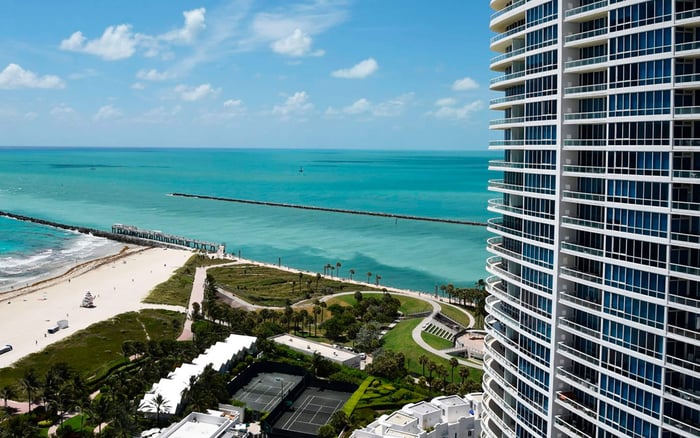
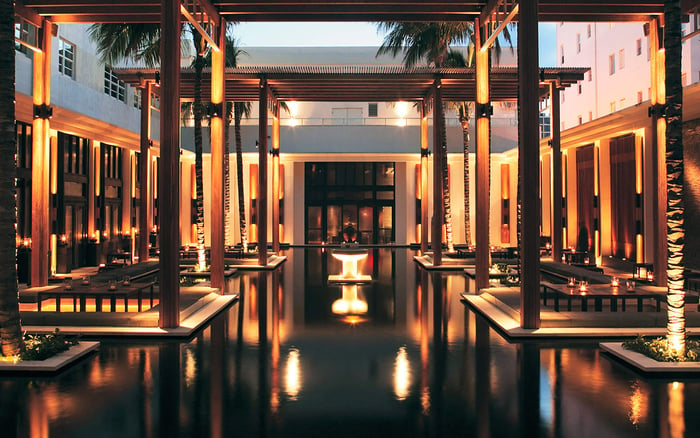
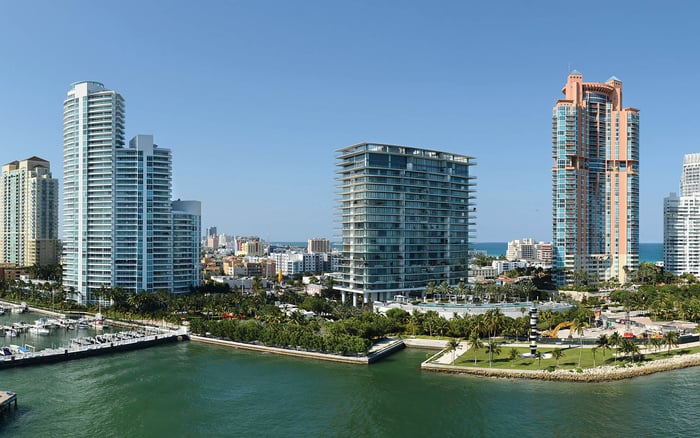
Continuum on South Beach remains a useful benchmark for buyers comparing privacy, resort-caliber amenities, and residence-only service in the South Beach luxury market.
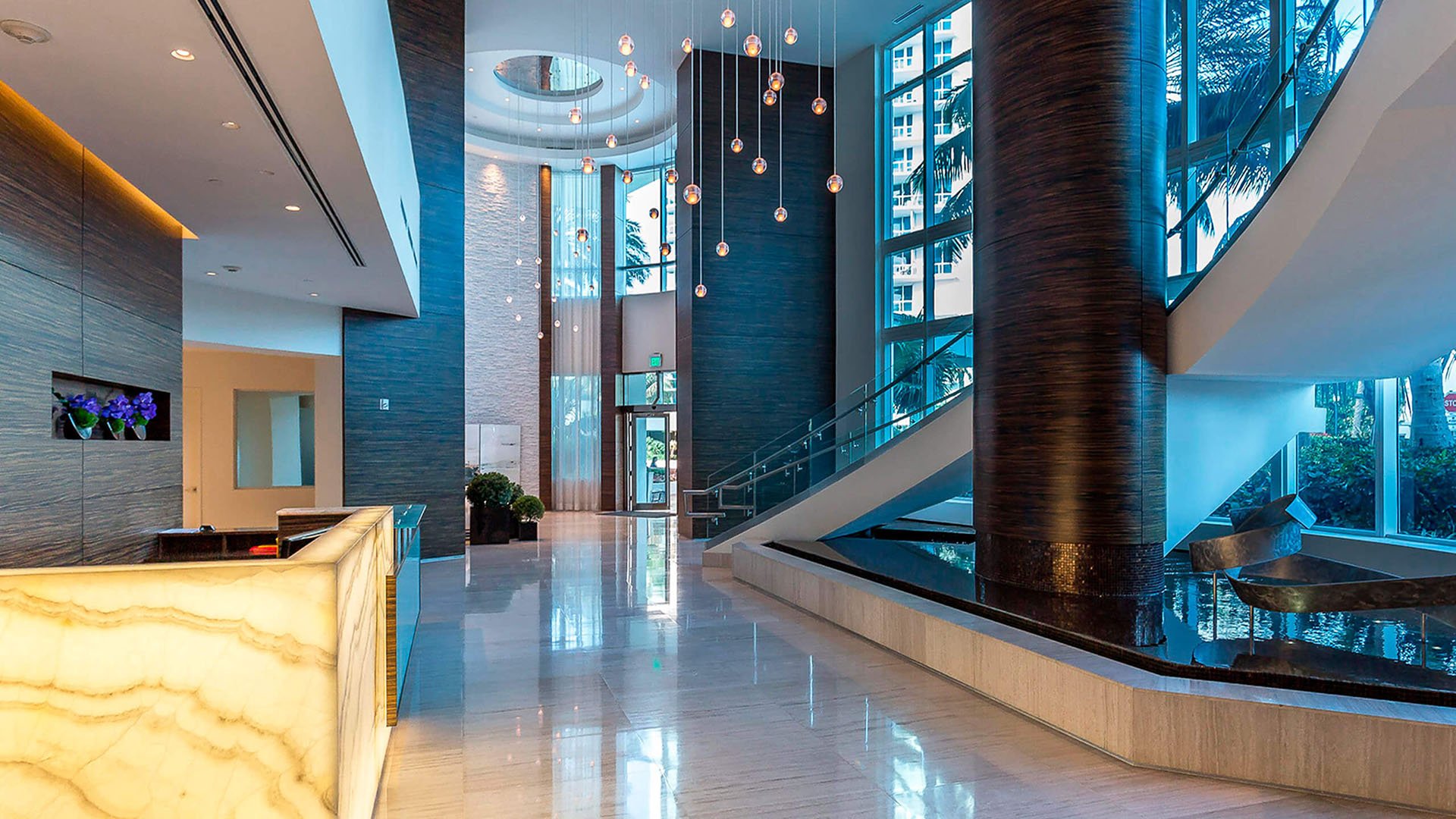
In South Beach, luxury is no longer measured only by frontage, views or a celebrated address. For a certain buyer, the more revealing question is operational: how does the building actually live on an ordinary Tuesday, in peak season, with family in residence, guests arriving, beach plans shifting and privacy still expected?
That is where Continuum on South Beach fits the larger conversation. It is positioned as a private residential alternative to hotel-branded luxury service, bridging traditional condominium living with resort-caliber residential operations. The distinction is subtle but consequential. Continuum is not presented as a hotel experience attached to ownership. Its service model is organized around residents, long-stay owners and a community that expects convenience without a transient hospitality atmosphere.
For the South Beach ultra-luxury buyer, that difference can define the ownership experience. A building may offer impressive amenities yet still feel fragmented if staffing, security, beach operations, dining, wellness and daily resident needs are not coordinated. Continuum’s relevance comes from treating those elements as part of one private service environment.
Hotel-linked residences can offer deep hospitality programming, recognizable service language and a familiar global standard. For some owners, especially those who value a brand’s operating style, that can be compelling. In Miami Beach, the rise of branded residences has made this comparison increasingly important, with buyers evaluating not only architecture and amenities but also the feeling of arrival, access and day-to-day discretion.
Continuum’s model sits on the other side of that spectrum. Its service culture is framed around residence-only use rather than co-location with a hotel. The operational center of gravity is the residential association and the resident community, not short-stay guest turnover. The result is a more self-contained private environment, designed to provide hospitality-like convenience without making the building feel like a hotel.
This does not make one model universally superior. It makes the buyer-fit conversation sharper. A globally mobile owner who spends extended periods in South Beach may want the ease of resort-caliber service without the public rhythm of a hotel. A family may value beach and pool convenience while prioritizing a more predictable residential atmosphere. A second-home owner may want everything to function with minimal friction on arrival, yet still feel like the property is a private home base.
Continuum is often discussed in the language of resort-style living, yet its deeper distinction is not simply the presence of amenities. The more important point is integration. Dedicated beach operations, multiple pools, spa and fitness facilities, structured security, onsite dining and resident-focused staffing create a service ecosystem rather than a checklist.
That integrated approach is why Continuum remains a benchmark in South Beach. Buyers frequently compare it with newer boutique and branded buildings, including nearby references such as Apogee South Beach and Shore Club Private Collections Miami Beach, not because the offerings are identical, but because each asks a different version of the same question: should luxury feel private, branded, intimate, resort-like or some combination of all four?
For an oceanfront condominium, service is especially consequential. Beach access is not merely a lifestyle image. It requires staffing, choreography, maintenance and security to feel effortless. Pools and wellness spaces also become more valuable when supported by a residential culture that understands long-term patterns rather than short-term demand spikes.
The South of Fifth market has always occupied a distinctive place within South Beach. It offers proximity to the energy of Miami Beach while preserving a more residential tone at the southern tip. Within that context, Continuum’s private service model feels particularly aligned with buyers who want access to the neighborhood without surrendering control over the rhythm of home.
Lifestyle is the operative word. Continuum is framed as especially relevant to long-stay, family-oriented and globally mobile residents seeking privacy plus convenience. That group often wants a building that can support beach days, wellness routines, dining, arrivals, departures and household logistics without requiring the owner to constantly outsource the basics of daily life.
This is also why the property remains a comparison point for projects across Miami Beach. A buyer considering a branded alternative such as The Ritz-Carlton Residences® South Beach may be drawn to the service language of an established hospitality name. Another buyer may prefer a private residential setting where the amenities and staff are organized primarily around the owners who live there. Both preferences are rational. The nuance lies in how each model feels after repeated use.
For buyers focused on private service, the most useful questions are practical. Who is the building designed to serve first? Are amenities used primarily by residents, hotel guests or a blended population? Does the service culture support extended stays, or is it built around brief arrivals and departures? Do beach, pool, fitness, dining and security functions feel connected, or are they merely adjacent features?
Continuum’s market relevance comes from answering those questions with a private residential structure. Its association-integrated model means services and amenities are organized around the condominium community. That matters because luxury residential service is not only about being served. It is about being known, protected and accommodated in a way that preserves the dignity of home.
For buyers comparing the broader Miami Beach landscape, Setai Residences Miami Beach offers another useful point of reference in the high-service conversation. The comparison is less about ranking buildings and more about clarifying priorities. Some owners want brand-adjacent hospitality energy. Others want a quieter, more residential operating system with resort-caliber support.
Continuum on South Beach helps define what high-service condominium living can mean when the emphasis is privacy rather than spectacle. Its role in the market is not simply as an amenity-rich address, but as a benchmark for coordinated residential service at the oceanfront.
For today’s buyer, that makes Continuum less a single-building story than a framework for decision-making. The right South Beach residence should align with how an owner actually lives: length of stay, family patterns, service expectations, tolerance for public energy and appetite for brand-led hospitality. Continuum’s answer is clear. It places service inside a private residential envelope, giving owners resort-caliber convenience while preserving the feeling of home.
What makes Continuum on South Beach relevant to private residential service? It combines extensive amenities with a service culture organized around residents rather than short-stay hotel guests.
Is Continuum on South Beach a hotel-branded residence? It is positioned as a private residential alternative to hotel-branded luxury service in South Beach.
Who is the best fit for Continuum’s service model? It is especially relevant to long-stay, family-oriented and globally mobile residents who want privacy plus convenience.
How does Continuum differ from hotel-linked residences? Hotel-linked residences may offer deep hospitality services, while Continuum emphasizes residence-only use and a less transient environment.
What service components are central to the Continuum experience? The model includes beach operations, multiple pools, spa and fitness facilities, security, onsite dining and resident-focused staffing.
Why does association-integrated service matter? It means amenities and operations are organized around the residential community rather than a separate hotel function.
Is Continuum only about amenities? No. Its distinction comes from coordinating amenities, staffing and lifestyle operations into a private service environment.
How should buyers compare Continuum with newer South Beach buildings? Buyers should compare privacy, service structure, building rhythm and whether the property feels residential, branded or boutique.
Does Continuum suit second-home ownership? It can suit owners who want a South Beach base with resort-caliber convenience and a private residential atmosphere.
What is the broader market lesson from Continuum? It shows how high-service oceanfront condominium living can deliver hospitality-like ease without feeling like a hotel.
For a confidential assessment and a building-by-building shortlist, connect with MILLION.
If branded residences are on your mind — as a home or as an allocation — we would be glad to share what we are seeing, privately.
Begin a quiet conversation