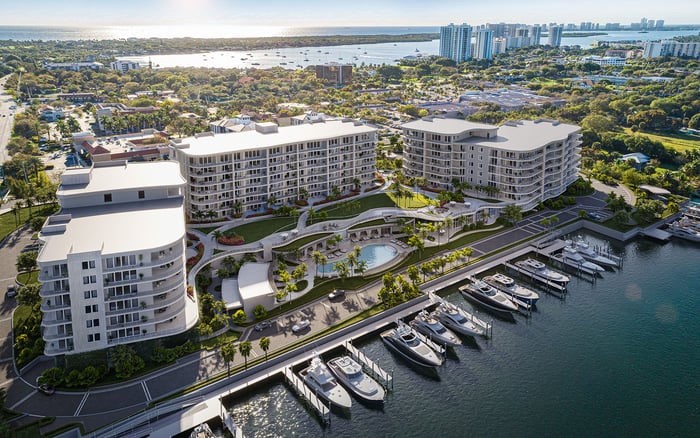
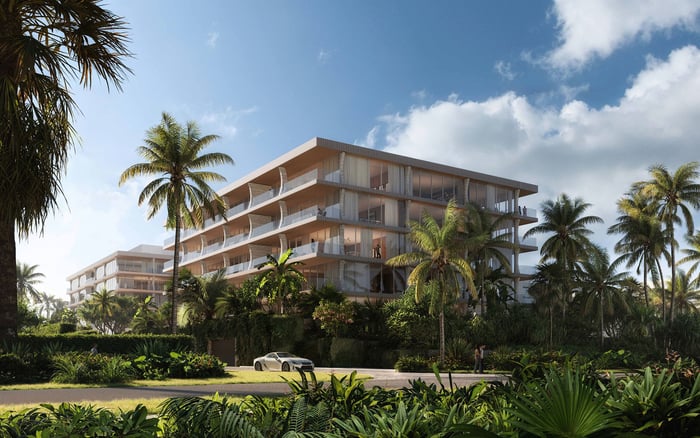
A buyer-focused look at the operating obligations that can shape ownership at Palm Beach Residences, from assessments and reserves to insurance, staffing, services, and resale discipline.

For sophisticated buyers, the question is rarely whether a Palm Beach residence is beautiful enough. It is whether the home, the building, and the association can be owned with the same composure with which they are acquired. At the ultra-premium level, future operating obligations are not a footnote. They are part of the investment thesis, the lifestyle plan, and the long-term resale story.
That is especially true for buyers evaluating Palm Beach Residences, where privacy, design, service, and location should be weighed alongside the recurring financial commitments that follow closing. Those commitments may include monthly assessments, reserve contributions, insurance costs, staffing, amenity maintenance, management fees, and periodic capital projects.
The most successful purchasers tend to treat operating obligations as an extension of due diligence. They ask not only what the home costs today, but what the property is likely to require over years of ownership. That frame is essential in Palm Beach, where expectations are high and the standard of maintenance is unforgiving.
A monthly assessment can appear simple on a closing worksheet. In practice, it reflects a building’s operating philosophy. A full-service residence with a polished arrival sequence, attentive staffing, high-quality common areas, wellness amenities, elevators, security, landscaping, and exterior maintenance will naturally require a different budget than a simpler building.
Buyers should look beyond the current number and understand what it includes. Some assessments may cover core operations only. Others may include broader services or contributions to reserves. The distinction matters because a lower assessment can be less meaningful if many costs are handled separately or if reserves are not being funded with adequate discipline.
A prudent review includes the association budget, recent meeting materials, reserve posture, insurance structure, any pending or anticipated special assessments, and the method by which costs are allocated among owners. The goal is not to avoid expenses. At this level, excellence has a cost. The goal is to understand whether expenses are predictable, well governed, and aligned with the level of service being promised.
Operating obligations are not limited to today’s staff schedule or utility line items. Over time, every building must address larger capital needs: exterior systems, mechanical equipment, roofs, elevators, pool areas, lobbies, access controls, life-safety systems, and landscape infrastructure. In coastal South Florida, the importance of planning is heightened by climate, salt air, humidity, and the expectation that a property remain visually impeccable.
For buyers of new-construction residences, the building may feel effortless at delivery, but long-term ownership still depends on how the association prepares for future replacement cycles. New does not mean cost-free. It means the clock starts with a modern baseline, and the strongest communities plan early so future owners are not surprised later.
The same thinking applies across the region. Buyers comparing Palm Beach with West Palm Beach offerings such as Alba West Palm Beach or Forté on Flagler West Palm Beach should study not only architecture and views, but the operating model behind the building. A residence can be beautifully designed and still warrant careful review of how common assets will be cared for over time.
In a premium coastal market, insurance deserves its own conversation. Buyers should understand the difference between association-level coverage and what an individual owner may need to insure separately. Building policies, deductibles, windstorm considerations, flood exposure, interior coverage, personal property, and liability protection can all affect the real cost of ownership.
This is particularly relevant for waterfront properties, where views, breezes, and access are central to the appeal, but exposure and maintenance planning require discipline. The best buyers do not simply ask whether insurance exists. They ask how coverage is structured, how deductibles could be allocated, whether costs have changed, and how the association communicates insurance strategy to owners.
For international or second-home buyers, the insurance review should be coordinated early with legal, tax, and advisory teams. A residence that is occupied seasonally may have different practical needs than a primary home. Personal coverage should match how the property will actually be used.
In Palm Beach, service is often the differentiator. A calm arrival, responsive management, properly maintained amenities, and discreet staff presence can elevate daily life. They also require payroll, training, management, scheduling, and oversight. When buyers evaluate a building, they should ask what level of staffing is built into the operating budget and what services are optional or billed separately.
This becomes especially important in branded residences, where hospitality standards can influence owner expectations. The brand may shape the experience, but the association’s operating documents and budget determine how that experience is funded. A buyer considering The Ritz-Carlton Residences® Palm Beach Gardens, for example, may naturally focus on service culture, but should also examine how those standards translate into recurring obligations.
The same principle applies in other luxury corridors. In Boca Raton, The Residences at Mandarin Oriental Boca Raton may appeal to buyers who value a hospitality-driven residential environment. The relevant ownership question is how the promise of service is supported year after year, and whether the buyer’s budget reflects that preference.
Many buyers think of investment in terms of acquisition price, negotiation, appreciation, and exit timing. In the condominium context, the ongoing operating profile is just as important. A well-run building with transparent budgets, thoughtful reserves, and consistent standards can support confidence when the owner eventually resells. A poorly understood cost structure can narrow the buyer pool or complicate negotiations later.
Resale buyers often study the same items current buyers should review now: assessments, reserves, insurance, maintenance history, governance, rental policies, pet policies, service levels, and pending work. If those materials tell a coherent story, the property can feel easier to underwrite. If they raise questions, even a beautiful residence may require more explanation.
This is why operating diligence should begin before contract, not after. The most elegant purchase is one in which the buyer understands both the visible and invisible architecture of the building.
A Palm Beach buyer should ask for a clear picture of recurring and potential obligations. What is the current monthly assessment? What does it include? Are reserves being funded? Are any special assessments pending or discussed? How is insurance handled? What services are included for owners? What fees may apply for optional services? Are capital projects under consideration? How does the association communicate with owners? What restrictions could affect use, leasing, renovation, guests, pets, or resale?
These questions are not adversarial. They are part of proper stewardship. Luxury real estate is emotional, but ownership is operational. The best outcome is a residence that feels effortless because the obligations behind it have been understood, budgeted, and accepted with intention.
What are operating obligations in a luxury condominium? They are the recurring and potential costs tied to ownership, including assessments, reserves, insurance, staffing, services, and capital work.
Are monthly assessments the only cost to review? No. Buyers should also consider insurance, reserves, special assessments, optional services, repairs, interior coverage, and future capital needs.
Why do reserves matter to a Palm Beach buyer? Reserves help a building plan for future repairs and replacements, which can reduce the likelihood of unexpected financial pressure on owners.
Can a low assessment be a warning sign? It can be, if the number does not adequately support service levels, maintenance, insurance, or reserves. Context matters more than the figure alone.
How should buyers evaluate insurance obligations? They should understand association coverage, deductibles, owner responsibilities, and how insurance costs may affect future assessments.
Do branded residences usually have higher operating expectations? They may carry elevated service expectations, so buyers should review how staffing, management, and hospitality standards are funded.
What should second-home buyers focus on? They should confirm staffing, access, maintenance support, insurance needs, and any rules affecting guests, leasing, vendors, or extended absences.
Are future capital projects always disclosed clearly? Not always in simple language. Buyers should review association materials and ask direct questions about discussed or anticipated work.
How do operating obligations affect resale? Clear budgets, adequate reserves, and well-managed costs can strengthen buyer confidence when the property returns to market.
Should buyers review documents before making an offer? Whenever possible, yes. Early review helps a buyer understand the full ownership picture before becoming emotionally or financially committed.
If you'd like a private walkthrough and a curated shortlist, connect with MILLION.
If branded residences are on your mind — as a home or as an allocation — we would be glad to share what we are seeing, privately.
Begin a quiet conversation