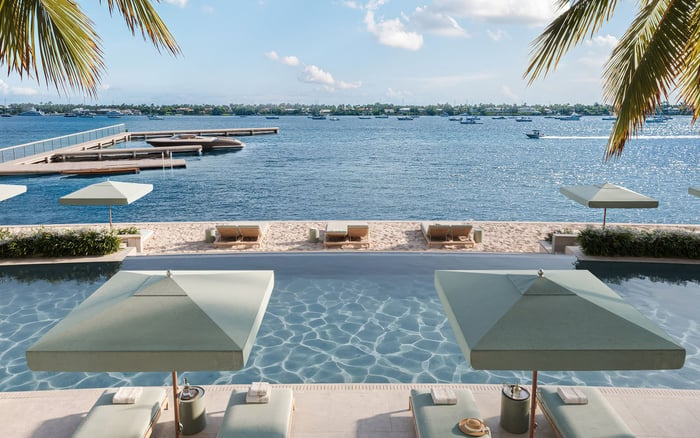
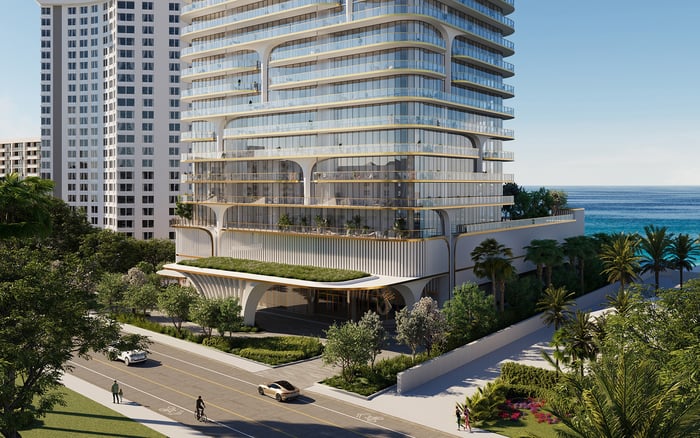
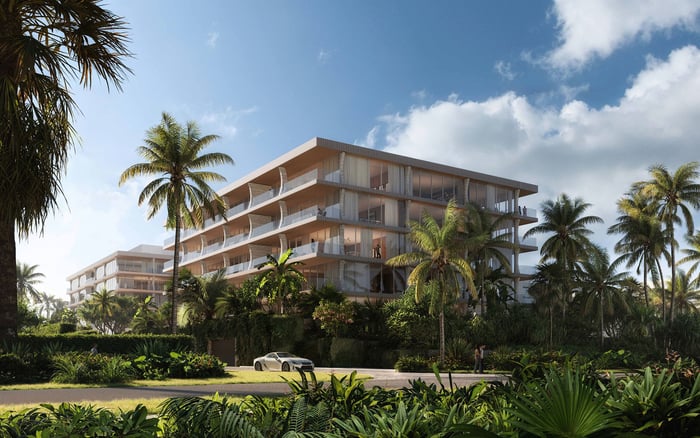
A disciplined due-diligence guide for affluent South Florida buyers comparing Ritz-Carlton branded residences in Pompano Beach, South Beach, and West Palm Beach.

The Ritz-Carlton name carries real emotional weight in South Florida real estate. It signals service, polish, recognition, and a promise of daily ease. For serious buyers, however, the defining question is not whether the brand is compelling. It is how that promise is translated into condominium documents, association budgets, staffing plans, access rules, insurance assumptions, and long-term governance.
That distinction matters when comparing The Ritz-Carlton Residences® Pompano Beach, The Ritz-Carlton Residences® South Beach, and The Ritz-Carlton Residences® West Palm Beach. Each may appeal to a similar buyer psychology, but each should be evaluated as its own legal, operational, and lifestyle proposition. The most resilient luxury decisions begin with the documents, not the brochure.
Branded residences can create a powerful expectation: the building should feel managed, anticipatory, and discreet. Yet a buyer should ask how the service model is structured, staffed, and funded before relying on the brand promise. That is especially important in Pompano Beach, where the right questions focus on who provides the services, who supervises the personnel, which services are included in regular ownership costs, and which may require additional charges.
In West Palm Beach, the service question should be even more granular. Buyers should review what is included in association fees and what is charged à la carte. A lifestyle that appears seamless at first glance may depend on optional services, separate charges, or future operating budgets. The refined buyer does not simply ask, “What amenities exist?” The better question is, “What will I actually pay to use the services I expect?”
Governance is where luxury becomes durable, or fragile. Buyers should request the condominium documents, association budget, reserve details, rules and regulations, and any service or brand-management agreements before making a final decision. Those documents should explain who controls standards, staffing, amenity access, rule enforcement, and future changes once developer control transitions to the association.
This is not a technicality. It is the operating constitution of the building. If standards decline, staffing costs rise, or resident expectations diverge, the governing documents will determine what can be enforced, what can be changed, and who pays. Buyers comparing The Ritz-Carlton Residences® Pompano Beach, The Ritz-Carlton Residences® South Beach, and The Ritz-Carlton Residences® West Palm Beach should ask the same governance questions of each, then compare the answers line by line.
The Ritz-Carlton identity may be the reason a buyer first pays attention, but the branding arrangement itself requires careful review. Buyers should clarify the duration, renewal terms, termination rights, and cost obligations attached to the branding relationship. A branded residence is not merely an aesthetic choice. It is a contractual framework that can influence operations, expenses, resale positioning, and buyer confidence over time.
The key risk question is simple: what happens if the brand relationship changes, service standards decline, or operating costs rise faster than expected? A serious buyer should want to know whether there are remedies, voting thresholds, fee adjustments, or contractual protections. Prestige is valuable, but only when its legal and financial structure can be understood.
South Beach demands particular attention to privacy and operational rhythm. Buyers should ask whether the project is purely residential or connected in any way to hotel-like uses, because that can affect traffic flow, daily ambiance, lobby intensity, valet activity, and the sense of retreat. In a neighborhood known for energy, the private-residence experience depends heavily on separation, circulation, and access control.
The same inquiry applies across all three locations. Buyers should ask whether elevators, lobbies, parking, beach access, pools, restaurants, wellness spaces, or other amenities are shared with non-residents or outside users. Shared environments are not inherently negative, but they should be priced, understood, and aligned with the buyer’s expectations. For some owners, a more social atmosphere is welcome. For others, absolute residential quiet is the luxury.
The monthly association fee is only the beginning. Serious buyers should compare association fees, reserve funding, insurance assumptions, staffing costs, and potential special-assessment exposure across the three projects. This is especially important in South Florida, where insurance, labor, maintenance, and storm preparation can meaningfully affect long-term carrying costs.
A buyer should ask for budget assumptions, reserve strategy, and how future capital needs are expected to be funded. If a building promises a high-touch service culture, there must be a durable funding model behind it. Underfunded luxury can become contentious luxury, and special assessments can quickly alter the economics of an otherwise attractive purchase.
For waterfront and coastal-adjacent South Florida ownership, resilience is not a secondary detail. Buyers should ask how each building addresses hurricane resilience, flood exposure, windstorm insurance, generator capacity, impact glazing, drainage, and post-storm operations. The question is not only whether the building is designed for severe weather. It is how the property expects to function after an event.
Post-storm operations can affect everything from elevator service and air conditioning to access, communications, staffing, and repairs. A luxury residence should be evaluated not only on its most polished day, but also on its ability to protect continuity when conditions are difficult.
The most elegant purchase is the one that fits real use patterns. Buyers should test whether each amenity program matches full-time residence, seasonal occupancy, entertaining, wellness, family use, or lock-and-leave ownership. A seasonal owner may prioritize maintenance oversight, arrival preparation, and simplicity. A full-time owner may care more about daily convenience, social atmosphere, parking flow, wellness access, and predictable service.
Rental policy belongs in this same conversation. Buyers should ask about minimum lease terms, approval rights, guest-use rules, branded-rental restrictions, and whether short-term rental activity is permitted or prohibited. Even buyers with no plan to rent should understand the rules, because rental activity can affect building ambiance, resale appeal, and resident expectations.
Resale diligence should begin before contract signing. Buyers should review comparable luxury condominium sales, branded-residence premiums, days on market, buyer depth, and likely liquidity in Pompano Beach, South Beach, and West Palm Beach. A buyer may love all three addresses for different reasons, but exit strategy depends on the submarket, competitive set, carrying costs, and the future buyer pool.
The disciplined approach is not anti-aspiration. It is how aspiration is protected. The best choice among these residences is the one whose documents, costs, rules, risks, services, and resale logic support the buyer’s lifestyle and capital expectations.
What is the first document a serious buyer should request? Start with the condominium documents, then review the association budget, reserves, rules, and any service or brand-management agreements.
Are all Ritz-Carlton branded residences operated the same way? No. Buyers should verify the actual legal and operating structure for each specific project before assuming consistency.
Why is the brand agreement important? It can affect service standards, costs, renewal rights, termination rights, and the building’s long-term resale positioning.
What should buyers ask in Pompano Beach? They should verify how the branded-residence service model is structured, staffed, supervised, and funded.
What should buyers ask in South Beach? They should clarify privacy, circulation, and whether any hotel-like uses or outside users affect the residential experience.
What should buyers ask in West Palm Beach? They should identify which services are included in ownership costs and which are charged separately.
Why do reserves and insurance assumptions matter? They influence long-term carrying costs and potential exposure to special assessments.
Should rental rules matter if I do not plan to rent? Yes. Rental policies can shape building ambiance, security expectations, guest traffic, and resale appeal.
How should buyers evaluate storm resilience? They should review flood exposure, windstorm insurance, generator capacity, impact glazing, drainage, and post-storm operations.
What is the best way to compare the three residences? Compare governance, service economics, access rules, physical risk, lifestyle fit, and resale liquidity before choosing.
When you're ready to tour or underwrite the options, connect with MILLION.
If branded residences are on your mind — as a home or as an allocation — we would be glad to share what we are seeing, privately.
Begin a quiet conversation