A buyer-focused guide to water intrusion due diligence at St. Regis® Residences Sunny Isles, from disclosure questions and envelope testing to warranties, association reserves, and expert review.
At the top of the Sunny Isles Beach market, the most important due diligence questions are often the least glamorous. Before a buyer studies finishes, amenity programming, or the drama of an Atlantic-facing terrace, a quieter inquiry should come first: has water ever entered where it should not, and what has been done to prevent it?
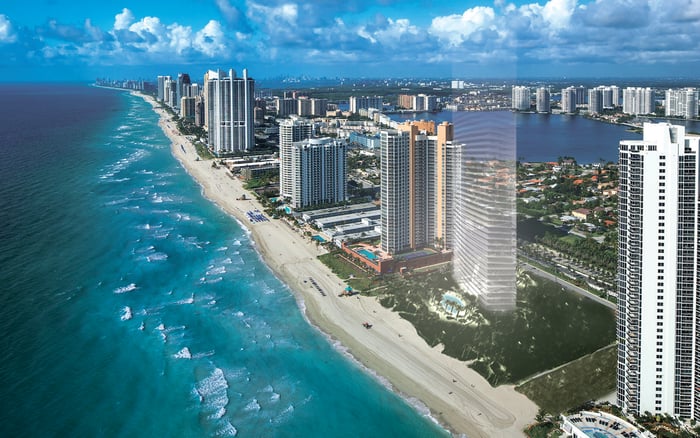
That question matters at St. Regis® Residences Sunny Isles because the setting is unapologetically coastal. Salt air, wind-driven rain, storm exposure, glass, terraces, roof systems, balcony doors, and exterior assemblies are not background details. They are part of the ownership equation. In a luxury condominium, water intrusion can affect value, habitability, insurance posture, maintenance obligations, and long-term confidence.
This is not a suggestion that a problem exists. It is a reminder that oceanfront real estate requires a more sophisticated conversation. Buyers comparing branded and waterfront residences in the corridor, from Bentley Residences Sunny Isles to The Ritz-Carlton Residences® Sunny Isles, should treat envelope diligence as part of the same luxury discipline as legal review, financial review, and design selection.
The first question is direct: have the developer, sales team, or project representatives disclosed any known past water intrusion, moisture, leak, or building-envelope issue? A polished answer in conversation is not enough. Ask for written confirmation of whether any complaints, remediation work, warranty claims, envelope repairs, or anticipated repairs have occurred or are expected.
The word “known” is important, but it should not become a shield against specificity. Ask whether any issues have involved exterior walls, windows, balcony doors, terraces, roof systems, waterproofing assemblies, façade components, or mechanical penetrations. Ask whether any observations were limited to common areas or specific residences. Ask whether any work was temporary, remedial, preventive, or part of normal construction completion.
The best framing is simple: a buyer is not merely purchasing a residence. A buyer is inheriting a building’s maintenance culture, documentation trail, warranty structure, and association governance. In a trophy condominium, that paper trail can be as valuable as the view.
Water intrusion due diligence begins with the building envelope, the system that separates the residence from exterior exposure. In a coastal tower, buyers should ask for a plain-language explanation of the exterior wall system, window specifications, balcony-door assemblies, terrace waterproofing, roof systems, and any penetrations for mechanical or life-safety systems.
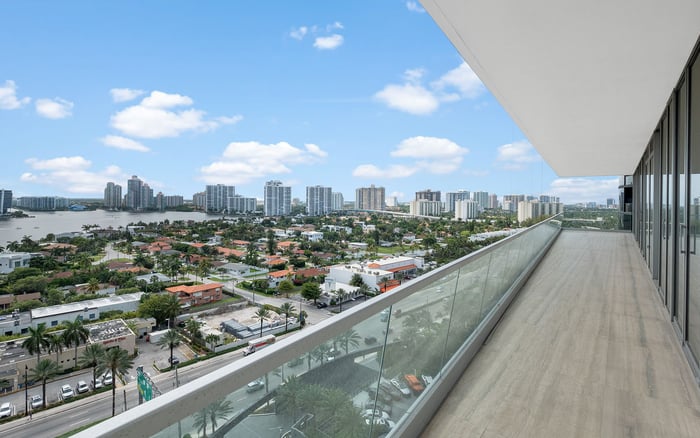
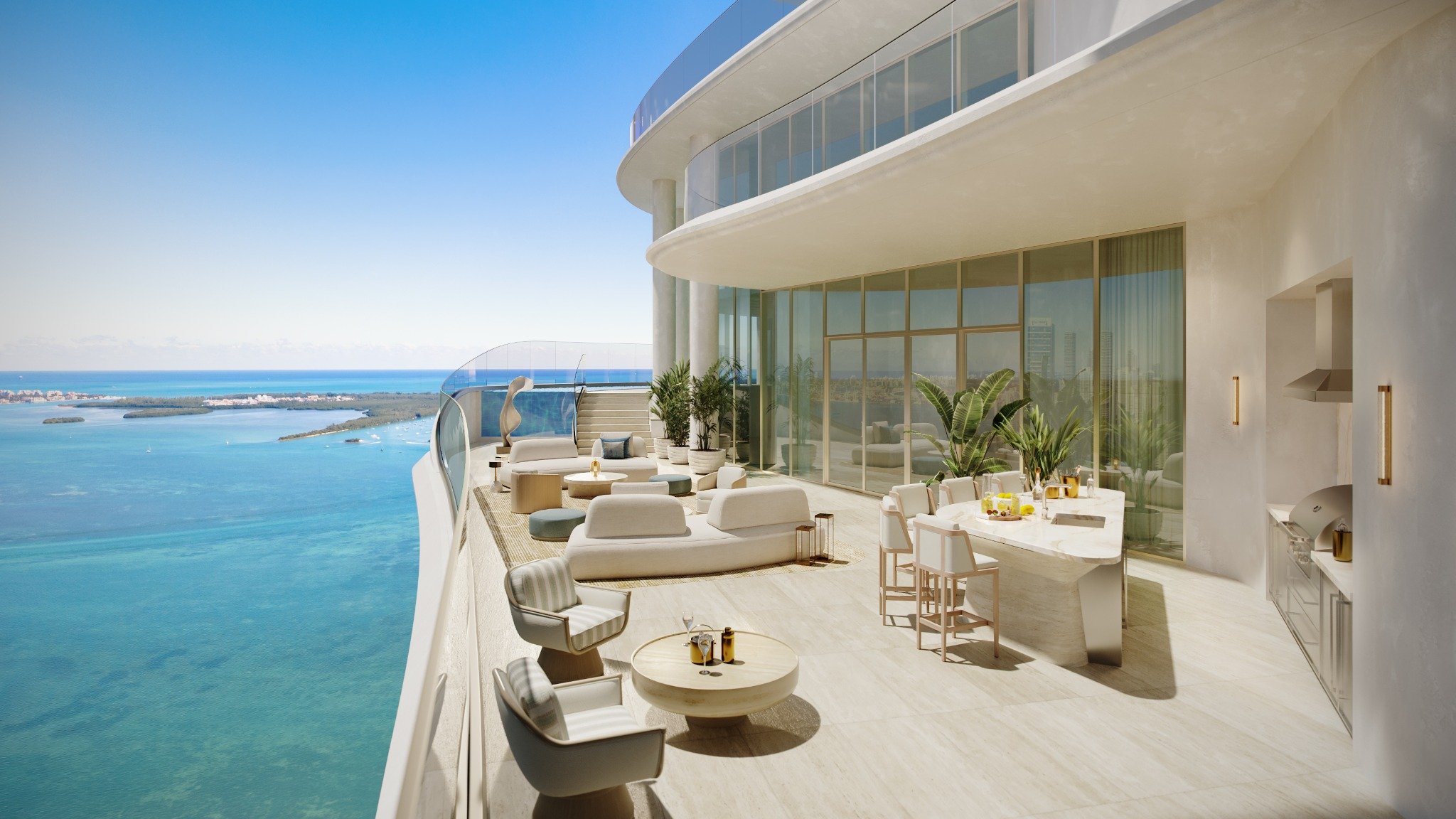
This inquiry is especially relevant in Sunny Isles Beach, where luxury towers often rely on expansive glazing and outdoor living areas to create the lifestyle buyers expect. That architectural beauty needs technical support. A terrace is not only a place for sunrise coffee. It is also a waterproofing condition, a drainage condition, and a maintenance responsibility.
Ask which assemblies are maintained by the association and which may fall to the individual owner. Ask how terrace waterproofing is inspected over time. Ask whether balcony-door thresholds, window perimeters, and façade joints have defined inspection protocols. Waterfront elegance should come with operational clarity.
Design intent is only one part of the answer. Buyers should ask whether the project team conducted water-resistance testing, mock-up testing, flood testing, or other envelope-performance reviews before delivery. The most useful response will explain what was tested, when it was tested, what standards or procedures were used, who reviewed the results, and whether any corrective work followed.
If a buyer is considering a specific residence, the question becomes more focused. Has that unit, its terrace, its balcony doors, or its window line been inspected for moisture-related concerns? Are there any open punch-list items related to water, staining, sealants, drainage, doors, windows, ceilings, or mechanical penetrations? If access is available, an independent engineer or building-envelope consultant can help interpret visible conditions and project documents.
Buyers already understand the difference between a beautiful rendering and a delivered residence. The same distinction applies to waterproofing. A promise is not a protocol, and a protocol is strongest when supported by documentation.
The warranty discussion should be granular. Ask what warranties apply to windows, doors, waterproofing, façade systems, roof systems, terraces, and mechanical penetrations. Then ask who holds each warranty: the developer, contractor, manufacturer, condominium association, or another party.
A warranty is only useful if a buyer knows how it functions. Who submits a claim? What is the required notice period? Are there exclusions for storms, maintenance omissions, owner alterations, or association-controlled components? Are water-related claims handled through the unit owner, the association, or both? Are there limitations in the purchase documents that affect remedies for construction defects or water-intrusion claims?
This is where a luxury real estate attorney earns attention. The attorney should review purchase documents for water-intrusion disclosures, construction-defect language, warranty limitations, maintenance obligations, and provisions that distinguish unit-owner responsibility from association responsibility. That review is not adversarial. It is the discipline of purchasing intelligently.
A tower’s first years set the tone for its long-term performance. Buyers should ask whether the condominium association will maintain reserves, maintenance plans, and inspection protocols for waterproofing and façade systems. The answer matters because even excellent materials require inspection, cleaning, repair, and replacement planning in a coastal environment.
The comparison set in Sunny Isles includes established names such as Jade Signature Sunny Isles Beach and Turnberry Ocean Club Sunny Isles, where sophisticated buyers understand that service, governance, and maintenance are part of the luxury proposition. Branded residences may elevate expectations, but they do not eliminate the need for disciplined building stewardship.
Ask how often façade systems will be reviewed. Ask whether terrace drains, roof areas, balcony doors, sealants, and window perimeters are part of a recurring inspection schedule. Ask whether the association has a plan for documenting owner complaints and tracking any repairs. The goal is not to find perfection. The goal is to find seriousness.
For a high-value coastal purchase, an independent engineer or building-envelope consultant can provide perspective that a buyer, broker, or designer may not. Where feasible, the consultant can review project documents, inspect visible conditions in the specific residence, and flag questions for the developer, association, or legal team.
This is particularly useful when the buyer is evaluating a residence with expansive terraces, large glass openings, or direct exposure to wind-driven rain. The consultant may not be able to see concealed assemblies, but even a focused review can sharpen the buyer’s questions. In new-construction and recently delivered luxury condominiums, the most valuable diligence often lies in aligning the contract, warranties, inspection rights, and future maintenance expectations before the buyer’s leverage narrows.
The best response a buyer can receive is not a vague assurance that everything is fine. It is a coherent file: written disclosures, warranty summaries, testing information, maintenance protocols, association responsibilities, and a clear claim path if an issue arises. That level of organization gives the buyer more than comfort. It supports valuation, insurance conversations, resale confidence, and a more graceful ownership experience.
Water intrusion history is not a niche technical subject. At the ultra-premium edge of South Florida real estate, it is part of asset protection. The view may sell the dream, but documentation protects the investment.
Should I assume water intrusion has occurred at St. Regis® Residences Sunny Isles? No. The prudent approach is to ask documented due-diligence questions without assuming that a specific problem exists.
What is the first question to ask the sales team? Ask whether any known water intrusion, moisture, leaks, envelope concerns, complaints, repairs, or warranty claims have been disclosed.
Why should the answer be in writing? Written confirmation creates a clearer record for legal review, negotiations, warranty analysis, and future ownership decisions.
Which building components deserve the most attention? Focus on exterior walls, windows, balcony doors, terraces, waterproofing assemblies, roof systems, and mechanical penetrations.
Should I ask about water-resistance testing? Yes. Ask whether mock-up testing, flood testing, water-resistance testing, or envelope-performance reviews were conducted before delivery.
Who should review the purchase documents? A real estate attorney should review disclosure language, construction-defect provisions, warranty limits, and association responsibility clauses.
Are warranties enough protection by themselves? Not always. Buyers should understand who holds each warranty, how claims are made, and what exclusions or deadlines apply.
Why do association reserves matter? Reserves and inspection plans help support long-term maintenance of waterproofing, façade systems, roofs, terraces, and related components.
Should I hire an independent engineer? For a significant coastal purchase, an independent engineer or envelope consultant can help review documents and inspect visible conditions where feasible.
Is this diligence different for waterfront luxury condos? Yes. Salt air, wind-driven rain, and storm exposure make envelope performance a central ownership and value consideration.
For a discreet conversation and a curated building-by-building shortlist, connect with MILLION.
If branded residences are on your mind — as a home or as an allocation — we would be glad to share what we are seeing, privately.
Begin a quiet conversation