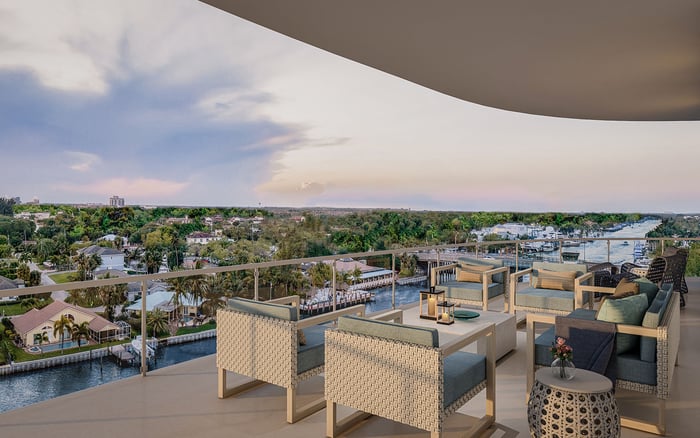
A Palm Beach luxury condo review should move beyond finishes and views to the documents that govern cost, control, insurance, reserves, structural safety, and daily use.

In Palm Beach, a condominium purchase is rarely just a residence with a view. It is a private-life framework: the unit itself, the shared architecture around it, the association’s financial obligations, and the rules that determine how discreetly and freely an owner may live. That is why the document review should begin as soon as the contract is signed, before enthusiasm hardens into assumption.
For affluent buyers comparing Palm Beach, West Palm Beach, and nearby waterfront corridors, the central question is not simply whether the residence is beautiful. It is whether the legal and financial structure supports the lifestyle being purchased. The same principle applies whether a buyer is considering boutique new inventory such as Palm Beach Residences, a highly serviced tower, or a quiet resale in an established building.
The strongest review focuses on three practical risks: lifestyle restrictions, unpredictable assessments, and building-safety or insurance exposure. Below are the questions to put before counsel, the broker, the seller, and the association before the review period slips away.
Ask exactly what is included in the condominium parcel. A condo purchase can involve rights and obligations tied to common elements, association governance, and appurtenances. That can affect parking, storage, terraces, cabanas, boat slips, service areas, and the owner’s share of common expenses.
Next, ask counsel to walk through the declaration. The declaration should identify the unit’s share of common expenses, common surplus, voting rights, and appurtenances. These provisions are not boilerplate in any meaningful sense. They are the economic architecture of the building.
A Palm Beach buyer may pay for privacy, light, and finish level, but future control often sits in the voting percentage and amendment language. Ask how changes to the declaration are approved, because amendments can alter use rights, leasing rules, expense allocations, and other ownership economics.
For a resale condominium, ask whether the seller has delivered the current declaration, articles of incorporation, bylaws, rules, recent financial information, and any required buyer-facing disclosure materials. The buyer’s review cannot be useful if the materials arrive late, incomplete, or in versions that are no longer current.
Ask counsel to confirm the applicable review and cancellation period before the contract is signed. That window can be short, especially for a sophisticated purchase involving counsel, insurance advisors, and possibly a lender. The practical move is to request every document immediately and have the review team ready before execution.
In new-construction purchases, ask counsel to confirm the applicable cancellation period and whether post-contract changes could create additional review rights. For buyers evaluating newer West Palm Beach product such as Forté on Flagler West Palm Beach, the issue is not only the sales presentation. It is the final condominium regime, the association structure, the turnover path, and the documents that will govern life after the developer exits.
Ask for the association’s official records, including meeting minutes, accounting records, budgets, insurance materials, contracts, bids, and other records the association maintains. A polished summary may be useful, but the underlying records are where risk is usually visible.
Meeting minutes can reveal discussions about façade work, elevator modernization, concrete repairs, litigation, staffing, security, insurance renewal pressure, and amenity renovations. Contracts and bids can show whether future obligations are already being priced. Budget history can distinguish a building that is intentionally maintained from one that is deferring decisions.
The most important habit is simple: read the minutes backward, from the most recent meeting to prior meetings. If an issue is serious, it often appears repeatedly before it becomes an assessment.
Ask for the current annual budget and reserve disclosures. The buyer should understand the monthly assessment, the reserve position, and whether reserve funding has been reduced in prior years.
Reduced reserves are not automatically disqualifying, but they demand explanation. Underfunded reserves can signal higher future assessment risk, particularly in older waterfront buildings exposed to salt air, wind, and elevated insurance costs. A low monthly assessment is attractive only if it is not simply postponing capital needs.
Ask directly: are there pending, approved, or expected special assessments? If so, who pays them under the contract and closing documents, the seller or the buyer? Also ask whether there are unpaid assessments or association liens, because unresolved balances can complicate closing.
The distinction matters in a luxury closing. Even a premier Palm Beach residence should be evaluated by reconciling financial documents with the contract language.
Ask whether the building has recent engineering, structural, waterproofing, roof, façade, elevator, or life-safety reports available for review. If inspection materials exist, request the reports, summaries, deadlines, and repair plans.
Ask how reserve planning connects to those records. The goal is not to alarm the buyer. It is to understand whether major work is anticipated, budgeted, delayed, or already underway.
In Palm Beach and along the Intracoastal, structural and waterproofing questions deserve particular attention because coastal buildings operate in a demanding environment. The review should connect the engineering record, the reserve schedule, the budget, and any potential assessment exposure.
Ask for current association insurance policies and coverage summaries. The buyer needs to understand what is covered, what is excluded, and what responsibility remains with the unit owner.
The critical follow-up is personal: what must the unit owner insure separately? Buyers should evaluate coverage for interiors, personal property, liability, and loss assessment exposure. In a highly customized residence, interior improvements may represent a major portion of the real investment. The association’s policy may not protect the millwork, stone, specialty lighting, furnishings, collections, or other personal property inside the unit.
For waterfront buyers, the insurance review should not be an afterthought. It belongs beside the legal review, especially before pricing the full cost of ownership.
Ask how the documents regulate leasing, pets, guests, staff access, renovations, deliveries, fines, suspensions, and enforcement. The governing documents will determine much of the day-to-day experience.
A building may be architecturally refined and still be a poor fit for an owner who wants seasonal leasing flexibility, frequent guests, a service team, or an extensive renovation plan. Ask whether planned amenity upgrades, lobby renovations, façade work, or other common-element changes require owner approval.
For buyers drawn to serviced West Palm Beach offerings such as The Ritz-Carlton Residences® West Palm Beach, review the documents for the precise relationship between hospitality expectations and association obligations. Prestige should be supported by governance clarity.
If the developer still controls the association, ask when turnover is expected and what records must be delivered to the owner-controlled board. Turnover is an important inflection point because operating assumptions, budgets, contracts, and reserves may be reconsidered when owners take control.
Finally, ask about dispute-resolution procedures. Association conflicts are not common in the best-run buildings, but the documents should explain the process if they arise. A luxury purchase deserves not only elegance at entry, but also a stable path for resolving disagreements later.
What is the first document question to ask before buying a Palm Beach condo? Ask what is included in the condominium parcel, including appurtenances, common-element rights, and shared obligations.
How soon should I request condo documents after signing? Immediately. The review period should be reserved for analysis, not spent waiting for basic materials.
What documents matter most in a resale purchase? Request the declaration, articles, bylaws, rules, financial materials, association records, and buyer-facing disclosures that counsel says apply.
Should counsel review the cancellation period? Yes. Ask counsel to confirm the applicable review and cancellation rights before signing so deadlines are not missed.
Why are reserves so important in a luxury building? Reserves help indicate whether the association is preparing for major repairs or deferring costs into future assessments.
Should I ask for inspection or engineering records? Yes. Available reports, deadlines, and repair plans can reveal building-condition and assessment risk.
What insurance questions should I ask? Ask for association policies, coverage summaries, exclusions, and guidance on unit-owner coverage needs.
How do special assessments affect closing? The contract and closing documents should clarify whether the seller or buyer is responsible for pending or approved assessments.
Can condo rules affect my lifestyle? Yes. Leasing, pets, guests, renovations, staff access, and enforcement rules can materially affect daily use.
Why review amendment provisions? Amendments can change use rights, expense allocations, leasing rules, and other ownership economics after purchase.
If you'd like a private walkthrough and a curated shortlist, connect with MILLION.
If branded residences are on your mind — as a home or as an allocation — we would be glad to share what we are seeing, privately.
Begin a quiet conversation