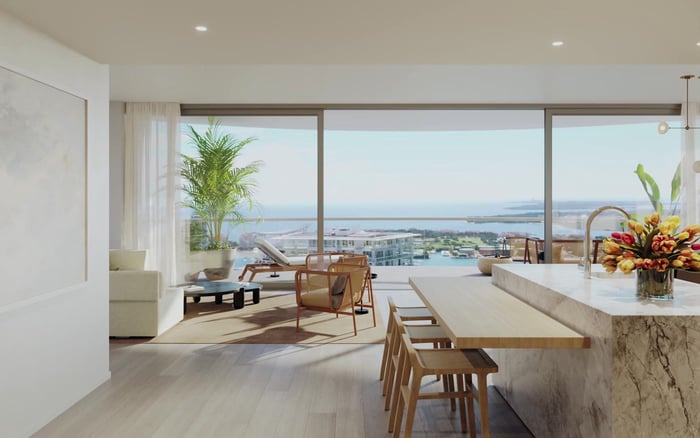
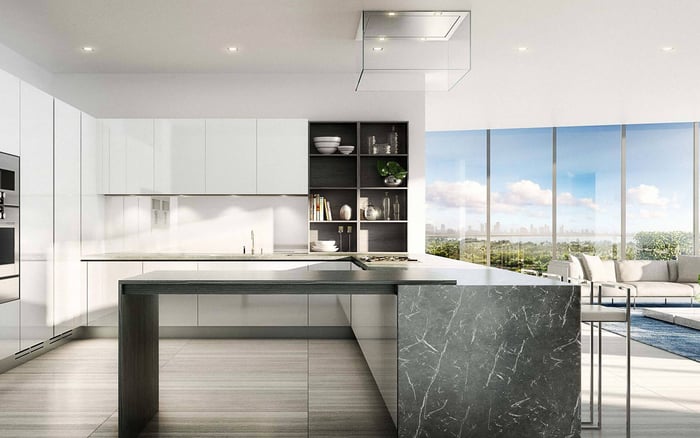
A practical framework for weighing wellness programming, medical access, recurring ownership costs, privacy, and daily usability when selecting a luxury Miami Beach residence.

In Miami Beach, wellness can influence far more than the visual appeal of an amenity floor. For buyers, the relevant questions are practical: Which spaces will the household use? How easily can they be accessed? What level of staffing supports them? And how are those services reflected in recurring obligations?
A serene treatment room, fitness studio, pool, or recovery space may enhance daily life, but the presence of an amenity does not establish its personal value. Frequency is the better test. A feature used four mornings a week can feel integral; one visited twice a year may amount to costly surplus. This distinction is especially important for a second-home buyer whose occupancy pattern differs from that of a full-time resident.
The objective is not to minimize amenities, but to select the right operating model. A residence that supports established habits can simplify a household’s lifestyle, while an oversized program may introduce complexity without improving it.
Carrying costs should be evaluated as the financial expression of how a property operates. Wellness facilities can require staffing, cleaning, utilities, equipment servicing, scheduling systems, insurance, and periodic renewal. Buyers should determine which components are included in regular assessments and which incur separate charges, reservations, memberships, gratuities, or outside-provider fees.
The most useful comparison is not merely one monthly figure against another. Normalize what each property delivers. Determine whether personal training, treatments, classes, or wellness consultations are included, discounted, independently billed, or unavailable. Clarify hours, guest access, booking priority, cancellation rules, and whether private sessions restrict broader resident use.
Reserve planning deserves equal attention. Specialized spaces and equipment may eventually require replacement or refurbishment. A polished current presentation should therefore be weighed alongside budgets, reserves, governing documents, and the history of major building work. For an investment-minded purchaser, this operational discipline can matter as much as the initial amenity impression.
Medical proximity is personal. The right distance depends on whether a household needs routine appointments, specialist care, therapy, rehabilitation, elective services, or simply the reassurance of convenient access. A map pin cannot capture the full experience.
Test likely journeys at the times they would actually occur. Consider building departure procedures, elevator access, valet retrieval, traffic variability, parking, discretion upon arrival, and the ease of returning home after an appointment. If mobility may be a concern, assess every transition among the residence, vehicle, lobby, and destination.
It is also prudent to distinguish convenience from care coordination. A building may offer wellness programming without providing medical services. Buyers should establish precisely what is delivered, by whom, under what terms, and with what privacy practices. Marketing language should never substitute for a clear understanding of scope.
Privacy is shaped by movement. A heavily programmed wellness level can generate more resident, guest, instructor, therapist, and staff traffic. That may feel energetic to one owner and intrusive to another. Tour candidate properties during realistic periods rather than relying solely on a quiet private appointment.
Study the route from the residence to the gym, spa, treatment area, pool deck, garage, and lobby. Note whether service providers share resident elevators, whether guests must be escorted, and whether reservations reveal names or unit information. Ask how deliveries, in-residence appointments, and recurring outside professionals are handled.
Scale is not automatically the answer. A boutique property may offer fewer encounters but less redundancy, while a larger building may employ more sophisticated separation of flows. Buyers comparing The Perigon Miami Beach with Shore Club Private Collections Miami Beach should focus on the lived pattern of access rather than assume either format guarantees greater discretion.
Begin with a one-week lifestyle audit. Record actual exercise, recovery, outdoor, medical, work, family, and social routines. Then identify which activities belong inside the building, which are better served elsewhere, and which require flexible scheduling. This converts an attractive amenity narrative into a personal operating brief.
For some buyers, beach access is central because the shoreline anchors a daily routine. Others may prioritize protected arrival, private fitness, or a simple route to frequently visited medical offices. In either case, the strongest residence reduces friction without compelling the owner to pay for an identity that does not fit.
Comparisons among Five Park Miami Beach, The Ritz-Carlton Residences® Miami Beach, and other Miami Beach options should therefore apply the same scorecard: recurring cost, likely use, privacy, scheduling, service boundaries, and door-to-door convenience. This is more disciplined than simply counting amenities.
Request current budgets, assessment details, reserve information, amenity rules, guest policies, booking terms, and any separate fee schedules available for review. Confirm what is resident-only, what outside providers may use, and what requires advance approval.
Walk every relevant route. Test cellular reception where coordination matters. Observe acoustics near wellness spaces and elevators. Ask how closures, repairs, and peak demand are managed. If health or mobility needs are material, involve the appropriate legal, financial, medical, and accessibility advisers before committing.
Finally, model the residence across realistic occupancy patterns. A full-time owner, seasonal household, multigenerational family, and frequent traveler may assign very different values to the same services. This consideration belongs in sophisticated buyer’s guides because fit, not abundance, is the defining luxury.
Do more wellness amenities always justify higher carrying costs? No. Value depends on regular use, service quality, access, and the household’s willingness to support the operating model.
What wellness costs should a buyer examine? Review assessments, separate service charges, reservations, guest fees, staffing, maintenance, and potential equipment renewal.
Is medical proximity simply a matter of distance? No. Door-to-door travel, traffic, parking, building circulation, mobility, and appointment timing can be equally important.
Can a wellness program affect privacy? Yes. Outside providers, guests, shared elevators, booking systems, and peak amenity traffic can alter a resident’s experience.
Should buyers visit amenities more than once? Ideally, yes. Visits at different times can reveal demand, noise, circulation, staffing, and the practical availability of spaces.
What documents help clarify recurring obligations? Budgets, assessment schedules, reserve information, rules, fee schedules, and recent meeting materials can provide useful context.
How should seasonal owners evaluate wellness value? They should compare annual cost with likely occupancy, booking access during peak periods, and services used while in residence.
Does a boutique building guarantee greater privacy? No. Privacy depends on layout, policies, staffing, guest controls, and circulation rather than size alone.
Can building wellness services replace medical care? Buyers should not assume so. The provider, scope, credentials, terms, and privacy practices must be clearly understood.
What is the best final test before purchasing? Score each property against actual household routines, total recurring obligations, privacy preferences, and medical travel needs.
For a confidential assessment and a building-by-building shortlist, connect with MILLION.
If branded residences are on your mind — as a home or as an allocation — we would be glad to share what we are seeing, privately.
Begin a quiet conversation