For long-term South Florida buyers, the strongest purchase is rarely a simple contest between an international name and a beloved local address. Brand cachet can clarify service, design expectations, and future liquidity, while neighborhood authenticity determines how naturally a residence supports daily life. The most resilient decisions tend to combine both: a building that feels globally legible, set within a place the owner will still choose years from now.
For a buyer building a long-term South Florida base, the question is not whether global brand cachet or neighborhood authenticity matters more. The sharper question is which one does more work for the life the buyer is actually trying to build.
A branded residence can offer immediate legibility. It tells a global buyer what to expect from service, finishes, arrival sequence, wellness spaces, privacy, and hospitality sensibility. That has value, especially for owners who divide time between cities and want a residence that performs with little explanation. Yet a brand alone cannot make a location feel intimate, convenient, or personally rooted.
Neighborhood authenticity does different work. It answers the questions that begin after closing: where mornings happen, how easy dinner is without planning, and where children, guests, dogs, boats, schools, art, and routines fit. A buyer may admire a tower from afar, but long-term attachment usually forms at the sidewalk, marina, beach path, restaurant table, school commute, or shaded residential street.
In South Florida, the best purchases often sit at the intersection of both forces. They carry enough design and service identity to remain globally understandable, while belonging to a neighborhood that still feels specific.
Global cachet is not merely a logo. At the highest end, it can function as shorthand for governance, consistency, and confidence. It can reduce ambiguity for a buyer arriving from another major market. When a recognized name is attached to a residence, the buyer often expects a more curated experience, from lobby atmosphere and staff training to amenity programming and the choreography of privacy.
That is one reason branded projects in Brickell remain compelling to internationally mobile buyers. In a district defined by finance, dining, water views, and urban convenience, 888 Brickell by Dolce & Gabbana speaks to buyers who want a cosmopolitan address with a strong design identity. The brand can help frame the residence before a buyer has even walked through the door.
But cachet has limits. A famous name cannot correct an address that feels wrong for the owner’s daily rhythm. It cannot create quiet if the buyer needs quiet, walkability if the buyer requires it, or an emotional connection to the neighborhood. Brand should be treated as an accelerant, not a substitute for fit.
Authenticity is often understated because it is harder to package. It is the confidence of knowing that a place has its own cadence. Coconut Grove, Surfside, Palm Beach, Brickell, and Coral Gables each speak to a different version of South Florida life. The right one depends less on prestige than on repetition. Where will the owner still want to be on an ordinary Tuesday in August?
Coconut Grove is a useful example because its appeal is not only architectural or tropical. It is the feeling of being settled, leafy, and residential while remaining connected to Miami’s broader cultural and business life. A buyer considering Four Seasons Residences Coconut Grove is not only buying into service expectations. The buyer is also buying into a neighborhood where intimacy, canopy, waterfront proximity, and village character are central to the proposition.
That distinction matters for second-home buyers who eventually behave like primary residents. Many arrive imagining seasonal use, then discover that the real value of South Florida is continuity. A home that supports daily rituals can become more important than one that photographs dramatically but feels detached from routine.
South Florida luxury is sometimes discussed as if it were a single coastal market. In practice, it is a mosaic of distinct identities. Brickell rewards buyers who want vertical energy, dining, business access, and an international social circuit. Surfside appeals to those who value discretion, beach scale, and proximity to Bal Harbour without living inside a louder environment. Coconut Grove often points buyers toward a softer, greener, more residential interpretation of Miami.
Surfside illustrates the power of place. A residence such as The Delmore Surfside is compelling because it sits within a location where restraint matters. The neighborhood’s luxury language is quieter than many buyers expect. For some, that is precisely the point.
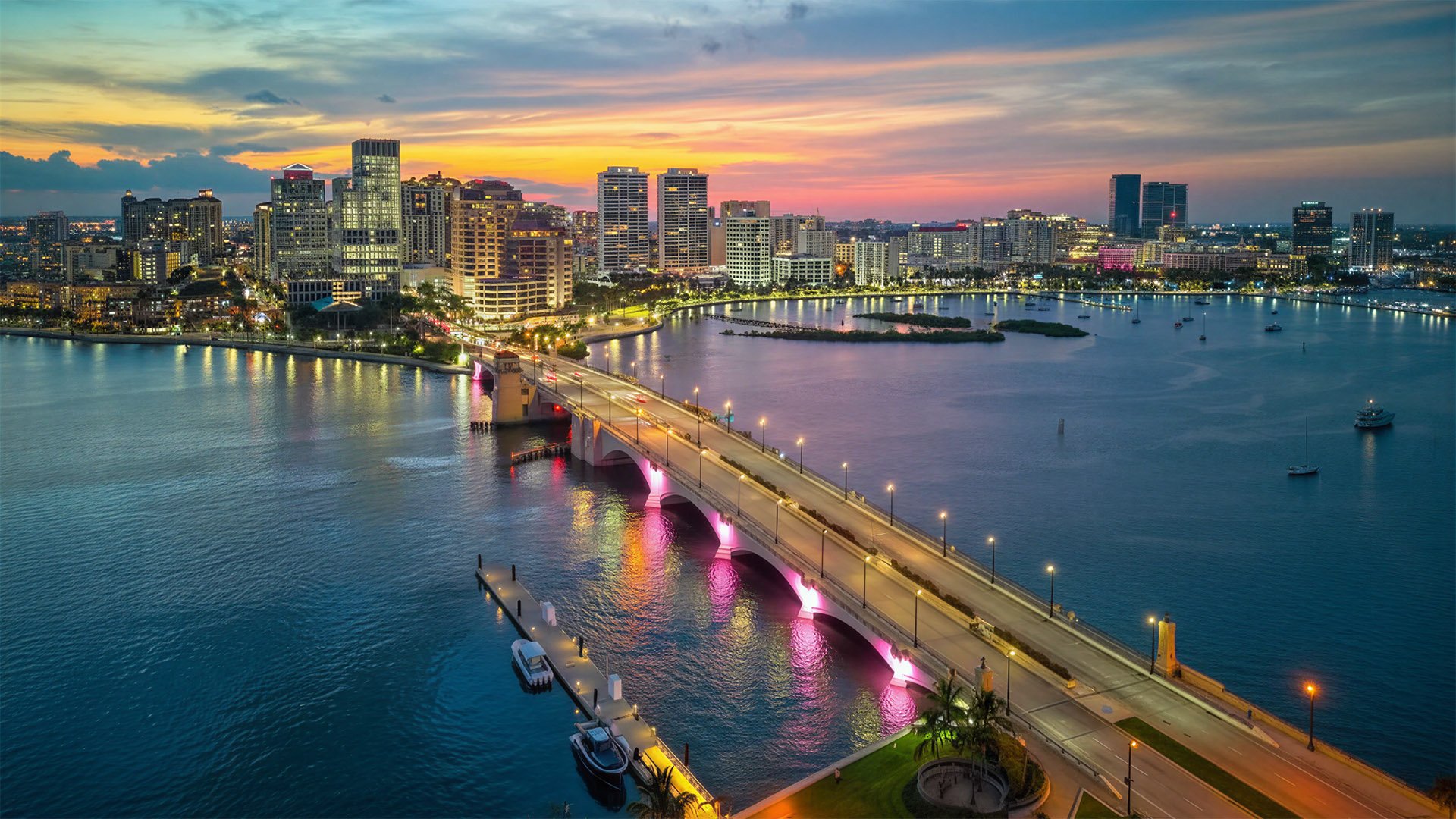
Palm Beach and West Palm Beach add another dimension. They attract buyers who may be less interested in Miami’s velocity and more focused on a refined, enduring base with cultural, dining, waterfront, and estate-driven sensibilities. The Ritz-Carlton Residences® West Palm Beach can appeal to buyers who want recognized service within a market that has its own powerful identity.
The strongest framework is to separate recognition from residence. Recognition asks: will the building be easily understood by future buyers, guests, family offices, lenders, and global peers? Residence asks: will the owner actually want to live here repeatedly, comfortably, and without friction?
For investment-minded buyers, brand can matter because it may broaden the audience and simplify the story. For lifestyle buyers, authenticity often becomes the more durable force because it determines whether the home is used deeply rather than occasionally. New construction adds another layer, since newer buildings can offer current layouts, amenities, and systems, but the surrounding neighborhood still has to carry the experience outside the private elevator.
The most sophisticated buyers do not treat the decision as emotional versus financial. They know emotion protects value when it is widely shared. A neighborhood that people genuinely desire, paired with a building that is easy to understand and maintain, can be more resilient than either attribute alone.
Before choosing between brand and neighborhood, buyers should answer five private questions. First, is the home meant to impress, restore, connect, simplify, or anchor? Second, will it be used for weekends, seasons, school years, business weeks, or eventual full-time living? Third, does the buyer prefer staff-led convenience or neighborhood-led spontaneity? Fourth, will guests be central to the residence, or is privacy the higher luxury? Fifth, if the brand disappeared from the conversation, would the location still be desirable?
If the answer to the last question is no, pause. If the neighborhood feels right but the building lacks service, privacy, or long-term clarity, pause again. The ideal South Florida base should not require compromise on the fundamentals. It should feel both legible to the world and personal to the owner.
For buyers building a long-term base, neighborhood authenticity usually matters slightly more because it governs lived satisfaction. But brand cachet can be decisive when it enhances a neighborhood the buyer already loves. The hierarchy is simple: choose the place first, then choose the best expression of that place.
A globally recognized residence in the wrong neighborhood may become a trophy. A deeply authentic neighborhood in the wrong building may become a frustration. The enduring purchase is the one where the building’s identity and the neighborhood’s character reinforce each other.
Does a global residential brand help resale? It can help by making the property easier for a broad buyer audience to understand. Resale still depends heavily on location, condition, pricing, and the strength of the building itself.
Is neighborhood authenticity more important for full-time residents? Usually, yes. Full-time residents experience the surrounding area every day, so convenience, atmosphere, and routine become central to satisfaction.
Should a second-home buyer think like a primary buyer? Often, yes. Many South Florida second homes evolve into longer stays, so daily livability should be considered from the beginning.
Is Brickell better for brand-driven buyers? Brickell is attractive to buyers who value urban energy, international recognition, dining, and business access. It can suit branded residences particularly well.
Why does Surfside appeal to discreet luxury buyers? Surfside offers a quieter coastal setting with proximity to established luxury amenities. Its appeal often lies in restraint rather than spectacle.
Can new construction offset a less ideal neighborhood fit? Only to a point. A new building may offer modern convenience, but the owner still has to enjoy the surrounding environment.
What matters most for investment buyers? Clarity, location strength, building quality, and buyer depth all matter. A brand may help, but it should not be the only reason to purchase.
How should families evaluate authenticity? Families should study schools, commutes, outdoor space, dining patterns, and weekend routines. The best neighborhood is the one that lowers daily friction.
Is a branded residence always more luxurious? Not automatically. True luxury depends on design, service execution, privacy, materials, maintenance, and how well the residence supports the owner’s life.
What is the safest long-term approach? Start with the neighborhood that feels durable, then select a building with service, design, and liquidity that match the buyer’s expectations.
To compare the best-fit options with clarity, connect with MILLION.
If branded residences are on your mind — as a home or as an allocation — we would be glad to share what we are seeing, privately.
Begin a quiet conversation