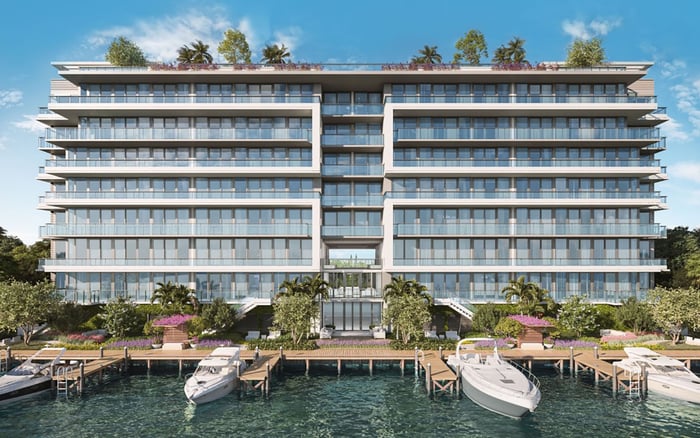
A buyer-facing 2026 checklist for evaluating freight-elevator timing at Alma Bay Harbor Islands, with emphasis on service capacity, scheduling, loading access, governance, and long-term luxury value.
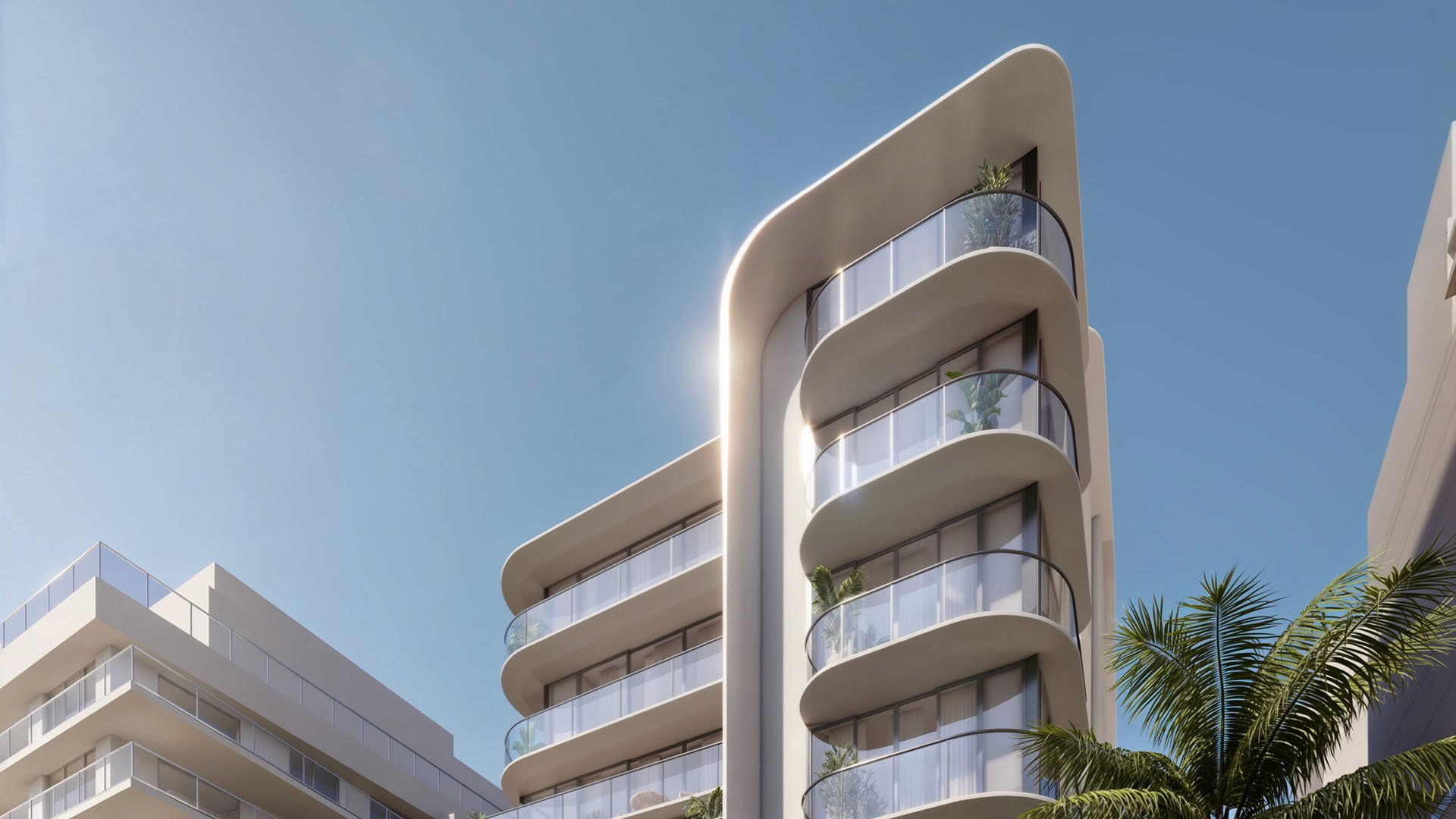
For buyers evaluating Alma Bay Harbor Islands in 2026, freight-elevator timing should not sit in a miscellaneous operations folder. It belongs beside floor plans, finish schedules, governance documents, insurance assumptions, and closing timelines. In luxury residential real estate, ownership is often defined by what happens out of sight: how furniture arrives, how contractors access a residence, how renovations are sequenced, and how the building protects privacy while daily life continues.
Freight-elevator timing extends well beyond a cab and a call button. It includes vertical circulation, construction logistics, move-ins, renovations, deliveries, contractor access, long-term maintenance, and the rules that determine priority when several owners need the same back-of-house pathway. A residence can present beautifully in a sales environment yet still create friction if service logistics are undersized, poorly scheduled, or governed by policies that do not match the expectations of an ultra-premium buyer.
The point is not to assume a problem at Alma Bay Harbor Islands. The point is to verify the operating system before commitment. In practical advisor shorthand, this is Bay Harbor diligence as much as new-construction diligence, touching pre-construction documents, boutique building operations, waterview delivery logistics, and investment resilience.
The first question is simple: what exactly constitutes the service path from street to residence? A buyer should understand how items move from loading access to elevator, from elevator to corridor, and from corridor to private entry. If the building is positioned for refined living, the back-of-house sequence should feel equally deliberate.
Request a plain-language explanation of the freight or service elevator design. Ask whether the elevator is intended for move-ins, large furniture, contractor materials, appliance replacement, trash movement, staff circulation, and recurring deliveries. Those uses are not identical. A cab that handles occasional packages may not be suited to simultaneous move-ins and contractor work, while a policy that seems reasonable in quiet periods may be strained during initial occupancy.
Buyers should avoid relying solely on renderings, amenity descriptions, or verbal assurances. Written policies matter because they govern the practical experience after closing. The best question is not only what the building provides, but how access is administered when multiple owners need the same resource.
Capacity is one of the most important diligence points because it affects both time and money. An undersized service elevator can delay move-ins, slow furniture installation, and create inefficiencies for designers, installers, and contractors. The issue becomes more acute in residences with large-scale furnishings, art, built-ins, specialty lighting, or customized millwork.
Buyers should ask for the elevator’s intended service role, not just a general description. What types of deliveries can it accommodate? How are oversized items handled? Is there a review process for furniture dimensions before delivery day? Are protective measures required in the cab, corridors, and common areas? Who approves those measures, and how far in advance?
For sophisticated owners, the financial consequence is not abstract. Contractor downtime, delayed installations, storage fees, rescheduled crews, and repeated site visits can all arise from constrained vertical access. Freight-elevator timing can therefore become a real cost center, especially during the first year of ownership, when many buyers are furnishing, personalizing, or refining a residence.
Redundancy is the second major test. If a building relies on a single service route, that route may become a bottleneck when it is reserved, overloaded, undergoing maintenance, or temporarily unavailable. Even in a well-managed building, the owner experience depends on how limited access is allocated during peak demand.
The diligence question should be framed operationally: what happens when two owners request move-in windows on the same day? What happens when a contractor reservation conflicts with a furniture delivery? What happens if the service elevator is temporarily out of service? The answer may be a formal priority system, a manager’s discretion, a first-come process, or a rule embedded in condominium documents.
Luxury buyers should not treat this as a minor inconvenience. In a highly serviced residence, convenience is part of perceived value. If the service backbone is difficult to reserve, unavailable at key times, or too narrow for the real demands of ownership, that friction can influence how the residence is experienced and, over time, how it is perceived by future buyers.
Elevator specifications tell only half the story. Operating policies determine how the asset is used. A well-designed service elevator can still create frustration if move-in windows are narrow, contractor hours are restrictive, delivery rules are rigid, or reservation lead times are longer than an owner expects.
Before signing, buyers and advisors should request written policies for move-ins, furniture deliveries, renovations, contractor access, appliance replacement, art installation, protective coverings, security procedures, and cancellation rules. They should ask whether weekend deliveries are permitted, whether holidays are restricted, whether deposits are required, and whether penalties apply for damage or overtime.
Governance matters because condominium rules can shape the practical freedom of ownership. If renovation hours are limited, if elevator reservations are capped, or if contractor access requires extensive approvals, an owner’s timeline may change. For primary residents, that can affect daily convenience. For seasonal owners, it can compress an already limited window for improvements.
The elevator is only one part of the logistics chain. Loading access may be equally consequential. A refined building should have a coherent path for trucks, staging, protective wrapping, security coordination, and movement through common areas. If the loading sequence is poorly coordinated, delays and damage risk can increase.
Buyers should ask how deliveries enter the property, where vehicles wait, how long trucks may remain, and how conflicts are handled when several deliveries arrive at once. They should also ask who inspects common areas before and after large moves, who installs protection, and how responsibility is assigned if walls, flooring, elevator interiors, or unit finishes are damaged.
The last fifty feet often reveal the quality of operations. The transition from elevator to residence should protect privacy, preserve finishes, and allow the owner’s team to work efficiently. In the best luxury buildings, back-of-house choreography feels invisible. In weaker systems, it becomes visible at exactly the wrong moments.
Alma Bay Harbor Islands should be evaluated against comparable South Florida luxury projects and broader best practices for discreet residential operations. The appropriate benchmark is not simply whether a service elevator exists. The question is whether the service infrastructure aligns with the building’s luxury positioning and the expectations of owners who may bring designers, art handlers, custom furniture teams, and long-term property managers into the residence.
A strong diligence conversation should include the developer, sales team, condominium counsel, property manager, and, where available, operations or construction representatives. Each may answer a different part of the same question. Sales materials may explain the vision; governing documents and written policies determine the lived reality.
The most valuable answer is specific and documented. Buyers should seek policies that clarify scheduling, capacity assumptions, loading access, reservation priorities, protective requirements, fees, deposits, and escalation procedures. If a residence is intended to feel effortless, the service system must be planned with the same seriousness as the visible architecture.
Start with design intent. What service elevator or freight pathway is planned, and what ownership activities is it meant to support? Then test capacity. Can the system handle large furniture, appliances, construction materials, and specialist installers without excessive delay?
Next, review redundancy. If the primary service route is unavailable, what is the alternative? If no alternative is offered, what policies reduce bottleneck risk? Then examine scheduling. How are move-ins, deliveries, renovations, contractor access, and recurring service appointments reserved?
Finally, study governance. Ask for written rules rather than verbal summaries. Confirm whether the policies are subject to change after turnover, whether the association can revise access windows, and whether owners receive notice before major operational changes. The goal is not to overcomplicate the purchase. The goal is to ensure the building’s invisible infrastructure supports the lifestyle promised by the residence.
What does freight-elevator timing mean for Alma Bay Harbor Islands? It refers to how service elevators and related logistics handle move-ins, deliveries, renovations, contractor access, and long-term operations.
Why should buyers review this before contract? Freight-elevator constraints can affect move-in timing, contractor efficiency, delivery convenience, and the overall ownership experience.
Should buyers rely on renderings or sales descriptions? No. Buyers should request written elevator and delivery policies because operations are governed by documents and building rules.
What capacity questions should be asked? Ask what the service route is designed to accommodate, how oversized items are reviewed, and what approvals are required before delivery.
Why does redundancy matter? If one service route becomes unavailable or overbooked, owners may face delays unless the building has clear backup procedures.
Can elevator rules affect renovation plans? Yes. Limited contractor hours, reservation windows, and access rules can influence renovation sequencing and completion timelines.
What loading-access details matter most? Buyers should understand truck staging, common-area protection, inspection procedures, and responsibility for potential damage.
Are there financial implications? Yes. Delayed installations, contractor downtime, storage needs, and repeated visits can create additional coordination costs.
How should Alma be benchmarked? It should be compared with other South Florida luxury residences and best practices for discreet service operations.
What is the central takeaway for 2026 buyers? Back-of-house infrastructure can materially affect comfort, convenience, and perceived value in a luxury residence.
For a discreet conversation and a curated building-by-building shortlist, connect with MILLION.
If branded residences are on your mind — as a home or as an allocation — we would be glad to share what we are seeing, privately.
Begin a quiet conversation