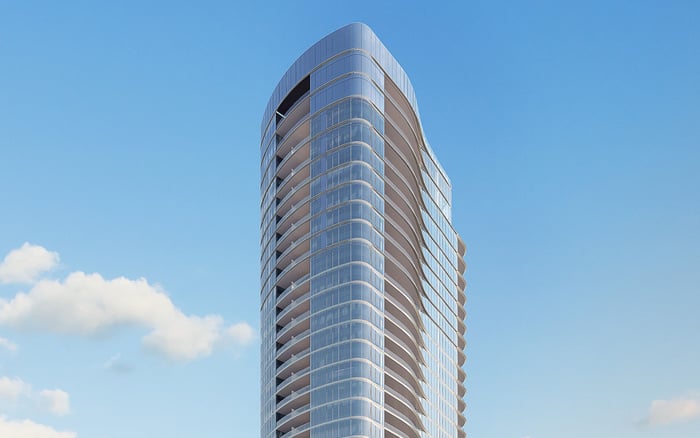
A discreet buyer’s framework for assessing Wynwood walkability while preserving privacy, quiet, arrival control and long-term residential value before purchasing.
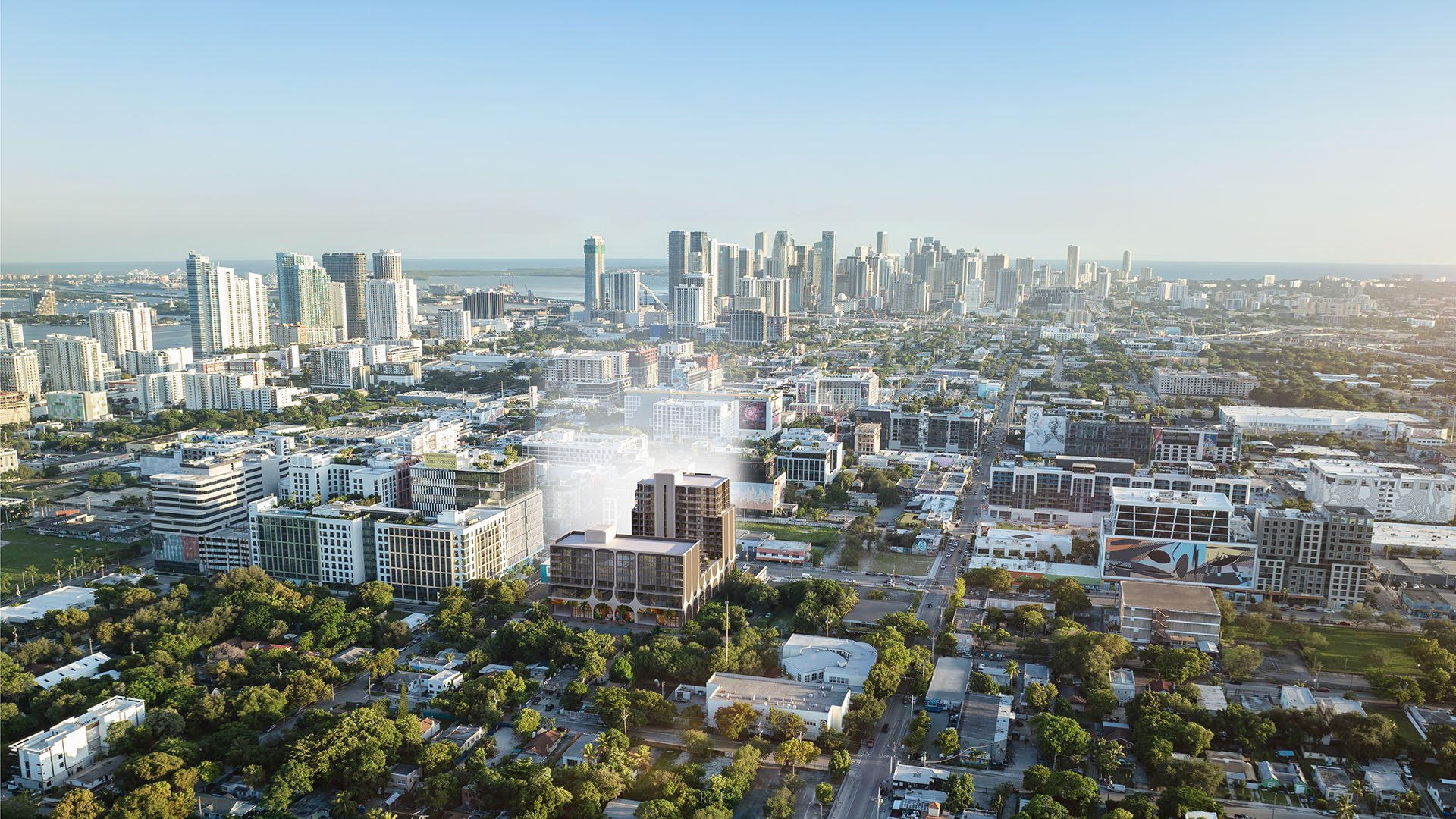
Wynwood rewards buyers who want the city at their feet. Restaurants, galleries, studios, design showrooms and nightlife can make daily life feel unusually immediate. Yet the same energy that makes the neighborhood compelling can also challenge the privacy expectations of a luxury buyer. The goal is not to avoid activity; it is to select the precise building, line, floor and arrival sequence that allow the neighborhood to serve the residence rather than overwhelm it.
Walkability is never just a score. It is a lived condition measured by sound, light, crowd patterns, curb behavior, delivery activity and the feeling of returning home at different hours. In Wynwood, the right purchase should keep culture close while making the private realm feel controlled, quiet and intentional.
A five-minute walk can feel graceful on one block and exposed on another. Buyers should physically test the routes they expect to use most often: morning coffee, dinner, fitness, parking, rideshare pickup and guest arrival. Walk the same paths during the day, after dark and on a weekend evening. Notice where pedestrians cluster, where cars slow, where music carries and where lighting feels polished rather than harsh.
The most valuable observations are sensory. Does the route feel natural in elevated attire? Are there clean visual transitions from public street to residential entry? Is the building approached through a calm edge, or does the entrance sit directly in the path of nightlife movement? Walkability should add ease, not require negotiation.
This is where a dedicated Wynwood option such as Frida Kahlo Wynwood Residences belongs in the conversation: not simply as a point on a map, but as part of a broader evaluation of how a residence mediates between neighborhood intensity and private daily life.
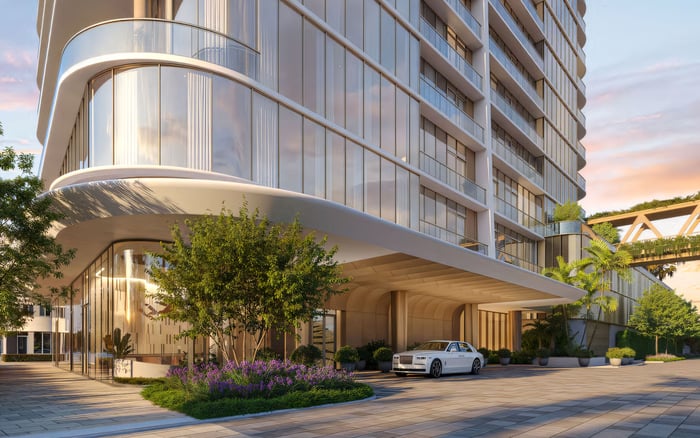
Privacy begins before the front door. Study how the building meets the sidewalk. A more discreet residential experience often depends on layered thresholds: a legible entry, controlled access, protected drop-off logic, thoughtful lobby depth and separation between public-facing retail energy and private circulation.
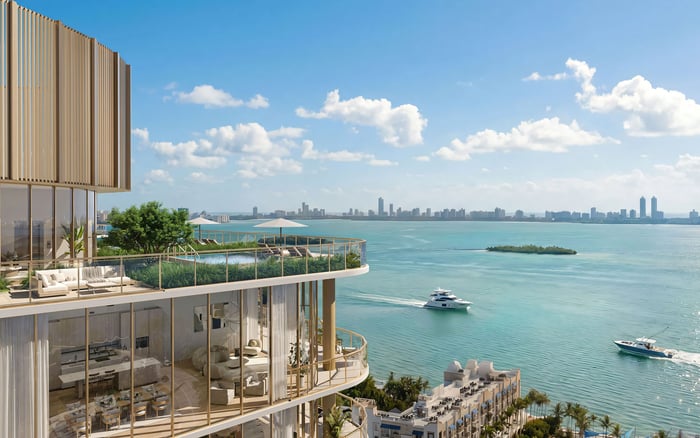
Then look upward. Floor height, exposure, glazing, balcony depth and neighboring sightlines can matter as much as square footage. A lower residence may offer immediacy but more street awareness. A higher residence may reduce visual exposure and soften noise, but only if surrounding massing and orientation support that effect. Buyers should stand at the windows and ask a simple question: who can see me, and when?
Boutique scale can be appealing when it creates calmer circulation and fewer shared encounters, but it should still deliver a refined privacy sequence. Larger buildings may offer more amenity depth, yet require careful review of elevator flow, guest management and service access. The issue is not size alone. It is choreography.
Wynwood’s appeal is cultural, but a residence must also support ordinary life. Buyers should distinguish between walkability that is exciting and walkability that is useful. The former includes galleries, dining and evening destinations. The latter includes groceries, wellness, dry cleaning, pet routines, daily errands and comfortable transportation connections.
A strong purchase usually offers both, but not always on the same block. The best location may be slightly removed from the loudest activity while still close enough to enjoy it spontaneously. Lifestyle value is highest when a buyer can choose intensity, not be subjected to it.
This is why comparisons to nearby residential nodes can be useful. Miami Design Residences Midtown Miami may frame one version of urban adjacency, while Kempinski Residences Miami Design District can help buyers think about how design district proximity differs from the heart of Wynwood. These comparisons sharpen the question: do you want to be inside the energy, beside it or above it?
Luxury buyers often analyze views with precision, but sound deserves equal attention. Visit the residence or sales environment with a disciplined ear. Consider traffic hum, event spillover, music, mechanical systems, service vehicles and the way sound reflects between buildings. Ask how windows perform, how balconies are positioned and whether bedroom walls face the most active exposures.
Noise is not always disqualifying. Some buyers prefer a soft urban backdrop. The risk is inconsistency: a home that feels serene on a weekday afternoon but changes character after dinner. Before purchasing in Wynwood, buyers should understand the rhythm of the block, not just the identity of the neighborhood.
New-construction buyers should also look beyond renderings and ask how materials, glazing systems and private outdoor spaces are intended to manage urban conditions. In established buildings, touring comparable lines at different times can reveal what marketing language cannot.
For many high-net-worth buyers, privacy is most vulnerable at arrival and departure. The curb, garage, valet area, lobby and elevator bank create the true first impression. If guests, residents, service providers and the public all converge in the same space, privacy can erode quickly.
A strong Wynwood purchase should offer a clear arrival plan. Where does a car wait? Where does a driver pull in? Can residents enter without becoming part of the street scene? Is there a separate path for deliveries or service needs? Does the lobby feel like a residence or a public lounge?
Buyers considering broader Miami options may compare the urban privacy equation with nearby neighborhoods. EDITION Edgewater introduces a different relationship to bayfront calm and city access, while 2200 Brickell can help frame how a more established vertical neighborhood handles daily convenience. The point is not to leave Wynwood. It is to define what level of urban exposure feels elegant for your life.
Investment value in a walkable neighborhood depends on more than popularity. The most resilient residences tend to offer a balanced proposition: access to energy, credible privacy, functional layouts, sensible parking or arrival logic, and a feeling of calm once inside. Buyers should be cautious about units that rely entirely on neighborhood momentum while ignoring the lived experience of the home.
Privacy can become a resale differentiator. A buyer who secures protected sightlines, quieter orientation and composed access may appeal to a broader future audience than one who simply purchases the most visible address. In Wynwood, discretion is not the opposite of vibrancy. It is the premium version of it.
Should I rely on walkability scores when buying in Wynwood? Use them only as a starting point. The more important test is how the walk feels at the hours you will actually live there.
What is the biggest privacy risk in a walkable neighborhood? The most common risk is uncontrolled exposure at the entry, balcony, windows or curb. Privacy depends on how the building handles transitions from public to private space.
Are higher floors always more private? Not always. Higher floors can help, but orientation, neighboring buildings, glazing and balcony placement are just as important.
How many times should I visit before making an offer? Visit at least during daytime, evening and a weekend period. Each visit will reveal a different version of the block.
Is being on the busiest block better for value? Not necessarily. A slightly calmer edge with easy access to the action may offer a stronger daily living experience.
What should I ask about building access? Ask how residents, guests, deliveries and service providers move through the property. Separation and control are essential to discretion.
Can a boutique building be more private? It can be, if circulation is well designed and access is controlled. Smaller scale alone does not guarantee privacy.
Does new construction solve noise concerns? It may help through newer materials and systems, but buyers should still assess orientation, glazing and the surrounding street rhythm.
How does Wynwood compare with nearby areas? Wynwood is defined by cultural immediacy. Nearby areas may offer different balances of quiet, convenience, views and residential formality.
What is the smartest way to protect long-term investment value? Choose a residence that combines walkable access with privacy, calm interiors and a refined arrival experience.
For a confidential assessment and a building-by-building shortlist, connect with MILLION.
If branded residences are on your mind — as a home or as an allocation — we would be glad to share what we are seeing, privately.
Begin a quiet conversation