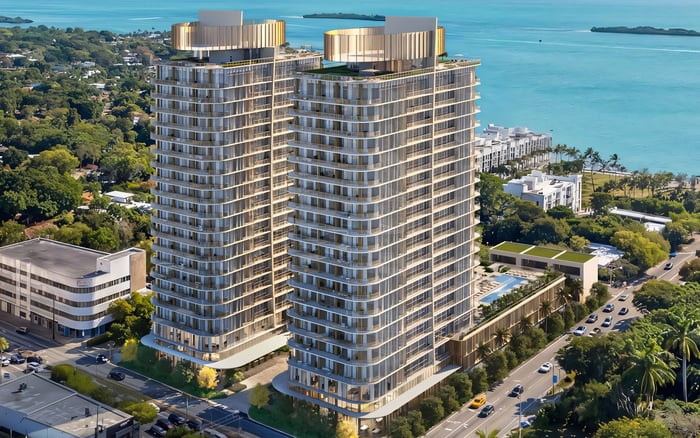
A buyer-focused guide to planning extended family stays at Miami Design Residences Midtown Miami, with emphasis on privacy, flow, storage, routines, and service-minded hosting.

Extended family stays ask more of a residence than a weekend visit. They test circulation, privacy, acoustic separation, storage, seating, and the unglamorous but essential routines of daily life. At Miami Design Residences Midtown Miami, the question is not simply whether there is an extra bed. It is whether the home can comfortably absorb grandparents, adult children, caregivers, or relatives visiting for a season without disrupting the owner’s own rhythm.
For South Florida buyers, this is a familiar luxury consideration. Miami is often both home base and gathering point, especially for families spread across New York, Latin America, Europe, and other parts of the Southeast. A second home may need to live like a primary residence for three weeks in winter, then return to a quieter owner-only mode. That dual identity should shape how buyers evaluate floor plans, furniture, and everyday logistics.
The best guest strategy is discreet. It does not announce itself as a workaround. It creates a home where family can arrive with luggage, routines, preferences, medications, work calls, and children’s schedules, then settle in gracefully.
A good extended-stay plan begins before anyone sleeps over. Consider the arrival sequence from lobby to residence entry to luggage placement. Long-stay guests rarely arrive with one overnight bag. They bring suitcases, garment bags, sports gear, gifts, and occasionally work equipment. The first hour can set the tone for the entire visit.
Inside the residence, the entry should offer a clear decision point: where bags go, where shoes land, where keys and cards are placed, and how guests orient themselves. A console, concealed storage, or secondary closet can keep the living room from becoming a staging area. In a design-conscious setting, this is less about adding furniture than preserving the visual calm that drew the buyer to the residence in the first place.
Midtown Miami also supports a lifestyle pattern in which visiting family may split time between dining, shopping, cultural outings, and relaxed time at home. The residence should therefore work equally well as a launch point and a retreat.
For extended stays, the guest room should function as a private micro-suite, not a decorative afterthought. The essential questions are practical. Can guests unpack fully? Is there a surface for a laptop or reading? Is lighting layered enough for different ages and habits? Can one guest wake early without disturbing another?
A true guest strategy also considers bathroom access. If a guest bath is shared with daytime visitors, the room may feel less private over time. If the bath is directly accessible or positioned nearby, the stay becomes easier and more dignified. Small details matter: towel storage, robe hooks, night lighting, and a place for toiletries can make a residence feel considered rather than borrowed.
Buyers comparing Midtown with nearby urban neighborhoods may also study how guest suites are handled in projects such as Kempinski Residences Miami Design District or EDITION Edgewater. The point is not to chase a label, but to examine how different residences handle separation, access, and the quiet rituals of hosting.
A flex room can be invaluable, but only when its purpose is clear. For extended family stays, the most effective flex rooms typically serve one of three roles: a second sleeping space, a work and study room, or a children’s retreat. Asking one room to serve every purpose at once often creates visual clutter and operational friction.
If the room will occasionally sleep relatives, choose pieces that look intentional when closed and feel comfortable when in use. If it will function as an office during family visits, prioritize doors, lighting, and a background suitable for video calls. If children will use it, plan storage low enough for them to access without turning the main living area into a playroom.
This is where a new-construction mindset can be useful, even when evaluating lifestyle rather than delivery timing. Buyers should think in systems: where linens live, where chargers collect, how laundry circulates, and whether the room can change roles without feeling temporary.
During an extended family visit, the kitchen becomes a clock. Coffee routines, breakfast preferences, snack traffic, late dinners, and quiet cups of tea all move through the same space. Size helps, but rhythm matters more.
A buyer should ask how many people can comfortably gather without blocking cooking, refrigeration, or cleanup. An island may be beautiful, but its success depends on clear circulation. Seating should allow family to linger without preventing the host from moving freely. Storage should account for duplicate preferences, from sparkling water to specialty foods to children’s items.
For families who host often, a second beverage zone or well-organized pantry concept can reduce congestion. Even without changing the architecture, thoughtful planning can make the residence feel calmer. Trays, labeled shelves, and dedicated breakfast drawers may sound mundane, but they are the infrastructure of gracious living.
A terrace can transform an extended visit. It gives early risers somewhere to sit without waking the household, offers a place for private calls, and creates breathing room when several generations are under one roof. The most successful outdoor areas are not overfurnished. They give guests choices: a chair for solitude, a dining surface for casual meals, and enough shade or comfort planning to make the space usable.
Outdoor space also supports emotional pacing. Families need togetherness, but they also need intervals of separation. A residence that offers more than one place to read, call, work, or decompress will usually host better than one large room with no secondary escape.
Buyers considering an urban Miami lifestyle may compare this indoor-outdoor balance with waterfront or bay-oriented options such as Aria Reserve Miami. The correct choice depends on how the family actually lives, not on a generic definition of luxury.
The strongest amenity strategy is one that protects the home from having to do everything. A pool, lounge, fitness area, or shared social space can give relatives a destination without requiring a full outing. For grandparents, it may mean a comfortable daily routine. For teenagers, it may mean independence within boundaries. For owners, it can mean a quieter apartment at key moments of the day.
This is especially relevant in Midtown Miami, where the broader lifestyle is active and urban. Design District adjacency, dining plans, errands, and cultural outings can structure the day, while the residence remains the private center. For many buyers, lifestyle value is measured not by how dramatic a home feels on day one, but by how easily it supports day twenty of a family visit.
The most revealing exercise is to map the residence against an actual family calendar. Who visits in December? Who stays during school breaks? Does anyone work remotely? Are there aging relatives who need fewer thresholds and simple nighttime navigation? Are there children who nap, study, or wake early?
This exercise prevents buyers from overvaluing presentation and undervaluing function. A beautiful living room matters, but so does the location of the laundry. A dramatic primary suite may be appealing, but the separation between primary and guest areas can matter more during a long visit. In Brickell, buyers may compare urban hosting priorities at 2200 Brickell, while Midtown buyers may place greater emphasis on design proximity, flexible daily movement, and a softer residential cadence.
The most sophisticated purchase is not necessarily the largest. It is the residence that keeps relationships easy.
Is Miami Design Residences Midtown Miami suitable for extended family stays? It can be evaluated through privacy, flexible rooms, storage, and daily routines. Buyers should focus on how the floor plan supports real family use over multiple weeks.
What is the most important room for long guest visits? The guest suite is critical because it determines privacy and comfort. A well-planned flex room can be equally valuable when family needs change.
How should buyers evaluate storage for visiting relatives? Look beyond closet count and consider luggage, linens, pantry overflow, and children’s items. Extended stays feel calmer when guests can fully unpack.
Does a terrace matter for family hosting? Yes, outdoor space can give guests a quiet place for coffee, calls, or retreat. It helps the residence support both togetherness and privacy.
Why is Midtown Miami appealing for family visits? Midtown Miami can offer an urban base with access to daily conveniences and nearby lifestyle destinations. For guests, that can reduce dependence on constant hosting.
Should owners furnish a flex room as an office or bedroom? The answer depends on the family calendar. If remote work is common, prioritize an office, but choose pieces that can adapt for occasional sleeping.
How can amenities support extended stays? Amenities give relatives places to exercise, relax, or socialize outside the residence. That reduces pressure on the private home during longer visits.
What should buyers avoid when planning for guests? Avoid treating guest space as leftover space. Long-stay visitors need lighting, storage, privacy, and a sense that the room was planned for them.
Is a larger residence always better for family hosting? Not always. Layout, separation, storage, and circulation often matter more than sheer size during extended stays.
How should a buyer compare Miami Design Residences with other Miami projects? Compare how each residence supports your real family calendar, not just its presentation. The right choice is the one that makes hosting feel effortless.
If you'd like a private walkthrough and a curated shortlist, connect with MILLION.
If branded residences are on your mind — as a home or as an allocation — we would be glad to share what we are seeing, privately.
Begin a quiet conversation