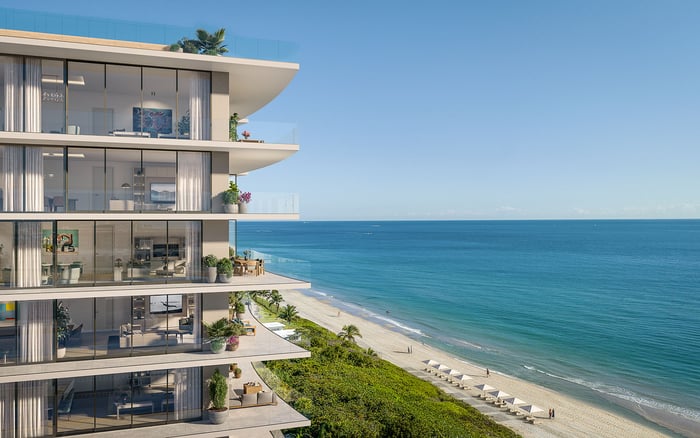
Privacy in Hillsboro Beach should be evaluated through sightlines, tower placement, outdoor exposure, glass orientation, night conditions, and resale sensitivity before a buyer commits.
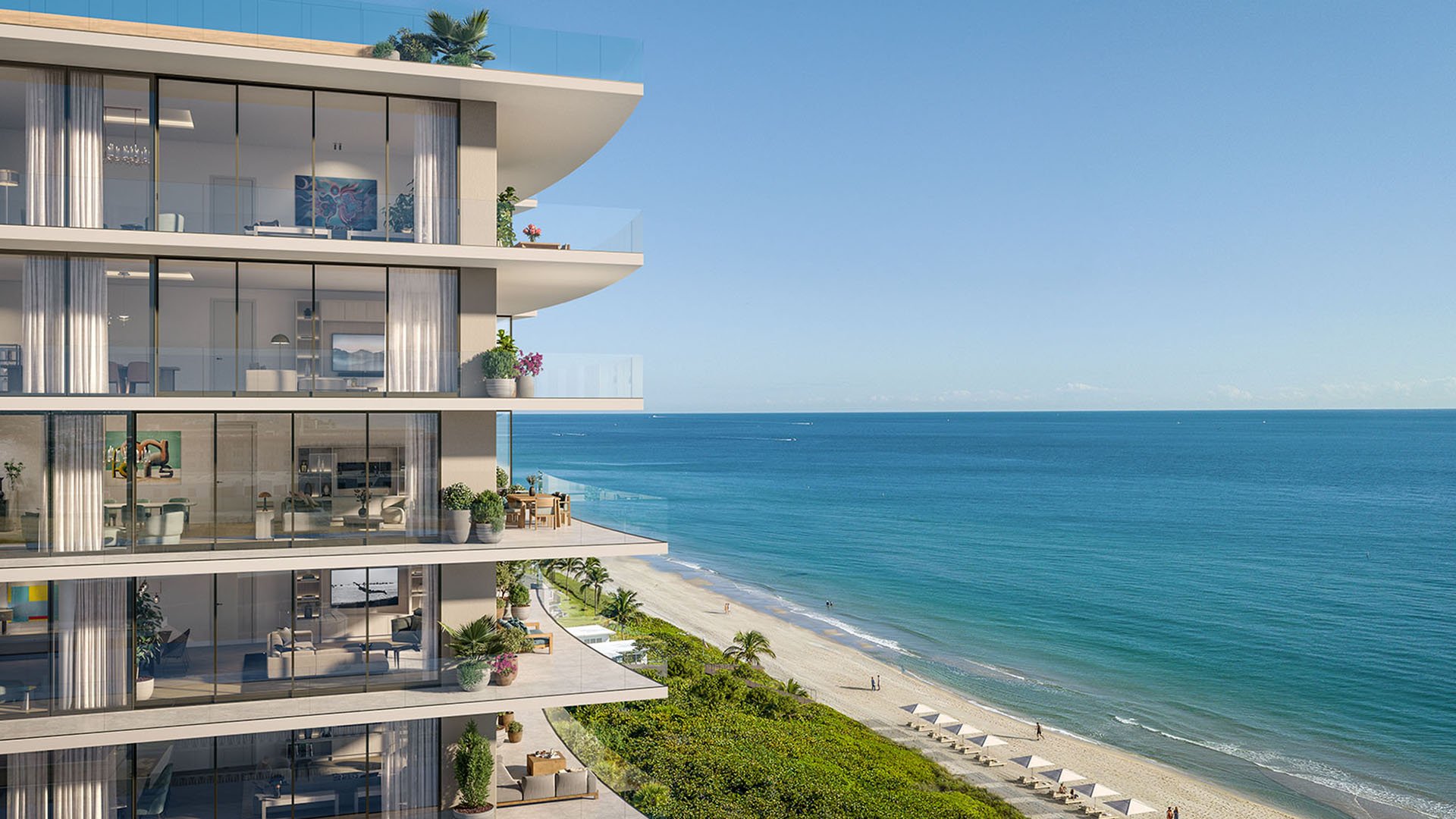
In Hillsboro Beach, privacy is one of luxury’s most valuable currencies. It is also one of the easiest to misread during a polished sales presentation or a brief private showing. A residence can feel serene at noon, then surprisingly exposed after sunset. A high floor can seem protected, yet align directly with a neighboring tower. A wide terrace can suggest resort-style living while functioning as an open stage to adjacent balconies.
For the ultra-premium buyer, the question is not simply whether a home has an Oceanfront outlook. The more exacting question is how that outlook is shared, framed, interrupted, or observed. Privacy should be evaluated with the same discipline applied to finishes, building services, parking, and long-term value. It is a physical condition of the residence, not a vague lifestyle preference.
Before falling in love with a floor plan, identify what surrounds the residence today. Study towers directly north, south, west, and diagonally across the site. Privacy risk often comes from an angle rather than a straight-on neighbor. A living room may face open water, while a primary bathroom, secondary bedroom, or service area may sit within another building’s visual corridor.
Buyers should review stack position, orientation, and the relationship between the unit and nearby buildings. The most private line is not always the highest or the largest. It is often the line with the most intelligent angle, the least direct glass-to-glass relationship, and the strongest separation between entertaining spaces and adjacent tower sightlines.
At Rosewood Residences Hillsboro Beach, for example, the privacy conversation should be framed around how each residence lives throughout the day: arrival, entertaining, morning routines, evening lighting, and outdoor use. The address may be the first filter, but the actual privacy profile belongs to the specific residence.
Large glass walls are central to coastal architecture, but they require careful judgment. During the day, reflective conditions may make interiors feel shielded. At night, that same glass can become more transparent once the residence is illuminated from within. A buyer should visit or request visual studies for both daytime and evening conditions, especially in rooms where discretion matters.
Pay close attention to bedrooms, bathrooms, dressing areas, open kitchens, and family rooms. These are the spaces where privacy is most personal. Motorized shades, landscape design, and furniture placement can improve comfort, but they should not be relied upon to solve a fundamental sightline problem. A residence that only feels private with every shade lowered may not deliver the lifestyle the buyer intended.
Balcony privacy deserves the same rigor. Stand where seating, dining, and lounging would actually occur. Look left, right, and diagonally. Then imagine guests, children, staff, and evening entertaining. If a Balcony is the emotional center of the home, its exposure matters as much as its dimensions.
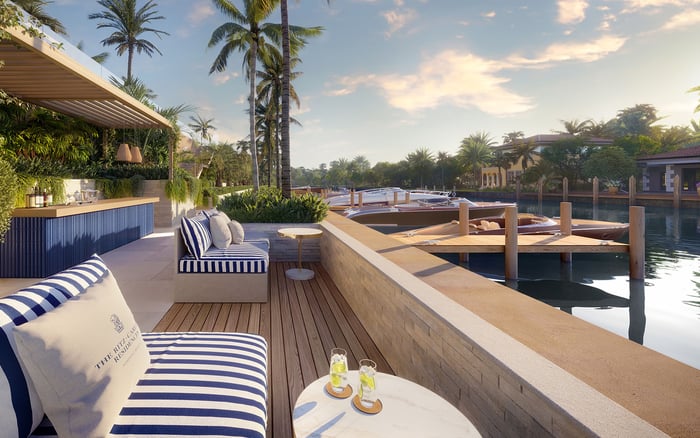
A Terrace in South Florida is not an accessory; it is often the most expressive room in the residence. For buyers in Hillsboro Beach, the terrace should be evaluated as a full-time living environment. Can one dine without feeling watched? Can morning coffee be enjoyed without direct alignment to another balcony? Is there a protected corner for reading, conversation, or quiet sun?
Waterfront privacy is not only about distance from neighbors. It is about choreography. Rail height, slab depth, overhangs, outdoor columns, planters, and furniture zones all affect how visible residents are from surrounding towers. Even a beautiful terrace can feel compromised if every seating position points toward an adjacent building.
Buyers comparing coastal residences across Broward may find it useful to study how different projects manage outdoor living. A residence at Armani Casa Residences Pompano Beach may raise questions about linear views, balcony rhythm, and tower adjacency, while Auberge Beach Residences & Spa Fort Lauderdale can be considered through the lens of how outdoor entertaining spaces relate to neighboring vertical forms. The lesson is portable: privacy is not a promise; it is a condition to be inspected.
Height can improve views, but it does not automatically create privacy. In some cases, a mid-level residence may sit below a neighboring sightline and feel more protected. In others, a high-floor unit may align with another tower’s amenity deck, penthouse terrace, or illuminated living rooms. The better question is not “How high is it?” but “What can see into it, from where, and at what times?”
Buyers should also distinguish between perceived privacy and functional privacy. Perceived privacy is the feeling of openness when facing the ocean. Functional privacy is how the residence performs when occupied, lit, furnished, and lived in. A home can deliver magnificent water views while still requiring thoughtful screening in the private quarters.
This is where a careful second showing matters. Bring the people who will actually use the home. Sit down, walk the bedroom corridors, step into the bathrooms, and stand at the kitchen island. Privacy should be tested from human positions, not only from the entry door or the center of the living room.
Privacy also affects how a residence will be discussed later. A buyer may tolerate a minor sightline issue if the home has exceptional design, service, or waterfront character. The next buyer may be less forgiving. In the upper market, small compromises can become significant negotiating points, especially when another residence offers a cleaner exposure.
The strongest privacy profile is simple to describe: protected principal rooms, limited direct tower alignment, usable outdoor space, and a view experience that remains elegant both day and night. If an agent must over-explain why a residence is private, the condition may not be self-evident.
For comparison, buyers who tour 2000 Ocean Hallandale Beach or The Delmore Surfside can apply the same framework: study how architecture, orientation, terrace depth, and neighboring buildings shape the lived experience. Different markets may have different rhythms, but discretion remains a universal luxury standard.
Before purchasing, ask for the stack plan, review neighboring elevations, and walk the residence at more than one time of day if possible. Look from inside out, then think from outside in. Study the rooms where privacy matters most, not only the rooms designed to impress.
Ask whether window treatments are cosmetic or essential. Ask where guests will gather outdoors. Ask how the residence feels after sunset. Ask whether a neighboring tower can see the dining table, the primary suite, the bathroom glazing, or the main terrace seating. These are not minor questions; they define how freely the home can be lived in.
The best Hillsboro Beach purchase is not merely the residence with the widest view. It is the residence where the owner can enjoy that view with ease, discretion, and confidence.
Is a higher floor always more private in Hillsboro Beach? No. Height can help, but angle, tower alignment, and neighboring sightlines often matter more than elevation alone.
What is the first privacy issue a buyer should review? Start with direct and diagonal sightlines from neighboring towers, especially into bedrooms, bathrooms, living areas, and outdoor spaces.
Should I visit the residence at night before buying? Yes. Evening lighting can change how exposed interiors feel, particularly in residences with large glass walls.
Can shades solve a privacy problem? Shades can improve comfort, but they should not be the only reason a residence feels private.
Why is terrace privacy so important? In coastal living, the terrace often functions as an outdoor living room, so its exposure affects daily enjoyment.
What does functional privacy mean? Functional privacy describes how the home performs when furnished, occupied, illuminated, and used in normal life.
Should buyers compare other coastal projects? Yes. Comparing layouts and tower relationships across similar luxury markets can sharpen a buyer’s eye.
Can a beautiful ocean view still have privacy concerns? Yes. A residence may face open water while side rooms or terraces remain visible to neighboring towers.
Does privacy affect resale value? It can. Clear privacy is easier to communicate and may reduce future objections from discerning buyers.
Who should help evaluate privacy before contract? Work with an advisor who understands floor plans, sightlines, outdoor living, and the expectations of luxury buyers.
For a confidential assessment and a building-by-building shortlist, connect with MILLION.
If branded residences are on your mind — as a home or as an allocation — we would be glad to share what we are seeing, privately.
Begin a quiet conversation