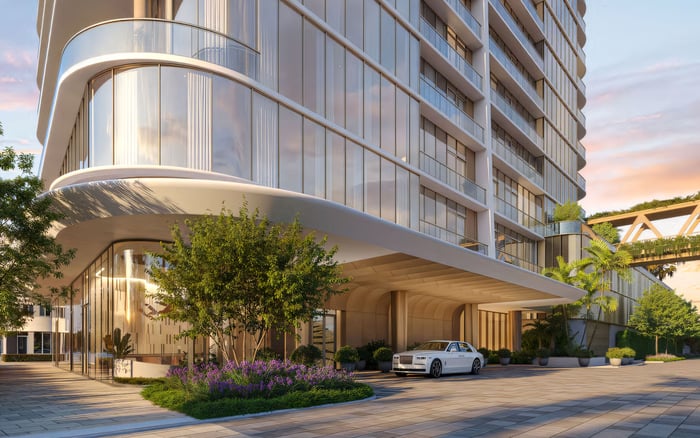
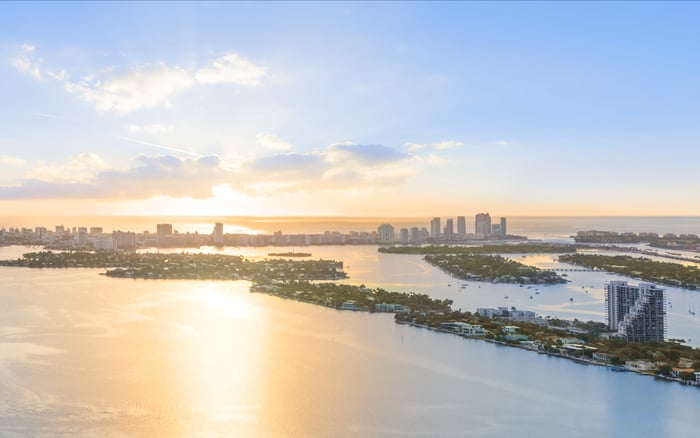
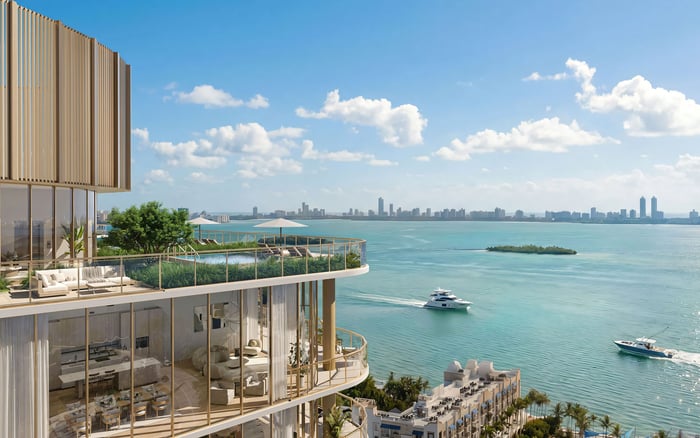
A buyer-oriented look at how Miami Design Residences Midtown Miami should be evaluated through the lens of weekday rhythm, amenity flow, privacy, wellness, pets, and design-minded urban living.
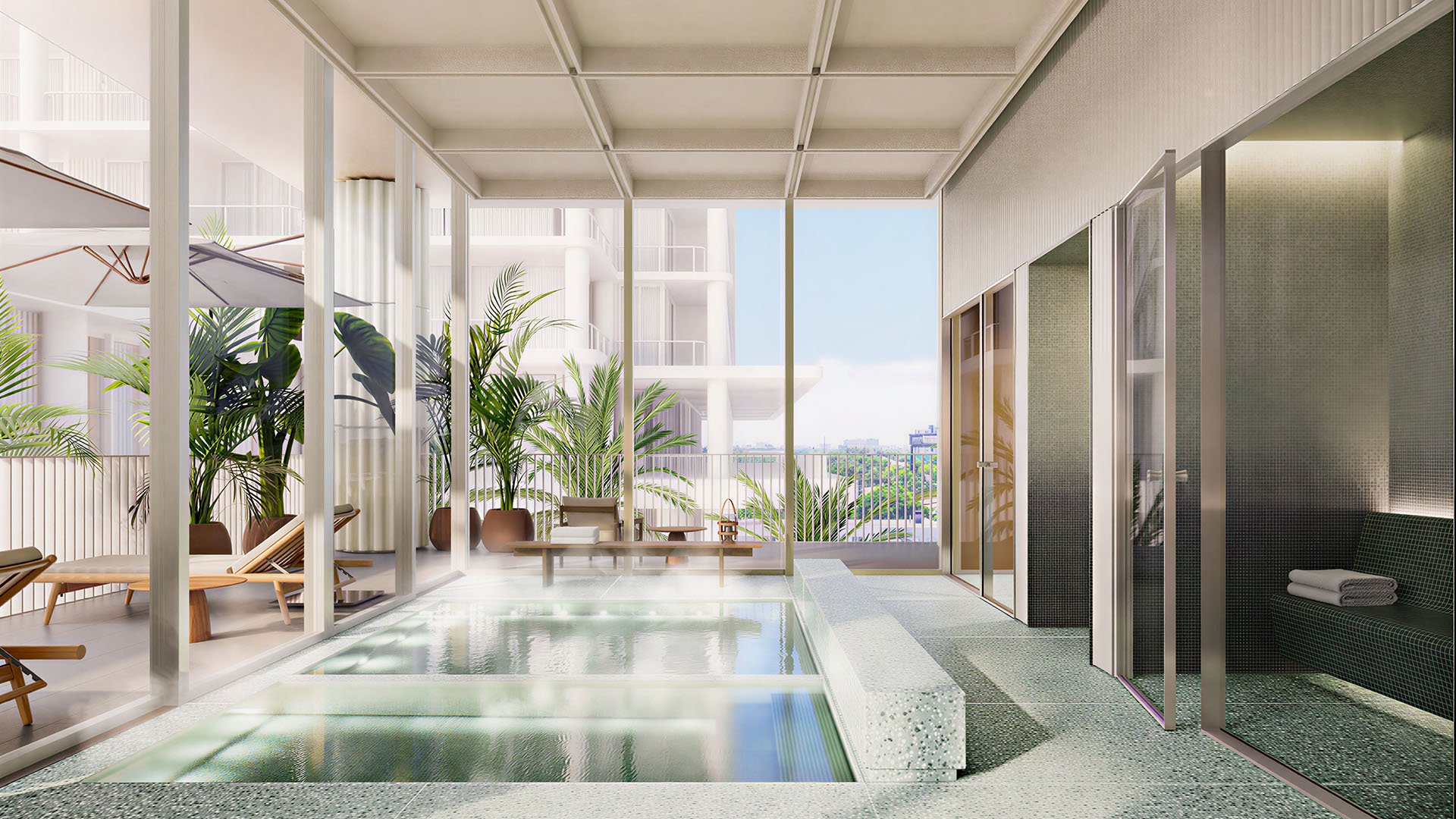
Weekend amenities photograph beautifully. Weekday amenities reveal whether a residence is genuinely livable. For buyers considering Miami Design Residences Midtown Miami, the question is not simply what the building offers, but how its amenity program supports the repeated choreography of Monday through Friday: the morning exit, the work call between meetings, the late-afternoon reset, the delivery, the guest arrival, the dog walk, and the quiet return after dinner.
In South Florida’s luxury market, buyers increasingly understand that an amenity program is not a trophy shelf. It is domestic infrastructure. A well-conceived building reduces friction before it becomes visible. It gives residents room to work without turning the residence into an office, space to decompress without leaving the building, and enough privacy for shared areas to feel civilized rather than performative.
That is especially relevant in Midtown Miami, where the buyer is often design-aware, mobile, socially active, and unwilling to choose between urban energy and a composed private life. The strongest weekday amenity program does not try to replace the neighborhood. It frames it, edits it, and gives residents a calm home base from which to move through it.
The first measure of any amenity program is sequence. Luxury is often felt in the transitions: how a resident enters, where a package is handled, how a guest is received, whether the path from lobby to elevator feels intuitive, and whether shared areas maintain a sense of order at peak hours.
For weekday buyers, this matters more than a dramatic first impression. A lobby that functions only as a visual statement is incomplete. The better model is a layered arrival experience that can support a business visitor, a friend arriving before dinner, or a resident returning from a workout with equal discretion.
The same logic applies upstairs. The value of a pool, wellness area, lounge, or work-oriented room depends on how naturally it fits into the day. If a resident has to over-plan to use an amenity, the amenity becomes decorative. If the spaces support short, repeatable rituals, they become part of the residence itself.
The luxury buyer’s weekday has changed. Even when an owner keeps a formal office elsewhere, the residence must now absorb video calls, quiet writing hours, private conversations, and the occasional late-night international meeting. That does not mean every home needs to become a corporate suite. It means the building should offer relief valves.
A refined amenity program can support weekday productivity by giving residents alternative settings: a quiet place for concentration, a lounge suited to informal conversation, or a common area that feels appropriate for a brief meeting. The distinction is subtle but important. The best buildings do not encourage residents to work everywhere. They give work its own social and spatial boundaries.
This is where Midtown’s design-driven buyer tends to be exacting. Someone also considering Kempinski Residences Miami Design District is likely to notice not only finishes and branding, but whether the daily environment feels edited, calm, and practical. Weekday value is created when the building respects both ambition and privacy.
Wellness amenities are most valuable when they are convenient enough to become routine. A beautiful fitness space matters, but its weekday role is broader: the quick morning session, the midday stretch, the post-work cooldown, the mental shift between professional intensity and evening privacy.
The same applies to outdoor or water-oriented spaces. A pool is not only a leisure amenity. In weekday life, it can operate as a reset point, a place where a resident spends twenty minutes between obligations and returns to the day with more composure. That kind of use is quiet, frequent, and often more meaningful than the weekend scene.
For a lifestyle buyer, the question is whether the building allows health to happen naturally. If wellness requires scheduling, commuting, or too much social exposure, it becomes less useful. If the amenity program supports small rituals close to home, it becomes part of the owner’s operating system.
Luxury real estate conversations often begin with architecture and views, but weekday satisfaction is shaped by more ordinary details. Pets, packages, service access, storage, guests, ride-share coordination, and after-hours routines all influence how the building actually lives.
For pet owners, the building’s attitude toward pets is not a secondary issue. A gracious pet routine can make weekday mornings and evenings far easier, particularly for residents balancing travel, meetings, and social commitments. The ideal is not merely pet permission. It is a sense that the building understands how residents live.
Package flow is equally revealing. A beautiful residence loses some of its polish if deliveries feel chaotic. In a modern urban building, the back-of-house experience can be as important as the front-facing spaces. Buyers should ask how daily volume is absorbed, how privacy is maintained, and whether service rhythms are designed rather than improvised.
Miami Design Residences Midtown Miami sits within a wider buyer conversation that includes Design District, Wynwood, Edgewater, Brickell, and Miami Beach. Each offers a different relationship among design, dining, culture, water, and daily convenience. Midtown’s appeal is its ability to feel urban without requiring the same daily intensity as the city’s densest commercial corridors.
That context matters because amenity expectations are not universal. A buyer comparing Frida Kahlo Wynwood Residences may be drawn to cultural energy and creative adjacency. A buyer studying EDITION Edgewater may be weighing a different expression of waterfront-adjacent, service-oriented living. Midtown’s weekday proposition should be read against both: design proximity, neighborhood movement, and the ability to retreat into a more controlled residential environment.
For new-construction buyers, the lesson is clear. The most persuasive project is not always the one with the longest amenity menu. It is the one where shared spaces feel intentional enough to support real life, especially on the days when life is not glamorous.
A serious buyer should tour with a weekday in mind. Imagine arriving home at 6:30 p.m. after traffic. Imagine taking a call from the building before heading upstairs. Imagine hosting a friend who arrives early. Imagine needing a quiet hour away from the residence while someone else is at home.
Then evaluate whether the amenity program creates ease or friction. Are the spaces scaled for regular use? Do they feel private enough? Is there a clear difference between social, work, wellness, and service zones? Does the building feel as if it will age gracefully as routines evolve?
The best weekday buildings have a particular quietness. They do not need to announce every feature. They make residents feel that the day has been anticipated.
What is the weekday appeal of Miami Design Residences Midtown Miami? Its appeal lies in how buyers can evaluate the building as a daily living platform, not just a weekend destination.
Why are amenities so important for Midtown Miami buyers? Midtown buyers often want urban access with a calmer residential base, so amenity flow can materially affect daily comfort.
Should buyers focus on the number of amenities? No. The quality, sequencing, privacy, and usability of amenities usually matter more than the length of the list.
How should work-from-home needs influence a purchase decision? Buyers should consider whether the building offers places for focus, informal meetings, and separation from private living space.
Does a pool add weekday value? Yes, when it functions as a convenient daily reset rather than only a weekend leisure feature.
Why do pets matter in amenity planning? Pet routines shape mornings, evenings, and travel days, so a building’s pet experience can strongly affect livability.
How does the Design District factor into the buyer mindset? The Design District reinforces the importance of architecture, interiors, retail, dining, and a design-conscious lifestyle.
How does Wynwood compare in the broader conversation? Wynwood brings a creative and cultural lens, which can help buyers clarify whether they want energy, retreat, or both.
Is new-construction always the better choice? Not automatically. New-construction is most compelling when the planning supports real routines as well as visual impact.
What should a buyer ask during a private tour? Ask how the building handles arrivals, deliveries, guests, wellness use, work needs, privacy, and everyday service flow.
For a confidential assessment and a building-by-building shortlist, connect with MILLION.
If branded residences are on your mind — as a home or as an allocation — we would be glad to share what we are seeing, privately.
Begin a quiet conversation