A buyer-focused editorial on how boutique scale, design identity, hospitality cues, and neighborhood fit can turn brand language into real residential value across South Florida luxury condominiums.
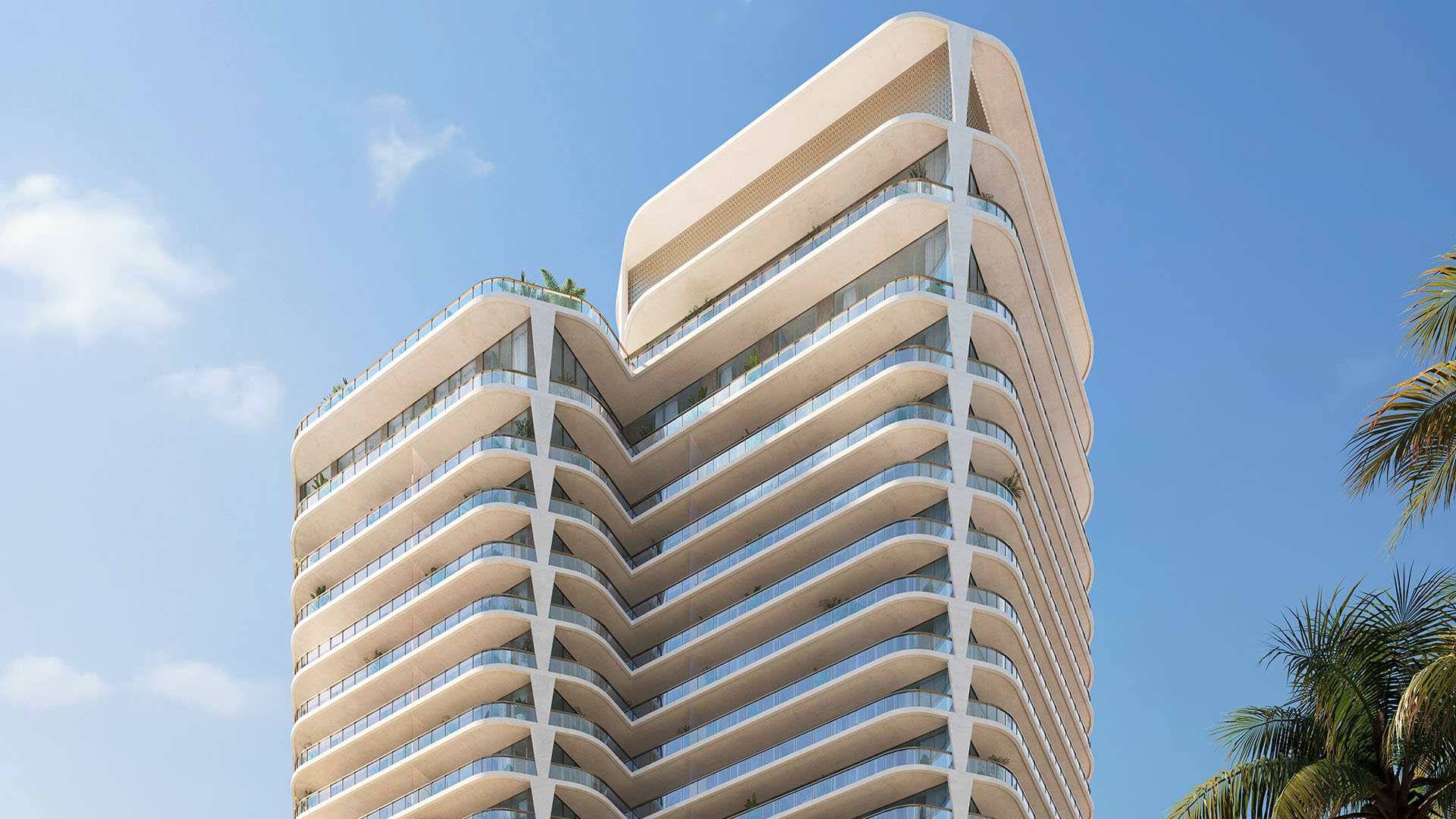
In South Florida’s luxury condominium market, brand language is no longer a decorative layer applied to a floor plan. For sophisticated buyers, it has become part of the asset itself. The words used to position a residence - intimate, design-led, hospitality-minded, urban, private - can shape how value is understood before a buyer ever steps into the lobby.
The central question is whether that language becomes tangible. A phrase carries little long-term weight unless it appears in the architecture, spatial programming, amenity logic, privacy, service expectations, and relationship to place. That is why 2200 Brickell is especially useful as a case study. It shows how a boutique residential idea can compete in one of Miami’s most active urban luxury condo submarkets without relying on sheer scale as the primary signal of prestige.
2200 Brickell is framed as a boutique mid-rise residential project in Miami’s Brickell financial core. Its brand language is built around intimacy rather than scale, a meaningful distinction in a dense market where many luxury launches compete through height, visibility, and spectacle. Here, the value proposition is more nuanced: neighborhood-authentic urban living within a highly active Brickell setting.
Boutique positioning can create perceived value when it promises something buyers can actually feel. In the case of 2200 Brickell, the translation is not simply a matter of marketing tone. It is the promise of scale, privacy, and neighborhood fit. The brand idea depends on coherence between the project’s intimate positioning and the lived residential experience, including how residents arrive, move through shared spaces, use amenities, and connect to the surrounding micro-neighborhood.
This matters because Brickell buyers often face a paradox. They want access to Miami’s financial and social core, yet they may also want a residential experience that feels composed, legible, and personal. 2200 Brickell places location and micro-neighborhood identity inside the brand itself. The building is not presented as an escape from the city, but as a more measured way to inhabit it.
That distinction separates it from resort-style branded residences, where destination hospitality may be the central value proposition. At 2200 Brickell, residential value is described through alignment: brand promise, physical product, and day-to-day livability. If those elements remain synchronized, the language of intimacy can become a durable ownership argument rather than a launch slogan.
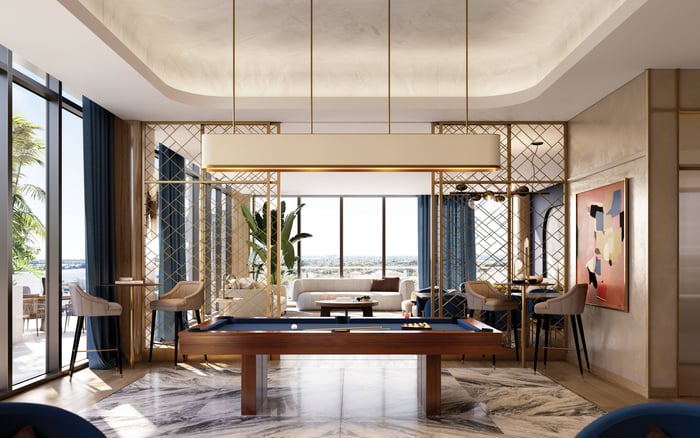
Design language is powerful because it can make a residence immediately legible. A buyer may understand the intended lifestyle through materiality, proportions, lighting, circulation, and the rhythm of public and private space. But design identity only becomes residential value when it supports how people live.
That is the lens through which buyers should read Miami Design Residences Midtown Miami. The name itself places design at the center of the proposition, which raises the standard for execution. For a design-led residence, the test is not whether the branding feels stylish at first glance. It is whether the design logic improves comfort, orientation, privacy, entertaining, storage, arrival, and the transition between home and neighborhood.
This is where Design & Architecture become measurable in a buyer’s own experience. A lobby can establish tone, but a residence earns value in the quieter moments: morning light, usable terraces, sound separation, elevator flow, and amenity spaces that avoid feeling ornamental. In the broader Branded Residences conversation, projects such as 888 Brickell by Dolce & Gabbana show how strong identity can become a market signal. Yet identity alone is not the finish line. The most resilient design brands allow the home to function elegantly after the first impression fades.
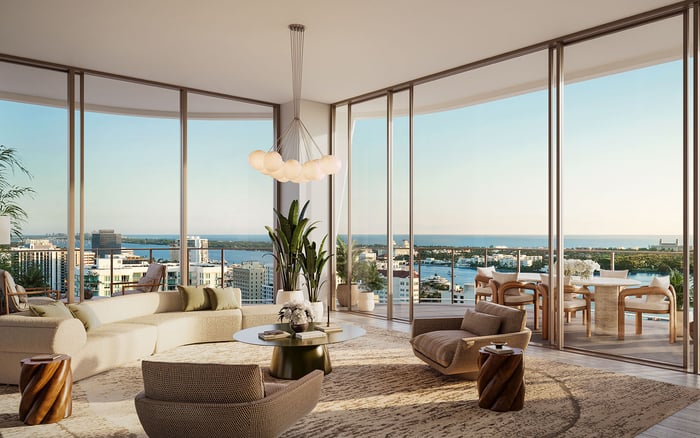
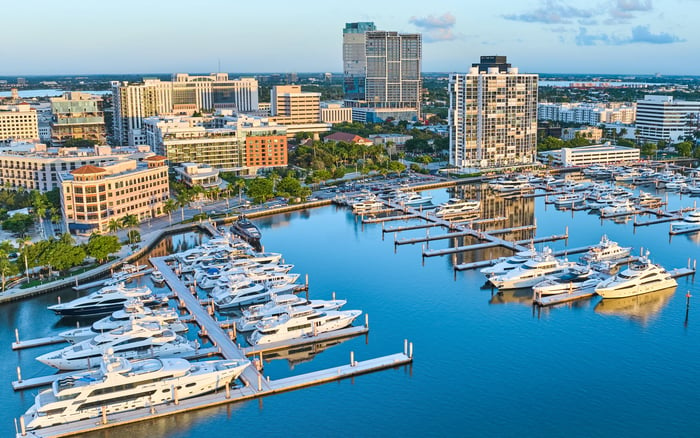
West Palm Beach offers a different setting for brand translation. Its residential value conversation often turns on lifestyle, privacy, cultural access, and a more composed urban rhythm than Miami’s densest districts. In that context, Banyan Tree Residences West Palm Beach invites a hospitality reading of residential value.
Hospitality language can be extremely persuasive, but it also requires discipline. Buyers should ask whether the promise is service, serenity, wellness, arrival experience, operating culture, or simply the emotional familiarity of a name. The stronger the brand, the more important it becomes to separate atmosphere from substance. A residence can borrow hospitality cues, but long-term ownership value depends on how those cues are governed, staffed, maintained, and felt in everyday life.
For West Palm Beach buyers, the most important issue is fit. A hospitality-minded residential concept should not feel imported without context. It should make sense within the city’s evolving luxury landscape and reinforce the way residents actually want to live there. When the service promise, physical setting, and ownership experience align, brand language can become a form of reassurance.
The most effective brand language answers a buyer’s practical questions before they are asked. What will it feel like to come home? How private is the experience? Does the building’s scale support the promised lifestyle? Are the amenities designed for real use or visual storytelling? Does the neighborhood reinforce the brand, or contradict it?
For 2200 Brickell, the central test is whether boutique intimacy holds up inside Brickell’s density. For Miami Design Residences Midtown Miami, the test is whether design identity becomes livability rather than surface. For Banyan Tree Residences West Palm Beach, the test is whether hospitality language translates into a residential rhythm that feels both elevated and natural.
A discerning buyer should also consider resale legibility. Strong brand language can help a future purchaser understand the property quickly, but only if the actual experience is clear. Vague luxury is difficult to defend. Specific luxury, expressed through scale, service, architecture, and location, is easier to value.
Across South Florida, the best residential brands do not ask buyers to suspend disbelief. They make a promise and then let the building prove it. In Brickell, that may mean urban authenticity and privacy within a concentrated skyline. In Midtown Miami, it may mean design as a daily operating system. In West Palm Beach, it may mean hospitality translated with restraint.
The residential premium is not created by language alone. It is created when the language, floor plan, amenity sequence, service model, and neighborhood tell the same story. That coherence is what separates memorable branding from meaningful value.
What does brand language mean in luxury real estate? It is the set of ideas a project uses to define its lifestyle, such as privacy, design, service, wellness, or neighborhood authenticity.
Why is 2200 Brickell a useful example? 2200 Brickell shows how a boutique mid-rise concept can frame value around intimacy, scale, and Brickell neighborhood fit.
Does boutique positioning automatically create value? No. Boutique value depends on whether privacy, circulation, amenities, and daily livability match the smaller-scale promise.
How should buyers evaluate Miami Design Residences Midtown Miami? Buyers should look beyond visual identity and consider whether design improves comfort, function, privacy, and the connection to Midtown Miami.
What should buyers ask about Banyan Tree Residences West Palm Beach? They should ask how hospitality language translates into service culture, residential calm, and long-term ownership experience.
Are Branded Residences always stronger investments? Not automatically. Brand can support value, but only when the product, operations, and location remain coherent over time.
Why does Brickell matter in this discussion? Brickell is one of Miami’s most active urban luxury condo submarkets, so differentiation through scale and livability is especially important.
What role does Design & Architecture play in resale value? Clear design can make a property easier to understand, but resale strength depends on whether the design remains functional and desirable.
How does West Palm Beach differ from Miami for brand translation? West Palm Beach often rewards a quieter reading of luxury, where hospitality, privacy, and lifestyle fit carry significant weight.
What is the main buyer takeaway? The strongest residential brands turn language into lived experience through architecture, service, location, and daily ease.
If you'd like a private walkthrough and a curated shortlist, connect with MILLION.
If branded residences are on your mind — as a home or as an allocation — we would be glad to share what we are seeing, privately.
Begin a quiet conversation