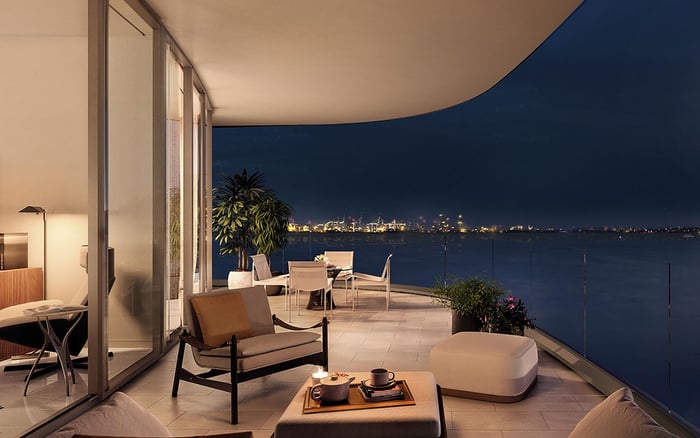
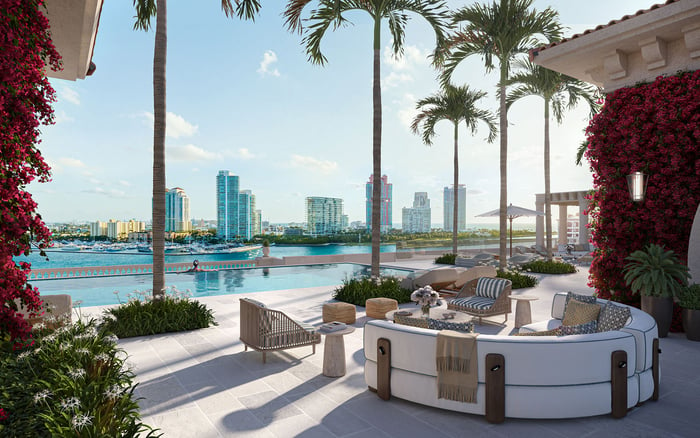
A practical luxury buyer’s guide to reading rooftop ownership, exclusive-use terraces, association control, permitting, and resale value across South Florida’s premier condominium markets.
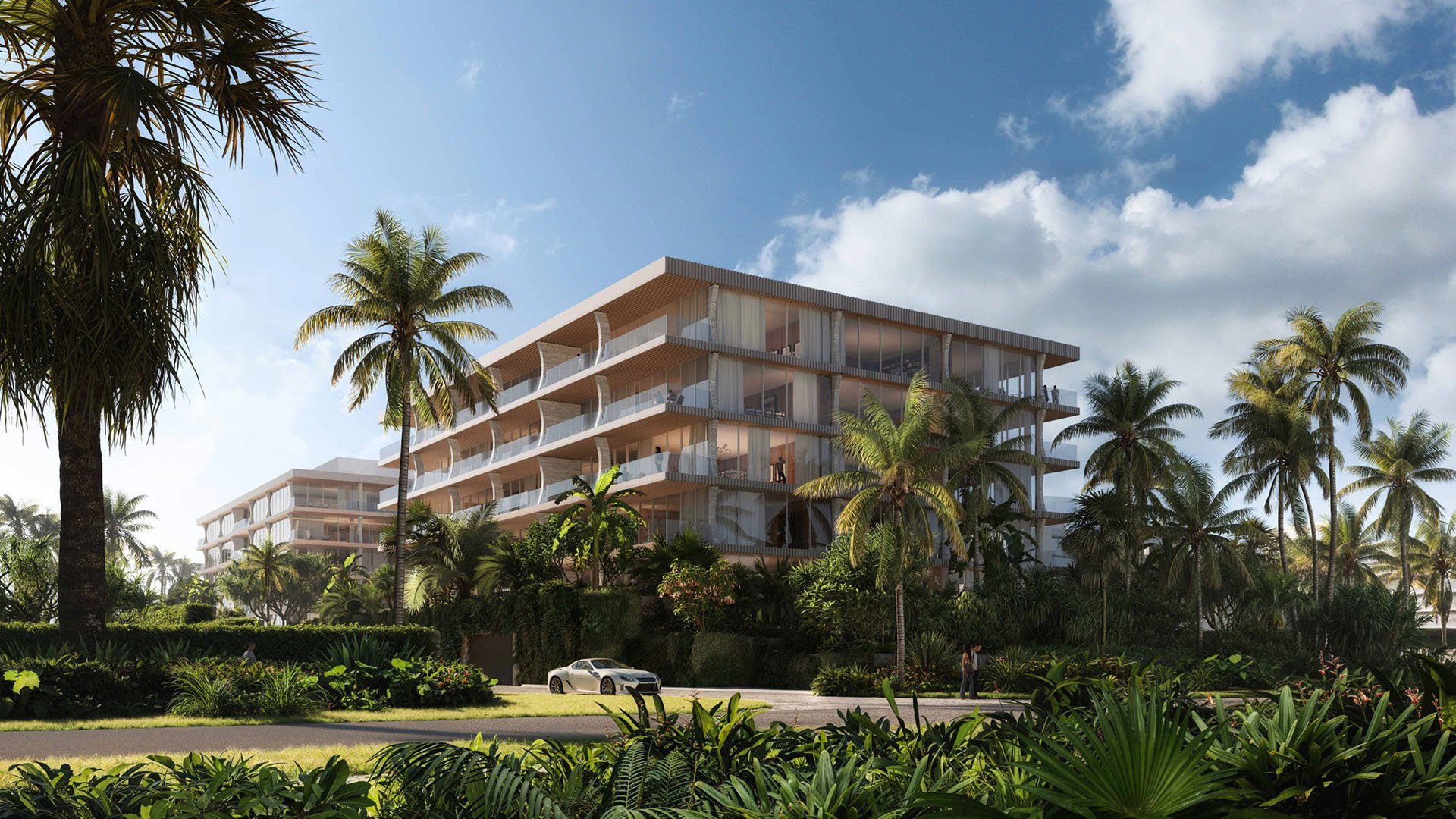
In South Florida’s upper tier, the roof is no longer simply the top of a building. It may be a sunset lounge, a private plunge pool, a summer kitchen, a mechanical field, a shared amenity deck, or the outdoor extension that makes a Penthouse feel truly singular. Yet the phrase “private rooftop” can be dangerously imprecise unless it is supported by the condominium documents, building code, and the city’s zoning framework.
For a buyer in Brickell, Fort Lauderdale, or Palm Beach, roof-rights clarity begins with one disciplined question: what, exactly, is being conveyed? The answer is rarely found in a rendering or sales description alone. It lives in the recorded declaration, unit boundary language, plats, amendments, rules, insurance structure, maintenance obligations, and any reservations of future development rights.
The roof can add meaningful lifestyle value, but only when the legal and physical rights are legible. Without that clarity, a spectacular Terrace may be less an owned outdoor room than a permissioned use subject to association control.
Florida condominium ownership is built around units and common elements. That framework makes roof analysis more technical than many buyers expect. A rooftop area may fall into one of three broad categories: part of a unit, a common element, or a limited common element reserved for one unit or a small group of units.
If the declaration places a rooftop area inside the unit boundaries, the owner may have a stronger ownership position, subject to the rest of the governing documents and applicable law. If the roof is a common element, it is generally controlled by the association, even when some owners have convenient access. If it is a limited common element, the owner may enjoy exclusive use while the underlying ownership and many maintenance decisions remain tied to the association structure.
That distinction matters because the roof is also part of the building envelope. Waterproofing, membranes, drains, railings, pavers, planters, mechanical equipment, and structural penetrations are not decorative details. They are operational liabilities. A buyer should understand not only who can use the space, but who maintains it, who insures it, who pays for replacement, and who can approve or deny changes.
The declaration is the primary document. It should define unit boundaries and identify common elements with enough precision to resolve the rooftop question. Recorded amendments can be just as important, especially in older buildings or in projects where roof access evolved after the original declaration.
A careful review should also include surveys, plats, offering documents, rules and regulations, association minutes, budgets, reserve information, insurance materials, maintenance contracts, and any recorded easements or development-rights reservations. These records can reveal whether the roof is treated as a lifestyle amenity, a building system, a private-use terrace, or a future asset retained by a developer or association.
Sales language should be treated as the beginning of the conversation, not the conclusion. “Private roof deck,” “exclusive rooftop,” and “owner’s terrace” may describe use, not title. The difference can affect renovation rights, assessment exposure, rental appeal, insurance responsibility, and future resale confidence.
Miami is the most vertical and amenity-driven of the three markets. In neighborhoods such as Brickell, buyers are accustomed to towers where rooftop or upper-level amenities interact with height, screening, open-space, mechanical, and use rules. Even when the condominium documents allow a rooftop buildout, construction activity can require permits and code compliance. The roof must function as architecture, infrastructure, and regulated space.
Fort Lauderdale has its own rhythm, shaped by beachfront towers, riverfront development, and a growing mixed-use skyline. Rooftop decks, amenity areas, and equipment screening must be considered alongside city development standards, including setbacks, height limits, and zoning controls. A riverfront or ocean-adjacent view may be seductive, but the practical analysis remains the same: does the owner have the right to use, improve, and maintain the area as marketed?
Palm Beach is different again. The island’s zoning and architectural review culture places particular weight on exterior appearance, visibility, massing, and design character. A rooftop feature that feels routine in a dense urban corridor may face a more sensitive review environment in Palm Beach. Railings, equipment screens, terraces, and visible amenity structures should be evaluated not only for ownership rights, but for whether they can exist gracefully within the town’s design expectations.
The vocabulary of luxury can blur legal distinctions. A Penthouse may include a rooftop Terrace, but the rooftop may still be a limited common element rather than part of the unit. A Balcony may be used only by one residence, yet remain subject to association control over finishes, railings, waterproofing, and repairs. A Pool on a roof may serve one owner, several owners, or the broader building, with very different implications for cost allocation and governance.
This is why affluent buyers should avoid relying on labels. The stronger inquiry is functional: can the owner control access, modify finishes, add structures, install kitchens, place planters, host guests, or make repairs without association approval? If approval is required, what vote threshold or board process applies? If damage occurs below the roofline, whose insurance responds and whose deductible applies?
A rooftop that is beautifully staged but poorly documented can become a point of friction. A smaller roof area with clean documents may be more valuable than a grander space wrapped in ambiguity.
Roof rights should be underwritten as a combined legal, physical, operational, and Investment issue. The legal review confirms ownership and use. The physical review considers structure, drainage, waterproofing, wind exposure, access, life-safety requirements, and the feasibility of any intended improvements. The operational review examines rules, hours, noise, guests, furniture, grills, pets, and maintenance protocols. The financial review studies common expenses, reserves, assessments, and likely replacement cycles.
Material alterations or substantial additions to common elements are especially important. Adding a rooftop kitchen, pool, generator, solar equipment, pergola, antenna, or new deck assembly may require association approval and government permits. The fact that a space is used exclusively by one owner does not necessarily mean the owner can change it unilaterally.
Buyers should also ask whether the developer, association, or another party retained air rights, roof rights, signage rights, telecommunications rights, or future development rights. These reservations can affect privacy, access, mechanical placement, and long-term value.
At resale, clarity becomes liquidity. A future buyer, attorney, lender, or insurer may ask the same questions the current buyer should have asked at acquisition. If the rooftop rights are clearly documented, the property can be presented with confidence. If they are vague, the feature may be discounted, negotiated around, or excluded from the buyer’s value model.
The best rooftop assets in South Florida share a common trait: the legal rights, architectural experience, association obligations, and permitting feasibility all point in the same direction. They do not require a buyer to accept marketing language on faith.
For luxury buyers, the roof is not merely an amenity. It is a private horizon, but only if the documents make it durable.
Is a private rooftop always privately owned? No. It may be part of the unit, a common element, or a limited common element reserved for that unit’s use.
What is the most important document for roof-rights clarity? The condominium declaration is the starting point because it defines unit boundaries and identifies common elements.
Can a limited common element feel private? Yes. It can be reserved for one owner’s use, but the association may still control maintenance, alterations, and standards.
Who usually pays for roof repairs? It depends on the declaration and related documents. Common-element obligations often sit with the association, then flow through assessments.
Can an owner add a rooftop kitchen or pool? Possibly, but approvals, structural feasibility, permitting, insurance, and association governance must all be reviewed first.
Why is Miami different from Palm Beach? Miami is generally more vertical and amenity-oriented, while Palm Beach often places greater emphasis on exterior appearance and visibility.
Does Fort Lauderdale require a separate rooftop review? Yes. Condominium rights should be checked alongside city zoning, development standards, and permitting requirements.
Should buyers review association minutes? Yes. Minutes can reveal disputes, repair history, planned projects, enforcement patterns, and rooftop policy changes.
Can rooftop amenities affect assessments? Yes. Even exclusive or limited-use areas can create maintenance, insurance, reserve, or replacement costs.
Why does roof-rights clarity matter for resale? Clear rights reduce uncertainty for future buyers and help support the value assigned to rooftop outdoor space.
For a tailored shortlist and next-step guidance, connect with MILLION.
If branded residences are on your mind — as a home or as an allocation — we would be glad to share what we are seeing, privately.
Begin a quiet conversation