Private massage rooms are becoming a sharper test of residential wellness. For South Florida buyers, the real distinction is not whether a building has a spa menu, but whether privacy, design, staffing, and daily usability make recovery feel effortless at home.
Private massage rooms have become one of the most revealing details in luxury residential design. Not because massage itself is new, but because a truly private treatment environment is difficult to fake. It requires space, silence, considered circulation, operational discipline, and a level of discretion that cannot be created with a scented candle and a wellness brochure.
For South Florida’s upper-tier buyers, the question is no longer whether a residence advertises wellness. It is whether the wellness offering has been designed for real use. A private massage room separates an authentic recovery environment from amenity marketing because it forces the building to answer practical questions: Who can use it, when can they use it, how private is the arrival, where does the therapist prepare, and does the experience remain composed when the building is busy?
The best version feels almost invisible. It is not theatrical. It is not over-programmed. It is a room that supports recovery without calling attention to itself, giving residents a sanctuary they can use before a flight, after a long day, during a weekend reset, or as part of a consistent wellness routine.
A massage table alone does not make a wellness amenity credible. The distinction begins with privacy. In a true luxury setting, a resident should not feel exposed walking through active social spaces in a robe, waiting beside a fitness desk, or sharing a reception point with unrelated traffic.
A well-conceived massage room has controlled access, intuitive scheduling, and a calm threshold between public and private zones. It should not feel like an afterthought tucked beside mechanical space or squeezed into a leftover corridor. It should have proportion, acoustic comfort, soft lighting, and enough room for a therapist to work without interrupting the resident’s sense of ease.
This is where design intent becomes visible. If the route from elevator to treatment room is discreet, if the door placement avoids direct exposure, and if the room allows genuine decompression before and after the treatment, the amenity begins to operate as wellness rather than décor.
In South Florida, wellness is shaped by heat, travel, boating, training, dining, entertaining, and constant movement between indoor and outdoor life. A massage room has greater relevance when it supports that lifestyle rather than standing in as a generic checklist item.
A buyer comparing Brickell, Downtown, Aventura, and Surfside will often encounter the same familiar amenity vocabulary: spa, fitness, treatment room, relaxation lounge, pool, and terrace. The difference is not the vocabulary. The difference is execution. Does the spa environment anticipate residents who move between business meetings and long-distance flights? Does it serve owners returning from a day on the water? Can it support a quiet Sunday treatment without becoming another shared social amenity?
The most persuasive buildings understand that South Florida wellness is not only about exertion. It is about recovery. The private massage room becomes part of a larger rhythm, connecting sleep, movement, hydration, bodywork, and calm space into a residential experience that feels intentional.
A private massage room should be walked, not simply admired in a rendering. Buyers should notice what happens before they enter the room. The corridor matters. The proximity to elevators matters. The relationship to the gym, pool deck, locker areas, and staff spaces matters. If a resident must pass through loud or crowded areas to reach a treatment room, the experience has already been compromised.
Inside, scale is essential. A treatment room should allow circulation on both sides of the table, provide room for a therapist’s equipment, and avoid the sense that the walls are pressing in. Lighting should be adjustable rather than merely decorative. Ventilation should feel fresh without being cold or noisy. Acoustics should protect the room from neighboring activity, especially fitness areas and service corridors.
Storage is another quiet marker of seriousness. A real treatment room requires linens, oils, towels, sanitation supplies, and equipment management. If those needs are not accounted for, the room may look polished but function poorly. Luxury buyers should ask how the room is prepared between appointments, how therapists are admitted, and whether residents can arrange preferred practitioners within the building’s rules.
Amenity marketing is designed to photograph well. Real wellness is designed to be repeated. A private massage room that exists only for a tour has limited value. A room that becomes part of a resident’s weekly rhythm carries a different meaning entirely.
The distinction often appears in the operational details. Is scheduling simple? Are appointment windows realistic? Is the room available at the times residents actually want it? Is the setting maintained with the same care as the lobby or owner’s lounge? Does the staff understand that wellness requires quiet, not performance?
The best residential wellness spaces feel personal without becoming informal. They offer privacy without confusion, service without intrusion, and calm without sterility. In that sense, the massage room is less about indulgence than control. It gives the owner a way to restore energy inside the building, without arranging transportation, waiting in a public spa, or surrendering privacy to a hotel environment.
Private massage rooms do not replace views, floor plan, location, or architecture. They do, however, influence the emotional value of a residence. Buyers at the top of the market often have access to excellent services elsewhere. What they prize is the ability to bring those services closer, with less friction and more discretion.
This is why wellness design can affect how a property is remembered after a tour. A buyer may forget the exact wording used to describe a spa suite, but they will remember whether the room felt calming, whether the approach was private, and whether the space seemed likely to be used. In a market where many luxury buildings present similar amenity menus, those impressions matter.
For owners, the strongest private massage rooms also support longevity of use. They are not dependent on a trend cycle. Bodywork, recovery, and quiet space remain relevant across age, season, and lifestyle. A room that works well today is likely to remain meaningful because it addresses a permanent luxury preference: the desire for restorative time without public exposure.
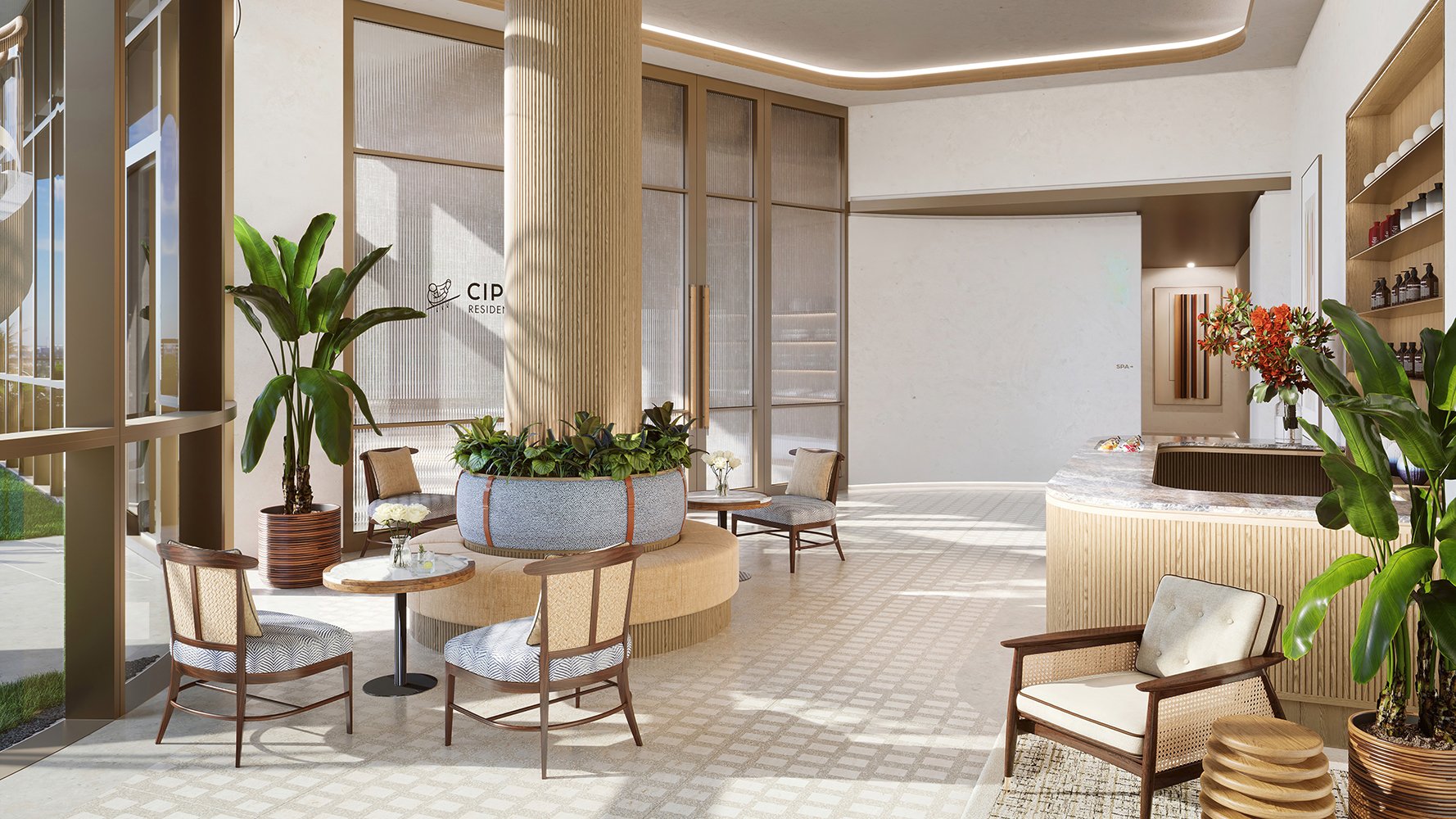
The most convincing massage rooms share a restrained language. Materials feel tactile rather than glossy. Lighting is layered. Hardware is quiet. Seating is comfortable but not theatrical. The room suggests care, not spectacle.
There is also a residential quality to the best examples. They do not feel like a clinic, and they do not try too hard to imitate a resort. Instead, they sit between hospitality and home, borrowing the professionalism of a spa while preserving the intimacy of a private residence. That balance is difficult to achieve, which is precisely why the room is such a useful test.
Buyers should be cautious of spaces that rely on buzzwords without answering the operational questions. A branded wellness concept may create initial interest, but the daily experience depends on layout, management, and maintenance. Real wellness is quiet by nature. It does not need to announce itself loudly if the design performs.
A private massage room is not automatically important because it appears on an amenity list. It becomes important when it reflects a deeper residential philosophy: privacy first, service second, presentation third. When those priorities are reversed, the amenity risks becoming decorative.
For South Florida buyers, the room should be evaluated as part of the whole building experience. Consider how it connects to fitness, outdoor space, spa facilities, staff circulation, and the daily rhythm of ownership. If the massage room makes recovery simpler, quieter, and more personal, it is doing real work. If it merely photographs well, it belongs to the language of marketing.
The difference is subtle, but at the highest end of the market, subtlety is often where real luxury lives.
Why do private massage rooms matter in luxury residences? They show whether a building has planned for real recovery, privacy, and service rather than simply adding another amenity label.
What should buyers look for first? Start with privacy of access, acoustic control, room proportion, lighting, ventilation, and how the space is scheduled and maintained.
Is a massage room more valuable than a spa lounge? Not always, but a well-run private treatment room often delivers more practical daily value than a lounge designed mainly for presentation.
Can a small massage room still be effective? Yes, if it has proper circulation, storage, quiet, and comfort. Size matters less than whether the room functions gracefully.
Should the room be near the fitness center? Proximity can be useful, but it should not compromise quiet or privacy. A direct but discreet connection is usually ideal.
How does staffing affect the experience? Staffing determines whether the room feels seamless. Scheduling, preparation, cleaning, and therapist access all shape the resident experience.
Are private massage rooms only for full-time residents? No. They can be especially useful for seasonal owners who want recovery and wellness services without leaving the property.
What signals weak amenity planning? Awkward access, poor acoustics, no storage, harsh lighting, and unclear booking procedures all suggest the space may be more marketing than function.
Does wellness design influence resale appeal? It can strengthen perceived value when the amenity is elegant, usable, and aligned with the expectations of luxury buyers.
What is the best way to shortlist comparable options for touring? Start with location fit, delivery status, and daily lifestyle priorities, then compare stacks and elevations to validate views and privacy.
For a confidential assessment and a building-by-building shortlist, connect with MILLION.
If branded residences are on your mind — as a home or as an allocation — we would be glad to share what we are seeing, privately.
Begin a quiet conversation