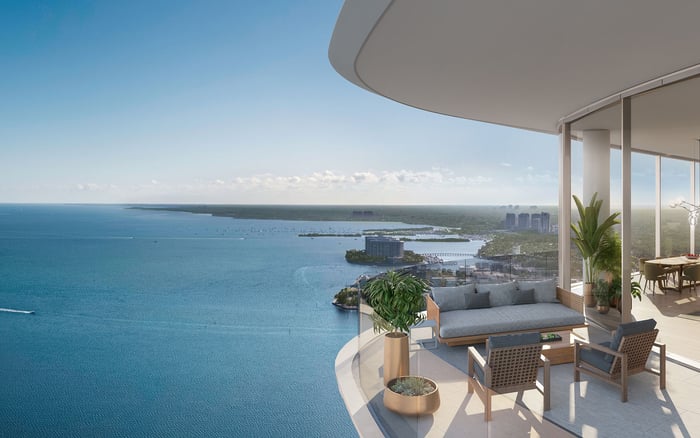
A discreet buyer’s guide to evaluating window washing, glass clarity, balcony access, and long-term upkeep during a private showing in South Florida luxury real estate.

In South Florida luxury real estate, glass is not a detail. It is architecture, light, view, privacy, and maintenance expressed through a single surface. During a private showing, freshly cleaned windows can make a residence feel effortless, yet they can also obscure questions that matter after closing: who cleans the exterior panes, how often the glass needs attention, whether balcony access is practical, and how the building manages safety.
A buyer should not turn a showing into a service appointment. The goal is not to wash the windows in real time. The goal is to understand how the home will live once the staging is gone and the residence returns to its ordinary rhythm. A disciplined review of glass can reveal far more than smudges. It can clarify care standards, building operations, design limitations, and the daily experience of a view.
This is especially relevant when comparing Brickell convenience, Miami Beach light, Sunny Isles height, oceanfront exposure, high-floor drama, and balcony living. Each setting can intensify the importance of glass clarity, exterior access, and routine upkeep.
Enter the residence and pause before approaching the windows. From the main living area, observe whether the view reads cleanly from a normal seating position. Look for haze, drip lines, salt-like film, fingerprints, or cloudy edges. Then move closer and examine the same pane from an angle. Glass that appears perfect head-on may reveal residue from the side.
Use natural light to your advantage. Morning, midday, and late-afternoon sun expose different flaws. If the showing occurs at a flattering hour, ask whether a second visit can be scheduled at another time of day. This is not about being difficult. It is about understanding how the residence performs as glare, reflection, and humidity change the room’s mood.
Next, inspect the least glamorous areas. The lower corners of sliding doors, the tracks, the meeting point between fixed glass and operable panels, and the interior side of balcony railings often tell the truth. A beautiful central pane can coexist with neglected rails, stiff doors, or residue trapped near hardware.
The most valuable showing questions are simple and operational. Ask who is responsible for interior glass, exterior glass, balcony rail glass, and sliding door tracks. Ask whether exterior window washing is coordinated by the building, arranged by the owner, or handled through an approved vendor. Ask whether access requires advance notice, building approval, or special equipment.
Do not accept “it gets cleaned” as a complete answer. Follow with: which surfaces, how it is scheduled, and what the resident must do before service. If the residence has large fixed panes, tall glass, or hard-to-reach corners, ask how those areas are handled. If there is a terrace or balcony, ask whether the rail glass is included in any routine service or left entirely to the owner.
A strong answer will be specific, calm, and practical. A weak answer may be vague, overly casual, or dependent on assumptions. In a luxury residence, a lack of clarity can become a lifestyle inconvenience even when the architecture is exceptional.
Clean windows are only part of the story. Operable panels should glide smoothly, lock securely, and seal cleanly. During the showing, ask before opening sliders or windows, then move them slowly. Listen for scraping, feel for resistance, and watch whether the panel tracks evenly. A door that requires force is not merely annoying. It may affect ventilation, terrace use, and daily comfort.
Check handles, locks, gaskets, and weatherstripping visually. You are not diagnosing construction. You are observing whether the glass system feels consistent with the value of the residence. If a door is difficult to operate during a curated showing, it deserves a closer look during inspection or due diligence.
For balcony doors, step outside and then look back through the glass into the interior. This reverse view often reveals smears, uneven cleaning, or distortion that is invisible from the living room. If the residence has glass railings, examine both sides. Rail glass can collect water spots and fingerprints more quickly than many buyers expect, and its maintenance affects the view from seated positions as much as from the balcony edge.
Window washing is also a proxy for building culture. In a well-run environment, procedures tend to be clear. Residents know what is included, staff can explain the process, and there is a predictable path for additional service. During a private showing, your advisor can ask management-facing questions discreetly while you focus on the residence.
Look at neighboring panes from the balcony or interior without intruding on privacy. A pattern of consistently clean exterior glass suggests one type of maintenance environment. A patchwork of spotless and heavily marked panes suggests another. Neither observation alone should decide a purchase, but it can shape the questions that follow.
Also consider the architecture. Tall glass walls, deep terraces, wraparound corners, and dramatic exposures are part of the appeal of South Florida living. They can also require more thoughtful care. The more the residence depends on uninterrupted views, the more important it is to understand the routine behind keeping those views crisp.
Immediately after the visit, make a short note about what you saw. Record whether the glass appeared clear from sitting height, standing height, and balcony level. Note any stiff doors, visible residue, cloudy corners, worn tracks, or unclear answers about responsibility. Photographs can be useful if permitted, but written observations are often enough to guide follow-up.
Separate cosmetic observations from operational concerns. Fingerprints are ordinary. Persistent haze between surfaces, repeated staining near seals, difficult movement, or uncertainty about exterior access deserves more attention. The point is not to disqualify a residence over imperfect glass. The point is to know what you are accepting and what should be clarified before contract milestones.
If the property remains a serious contender, request that window washing responsibilities be addressed as part of the broader ownership conversation. In a premium residence, beauty should be supported by systems. The best homes make the view feel effortless because the work behind it has already been considered.
Can I ask the seller to wash the windows before a private showing? You can ask, but it is often more revealing to see how the glass presents under normal conditions. A second showing after cleaning may help separate routine dirt from deeper issues.
Should I test window washing myself during the showing? No. Do not climb, lean over railings, remove screens, or attempt exterior cleaning. Limit yourself to visual review, simple operation with permission, and clear questions.
What is the most important glass area to inspect? Start with the main view wall, then inspect corners, tracks, balcony doors, and rail glass. These areas often reveal how practical the residence is to maintain.
Are streaks a serious concern? Usually not by themselves. Repeated haze, cloudy edges, difficult access, or unclear responsibility for cleaning may deserve more attention.
Should I open sliding glass doors during the showing? Yes, if permitted. Smooth movement, secure locking, and clean tracks are part of how the residence lives day to day.
How should I evaluate balcony rail glass? View it from inside while seated and from the balcony looking back. Rail glass can affect the view as much as the main window wall.
What questions should my advisor ask? Ask who handles exterior panes, balcony rail glass, tracks, and hard-to-reach areas. Also ask whether building approval or approved vendors are required.
Does high-floor living change the window washing review? Yes. Higher elevations can make exterior access more procedural, so responsibility, scheduling, and safety rules should be understood before purchase.
Can dirty windows affect perceived value? They can affect perception, light, and emotional response during a showing. More importantly, they can prompt useful questions about ongoing care.
What is the best way to shortlist comparable options for touring? Start with location fit, delivery status, and daily lifestyle priorities, then compare stacks and elevations to validate views and privacy.
When you're ready to tour or underwrite the options, connect with MILLION.
If branded residences are on your mind — as a home or as an allocation — we would be glad to share what we are seeing, privately.
Begin a quiet conversation