Outdoor kitchen durability reframes the Boca Raton versus Palm Beach Gardens decision around exposure, maintenance tolerance, entertaining style, and the long-term performance of finishes and systems.
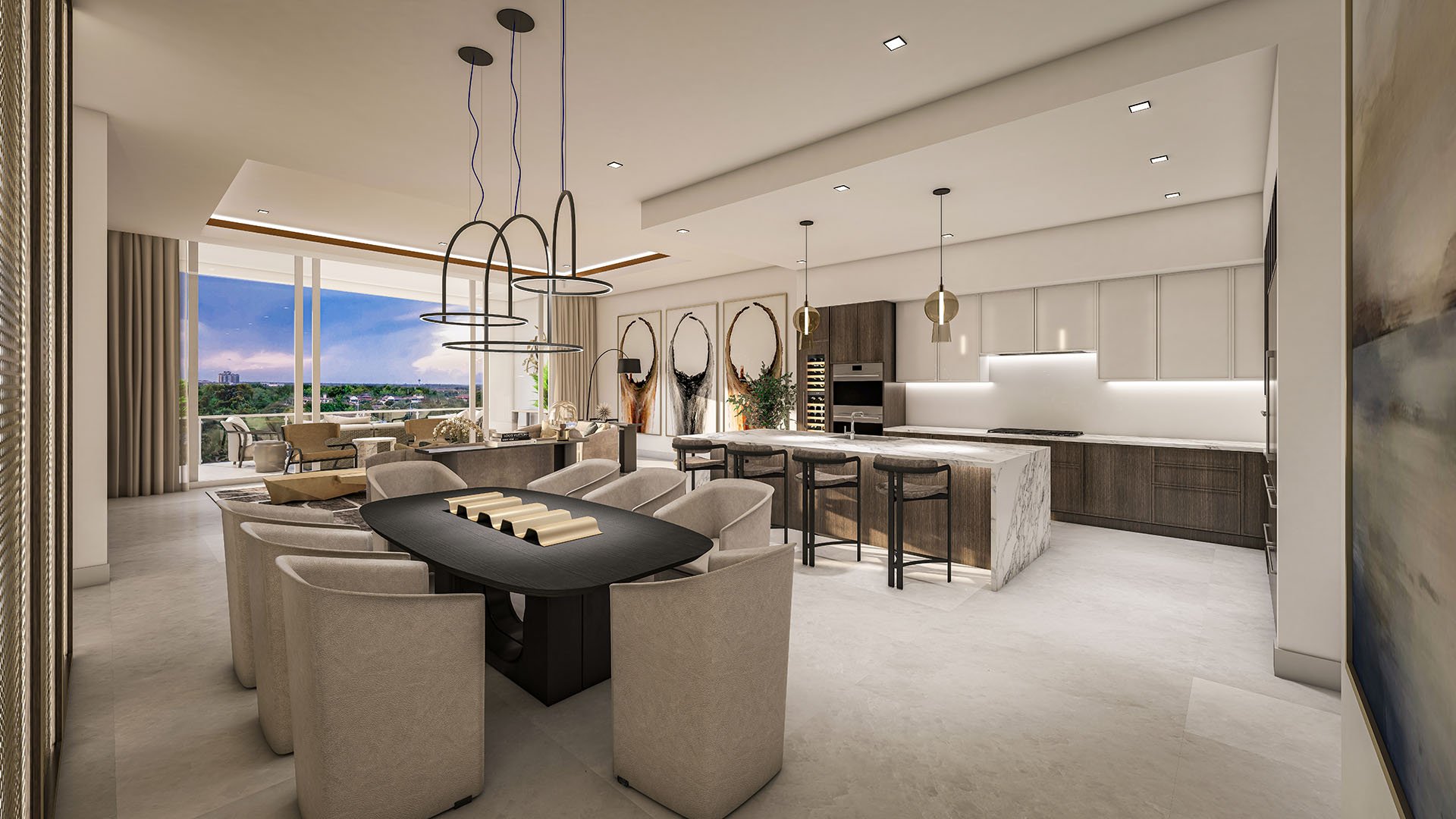
For many South Florida buyers, the outdoor kitchen has moved from amenity to architecture. It is no longer a grill tucked beside a pool. It is a social room, a service zone, a materials test, and a quiet signal of how a residence will live through heat, humidity, sun, rain, and seasonal entertaining.
That is why questions about outdoor kitchen durability can reshape the choice between Boca Raton and Palm Beach Gardens. The decision is not simply which address feels more polished. It becomes a question of how often the kitchen will be used, how exposed it will be, how much maintenance the owner will tolerate, and whether the property’s outdoor space supports cooking as a daily ritual or a special-occasion feature.
In Boca Raton, buyers frequently focus on finish quality, privacy, terrace planning, and a refined transition between interior rooms and exterior living. In Palm Beach Gardens, the conversation can lean toward generous outdoor zones, garden adjacency, golf-oriented routines, and a more relaxed entertaining cadence. Neither is inherently better. The more durable choice is the one that aligns with the owner’s climate expectations and lifestyle habits.
Boca Raton appeals to buyers who want outdoor living to feel composed. The best outdoor kitchens here are not merely weather-resistant. They are visually disciplined, easy to maintain, and integrated into the architecture rather than appended to it.
For a buyer considering Alina Residences Boca Raton, durability questions may center on how exterior entertaining spaces relate to interior finishes, how service access works, and whether materials can preserve a tailored look after repeated use. In a luxury condominium context, the outdoor kitchen must do more than perform. It must remain elegant with minimal visual clutter.
At Glass House Boca Raton, the conversation becomes even more design-sensitive. Buyers evaluating a terrace or outdoor cooking zone should look closely at cabinetry composition, appliance placement, ventilation, drainage, shade, and the ease of protecting surfaces between uses. The more architecturally visible the outdoor kitchen, the less forgiving it is of corrosion, staining, or mismatched equipment.
The same logic applies at The Residences at Mandarin Oriental Boca Raton, where a buyer’s expectation of service, finish, and discretion can make durability feel inseparable from hospitality. Here, the right outdoor kitchen is not defined by the largest grill. It is defined by how gracefully the entire setting functions before, during, and after entertaining.
Palm Beach Gardens often invites a different question: can the outdoor kitchen become part of everyday living without feeling overmanaged? The buyer may be thinking about lunches after golf, dinners beside the pool, family weekends, and a less formal rhythm of use. In that context, durability is measured by practicality as much as finish.
At The Ritz-Carlton Residences® Palm Beach Gardens, the outdoor kitchen conversation is naturally tied to ease, hospitality, and a resort-residential mindset. The most compelling setup is one that can support frequent use while still feeling calm, ordered, and protected. Durable surfaces, thoughtful storage, strong appliance specification, and good cover matter because the kitchen may be asked to perform often.
Palm Beach Gardens can also appeal to buyers who want more separation between indoor formal rooms and outdoor cooking areas. That separation can be an advantage. Smoke, heat, noise, and cleanup are easier to manage when the exterior kitchen has breathing room. For buyers who entertain regularly, that can make the location feel more forgiving.
Outdoor kitchen durability begins with materials, but it does not end there. Buyers should ask how cabinetry resists moisture, how counters handle heat and staining, how hardware behaves over time, and whether appliance finishes are suitable for exterior use. The visible finish is only one layer. The structural backing, fasteners, seams, and ventilation cavities often matter just as much.
Shade is another decisive factor. A beautiful outdoor kitchen with insufficient cover may age faster and become less pleasant to use. Covered space can preserve comfort, protect surfaces, and make cooking viable during more of the day. Drainage deserves equal attention. Water should move away cleanly, without pooling at cabinet bases or appliance openings.
Ventilation is often overlooked because the kitchen is outdoors. Yet a partially enclosed terrace, loggia, or summer kitchen still needs careful airflow. Heat and smoke can compromise comfort, especially when outdoor dining is close to the cooking line.
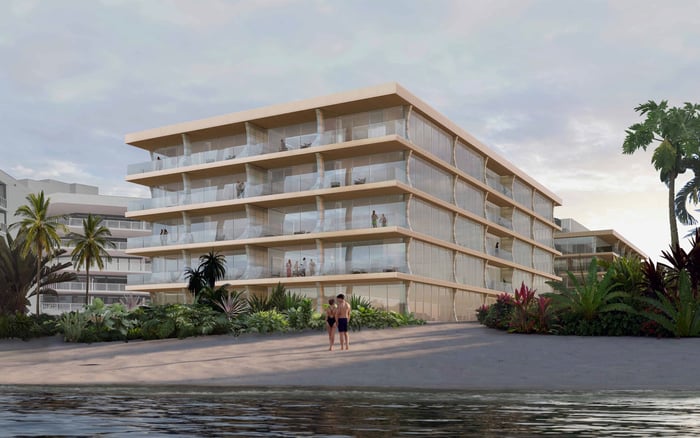
Waterfront settings can elevate the emotional value of an outdoor kitchen, but exposure deserves respect. Salt air, wind patterns, and open sun can affect how finishes perform. Buyers who love the romance of a water-facing cooking terrace should evaluate material resilience with greater discipline.
Garden-oriented settings bring a different set of considerations. They may provide more shelter, softness, and space for layered outdoor rooms, but they still require planning for moisture, insects, landscape debris, and cleaning access. In both Boca Raton and Palm Beach Gardens, the best outdoor kitchens are designed as working environments, not decorative vignettes.
This is where lifestyle becomes the organizing principle. A buyer who cooks outdoors twice a year may prioritize aesthetics. A buyer who grills several nights a week should prioritize serviceability, shade, sink placement, refrigeration strategy, and how easily the kitchen can be closed down after use.
New-construction residences can make outdoor kitchens look effortless in renderings, but buyers should move from imagery to specification. Ask what is included, what is optional, what is owner-installed, and what approvals are required. Clarify utilities, venting, permitted appliance types, weight limitations, waterproofing, and maintenance responsibilities before assuming the terrace can support the desired program.
The most useful question is not, “Does it have an outdoor kitchen?” It is, “How durable is this outdoor kitchen for the way I actually live?” That single shift can clarify the Boca Raton versus Palm Beach Gardens decision. Boca may win for a buyer who wants a highly tailored exterior extension of the home. Palm Beach Gardens may win for a buyer who imagines outdoor cooking as frequent, relaxed, and central to daily life.
The finest outdoor kitchens do not announce themselves. They work cleanly, age gracefully, and allow the host to remain present. Doors align, surfaces clean easily, appliances feel intuitive, and the space looks serene after the meal is over.
That is the durability question affluent buyers should ask first. Not whether the outdoor kitchen photographs beautifully, but whether it will remain pleasurable five seasons from now. Between Boca Raton and Palm Beach Gardens, the better choice is the one whose architecture, exposure, and maintenance profile support the buyer’s preferred version of outdoor living.
Does an outdoor kitchen add more value in Boca Raton or Palm Beach Gardens? The stronger value depends on fit. A durable, well-integrated outdoor kitchen can be compelling in either market when it matches the property’s lifestyle.
What is the first durability question buyers should ask? Ask how exposed the kitchen will be to sun, rain, wind, and moisture. Exposure shapes material choice and long-term maintenance.
Are covered outdoor kitchens preferable? Covered areas often improve comfort and help protect finishes. They can also make the space more usable throughout the day.
Should buyers prioritize appliances or cabinetry? Both matter, but cabinetry and installation details are often the durability foundation. Appliances should be specified for outdoor conditions.
Is a waterfront outdoor kitchen harder to maintain? It can require more attention because open exposure may affect finishes. Buyers should evaluate materials and protection carefully.
Does Boca Raton favor a more formal outdoor kitchen style? Many Boca Raton buyers prefer exterior spaces that feel refined and architecturally integrated. Durability should support that polished presentation.
Why might Palm Beach Gardens appeal to frequent outdoor cooks? Its outdoor living rhythm can suit relaxed, regular use. Buyers should still focus on shade, storage, ventilation, and cleanup.
What should condominium buyers verify before planning an outdoor kitchen? They should confirm utility access, allowed appliances, waterproofing, weight limits, and any approval requirements. Assumptions can be costly.
Can a small outdoor kitchen be better than a large one? Yes. A compact, well-protected, easy-to-clean kitchen can outperform a larger space with poor planning.
What is the best way to compare two properties? Compare exposure, materials, service access, shade, drainage, and how often you expect to cook outdoors. The better property is the one that supports your actual habits.
If you'd like a private walkthrough and a curated shortlist, connect with MILLION.
If branded residences are on your mind — as a home or as an allocation — we would be glad to share what we are seeing, privately.
Begin a quiet conversation