A discreet buyer’s guide to reviewing house rules, service protocols, rental limits, pet policies, reserves, and governance before purchasing a highly serviced South Florida condominium.

In a highly serviced condominium, the residence is only one part of the purchase. The other is the operating culture of the building. House rules determine who may enter, how staff interact with owners, when amenities can be used, whether a contractor can arrive, how pets move through the property, and when a private dinner becomes a building matter.
For buyers accustomed to private clubs, five-star hotels, yachts, or staffed homes, the fine print can be as consequential as the floor plan. A spectacular view may be constant, but service rules evolve through boards, managers, budgets, and owner votes. Before buying, the most valuable question is not simply, “What are the rules?” It is, “How do these rules shape the way I will actually live here?”
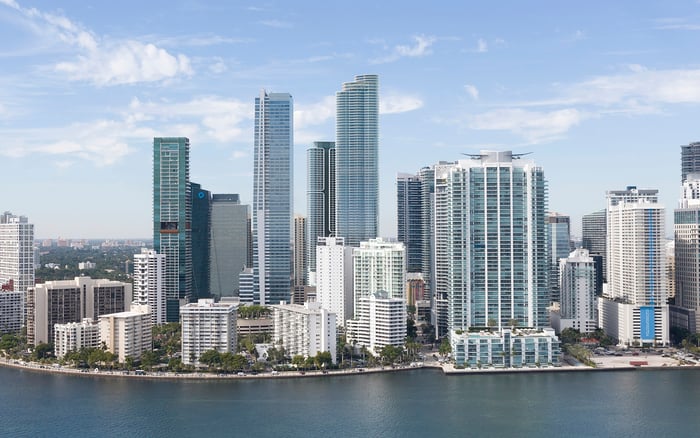
That question matters in Brickell towers, Miami Beach beachfront residences, Surfside boutiques, and Sunny Isles oceanfront buildings alike. Buyers comparing The Residences at 1428 Brickell with quieter coastal options should treat the governing documents as part of the architecture.
Begin by asking for the condominium declaration, bylaws, current house rules, budget, financial statements, reserve information, meeting minutes, insurance summaries, management agreement, and any service or brand agreements that affect residents. The goal is not to become a lawyer overnight. It is to understand who has authority, what can change, and how owners are notified.
Ask whether the board can revise house rules without an owner vote. Ask how often rules have changed in recent years. Ask whether there are pending disputes, major projects, proposed assessments, or unresolved maintenance matters. A highly serviced building is a living institution, and its rules are the operating manual.
New-construction buyers should be especially attentive to the transition from developer control to association control. The early service promise may feel seamless in a sales gallery, but long-term quality depends on budgets, staffing, contracts, and governance after turnover.
The phrase “highly serviced” can describe a wide range of experiences. Some buildings emphasize concierge coordination. Others lean into valet, beach service, wellness programming, housekeeping referrals, private dining support, pet care coordination, or club-like amenity access. Ask which services are included in regular assessments and which are billed separately.
Clarify staffing hours, reservation protocols, gratuity policies, delivery handling, package storage, private event support, and any limits on personal staff. If you travel frequently, ask how the building handles owner absence, key authorization, vendor access, storm preparation, and emergency contact procedures.
At addresses such as The Perigon Miami Beach, buyers are often drawn to the promise of refined coastal living. The essential diligence is to understand how that refinement is administered day after day, not merely how it is presented.
In luxury buildings, guest policies often define the line between hospitality and intrusion. Ask how guests are registered, whether recurring guests require written authorization, whether overnight stays are limited, and how the building handles domestic staff, chefs, drivers, trainers, nurses, and security teams.
Privacy-minded buyers should ask whether staff may announce visitors, whether elevator access is controlled by floor, whether guest names are stored, and how owner instructions are documented. If you expect to host family for extended periods, verify whether the house rules treat long stays differently from short visits.
Also ask about deliveries. Can caterers use service elevators during evening hours? Are floral installations, art handlers, and furniture deliveries limited to specific days? Can a yacht provisioning team or private aviation courier access the loading area? The answers can affect daily ease more than many buyers expect.
Pets are often welcome in South Florida’s luxury condominium market, but the details vary. Ask about weight limits, breed restrictions, the number of animals allowed, registration procedures, vaccination records, elevator rules, designated relief areas, grooming restrictions, and whether pets may pass through the lobby.
The most elegant buildings tend to balance warmth with discipline. Ask how nuisance complaints are handled, whether repeated violations carry fines, and whether visiting pets are treated differently from resident pets. For owners moving from single-family estates, the shift from private grounds to shared vertical living can be significant.
If a buyer is considering coastal residences such as The Delmore Surfside, pet logistics should be reviewed alongside beach access, valet flow, and elevator use. Comfort is often found in the small routines.
Even buyers who never intend to lease should understand rental rules. They affect the ownership pool, building atmosphere, lender comfort, and future resale audience. Ask about minimum lease terms, annual lease frequency, tenant approval, application fees, background checks, move-in deposits, and whether corporate ownership or family occupancy is treated differently.
Short-term rental policies deserve particular attention. A building that restricts transient use may feel more residential and private. A building that permits broader rental activity may offer flexibility but can introduce a different rhythm of arrivals, luggage, amenity demand, and front desk activity.
Ask whether rental rules are embedded in the declaration or simply maintained as house rules. The distinction can matter if you are weighing long-term control, marketability, or estate planning.
A dramatic pool deck, spa suite, screening room, marina lounge, private restaurant, or wellness studio can transform condominium living. Yet amenity value depends on access. Ask how reservations are made, whether fees apply, whether owners may host nonresident guests, and whether peak holiday restrictions exist.
Pool rules should be read closely in beachfront and resort-style properties. Ask about chair reservations, towel service, guest limits, music, food and beverage, children’s hours if any, and storm closure procedures. For a balcony with an outdoor kitchen or plunge feature, ask about grilling, furniture, glass railings, coverings, sound, and hurricane preparation.
In Sunny Isles, buyers considering residences such as St. Regis® Residences Sunny Isles should look beyond amenity renderings and ask how access is prioritized when the building is full during season.
Luxury owners often personalize. That may include millwork, lighting, stone, sound systems, security upgrades, wine storage, art walls, terrace furnishings, and smart home integration. Ask what alterations require architectural review, board approval, licensed contractors, deposits, insurance certificates, and construction schedules.
Clarify quiet hours, elevator protection, demolition limits, plumbing restrictions, waterproofing requirements, and whether neighboring units must be notified. If you collect art or design pieces, ask about freight elevator dimensions, loading dock policies, climate control during delivery, and installation rules.
Highly serviced does not mean unrestricted. It means coordinated. The best buildings protect an owner’s ability to personalize while preserving the serenity of the whole property.
South Florida luxury condominiums face the practical realities of salt air, wind, water, insurance, concrete restoration, mechanical systems, elevators, roofs, glass, seawalls, pools, and life-safety requirements. Ask how reserves are funded, what major projects are anticipated, and whether special assessments have been discussed.
Review the budget not only for the amount, but for philosophy. A building that prizes staffing, service, and preventive maintenance must fund those priorities. Ask whether management costs, security, valet, landscaping, amenity operations, insurance, and utilities are rising. Ask how the board communicates financial decisions.
For Fort Lauderdale buyers comparing serviced waterfront buildings such as The Ritz-Carlton Residences® Fort Lauderdale, the question is not whether luxury has a cost. It is whether that cost is transparent, durable, and aligned with owner expectations.
What is the first document to review before buying a serviced condo? Start with the declaration, bylaws, and current house rules, then review budgets, reserves, meeting minutes, and management contracts.
Can house rules change after I buy? Yes, many rules can change through board or association procedures, so ask how amendments are approved and how owners are notified.
Why do rental rules matter if I will not rent my residence? Rental rules influence privacy, building culture, financing, resale appeal, and the volume of non-owner traffic.
What should pet owners ask before signing a contract? Ask about size limits, number of pets, registration, elevators, relief areas, guest pets, and enforcement of nuisance complaints.
Are branded services always included in monthly assessments? Not always. Some services may be included, while others may be optional, à la carte, or governed by separate agreements.
How should I evaluate amenity rules? Focus on reservation systems, guest limits, fees, seasonal demand, hours, cancellation rules, and owner priority.
What should seasonal residents ask about access? Ask how the building handles keys, authorized guests, vendor access, storm preparation, deliveries, and emergency contacts.
Do renovation rules apply to cosmetic work? Often they do. Even lighting, flooring, millwork, and sound systems may require approval, insurance, deposits, and set work hours.
Why are reserves important in a luxury coastal building? Reserves help fund long-term maintenance needs that can affect service quality, assessments, and the building’s condition.
Should an attorney review the rules? Yes, a Florida condominium attorney can help interpret restrictions, governance authority, risks, and buyer obligations.
For a discreet conversation and a curated building-by-building shortlist, connect with MILLION.
If branded residences are on your mind — as a home or as an allocation — we would be glad to share what we are seeing, privately.
Begin a quiet conversation