
A disciplined read of a condominium budget reveals far more than monthly dues. For South Florida buyers, the real signal sits inside staffing levels, insurance structure, reserve funding, and the deferred systems that often become tomorrow’s assessment.
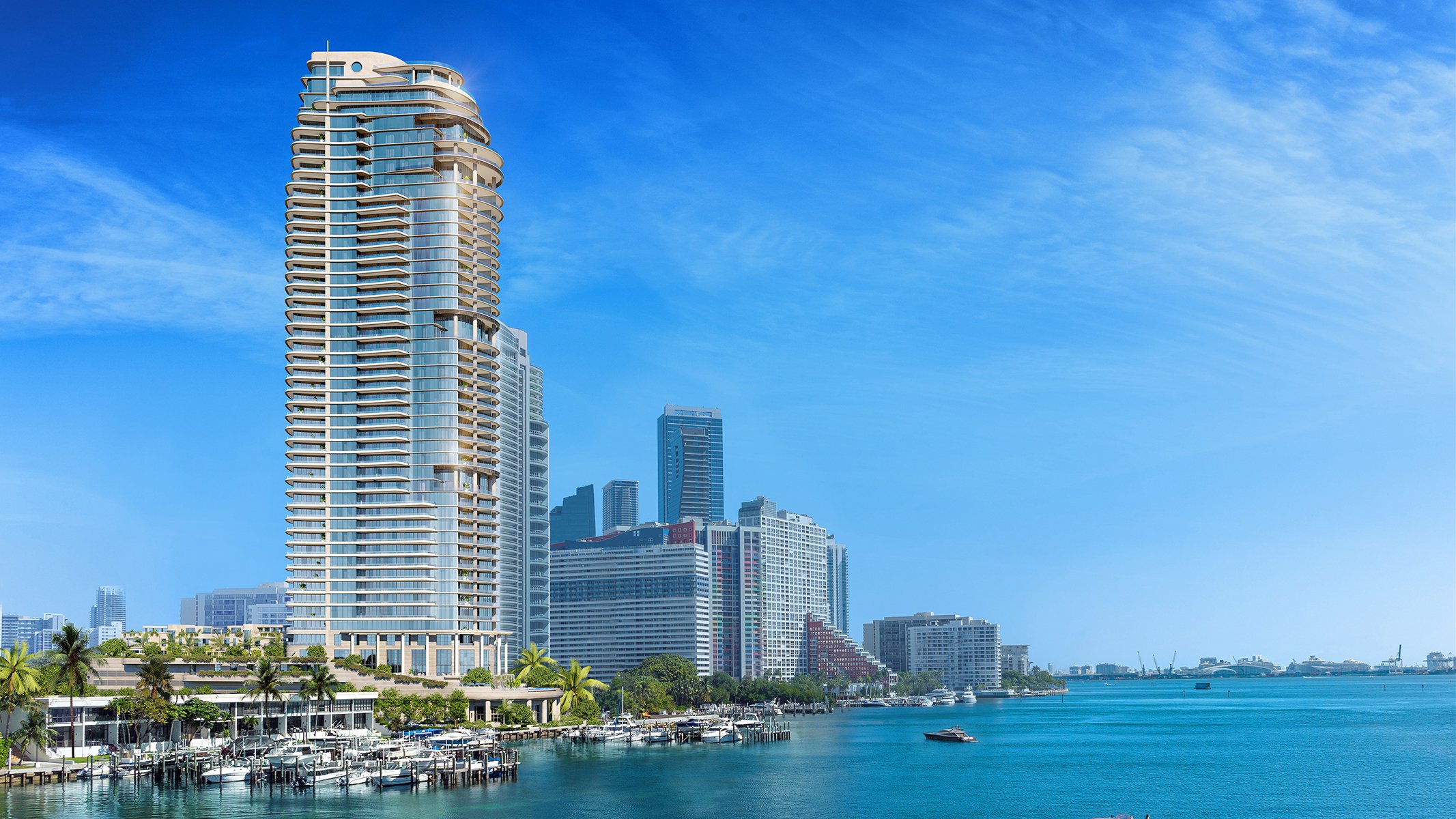
For a luxury buyer, a condominium budget should be read with the same discipline applied to any income-producing asset. The monthly fee may present well on a sales sheet, but the real question is whether the building’s operating structure is honest about what ownership will cost over the next three to five years.
In South Florida, that matters even more. Insurance has become a greater pressure point, aging systems are accelerating capital work, and reserve discipline has moved from a technical accounting issue to a central valuation question. Whether you are considering a polished resale in Miami Beach, a long-hold purchase in Brickell, or a newer boutique offering in Boca Ratón, the budget is where service ambition and financial reality meet.
The most efficient investor framework is simple: review four documents together, not in isolation. Start with the current budget, then compare it against the reserve study, the master insurance declarations, and the audited financial statements. When those four documents align, risk tends to be visible. When they do not, hidden cost centers usually begin to surface.
In full-service buildings, staffing is often the largest controllable operating expense. That includes concierge, valet, security, engineering, maintenance, housekeeping, and front-desk coverage. A building can present itself as impeccably serviced while carrying a payroll structure that is either lean to the point of strain or generous to the point of inefficiency.
The line item itself is not enough. Investors should look for whether payroll is clearly separated or partially buried inside management or administrative categories. If a budget masks labor costs within broad headings, comparison becomes difficult, and that is precisely where overstaffing or underbudgeting can hide.
This is especially relevant when comparing service-rich product types. A buyer evaluating St. Regis® Residences Brickell against 2200 Brickell is not simply comparing design language or address. They are also comparing the long-term cost of maintaining very different operational expectations. Staffing should feel deliberate, not ornamental.
Professional management also deserves nuance. A professionally managed association may cost more annually than a self-managed or lightly managed building, but weak internal controls in volunteer-run environments can create their own exposure through compliance issues, governance lapses, audit concerns, and avoidable disputes. Cheap administration is not always inexpensive ownership.
In many Florida condominiums, insurance has become one of the fastest-moving components of the budget. That means buyers should resist the habit of looking only at the premium total. The more revealing exercise is to read the declarations page and understand what the policy actually does, and does not, transfer away from owners.
High deductibles deserve particular scrutiny. A building can appear adequately insured while still leaving owners exposed to significant claim costs through assessments or direct out-of-pocket obligations after a casualty event. Flood exposure is another common blind spot. Standard property coverage and flood coverage are not the same, and a seemingly manageable operating budget may not fully capture flood-related exposure, mitigation work, or future premium pressure.
Insurance underwriting also increasingly favors buildings that have kept up with roofs, openings protection, and related mitigation measures. In practice, that means deferred maintenance can hit twice: once through capital work and again through higher premiums. For oceanfront product in Surfside or Miami Beach, this interaction is impossible to ignore. A buyer studying The Perigon Miami Beach should want to see not just polished common areas, but evidence that the physical plant supports favorable underwriting.
For investors, reserves remain one of the clearest tests of whether current dues are truly carrying the building or merely postponing the bill.
A reserve study is the key companion document. It projects major component replacements and helps test whether funding is adequate for future repairs. Without that study, the reserve line can look comfortingly large or deceptively adequate while still failing to match the building’s actual obligations.
Underfunded reserves matter because capital needs do not disappear. They usually return as special assessments. Roof work, structural repairs, façade restoration, waterproofing, and other major projects often become disruptive only when they were not steadily planned for in prior budgets.
This is one reason new construction and well-capitalized recent delivery can attract sophisticated buyers, even when baseline dues appear higher. The comparison is not just current carrying cost. It is whether the ownership structure is candid about future capital needs. In Edgewater, for example, a purchaser considering Aria Reserve Miami may reasonably view transparent reserve planning as part of the asset’s investment case rather than a mere expense burden.
The most expensive surprises in a condominium budget are often tucked inside systems that buyers rarely tour with much attention. Electrical infrastructure is a prime example. Older panels, wiring, emergency systems, and fire-alarm upgrades can become unavoidable after years of underinvestment.
Concrete and envelope work are equally important. Façade deterioration, waterproofing failure, and recurring concrete restoration can reshape ownership economics in mid-rise and high-rise buildings alike. Parking garages and decks are often chronically deferred, even though periodic sealing, waterproofing, and repair are essential if an association wants to avoid a much larger capital event later.
Roof inspection cycles and certification-related repairs can create another pattern of uneven expense. If the budget does not smooth these obligations effectively, buyers may face abrupt assessments despite otherwise stable monthly dues.
Utilities also deserve more attention than they typically receive. In a master-metered building, the association absorbs more water or electric volatility than in a submetered one, which means a calm budget year may not predict the next. Technology infrastructure is now part of this conversation too. Fiber, common-area connectivity, and conduit upgrades increasingly function like competitiveness capex, not optional extras.
For boutique buildings in Bay Harbor Islands or Coconut Grove, these hidden systems can matter as much as architecture. A discreetly scaled residence such as La Maré Bay Harbor Islands or Opus Coconut Grove may deliver a refined ownership experience, but investors still need clarity on the less photogenic systems beneath the finish level.
If the budget is the association’s plan, the audited financials are the record of how closely reality followed it. This is where buyers can find evidence of reserve weakness, collection issues, unusual vendor concentrations, and internal-control concerns.
Read the notes, not just the headline statements. Look for whether operating deficits recur, whether reserves are being used inappropriately to support operations, whether receivables are rising, and whether pending obligations seem disconnected from the current year budget. Ask directly about pending litigation as well. Legal disputes, even when they seem peripheral, can materially alter the economics of ownership.
The most sophisticated buyers are not looking for perfection. They are looking for coherence. A credible luxury building can carry elevated costs if the documents explain them clearly and fund them responsibly. What undermines confidence is not high spending, but unexplained spending.
Before buying, request the most recent budget, reserve study, audited financial statements, insurance declarations, and disclosure of pending litigation. Then test five questions.
First, are staffing levels clearly itemized and appropriate for the service model?
Second, do insurance deductibles and flood exposure create potential owner assessments that the monthly dues do not telegraph?
Third, does the reserve study align with the age and complexity of the building’s major systems?
Fourth, are hidden cost centers such as concrete restoration, electrical modernization, garage repairs, roofing cycles, and technology upgrades already funded, or merely approaching?
Fifth, are rising fees part of a disciplined long-term plan or a late response to years of under-collection?
For South Florida buyers, this is the difference between paying for luxury and subsidizing deferred reality.
What documents matter most when reviewing a condo budget? Start with the current budget, reserve study, insurance declarations, and audited financials, then read them together for consistency.
Why are reserves so important to investors? Reserves show whether major future repairs are being funded gradually or left to become special assessments later.
Are higher monthly dues always a negative? No. Higher dues can reflect honest reserve funding, stronger staffing, and better maintenance discipline.
What is the biggest operating expense in many luxury condos? In full-service buildings, staffing is often the largest controllable cost center.
Why should buyers read the insurance declarations page? It reveals deductibles, coverage gaps, and owner exposure that may not be obvious from the budget alone.
Can a well-kept lobby still hide financial risk? Yes. Deferred electrical, roofing, concrete, or garage work may sit behind polished common areas.
Do older buildings always carry more risk? Not always, but older assets require especially careful review of reserves, maintenance history, and upcoming capital projects.
How do utilities affect budget quality? In master-metered buildings, the association absorbs more utility volatility, which can pressure future dues.
What can audited financials reveal that budgets do not? They can expose collection issues, internal-control concerns, recurring deficits, and other red flags before purchase.
How should a buyer think about future fee increases? Underwrite ownership over several years, not just the current monthly number, especially in Florida’s shifting insurance and maintenance environment.
For a discreet conversation and a curated building-by-building shortlist, connect with MILLION Luxury.
If branded residences are on your mind — as a home or as an allocation — we would be glad to share what we are seeing, privately.
Begin a quiet conversation

