A discreet, buyer-oriented editorial on how ultra-premium buyers evaluate South Florida real estate in 2026, from neighborhood fit and building quality to lifestyle services, resiliency, and exit strategy.

In South Florida, the most enduring form of luxury isn’t a finish package or a headline view. It’s frictionless ownership: predictable access, discreet service, and a residence that supports how you actually live-whether you’re here for a season, a school calendar, or an operating schedule that requires privacy and speed.
Today’s ultra-premium buyer typically arrives with a refined frame of reference. They’ve experienced the best of New York, Los Angeles, London, Aspen, and the Riviera. What wins them over in Miami, Miami Beach, Sunny Isles, Fort Lauderdale, Boca Raton, or West Palm Beach is a combination few markets deliver at once: year-round outdoor living, international connectivity, and a deepening roster of architect-led and brand-led buildings.
The practical question MILLION Luxury hears most often is simple: “Where will I feel most at home, and how do I protect my time while I’m there?” The answers have less to do with trends and more to do with aligning your household’s rhythm with the right neighborhood and the right building.
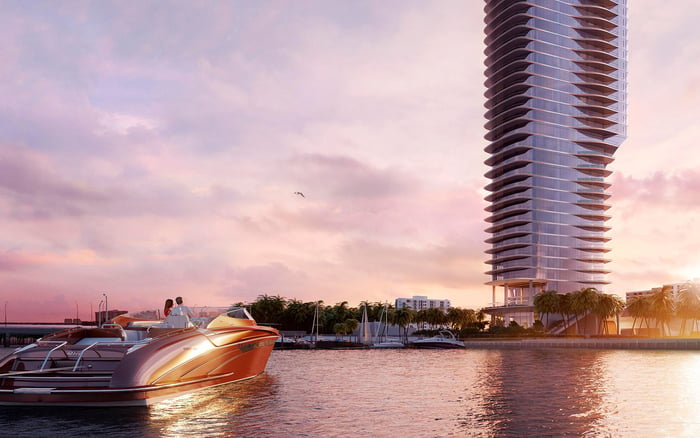
For buyers evaluating Rosewood Residences Hillsboro Beach, this same framework can help clarify beach access, service culture, and day-to-day logistics before you commit.
Ultra-premium decisions get clearer when you commit to a priority order. Neighborhood comes first, because it determines your daily time costs.
Brickell
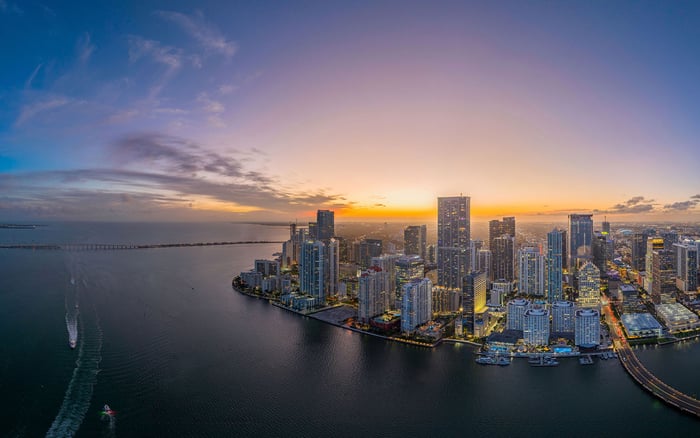
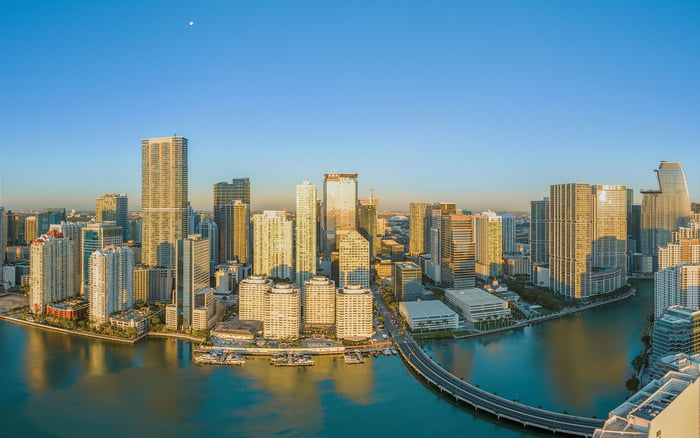
is built for immediacy. It suits buyers who want to walk to dining, offices, and fitness, and who value the efficiency of a true urban core. If that’s your cadence, prioritize buildings with strong arrival sequences, quiet lobbies, and real privacy at the elevator bank. Newer vertical living in Brickell has also become more design-forward, with residences that feel curated rather than simply large. For a sense of this direction, consider 2200 Brickell as an example of a contemporary, buyer-driven approach in the district.
Miami Beach
remains the ultimate lifestyle address, but it isn’t a single market. Beach decisions are micro-neighborhood decisions: the quiet of South of Fifth versus the energy of mid-beach, the intimacy of boutique buildings versus resort-scale service. For buyers who want a calm, residential beach environment with a more intimate feel, 57 Ocean Miami Beach is a useful reference point when comparing boutique oceanfront offerings.
Sunny Isles
draws global second-home buyers who want direct ocean exposure and newer inventory. Many towers emphasize full-service living, dramatic views, and turn-key ease. The strongest choices combine glamour with operational competence: well-managed amenities, sensible rules, and a culture that respects privacy. If the goal is high-floor living with an engineered ownership experience, Bentley Residences Sunny Isles helps set expectations for the level of concepting now coming to the shoreline.
Boca Ratón
often reads as “quiet luxury” by design. It fits buyers who want a polished daily routine, a more residential pace, and a strong set of single-family options. When the objective is a turn-key modern home with a private yard-rather than a full-service tower-a property like 749 Bamboo Dr Boca Raton reflects the end-user sensibility many households seek.
Price and quality aren’t synonymous. In the ultra-premium segment, the difference shows up in the unglamorous details that determine day-to-day comfort.
Layout intelligence.
The most livable homes move naturally: a true entry moment, guest suites with real privacy, service areas that keep staff movement discreet, and storage that doesn’t compromise aesthetics. Study how the kitchen relates to entertaining spaces, and whether the primary suite reads as a retreat rather than an afterthought.
Acoustics and mechanical systems.
Quiet is a luxury. Ask direct questions about sound transmission between floors and units, window systems, and how mechanical equipment is isolated. When possible, visit during active hours-not only during a quiet mid-day showing.
Elevators and arrival.
Elevator counts, private elevator access, and service-elevator separation can make or break a building’s feel. A gorgeous residence still disappoints if arrival is crowded or unpredictable.
Amenity programming that matches your life.
The best amenities aren’t the longest list; they’re the most usable. Evaluate whether wellness spaces, pool environments, co-working rooms, and dining offerings are designed for residents-not just for marketing photography.
In South Florida, buyers often weigh new construction against established “trophy” buildings that have already proven themselves. The decision is less about age and more about the type of risk you prefer.
New construction
can deliver modern resilience, current design standards, and the satisfaction of being first. It may also bring more predictable maintenance in the early years. The trade-off is underwriting a future operating reality: how the association will be run, what the true carrying costs will be, and whether the building’s culture will match your expectations.
Established buildings
offer clarity. You can review actual budgets, observe staff professionalism, and understand resident norms. The trade-off may include renovation cycles, older mechanical systems, or layouts shaped by past preferences.
A buyer-oriented way to think about this is as a long-term membership. Ask yourself: will I still love the lobby, the pool, and the service experience once the novelty wears off? If the answer is yes, the building is likely a fit.
Luxury also means optionality. Even if you plan to hold a residence for years, it’s smart to understand how you’d exit if life changes.
Privacy and governance.
Review house rules early. Some buildings are designed around a quiet, owner-occupied culture. Others are more tolerant of frequent guest turnover. Neither is inherently better-but you don’t want to discover a mismatch after closing.
Rental flexibility.
If you anticipate any rental strategy, confirm what’s permitted and what’s practical. The standard isn’t just “allowed,” but “marketable” within the building’s rules.
Liquidity profile.
Certain product types tend to trade more smoothly: well-sized two- and three-bedroom residences with strong views, or premier condos in neighborhoods with global brand recognition. Unique residences can be extraordinary, but uniqueness is a double-edged sword at resale.
A disciplined buyer defines the future buyer before they buy: Who will want this home, and why?
View corridors are seductive-but they’re not static. Before you pay for a panorama, pressure-test the permanence of what you’re buying.
Morning light and shade patterns shape comfort and operating costs.
Depth matters; a narrow terrace photographs well but lives poorly.
Oceanfront settings are incomparable, but they require a realistic maintenance mindset.
The best view is the one you can enjoy with doors open.
Treat the residence as a daily environment, not a postcard.
In the ultra-premium segment, buyers are increasingly drawn to timelessness. The goal isn’t to look “new” for one season-it’s to feel composed for years.
Prioritize what’s expensive to change and difficult to perfect later: ceiling heights, window systems, door quality, and the integrity of the building’s architecture. Finishes can be updated; proportions can’t. When evaluating a home, look for a calm palette, clean lines, and materials that age gracefully.
If you’re planning significant customization, assess how accommodating the building is to renovations, deliveries, and work schedules. A beautiful redesign only works if the operational framework supports it.
For many households, South Florida’s luxury premium is less about square footage and more about time reclaimed.
Full-service buildings, concierge culture, and curated wellness spaces can reduce the cognitive load of ownership. The strongest properties feel like an extension of a private club-without the spectacle: discreet staff, controlled access, and amenities that perform reliably.
In practice, this is why buyers often pay for a building that simply runs well. When the lobby is consistently staffed, packages are handled seamlessly, valet is predictable, and maintenance is proactive, the residence becomes a true retreat.
Without relying on any single trend, one direction is clear: the market is rewarding buildings and homes that deliver enduring livability. Buyers are less swayed by novelty alone and more focused on execution.
That means developers and owners who invest in operating quality, thoughtful layouts, and privacy will continue to command attention. For buyers, the opportunity is to purchase with clarity: choose the neighborhood that fits your daily life, choose the building that respects your time, and choose the residence that still feels right on an ordinary Tuesday.
What should I decide first: neighborhood or building? Neighborhood first, because it dictates your daily routine and time costs more than any amenity package.
Is new construction always the safer choice? Not always; it can reduce early maintenance surprises, but you are also underwriting future governance and costs.
How do I compare two luxury buildings objectively? Focus on arrival, acoustics, elevator experience, and the professionalism of building operations.
Do oceanfront condos require different ownership expectations? Yes; salt, wind, and humidity can increase maintenance demands, even in well-built properties.
What makes a floor plan “luxury” beyond square footage? Privacy, natural circulation, storage, and a true entry sequence often matter more than raw size.
Should I prioritize view or interior livability? Prioritize livability first; a spectacular view loses value if heat, noise, or layout compromises daily comfort.
How important are rental rules if I do not plan to rent? Very important, because they influence building culture and can affect resale demand.
What’s the best way to think about resale in ultra-luxury? Define the future buyer early and avoid features that are so specific they narrow the market.
Do amenities meaningfully affect value? Yes, when they are usable and well-operated; oversized amenity lists without execution add little.
What role can a buyer’s advisor play during the buying process? The right guidance clarifies neighborhood fit, building quality, and the practical details that protect your time.
To compare the best-fit options with clarity, connect with MILLION Luxury.
If branded residences are on your mind — as a home or as an allocation — we would be glad to share what we are seeing, privately.
Begin a quiet conversation