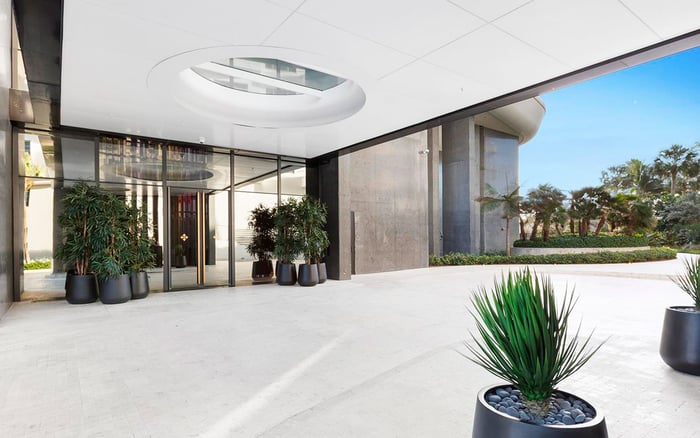
A buyer-focused comparison of Faena House Miami Beach and Viceroy Brickell, framed around ownership control, smart-home customization, data privacy, and service responsiveness.
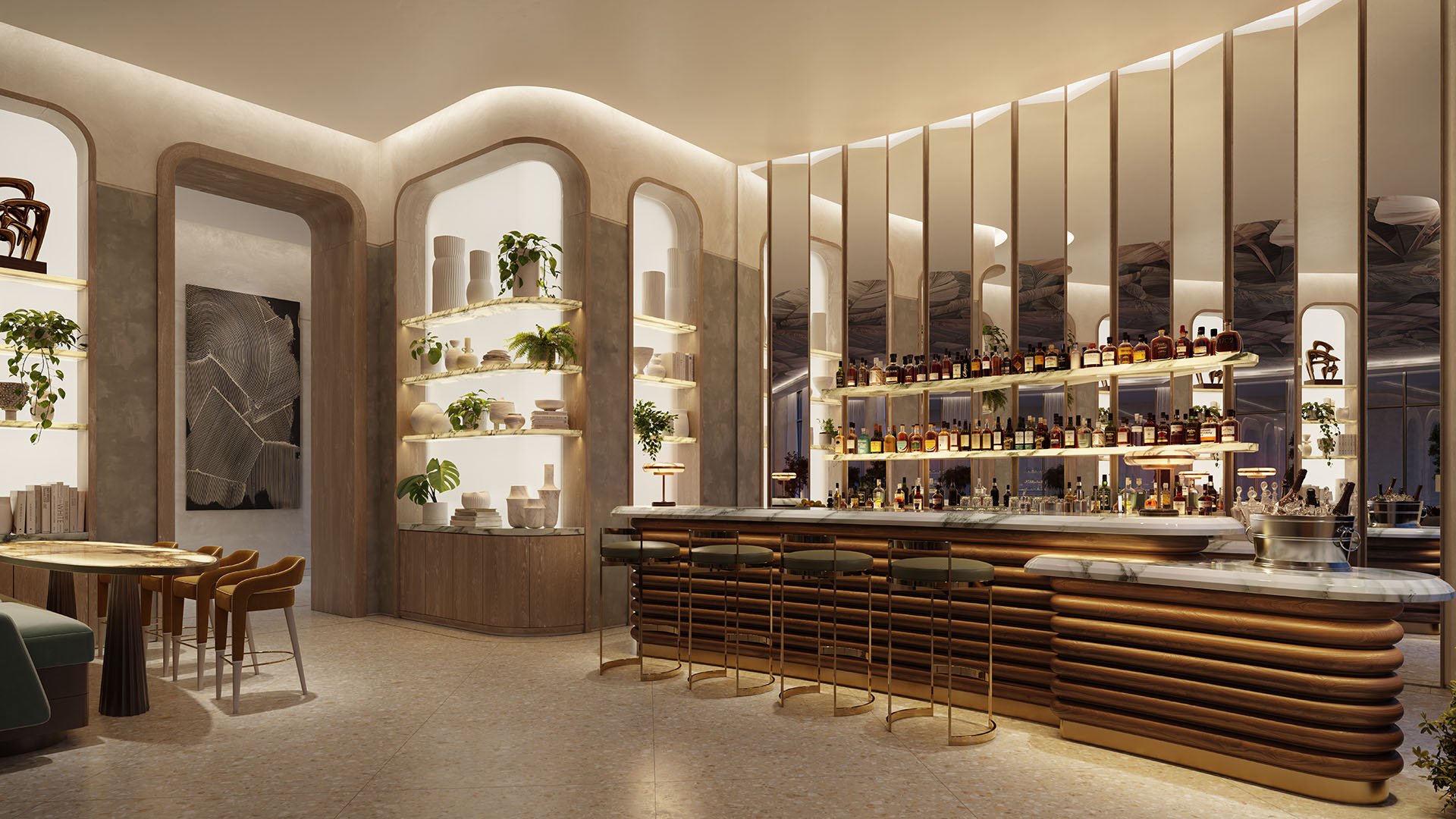
For a buyer comparing Faena House Miami Beach with Viceroy Brickell, the conversation should begin with control. Not only control over finishes, but control over systems, data, service interactions, vendor access, and the invisible infrastructure that shapes daily life in a high-value South Florida residence.
Faena House belongs on the private condominium side of the comparison. Its appeal for many buyers is rooted in discretion, residential governance, oceanfront living, and the ability to treat technology as part of a tailored home environment rather than as a standardized hospitality layer.
Viceroy Brickell, by contrast, belongs in the buyer’s analysis as the Brickell service question. For anyone evaluating a brand-facing urban residence, the relevant diligence is not only what services are presented, but how they are delivered, who touches the data, how requests are recorded, and how quickly the building responds when technology or service workflows fail.
In a private condominium model such as Faena House, smart-home readiness is best understood at the unit level. The buyer has to think like the owner of a significant residence: lighting control, motorized shades, climate zones, audio, network hardware, cybersecurity, access permissions, and future serviceability. The advantage is flexibility. The responsibility is planning.
That flexibility matters for owners who do not want the home experience dictated by a single building app or standardized service layer. A buyer can prioritize a preferred integrator, decide which systems remain local, and design a technology stack around family use, staff access, seasonal occupancy, and privacy expectations.
In a Brickell model with stronger service expectations, the analysis shifts. Buyers should ask how concierge requests, package permissions, guest access, amenity reservations, maintenance tickets, and in-residence service requests are processed. A polished service experience can be valuable, but it may also introduce more digital touchpoints. The question is not whether technology exists. The question is whether the owner understands it.
This is why buyers comparing Viceroy Brickell with other service-forward Brickell addresses, including The Residences at 1428 Brickell, should evaluate the building’s technology ecosystem before they fall in love with the view line or amenity program.
Privacy in luxury real estate used to be mostly physical: private elevators, controlled entries, discreet staff, and limited foot traffic. Those elements still matter. But today, privacy is also digital. Every app-based request, smart lock permission, visitor credential, camera system, network login, and service ticket can create a record.
Faena House’s appeal for privacy-focused buyers lies in its more residential orientation. For certain owners, that is the luxury: fewer service layers, fewer institutional rituals, and more direct control over how the home operates.
That does not mean a private condominium is automatically more secure. It means the buyer has greater responsibility to design the security posture correctly. A serious acquisition should include review of network architecture, access-control systems, vendor protocols, association rules, and how staff or contractors enter the residence.
In a service-driven urban property, buyers should request clarity on privacy policies, service platforms, data retention, third-party vendors, and resident-facing applications. The most important questions are often simple: what information is collected, who can see it, how long it is stored, and what happens when an owner changes vendors or sells.
Service responsiveness is not the same as service intensity. Some owners want a residential building that feels quiet, private, and self-directed. Others want an integrated system that can coordinate reservations, deliveries, staff access, transportation, housekeeping, maintenance, and guest arrivals with minimal friction.
Faena House’s model is better suited to the buyer who values quiet precision and resident discretion. For an oceanfront owner, that distinction can be important. The home remains a home, not an extension of a hospitality program.
In Brickell, service responsiveness is often judged in urban terms: elevator efficiency, guest flow, package volume, valet coordination, amenity scheduling, and quick answers during peak demand. Buyers should test the service model through practical scenarios. What happens when a principal arrives late? How are multiple guests cleared? Can staff access be temporary and auditable? How quickly are building technology issues escalated?
These questions also apply when buyers compare Miami Beach alternatives such as The Perigon Miami Beach, where design, privacy, and service expectations all intersect in a different coastal rhythm.
The investment lens should be disciplined. Smart-home readiness can support long-term value, but only when systems are documented, maintainable, and adaptable. A beautifully customized residence with obsolete controls can become a liability. A standardized service platform can feel efficient, but buyers must understand ongoing costs, data exposure, and governance limits.
For resale, the most compelling homes are often those where technology enhances the architecture without overwhelming it. In any luxury condominium, the technology strategy should preserve a sense of permanence, with infrastructure that can be updated without compromising interiors.
Second-home buyers should be especially careful. Remote access is convenient, but it heightens the importance of secure networks, permission controls, and trusted local support. Seasonal owners need systems that can be monitored without turning the residence into a data-rich operational dashboard for too many parties.
The right answer depends on temperament. Faena House favors the owner who wants discretion, customization, and residential governance. Viceroy Brickell should be evaluated by buyers who place a premium on service responsiveness and are prepared to examine the digital infrastructure behind that service.
Is Faena House Miami Beach best understood as a private condominium model? Yes. In this comparison, it is framed around private residential control, owner-directed customization, and a quieter condominium culture.
Why does smart-home readiness differ between the two models? In a private condominium, technology is often shaped more by unit-level customization. In a service-forward model, buyers must also evaluate building platforms and shared workflows.
What makes Faena House relevant for privacy-focused buyers? Its relevance comes from discretion, residential governance, and the ability to tailor in-residence systems around the owner’s preferences.
Should buyers assume a branded service model is less private? No. Buyers should examine how data is collected, stored, shared, and governed before relying on any service platform.
What should a buyer ask about Viceroy Brickell? Ask how concierge requests, access permissions, resident apps, service tickets, and third-party vendors are managed.
Does oceanfront living change the technology conversation? Yes. Oceanfront residences require careful planning for climate control, shading, connectivity, maintenance access, and long-term system durability.
What matters most for a smart second home? Secure remote access, reliable local support, documented systems, and clear permission controls are essential.
Can customized smart-home systems help resale value? They can, if they are intuitive, well documented, serviceable, and designed to complement the residence rather than distract from it.
Which model is better for a discreet owner? Faena House will likely appeal to buyers prioritizing private residential control, while Viceroy Brickell merits close review for service-led convenience.
What is the best way to shortlist comparable options for touring? Start with location fit, delivery status, and daily lifestyle priorities, then compare stacks and elevations to validate views and privacy.
When you're ready to tour or underwrite the options, connect with MILLION.
If branded residences are on your mind — as a home or as an allocation — we would be glad to share what we are seeing, privately.
Begin a quiet conversation.jpg&width=700&height=438&fit=cover)