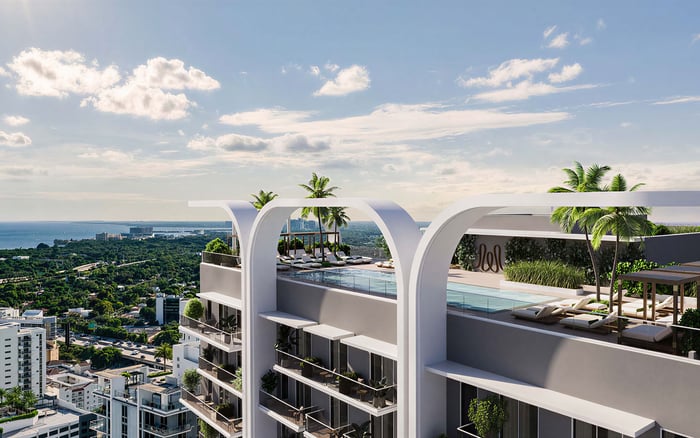
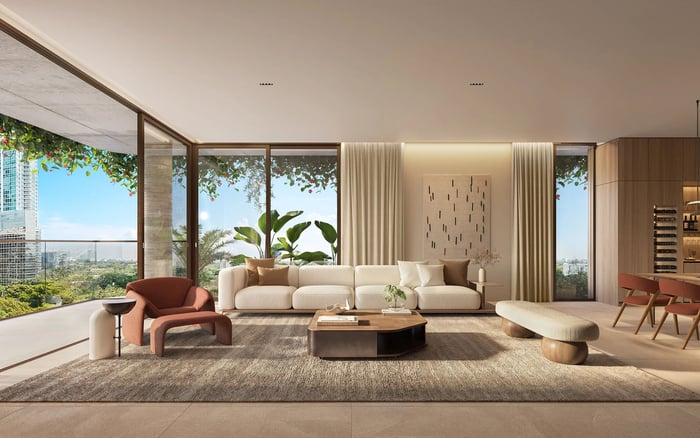
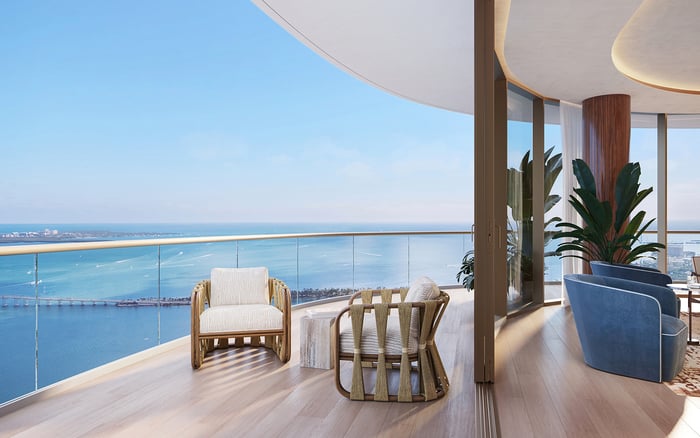
A discreet buyer’s guide to evaluating privacy, view corridors, terraces, glass lines, and neighboring towers before purchasing a South Florida penthouse.
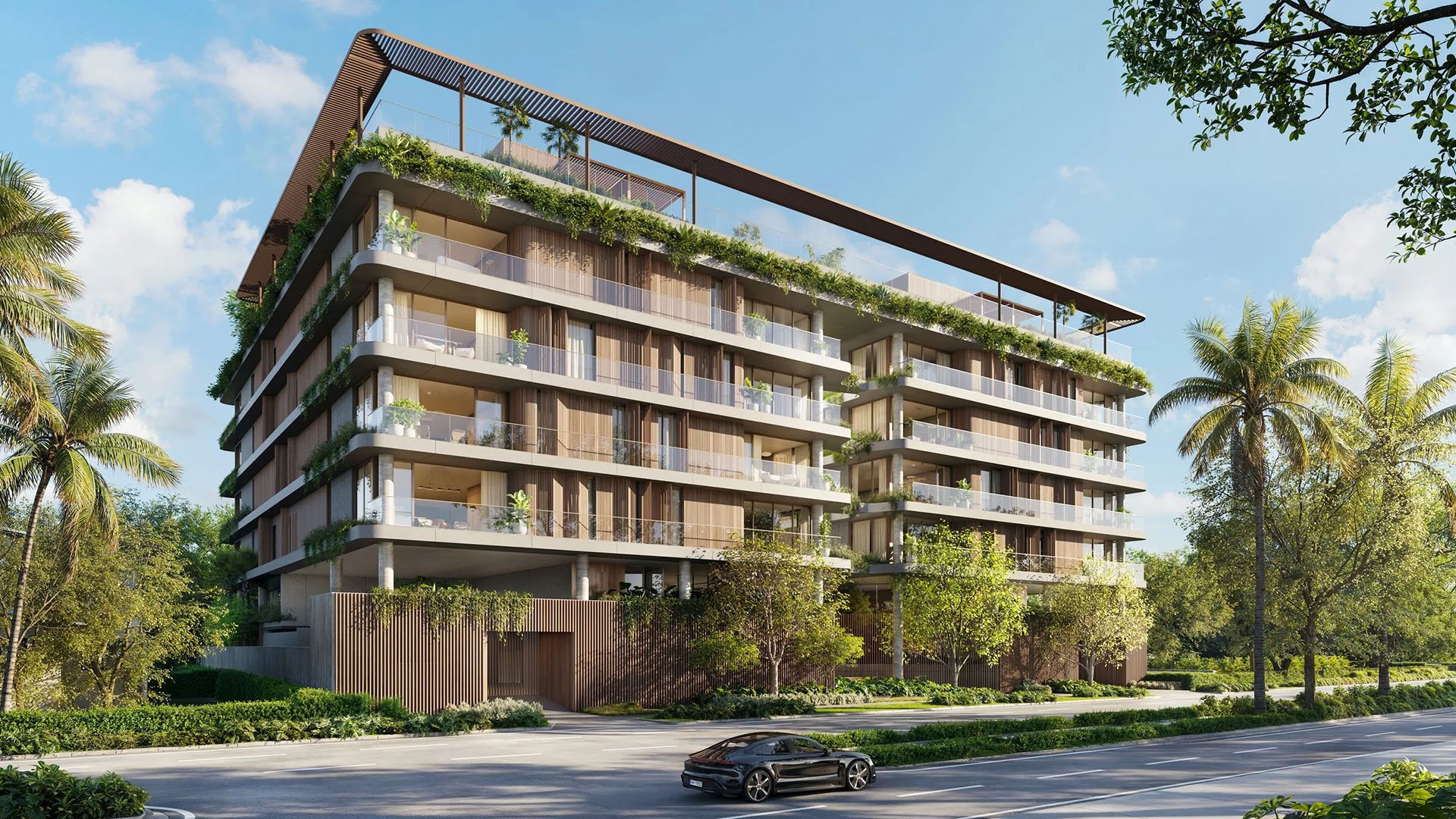
A penthouse is often purchased for elevation, light, and the sense of command. Yet the strongest South Florida penthouse acquisitions are rarely judged by panorama alone. They are judged by what that panorama allows the owner to live with, and what it quietly exposes.
Neighbor sightlines are the invisible architecture of daily privacy. A residence may have a postcard water view, but if a nearby tower looks directly into the primary suite, the practical luxury of that view changes. A terrace may feel cinematic at noon and surprisingly public after dusk. A glass corner may frame Biscayne Bay beautifully while also placing a dining room in direct alignment with another residence.
In South Florida, where towers often cluster along waterfronts, canals, causeways, and urban corridors, the best view is not simply the widest view. It is the view with depth, obliqueness, and durability. Buyers considering high-profile residences such as The Residences at 1428 Brickell should study not only what is visible from the home, but who can see back into it.
Many buyers begin on the balcony or terrace because open air delivers an immediate emotional response. That is natural, but it can be misleading. The more useful approach begins inside the rooms where privacy carries the greatest personal value: the primary bedroom, bathroom, dressing area, kitchen, dining space, and principal living room.
Stand at the bed wall, the vanity, the shower glass, the island, the dining chairs, and the main sofa grouping. Sightlines change dramatically when evaluated from the actual points of use. A neighbor may not see into a room from the center, yet may have a direct line into the bathroom when the lights are on. A living room may feel private while standing, then exposed when seated.
High floors create distance, but distance is not the same as privacy. The essential question is whether another residence or amenity deck sits at a similar elevation, and whether its angle is direct, diagonal, or incidental. A diagonal relationship is usually easier to manage. A direct face-to-face condition is more consequential, especially when both buildings rely on floor-to-ceiling glass.
A penthouse should be visited in more than one light condition whenever possible. Morning light can flatten reflections and make neighboring interiors less visible. Late afternoon can reveal glare, mirrored-glass effects, and the way sun direction changes comfort in outdoor areas. Evening is often the most revealing test because interior lighting turns private rooms into illuminated volumes.
The nighttime test should be practical. Turn on the lights as they would actually be used. Open and close window treatments. Stand outside on the terrace and look back into the home. Then repeat from the interior, observing the adjacent towers. This is where the difference between a glamorous architectural photograph and a livable residence becomes clear.
In Brickell, where urban energy is part of the attraction, buyers may accept a more layered skyline condition in exchange for walkability, services, and vertical drama. A residence at St. Regis® Residences Brickell, for example, should be assessed with the understanding that city views are dynamic. The issue is not whether other buildings exist. The issue is whether their presence interrupts the rooms that matter most.
Neighbor sightlines are shaped by architecture, not merely proximity. Curved towers may deflect views. Deep balconies may shield interiors. Offset floor plates may create privacy between residences even when buildings appear close on a map. Conversely, a perfectly parallel glass wall can create exposure even across a meaningful distance.
Look for amenity decks, pool terraces, restaurants, lounges, fitness rooms, and elevator corridors in neighboring properties. These areas can generate more persistent observation than private residences because they are shared by many users. A single neighbor is one condition. A highly trafficked amenity level facing the home is another.
Study the height relationship as well. A penthouse above most surrounding buildings may feel serene, but a neighboring tower of similar or greater height can alter that experience. The most valuable sightlines often combine elevation with asymmetry: views that pass over lower structures, angle toward water, or open across a park, bay, inlet, or ocean plane rather than into another facade.
The terrace is not an accessory in a South Florida penthouse. It is often one of the primary living rooms. Its privacy deserves the same scrutiny as the interiors.
Walk the entire perimeter. Sit where dining, lounging, and sunning would realistically occur. Notice whether neighboring residences overlook the seating areas or only the edges. A terrace that is visible at the parapet may still feel private in its furnished zones. Conversely, an expansive outdoor area can lose value if its most usable portion is exposed to a neighboring stack of balconies.
Wind, shade, and view direction also matter. A dramatic outdoor space that is uncomfortable in prevailing conditions may become a visual amenity rather than a daily living area. For oceanfront buyers assessing properties such as The Perigon Miami Beach, the strongest outdoor rooms usually balance openness toward the water with architectural screening from adjacent residences.
Not all views carry the same weight. Some are structurally protected by water, roadways, parks, or established low-rise districts. Others are borrowed through vacant parcels, older buildings, or development gaps. A borrowed view may still be beautiful, but it should be valued with caution.
Buyers should ask how much of the view experience depends on a gap that could change. The answer affects not only resale confidence, but also day-to-day satisfaction. A wide view that could narrow may be less compelling than a slightly more focused view with stronger permanence.
In Sunny Isles and similar coastal markets, vertical living often means comparing ocean exposure, neighboring towers, and lateral privacy at once. A residence such as Bentley Residences Sunny Isles invites buyers to consider how the ocean view, building orientation, and adjacent high-rise context work together. The best diligence measures the view as a living condition, not just a sales image.
Renderings, floor plans, drone imagery, and digital view studies can help narrow the field. They are useful for understanding elevation, orientation, and likely visual corridors. Yet the human eye remains essential because privacy is experienced emotionally and physically.
A plan may show distance, but not the sensation of being watched. A rendering may show a clean horizon, but not the glow of an adjacent amenity deck at night. A drone angle may suggest exposure that feels minimal in person, or the reverse. Technology should inform the visit, not replace it.
For pre-construction opportunities, ask to review available view materials by elevation and orientation, then compare them with surrounding context in person. In established buildings, the discipline is simpler: spend time in the actual residence, in the actual rooms, under realistic lighting.
Not every imperfect sightline should disqualify a penthouse. Some conditions can be refined through design. Motorized shades, layered drapery, landscape planters, exterior screens where permitted, furniture placement, art walls, and lighting control can soften exposure without sacrificing the view.
The key is to distinguish manageable visibility from structural compromise. A dining room that needs evening sheers may be perfectly acceptable. A primary bathroom directly aligned with a neighboring residence may require deeper consideration. A terrace visible only from a distant oblique angle is different from one overlooked by a busy amenity deck.
In more residential waterfront settings such as Coconut Grove or Grove Isle, buyers may find a different balance between greenery, water, and privacy. Residences like Vita at Grove Isle show why view evaluation should include both the natural frame and the neighboring built environment.
A disciplined penthouse visit should answer a few essential questions. Which rooms have the highest privacy exposure? Are the sightlines direct or diagonal? Does the view change materially at night? Are outdoor seating areas protected or exposed? Is the most valuable view permanent, borrowed, or partly dependent on surrounding parcels?
The finest purchase decisions are rarely based on a single breathtaking vista. They come from understanding the whole visual field: water, skyline, neighbors, light, reflections, and the private rituals of living at height. In South Florida, that level of discernment is not excessive. It is the difference between owning an impressive penthouse and living beautifully in one.
What is the first sightline to evaluate in a penthouse? Start with the primary suite, bathroom, kitchen, and main living area, since these rooms carry the greatest privacy value.
Is a higher floor always more private? Not always. High floors help, but a neighboring tower at a similar elevation can still create direct exposure.
When should I visit to test privacy? Visit during daylight and again after dark if possible, since interior lighting can dramatically change visibility.
Are diagonal views better than direct views? Usually, yes. Diagonal sightlines tend to feel less intrusive than face-to-face relationships between glass walls.
Should I worry about amenity decks nearby? Yes. Shared terraces, pools, and lounges can create more frequent observation than individual residences.
Can window treatments solve most sightline issues? They can manage many conditions, but they should not be used to justify a fundamentally exposed primary room.
How should I judge a penthouse terrace? Sit where you would actually dine or lounge, then assess who can see those furnished zones from nearby buildings.
What is a borrowed view? It is a view that depends on a gap, low structure, or open parcel that may not remain unchanged over time.
Do ocean views guarantee privacy? No. Ocean exposure can be spectacular, but lateral views from neighboring towers still need careful review.
What matters most for resale? Durable views, comfortable outdoor rooms, and privacy in primary living areas tend to support long-term desirability.
When you're ready to tour or underwrite the options, connect with MILLION.
If branded residences are on your mind — as a home or as an allocation — we would be glad to share what we are seeing, privately.
Begin a quiet conversation