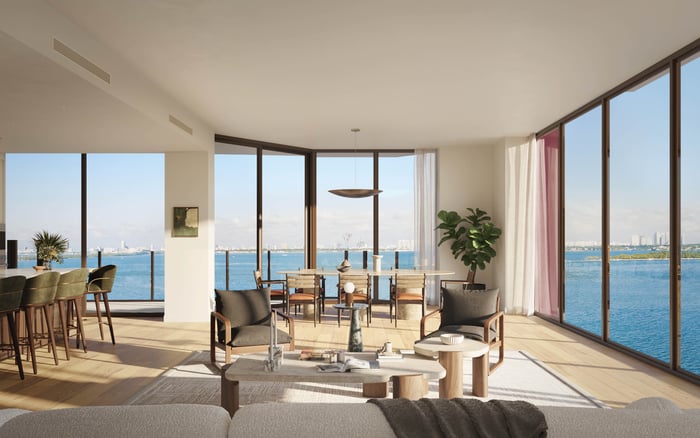
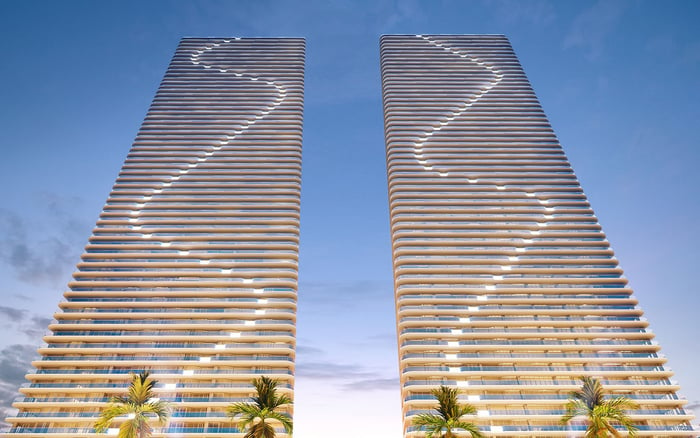
A discreet buyer’s comparison of Miami Design District and Wynwood through the lenses that matter most for luxury residential life: beach access, bay orientation, school routines, and privacy.
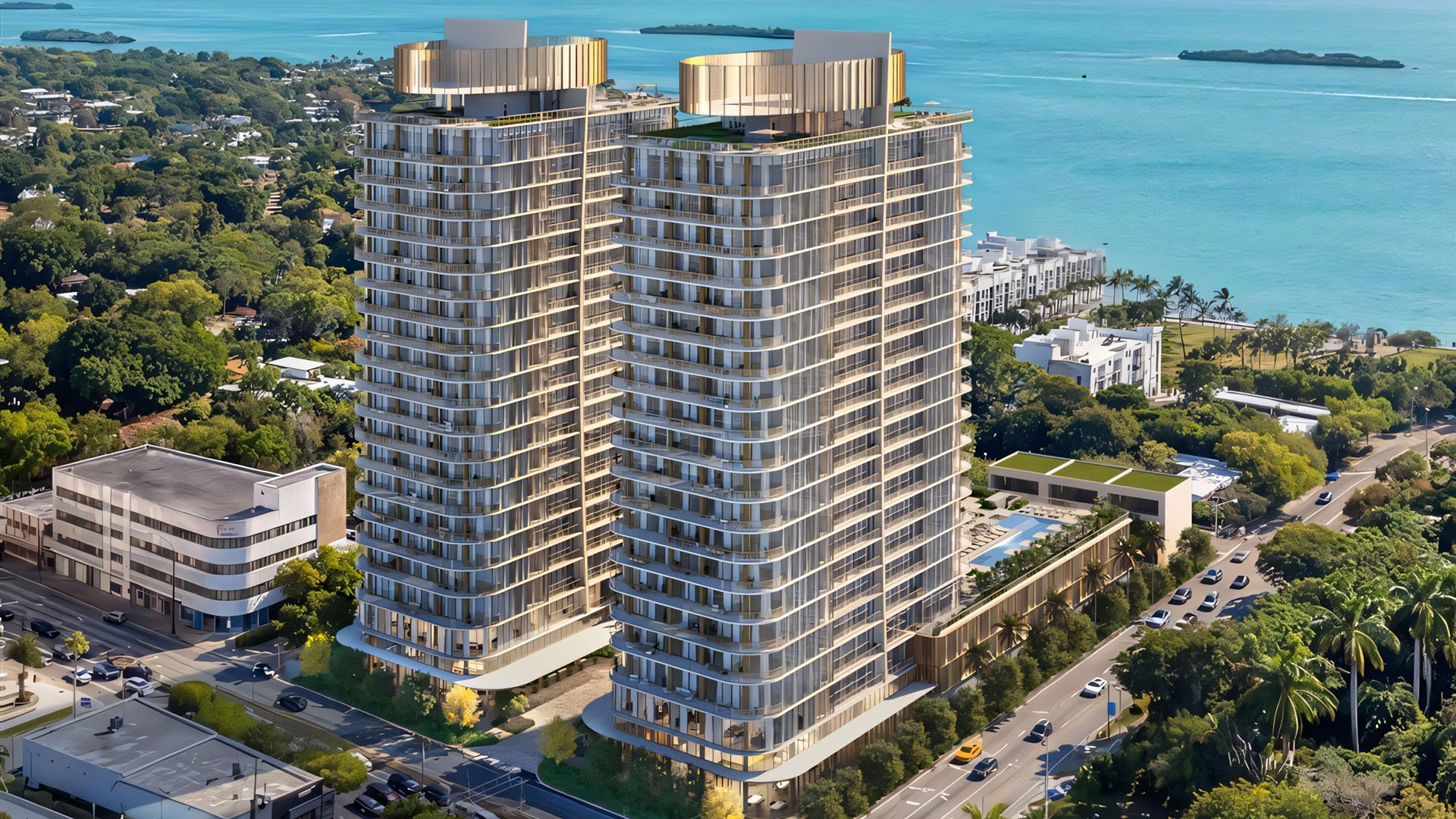
Miami Design District and Wynwood are often discussed together because both neighborhoods speak to art, design, restaurants, and the newer language of urban Miami luxury. Yet they are not interchangeable. For a buyer choosing between them, the real distinction is less about which feels more fashionable and more about how each neighborhood supports daily life.
The Design District tends to appeal to residents who want a more edited environment: architecture, gallery-like retail, and a sense of arrival that feels deliberately composed. Wynwood, by contrast, is prized for its creative pulse, visible street life, and evolving residential identity. Both can suit sophisticated buyers, but they answer different questions. One asks for refinement close to culture. The other asks for energy within culture.
That distinction matters when evaluating beach access, bay proximity, schools, and privacy. None of these categories should be reduced to a simple yes or no. In this part of Miami, the better choice depends on how often a household uses the beach, whether water views are essential, how school commutes shape the week, and how much separation a resident wants between home and neighborhood activity.
For buyers comparing Miami Design District and Wynwood, the beach is best understood as an amenity within reach rather than the defining condition of either neighborhood. If the daily ritual is walking directly from a lobby to sand, a Miami Beach search may be more aligned with the lifestyle. That is why buyers considering cultural districts often cross-shop coastal residences such as 57 Ocean Miami Beach or The Perigon Miami Beach when the ocean must be central rather than occasional.
The bay conversation is more nuanced. A buyer who wants open water as the emotional anchor of a residence may look beyond both neighborhoods to waterfront corridors, while a buyer who values proximity to design, dining, and galleries may accept a more urban setting in exchange for cultural immediacy. In that sense, bay and beach are not only geography. They are priorities. If the residence is primarily a lock-and-leave pied-à-terre, the absence of immediate sand may feel irrelevant. If it is a full-time family home, every extra drive becomes part of the lifestyle calculus.
School decisions are where the comparison becomes intensely personal. Private-school planning should begin with commute, drop-off practicality, after-school routines, and the household’s preferred level of neighborhood activity. A glamorous address can lose its charm if the weekday pattern is inefficient.
The Design District may appeal to households that want a polished base with access to surrounding cultural and commercial areas. Wynwood may suit families or couples who are comfortable with a more animated urban fabric and see the neighborhood’s creative character as part of the appeal. In either case, buyers should evaluate actual routes at the times they expect to travel, not simply the distance on a map.
For residences near the Design District orbit, Kempinski Residences Miami Design District and Miami Design Residences Midtown Miami represent the type of urban luxury product that can attract buyers seeking proximity to design culture without defaulting to a traditional beachfront setting. The practical question is whether the surrounding routine supports the household’s school calendar, wellness habits, and entertaining style.
Privacy is not only about density. It is about entry, elevator flow, lobby visibility, service access, parking, acoustics, and how a building separates residents from the street. A quiet unit in an active neighborhood can feel more private than a poorly planned residence in a calmer district.
The Design District’s appeal is often its curated sense of place. For buyers who prefer a residential experience aligned with fashion, art, and architecture, that polish can create an elevated daily atmosphere. Wynwood’s appeal is different. It is more expressive, more kinetic, and often more attractive to buyers who want to feel embedded in Miami’s creative momentum. A residence such as Frida Kahlo Wynwood Residences naturally enters the conversation for those who want the Wynwood address to be part of the identity of the home.
Boutique buildings can be especially compelling in this comparison, provided their operations match the promise. Fewer residences may mean a more intimate experience, but only if circulation, staffing, and arrival are thoughtfully handled. Larger buildings may offer more amenities, yet they can also introduce more shared movement. The right answer depends on whether the buyer values anonymity, service depth, or a more social residential environment.
The Miami Design District is often the stronger fit for buyers who want elegance, proximity to luxury retail, and a residential tone that feels composed. It can work well for collectors, design-focused executives, and second-home owners who want a cultured Miami base without making the beach the entire story.
Wynwood is often the stronger fit for buyers who value immediacy, creativity, restaurants, and a more visible urban identity. It may be especially attractive to buyers who want a residence connected to the city’s next chapter rather than insulated from it.
For many ultra-premium buyers, the winning solution is not a neighborhood label but a hierarchy of needs. If daily beach use is nonnegotiable, start with the coast. If water views define value, prioritize bay or ocean corridors. If schools drive the week, test the commute first. If privacy is paramount, scrutinize the building before falling in love with the address. Between Miami Design District and Wynwood, the best choice is the one that makes the desired lifestyle feel effortless.
Is the Miami Design District more private than Wynwood? It can feel more composed for buyers who prefer curated retail and controlled residential settings, but privacy ultimately depends on the building and daily routine.
Is Wynwood a better fit for buyers who want nightlife and restaurants? Wynwood often appeals to buyers who want visible creative energy, dining, and an urban social rhythm close to home.
Which area is better for beach access? Neither should be treated as a direct beachfront choice. Buyers who want sand as a daily ritual should also compare coastal Miami residences.
Can either neighborhood work for families with school-age children? Yes, but the decision should be based on commute timing, school routines, and how the household feels about urban activity.
Do water views matter in this comparison? They matter if water is central to value and daily enjoyment. Buyers prioritizing views may need to compare bayfront or oceanfront alternatives.
Are boutique buildings better for privacy? They can be, especially when arrival, elevators, parking, and service circulation are carefully planned. Smaller scale alone is not enough.
Is the Design District more polished than Wynwood? The Design District generally reads as more edited and design-led, while Wynwood tends to feel more expressive and street-oriented.
Is Wynwood still suitable for a luxury buyer? Yes, when the buyer values cultural energy and chooses a residence with the right privacy, finishes, and operational standards.
Should buyers compare Miami Beach options too? Yes, especially if beach routines, ocean breezes, or resort-style coastal living are central to the purchase decision.
What is the best way to shortlist comparable options for touring? Start with location fit, delivery status, and daily lifestyle priorities, then compare stacks and elevations to validate views and privacy.
If you'd like a private walkthrough and a curated shortlist, connect with MILLION.
If branded residences are on your mind — as a home or as an allocation — we would be glad to share what we are seeing, privately.
Begin a quiet conversation