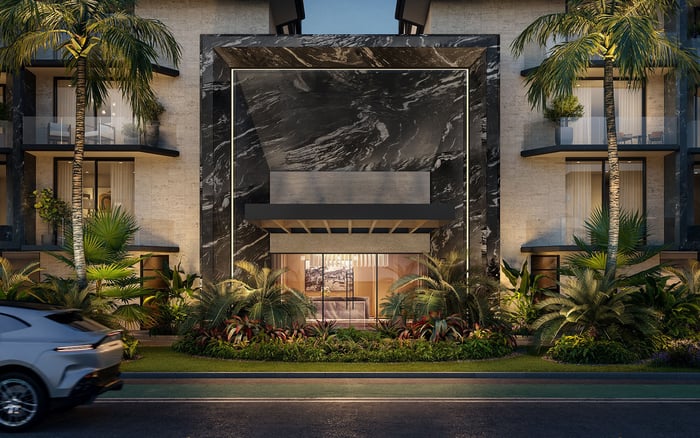
Privacy in a Miami condominium is defined less by branding than by the building’s operating rules, elevator logic, lobby design, and guest-control procedures. For discerning buyers, the right due diligence starts with HOA documents and extends to a careful review of how visitors, staff, deliveries, and service traffic actually move through the property.
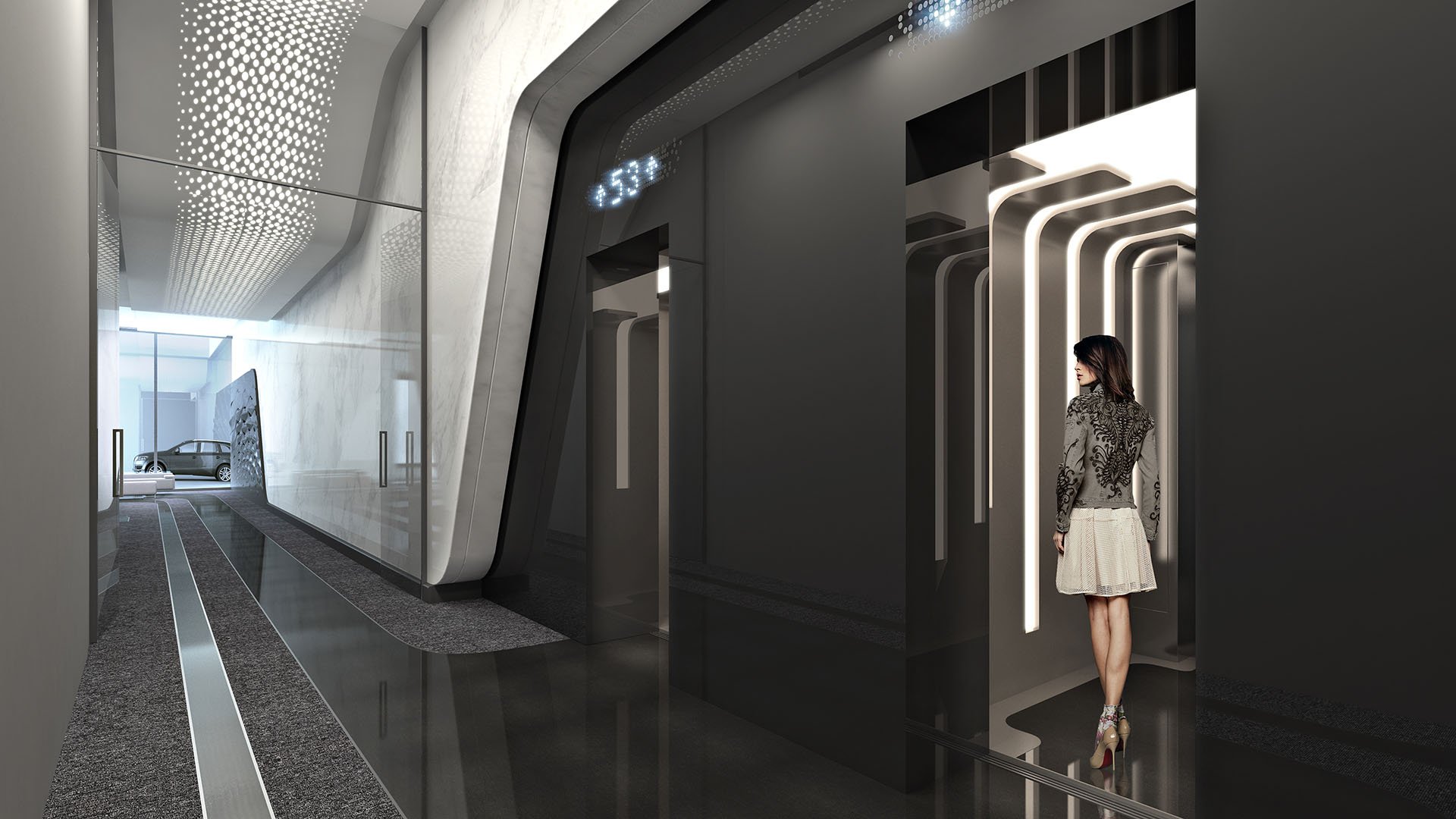
In South Florida’s upper tier, privacy is often marketed as a lifestyle feature. For buyers who value discretion, however, the more precise question is how privacy is actually managed once the tower is occupied. In a Miami condominium, the answer typically lies in the declaration, bylaws, house rules, and day-to-day operating procedures that govern access to the lobby, elevators, common areas, and residential floors.
That distinction matters. A building can feel serene in a sales gallery yet still generate regular exposure to guest traffic, delivery activity, or service circulation once residents move in. For that reason, sophisticated buyers should request the current rules and regulations before signing, with particular attention to guest access, after-hours entry, move-ins, package handling, and elevator use. Those written materials are far more reliable than broad promises of exclusivity.
This is especially relevant when evaluating design-forward addresses such as The Perigon Miami Beach, St. Regis® Residences Brickell, or Vita at Grove Isle, where privacy may be central to the appeal but must still be verified through building policy and physical layout.
If privacy is a priority, elevator programming should be one of the first points of inquiry. Ask whether the building uses direct unit access, semi-private elevator vestibules, or general floor access. The difference is not cosmetic. It determines how often another resident, staff member, or guest can appear immediately outside your front door.
A direct-access system can create a markedly different sense of seclusion than a floor shared by multiple homes. But buyers should not stop at the sales description. Ask whether guest elevator use requires resident authorization, whether management can grant temporary access, and whether delivery personnel or service vendors ever use the same elevator bank as residents.
In towers where privacy is part of the design conversation, such as Una Residences Brickell or Apogee South Beach, the real issue is not simply whether elevators are private, but how the system performs in ordinary daily life. A buyer should want a specific explanation of who can call which car, from where, and under what conditions.
For high-net-worth purchasers, the lobby is more than a visual first impression. It is the control point for arrivals, screening, and circulation. Ask whether the building has separate paths for residents, guests, staff, and deliveries. If those groups converge within one lobby sequence, the atmosphere may feel busier and less discreet than expected.
A useful line of questioning includes whether visitors are logged, whether residents receive notifications when guests arrive, and how after-hours access is handled. In some buildings, guest authorization is tightly managed. In others, the process may be more casual, even if the setting appears highly polished.
Package and mail areas also deserve scrutiny. If they are positioned in public-facing or loosely controlled spaces, they can increase nonresident traffic in the main arrival zone. The same applies to valet staging and food-delivery pickup patterns. A lobby that appears calm at noon may feel entirely different on a weekend evening.
Buyers considering waterfront or hospitality-inflected environments such as The Surf Club Four Seasons Surfside should pay close attention to this choreography. Discretion often comes down to separation: who enters where, who waits where, and how visible each movement is to residents.
One of the clearest indicators of privacy is the building’s posture toward guest use and leasing. Review the declaration and current rules for occupancy limits, guest policies, leasing restrictions, and any prohibition or limitation on short-term rentals. These provisions directly influence the amount of unfamiliar traffic moving through lobbies and elevator banks.
A building with tight controls on transient use will usually feel more predictable than one with looser turnover. That does not automatically make one superior to the other, but it does affect the lived experience. Buyers who prioritize calm should pay particular attention to whether short-term rentals are restricted or prohibited, and whether guest stays are capped in length or frequency.
This point is often overlooked in neighborhoods with an active mix of primary residences, second homes, and investor ownership. In Brickell, for example, the difference between a tightly regulated residential tower and a more fluid ownership profile can be felt the moment one steps into the lobby. In Miami Beach settings, where privacy is often part of the brand language, written leasing and guest rules remain the more meaningful test.
Luxury buyers are right to ask what technology is actually in use. Is entry managed by fob, keycard, PIN, intercom, app-based credential, or biometric system? More importantly, where does that control apply? The most private buildings typically think in layers: site entry, lobby threshold, elevator call, residential floor, amenity access, and service circulation.
A single elegant checkpoint is not the same as a comprehensive privacy system. Buyers should ask whether access rights differ by user type, whether guest credentials expire automatically, and whether management can track or limit movement across amenity and residential zones.
Camera policy belongs in the same conversation. Surveillance can strengthen security, but buyers should still ask where cameras are located, whether hallways and elevators are monitored, and who controls access to recorded footage. In a luxury environment, privacy is not only about keeping outsiders out. It is also about understanding how resident movement is observed and managed.
Many buildings that look exceptionally composed on arrival reveal their true rhythm through service activity. Ask whether service elevators are separate from resident elevators, whether there are restricted service hours, and how vendors, movers, and contractors access residential levels.
This may sound operational, but it has a direct effect on quality of life. If housekeeping teams, furniture deliveries, maintenance workers, and food-service traffic share resident corridors or lift banks throughout the day, privacy will feel diluted regardless of the finishes.
In boutique environments such as Bay-harbor or Coconut-grove, the physical scale may create a quieter atmosphere, but buyers should still verify whether service circulation is genuinely separated or simply less visible during a tour. In larger towers, disciplined service hours and designated vertical circulation can make an enormous difference.
A prudent buyer should ask not only for rules, but also for records that confirm the building’s systems and upgrades were formally documented. Official files may help clarify whether access-control systems, lobby modifications, surveillance installations, or other security-related improvements were properly approved and maintained.
This is also the moment to request both recorded condominium documents and any current house rules or operating policies. In many buildings, practical access procedures appear in the latter rather than in the declaration itself. A polished answer from sales or management is useful, but the written record is what matters.
Then test the paper against reality. Visit the property at different times of day if possible. Morning departures, school-hour staffing, evening valet pressure, weekend guest arrivals, and package surges can all reveal whether a building’s privacy systems function smoothly in practice.
For a discreet purchase process, keep the evaluation focused on a few nonnegotiables. Ask how elevators are programmed. Ask whether guests need resident approval. Ask whether residents, visitors, staff, and deliveries use separate arrival paths. Ask where package traffic is handled. Ask about camera coverage and who controls footage access. Ask whether short-term rentals are restricted. Ask whether service elevators and service hours are separate from resident use.
Most importantly, ask for each answer in writing where possible. In luxury real estate, privacy is rarely a single feature. It is the cumulative effect of legal rules, building systems, staffing protocols, and architectural planning.
What is the first privacy question to ask when buying a Miami condo? Start with elevator programming and guest authorization, because those two issues shape who can reach your floor and how often.
Do HOA documents really matter for privacy? Yes. The declaration, bylaws, and rules usually provide the most reliable guidance on guest access, leasing, and common-area use.
Why are short-term rental rules relevant to privacy? They affect how much unfamiliar traffic moves through the lobby, elevators, and amenity spaces.
What is the difference between private and semi-private elevator access? Private access generally serves a single residence, while semi-private access may still place other residents or guests near your entry.
Should I ask about separate service elevators? Absolutely. Separate service circulation can materially reduce day-to-day disruption on residential floors.
How important is the lobby layout? Very important. The lobby often determines how residents, guests, staff, and deliveries intersect.
Do camera systems improve privacy? They can improve security, but buyers should also understand where cameras are placed and who can access footage.
Are package rooms part of a privacy review? Yes. Package handling can create regular nonresident traffic, especially if the room is near the main lobby.
Should I visit the building more than once? Yes. Different times of day can reveal whether actual traffic patterns match the building’s polished presentation.
Can a building advertised as private still feel busy? Yes. Marketing language may sound refined, but the lived experience depends on rules, operations, and layout.
To compare the best-fit options with clarity, connect with MILLION Luxury.
If branded residences are on your mind — as a home or as an allocation — we would be glad to share what we are seeing, privately.
Begin a quiet conversation