A luxury buyer’s first impression should begin before the lobby. This editorial explains how management responsiveness can refine a South Florida shortlist before any private tour is scheduled.

In South Florida luxury real estate, the first tour is often treated as the beginning of the decision. For a discerning buyer, it should be closer to the middle. By the time you step into a lobby, walk a private amenity level, or study a view corridor from a Balcony, the building has already had multiple opportunities to reveal how it operates.
Management responsiveness is one of the clearest early signals. It is not as photogenic as a Pool deck, a dramatic arrival sequence, or a cinematic bay view, yet it can shape daily life more directly than many visible amenities. A polished residence can feel diminished when service requests linger, questions are deflected, or building teams communicate only when pressed. Conversely, a property with a composed, timely management culture can feel quietly elevated from the first inquiry.
For buyers comparing Brickell, Miami Beach, Sunny Isles, Coconut-grove, and other high-demand enclaves, responsiveness should be weighed before geography becomes emotional. The right neighborhood matters. The right floor plan matters. But the operating temperament of a building often determines whether the ownership experience feels seamless or effortful.
Before scheduling a showing, ask for information that any well-run property should be able to address with clarity. The goal is not to overwhelm a listing representative or building contact. The goal is to observe whether answers arrive promptly, whether they are complete, and whether the tone reflects a culture of care.
Start with practical questions. What are the procedures for guest registration, vendor access, deliveries, move-ins, and maintenance requests? How are amenity reservations handled? Are there established communication channels for residents? How quickly are routine inquiries typically acknowledged? A luxury property need not promise instant solutions, but it should be able to describe a disciplined process.
Pay attention to the difference between charm and competence. A warm reply is pleasant; a precise reply is more valuable. Luxury buyers should look for organized answers, not merely polished language. If the response requires multiple follow-ups for basic details, that friction may foreshadow the post-closing experience.
Responsiveness is not simply speed. It is the ability to answer the right question with the right level of authority. A building team that responds quickly but vaguely is signaling something different from a team that responds within a reasonable window with exact next steps.
For a primary residence, this affects the rhythm of daily life. For a Second-home, it becomes even more important because the owner may not be present to resolve small issues personally. From an Investment perspective, management responsiveness can influence the perceived quality of the asset, especially when prospective occupants or guests interact with front-of-house teams, maintenance staff, and building procedures.
In high-service buildings, the best management cultures tend to feel calm rather than theatrical. They do not overpromise. They set expectations, follow through, and communicate when a request requires time. That combination can be more valuable than an elaborate amenity package that is difficult to access or inconsistently maintained.
A slow reply does not always mean a building is poorly managed. People travel, teams change, and peak seasons can stretch schedules. Still, patterns matter. If a simple inquiry about building procedures generates unclear answers, unanswered messages, or conflicting guidance, it deserves attention.
Watch for evasive language around rules, fees, repairs, access, and resident communications. If the answer to every operational question is “we can discuss during the tour,” the tour may become a stage-managed experience rather than a useful evaluation. A private showing should confirm quality, not substitute for basic transparency.
Buyers should also note whether communication feels reactive or proactive. Does someone anticipate related questions? If you ask about move-in procedures, do they also explain elevator reservations, insurance requirements, and building hours? If you ask about pets, do they clarify registration, common-area rules, and service expectations? The best teams reduce uncertainty before it becomes inconvenience.
New-construction and Resale properties require slightly different responsiveness tests. In New-construction, buyers may be evaluating a future operating culture, not a fully settled one. The sales environment can be highly polished, but the more relevant question is how the building plans to transition from delivery to everyday management. Ask how resident communications will be handled, how warranty items will be submitted, and how ownership questions will be escalated after closing.
In Resale, the building has a track record of operations. The questions can be more concrete. How are service requests submitted? How does management communicate building updates? What is the protocol for contractors? How are amenity spaces reserved and maintained? A Resale building with mature, responsive systems can sometimes feel more certain than a brand-new property still finding its operational rhythm.
The point is not to favor one category automatically. It is to compare them through the same lens: will ownership feel supported, predictable, and discreet?
A simple scorecard can keep emotion from dominating the shortlist. Rate each property before touring on response time, completeness, tone, process clarity, and follow-through. Use a consistent scale and ask comparable questions across every candidate.
Response time should be judged in context. A considered answer within a reasonable period may be preferable to an immediate but incomplete reply. Completeness matters because luxury ownership often involves layered details. Tone matters because it reveals whether the building sees owners as partners or interruptions. Process clarity matters because even excellent staff need systems. Follow-through matters most of all: if someone promises to send rules, forms, or schedules, do they do it without prompting?
This approach is especially useful when comparing properties with similar views, finishes, or amenity narratives. Two residences may appear equally compelling online, yet one may already feel better governed before a visit is scheduled.
Ask questions that require operational knowledge rather than sales language. How are after-hours issues handled? What happens if an owner is away and a unit requires urgent access? How are package volumes managed during peak periods? How are service elevators scheduled? What is the process for reporting noise, leaks, or common-area concerns?
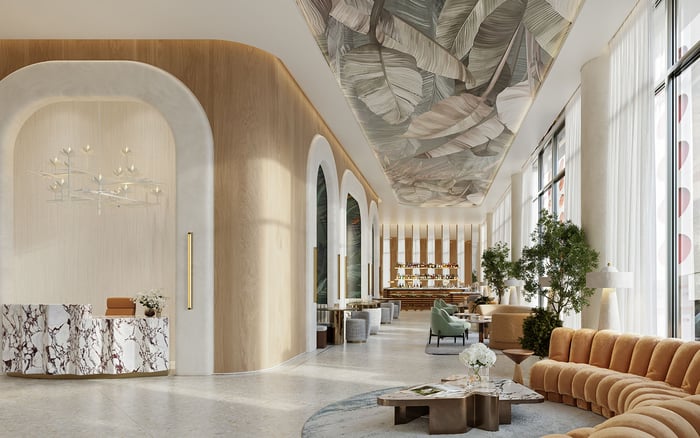
For waterfront and high-rise living, practical procedures can be just as important as aesthetics. A serene lobby is meaningful only if arrivals, vendors, and deliveries are handled with equal composure. A striking amenity level is more valuable when reservations, maintenance, and guest policies are clear.
If you plan to Rent the residence in the future, even under long-term arrangements, responsiveness deserves extra scrutiny. Ownership objectives can change. A building that communicates clearly about policies, approvals, and procedures gives an owner more confidence and fewer surprises.
Luxury is often described through materials: stone, glass, millwork, bronze, marble. But over time, ownership is experienced through moments. A question answered before a flight. A maintenance request acknowledged while you are away. A guest arrival handled without confusion. A contractor coordinated without repeated reminders.
These moments are not peripheral. They are the texture of ownership. A building that communicates well can protect time, privacy, and peace of mind. In South Florida, where many buyers divide their lives across multiple homes, that kind of reliability is not a convenience. It is part of the asset’s lived value.
Before the first tour, let responsiveness narrow the field. The most beautiful residence on paper should still earn its place through service discipline.
Why should management responsiveness matter before a tour? It reveals how organized and service-oriented a building may feel after closing. Early communication can expose both strengths and friction.
What is a reasonable first question to ask management or the listing team? Ask how residents submit service requests and how building updates are communicated. The answer should be clear and practical.
Should slow communication automatically eliminate a property? Not always, but repeated delays or vague answers should affect the shortlist. Patterns are more important than a single response.
How does responsiveness differ between New-construction and Resale? New-construction requires questions about future systems and transition plans. Resale allows more concrete questions about existing operations.
Is responsiveness more important for a Second-home? Often yes, because the owner may rely on building teams while away. Clear communication can reduce uncertainty across distance.
Can a beautiful amenity package offset weak management? It may impress during a tour, but daily ownership depends on access, upkeep, and coordination. Service culture determines how amenities perform.
What should buyers note during pre-tour emails or calls? Track speed, completeness, tone, and whether promised follow-up arrives. These details help compare properties objectively.
Does management responsiveness affect Investment thinking? It can, because service quality shapes the user experience and owner confidence. Operational clarity is part of prudent evaluation.
Should buyers ask about Rent policies before touring? Yes, if future flexibility matters. Understanding rules early prevents wasted time on properties that do not match your plans.
What is the best sign of a well-managed luxury building? Calm, precise, consistent communication is a strong sign. The best teams make complexity feel orderly.
For a confidential assessment and a building-by-building shortlist, connect with MILLION.
If branded residences are on your mind — as a home or as an allocation — we would be glad to share what we are seeing, privately.
Begin a quiet conversation