For many affluent buyers, branded hospitality carries greater weight in a second home than in a primary residence because the purchase is often less about daily-life logistics and more about seamless arrival, consistent service, and reliable oversight in absentia. In South Florida, where wealth migration, international ownership, and seasonal use shape demand, the branded model answers a specific brief: turn the residence into an immediately usable retreat with hotel-caliber management between visits.
A primary residence and a secondary residence may sit at the same price point, yet they are rarely purchased for the same reason. In a primary home, the buyer is typically solving for the mechanics of daily life: routines, storage, commute patterns, household flexibility, and the cadence of year-round living. In a second home, especially in South Florida, the priority often shifts from functionality to frictionless use.
That is where branded hospitality becomes disproportionately valuable.
For some buyers, the appeal is not simply the cachet of a marquee name. It is the operating system behind the door. Concierge, housekeeping, maintenance coordination, valet, wellness programming, in-residence dining, and dedicated residential staff take on a different importance when an owner is absent for long stretches. The residence is expected to be ready on arrival, secure on departure, and carefully maintained in between. In that context, branded hospitality is less decorative than infrastructural.
South Florida is particularly suited to this model because so much of its luxury demand is shaped by seasonal residents, international purchasers, and households with multiple homes. The region attracts buyers who may split time between Miami, Palm Beach, New York, London, São Paulo, or elsewhere, and who want a residence that functions beautifully even when they are not there to supervise it.
The clearest argument for branded living in a second home is simple: someone has to manage the property when the owner is away.
In an unbranded luxury residence, that burden often falls on the owner, a family office, or an informal network of vendors. Even for highly sophisticated households, coordinating housekeeping, preventive maintenance, access, staffing, deliveries, and security from afar introduces avoidable complexity. A minor issue can turn into a cascade of calls and approvals. A home that is meant to feel restorative can begin to feel managerial.
Branded residences answer that problem by formalizing service standards upfront. Buyers know, in broad terms, what level of staffing, care, and resident support they are purchasing. That predictability is especially important for remote owners and international buyers, who may be comfortable acquiring real estate in a city they do not occupy full time, provided the service environment feels consistent and legible.
This is why branded hospitality can matter more in a second home than in a primary residence. The second-home buyer is often purchasing outsourced competence. The value lies not only in luxury, but in the confidence that the apartment will function like a private home with a hotel backbone.
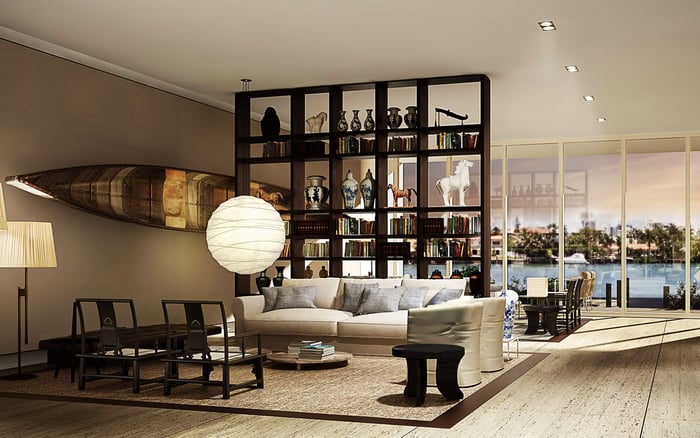
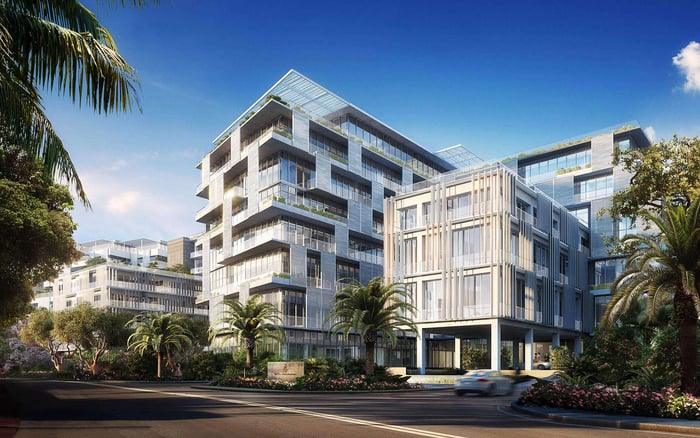
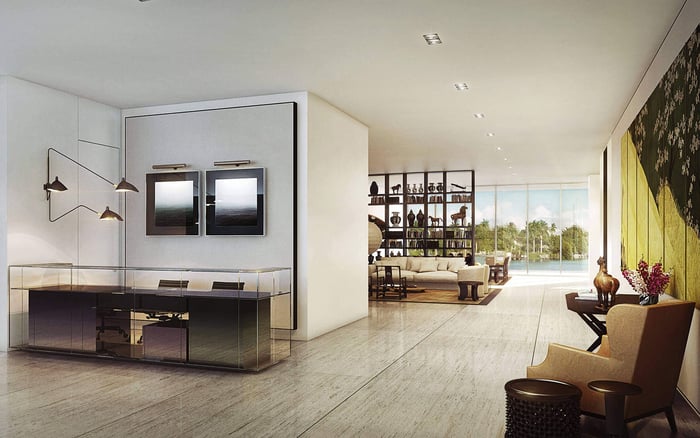
That logic is easy to see in projects such as The Ritz-Carlton Residences® Miami Beach, where the branded proposition is inseparable from dedicated staff, concierge, valet, and a resort-inflected amenity structure. For an owner arriving for a week, a month, or a season, those features are not ancillary. They are central to the purchase thesis.
In top-tier real estate, buyers often speak about privacy, design, views, and location. Yet for the second-home purchaser, predictability can be just as meaningful.
A branded residence tends to define resident privileges, service protocols, and management expectations with unusual clarity. That matters because absentee ownership introduces uncertainty. Who handles maintenance access? How quickly are issues resolved? What standard of housekeeping or security is expected? What happens before the owner arrives after months away?
For a primary-home buyer, some of these questions may feel less urgent because the owner is on-site and can shape the household environment over time. For the second-home buyer, however, predictability becomes a form of ease. The home is expected to perform consistently, not merely impress aesthetically.
That is one reason branded residences frequently command a premium relative to comparable non-branded product. Buyers are not paying only for square footage or finishes. They are also paying for a managed experience, a known service culture, and the reassurance that the property will be maintained to a recognizable standard. For some purchasers, that same framework can also support future resale appeal because the next buyer may value the same combination of recognition and operational certainty.
In Miami Beach and Surfside, where discretionary ownership is deeply embedded in the market, that logic helps explain sustained interest in residences such as Shore Club Private Collections Miami Beach and projects known for service-forward living. These are not simply homes with attractive amenities. They are homes designed to be experienced with a level of service continuity that resonates strongly with non-primary use.
None of this means branded hospitality is unimportant in a full-time residence. It simply means the weighting is often different.
Primary-home buyers tend to make decisions through a more practical filter. Daily storage matters. Household customization matters. Proximity to schools, offices, clubs, and familiar neighborhood routines matters. Some buyers want a home that reflects highly specific preferences around staff, design changes, family schedules, pets, or long-term domestic patterns that are not always the central strength of a hospitality-led environment.
In other words, hotel-style living can be luxurious, but not every full-time resident wants to live as though checking into a suite every day. Some want greater informality, more control, or a residential experience shaped less by managed service and more by deeply personal routine.
That distinction helps explain why branded hospitality can be most persuasive when the residence is discretionary rather than essential. If the buyer’s objective is immediate usability rather than operational authorship, the branded model becomes far more compelling.
Few U.S. markets align more naturally with branded residences than South Florida. The region’s luxury demand is driven not only by local end-users, but also by wealth migration, international capital, seasonal occupancy, and households assembling a portfolio of residences rather than choosing a single home base.
That ecosystem rewards products that simplify ownership. A buyer in Brickell or Coconut Grove may admire design and waterfront positioning, but for a second-home purchaser the deeper question is often this: how effortless will this be to own from afar?
That is why branded and service-forward projects hold special appeal across the region, from Four Seasons Residences Coconut Grove to St. Regis® Residences Brickell. In both cases, the attraction is not simply prestige. It is the promise that arrival feels immediate and departure feels uncomplicated.
Even where buyers are not seeking a classic hotel-branded address, the broader South Florida luxury market increasingly rewards residences that deliver a similar outcome: high-touch management, wellness-centered amenities, and a turn-key sense of readiness. The emotional luxury matters, but the operational outsourcing is often what closes the gap between admiration and purchase.
For many affluent buyers, time is the scarcest asset in the transaction.
A primary home may invite long planning cycles, customization, and a close relationship with the mechanics of ownership. A secondary residence often calls for the opposite. The owner wants to land, unpack, entertain, recover, and leave without spending valuable hours resolving household details.
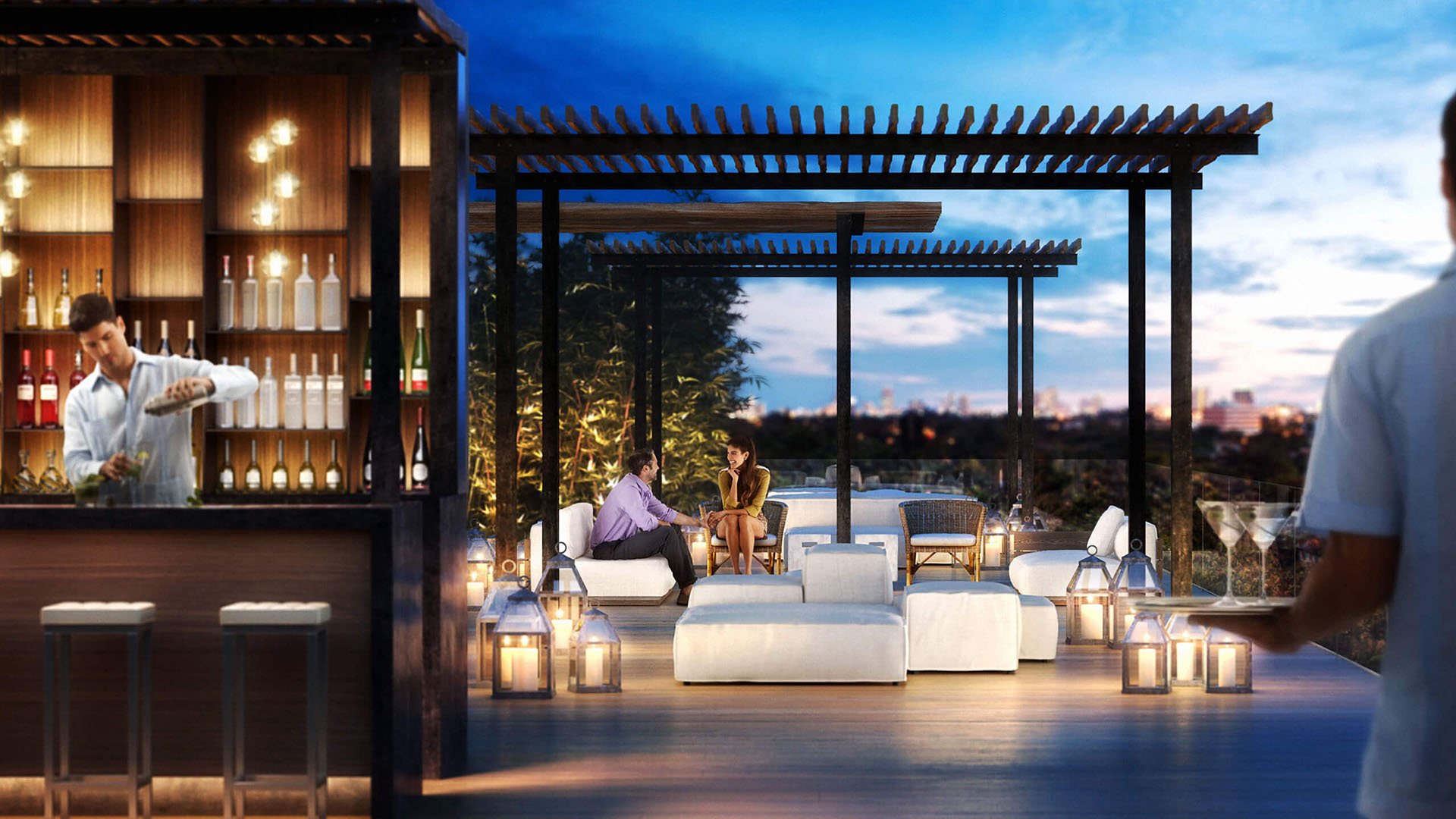
That is the quiet brilliance of branded hospitality in the second-home market. It converts real estate into usable time. The residence behaves less like a static asset and more like a private retreat with professional stewardship. Amenities such as dining, spa access, wellness programming, and optional managed-use flexibility are attractive, but their deeper purpose is to compress effort and expand enjoyment.
For the buyer who uses South Florida as one chapter of a multi-city life, that difference is profound. In such cases, branded hospitality is not a flourish added to luxury housing. It is the reason the home works at all.
Why does branded hospitality often matter more in a second home? Because second-home owners are frequently away, they often place greater value on staffing, maintenance, and seamless readiness between visits.
What does branded hospitality usually include? It often includes concierge, housekeeping coordination, maintenance support, valet, wellness offerings, and hotel-style resident services.
Why is this especially relevant in South Florida? The region attracts seasonal, international, and multi-home buyers who often need a residence to function smoothly from afar.
Do primary-home buyers care less about service? Not necessarily. They may still value service, but they often prioritize daily-life concerns such as routines, storage, customization, and neighborhood fit more heavily.
Is the brand mainly about prestige? Prestige can matter, but for many buyers the bigger benefit is predictable service standards and reduced ownership friction.
Can branded residences support resale appeal? In some cases, yes. Future buyers may value the same recognition, management structure, and service environment.
Why can branded residences command premiums? Buyers may be paying for more than finishes or location; they may also value a reliable, professionally managed ownership experience.
Are hotel-style amenities always useful in a primary home? They can be, but they are often more compelling in vacation-oriented use than in the routines of everyday full-time living.
Why do absentee owners focus so much on predictability? Because when an owner is away, clear service standards and consistent management can reduce uncertainty and save time.
What is the best way to shortlist comparable options for touring? Start with location fit, delivery status, and daily lifestyle priorities, then compare stacks and elevations to validate views and privacy.
For a tailored shortlist and next-step guidance, connect with MILLION.
If branded residences are on your mind — as a home or as an allocation — we would be glad to share what we are seeing, privately.
Begin a quiet conversation