A discreet buyer’s guide to separating genuine evening walkability from staged neighborhood language, with practical cues for luxury residential due diligence in South Florida.
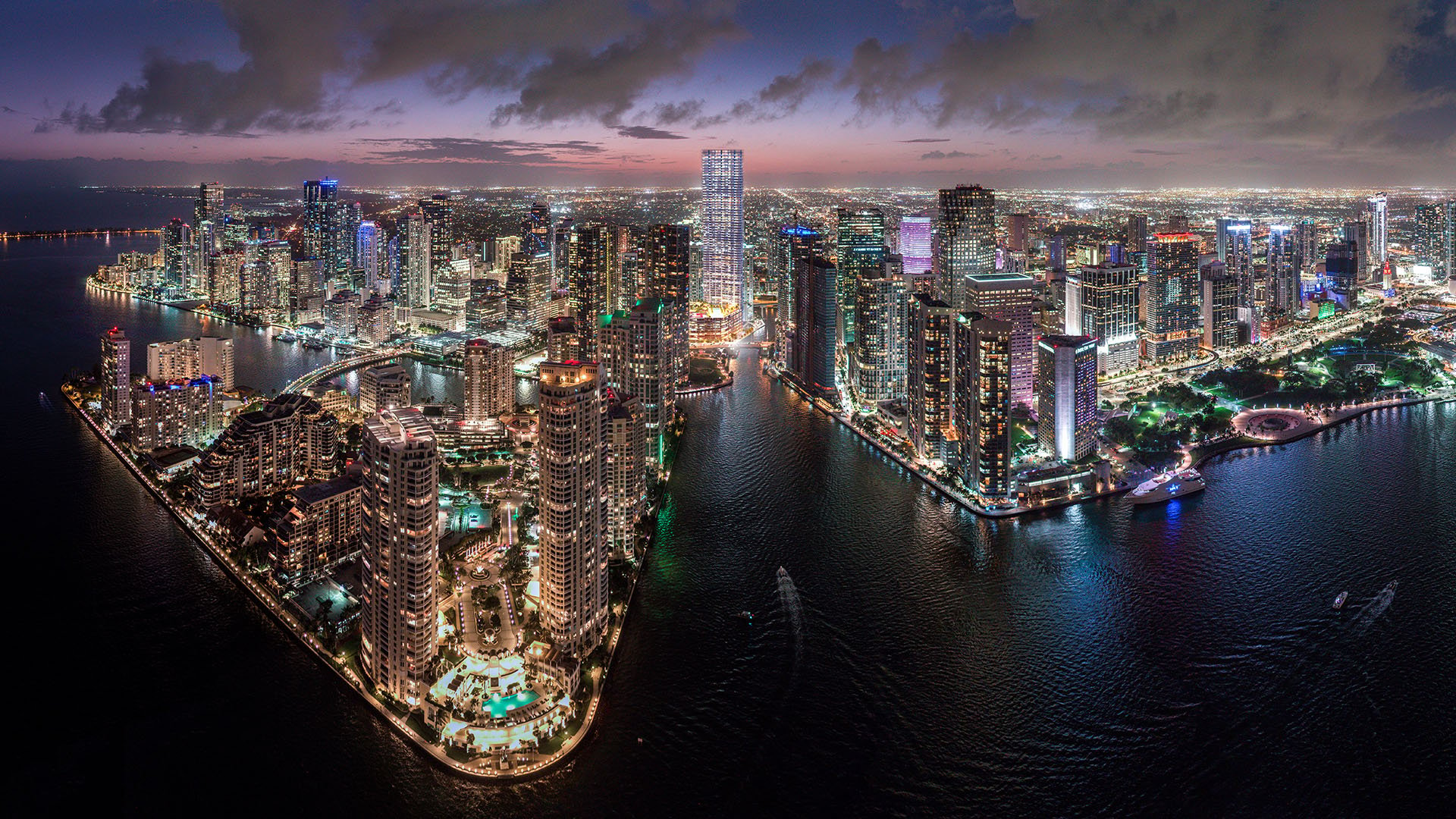
Walkability has become one of luxury real estate’s most seductive terms. It appears in brochures, renderings, listing copy, and sales conversations with a fluency that can make almost any address sound effortless. Yet the version that matters most to high-net-worth buyers is not the daytime stroll to a café. It is the more revealing test: how the neighborhood performs after dark.
In South Florida, evening life is central to residential value. Dinner reservations, marina arrivals, cultural events, school-night errands, dog walks, late flights, and post-beach routines all unfold beyond the golden-hour image. A building may sit near restaurants and retail, but proximity alone does not create a graceful evening experience. The question is whether the walk feels natural, safe, continuous, and socially appropriate at the hours an owner will actually use it.
Marketing theater begins when a sales narrative treats a map radius as a lifestyle guarantee. A five-minute walk may cross awkward driveways, inactive frontage, harsh lighting, empty lots, service entries, or traffic conditions that make the route feel longer than it is. Real walkability is not measured only in blocks. It is measured in friction.
The most disciplined buyers reverse the usual order. Instead of beginning with the building’s amenities, they begin with the route they expect to use most often: the walk to dinner, the walk to the waterfront, the walk to a favorite hotel lobby, the walk to a market, or the walk home from a social evening.
Visit at the time you would actually move through the neighborhood. A polished 11 a.m. tour can conceal a very different 9:30 p.m. environment. Study lighting consistency, sidewalk width, curb cuts, the rhythm of open storefronts, the presence of other pedestrians, and whether crossings feel intuitive. If the route requires constant negotiation with valet lanes, rideshare queues, blank garage walls, or fast-turning vehicles, the lifestyle may be less walkable than advertised.
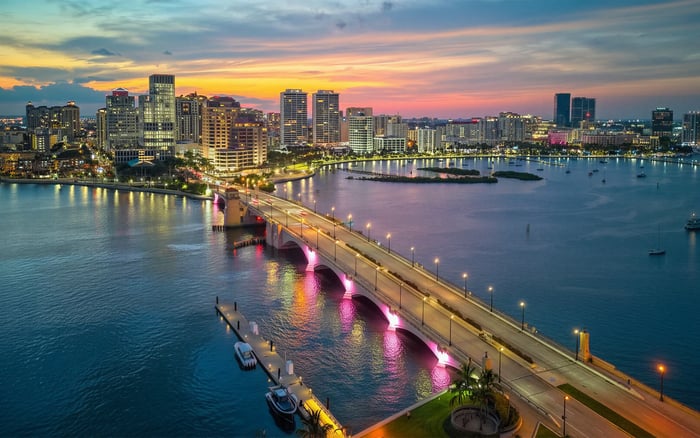
In Brickell, for example, the conversation often turns on density and convenience. In Miami Beach, it may turn on whether a route feels resort-like, residential, or overtly tourist-driven. In Coconut Grove, the issue may be continuity between quiet residential pockets and village life. In Fort Lauderdale or West Palm Beach, buyers may weigh waterfront beauty against the practical feel of crossing corridors after dinner. For investment decisions, these distinctions matter because evening comfort influences repeat use, owner satisfaction, and long-term desirability.
The first sign is language that substitutes adjectives for evidence. Phrases such as steps from, moments to, and surrounded by lifestyle can be useful, but only if the physical experience supports them. Ask what those steps actually pass. A beautiful destination does not redeem an unpleasant route.
The second sign is overreliance on daytime photography. Sunlit sidewalks, full patios, and blue-sky renderings rarely show how a district performs when luxury residents are returning from dinner, walking a guest home, or deciding whether to take the dog out without calling the valet.
The third sign is a map that ignores edges. A neighborhood can be excellent on one side of an avenue and less convincing two blocks away. Luxury buyers should study transitions: where retail ends, where lighting changes, where foot traffic thins, and where the built environment becomes dominated by parking, service access, or construction staging.
The fourth sign is a building that claims walkability while designing primarily for car arrival. A porte cochère can be elegant and useful, but if every daily movement is choreographed around valet retrieval, the walkability claim deserves closer review. The best addresses offer choice. They do not force either the car or the sidewalk to carry the entire lifestyle.
A serious after-dark walkability test is simple, but it should be done deliberately. Walk the route in both directions. Notice whether returning home feels as graceful as leaving. Many districts feel easier outbound, when the destination is visible and the evening has momentum. The return walk can reveal lighting gaps, quiet corners, or awkward crossings.
Pause at the building entrance and observe how the sidewalk meets the lobby. Does the arrival feel residential, secure, and composed, or does it feel like a traffic interchange? Watch how pedestrians, cyclists, deliveries, valet attendants, and rideshare vehicles share the curb. In a luxury context, curb choreography is not a minor detail. It shapes the first and last impression of every evening.
Also test the secondary route. The most attractive path may not be the one used during rain, events, construction, or peak restaurant hours. A building with only one pleasant pedestrian option may be more fragile than it appears. A building with multiple comfortable routes has a deeper form of convenience.
Finally, listen. After dark, sound becomes part of the walking experience. Music spillover, vehicle acceleration, loading activity, and crowd noise can change the character of a short walk. Some buyers enjoy that energy. Others prefer a calmer threshold. The point is not to label one better than the other, but to understand what the address truly offers.
At the top of the market, walkability is not about rejecting the car. It is about preserving optionality. An owner should be able to drive, be driven, walk, or host guests without any single mode feeling compromised. The most resilient locations allow a spontaneous dinner walk, a discreet chauffeured departure, and a quiet morning errand with equal ease.
This is why after-dark walkability belongs in the same conversation as views, ceiling heights, service standards, privacy, and finish quality. It is not a lifestyle accessory. It is part of how a residence actually lives. A spectacular home can still feel diminished if every evening plan begins with logistical calculation.
Buyers should also separate private amenity abundance from neighborhood depth. A building may offer extraordinary internal comforts, yet still sit in an environment that discourages walking once the sun sets. Conversely, a more understated building in a coherent district may deliver a richer daily life because the surrounding streets complete the residential experience.
Ask what is open, active, and appealing within a comfortable evening walk, not merely what exists nearby. Ask whether the route is pleasant for guests unfamiliar with the area. Ask how the curb functions during dinner hours and weekends. Ask whether the most direct path is also the path you would choose when dressed for an evening out.
Be wary of any answer that returns too quickly to the building itself. Walkability is a neighborhood condition. It depends on urban design, neighboring properties, traffic behavior, lighting, and the social rhythm of the district. A residence can contribute to that condition, but it cannot create it alone.
The most reliable test remains personal. Put away the brochure. Leave the lobby. Walk slowly. Cross where you would naturally cross. Stop where you would wait for a guest. Notice whether your shoulders relax or tighten. True luxury often reveals itself in that small physical response.
What does after-dark walkability mean in luxury real estate? It means the neighborhood remains comfortable, legible, and appealing in the evening, not just convenient on a daytime map.
Is being close to restaurants enough to be considered walkable? No. The route to those restaurants must feel safe, pleasant, and natural at the times residents actually use it.
Why should buyers tour a neighborhood at night? Evening visits reveal lighting, traffic behavior, active storefronts, noise, and pedestrian patterns that daytime tours can hide.
What is a common sign of walkability marketing theater? A common sign is promotional language focused on distance while ignoring crossings, inactive frontages, curb congestion, and route quality.
Should luxury buyers still value valet service in a walkable district? Yes. The strongest addresses provide both elegant car service and genuine pedestrian comfort, allowing owners to choose.
How can a buyer test the return walk? Walk back to the building after dinner hours and observe whether the route still feels intuitive, well lit, and residential.
Do quiet neighborhoods always offer better evening walkability? Not always. Quiet can be elegant, but too little activity may make a route feel empty or disconnected after dark.
Can amenities compensate for weak neighborhood walkability? Amenities can enrich daily life, but they cannot fully replace a surrounding district that feels comfortable and useful.
Why does after-dark walkability matter for resale? Buyers remember how a residence lives in daily practice, and evening ease can strengthen perceived lifestyle value.
What should I trust more, a map or an evening walk? Trust the evening walk. A map shows proximity, while the walk reveals friction, comfort, and real-world desirability.
For a discreet conversation and a curated building-by-building shortlist, connect with MILLION.
If branded residences are on your mind — as a home or as an allocation — we would be glad to share what we are seeing, privately.
Begin a quiet conversation