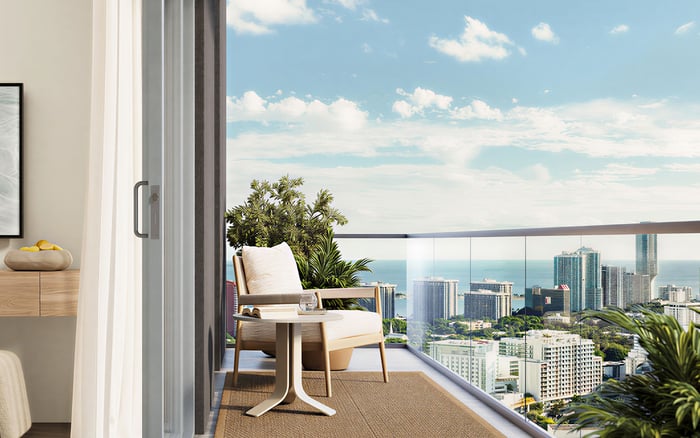
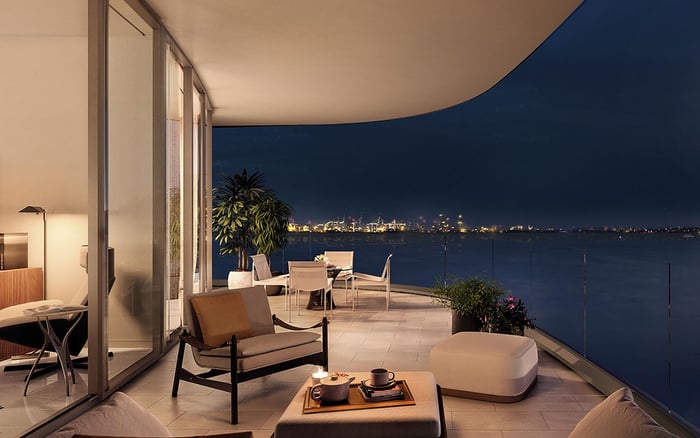
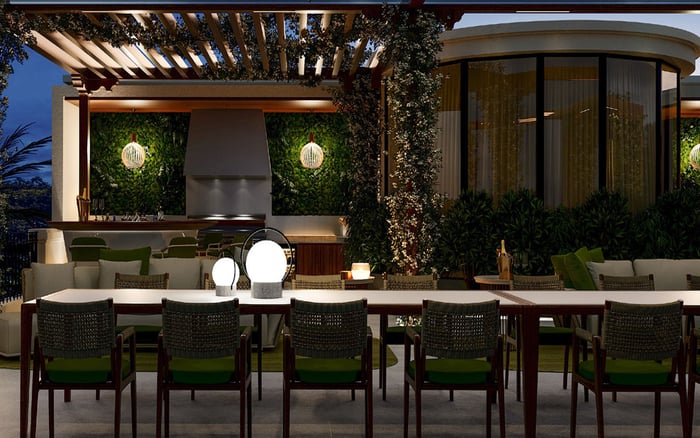
A discreet buyer’s guide to assessing private wellness rooms in South Florida penthouses, from privacy and ventilation to recovery programming, finish quality, and long-term value.
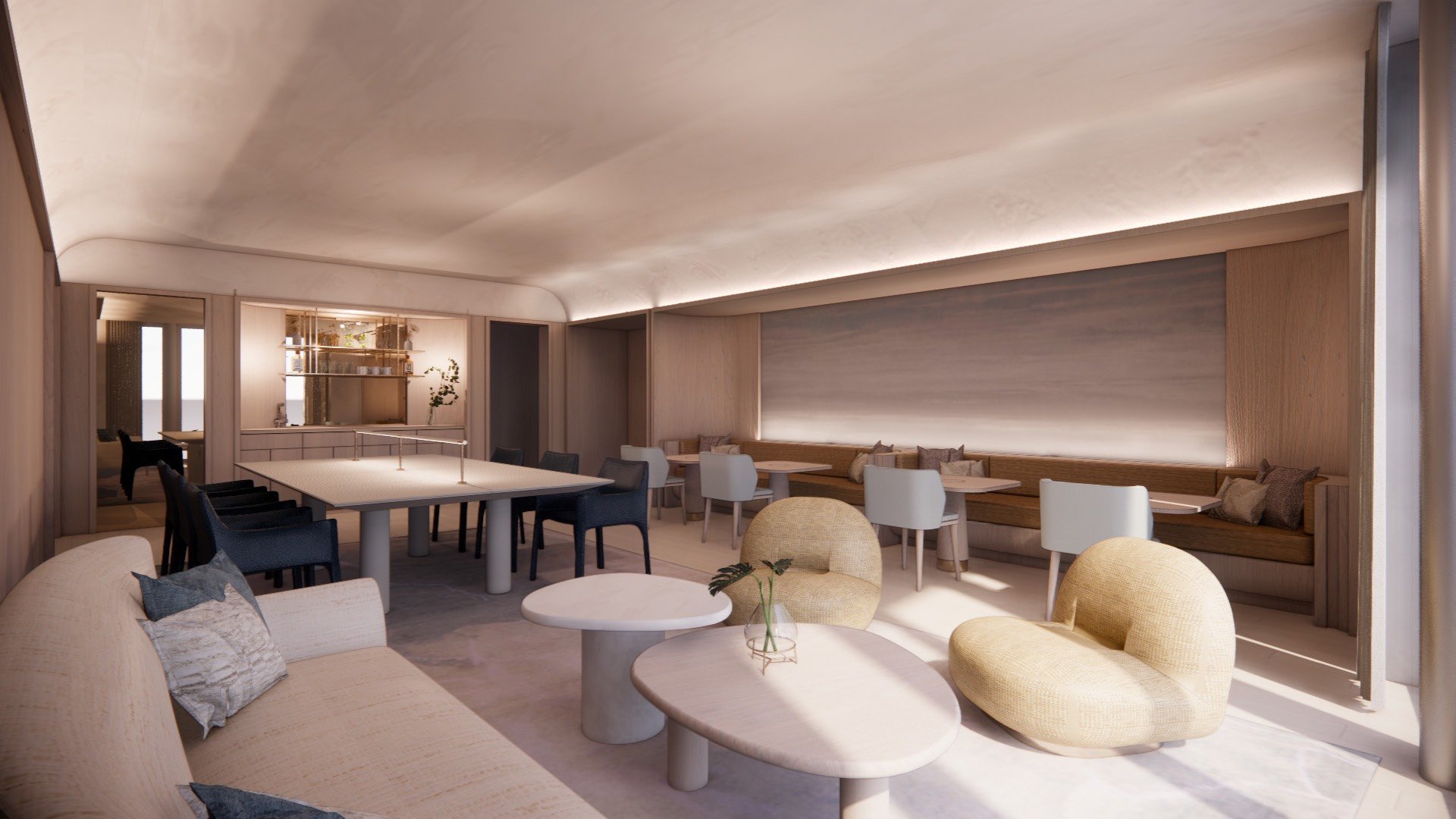
A private wellness room in a South Florida penthouse can be a remarkable amenity, but only when evaluated with the same rigor as a primary suite, kitchen, or outdoor entertaining space. The best examples are not simply rooms with beautiful surfaces. They are personal recovery environments shaped around rhythm, privacy, light, air, acoustics, and the way an owner actually lives.
Begin with a simple question: what will this room do every week? A space intended for Pilates, stretching, meditation, massage, strength training, infrared heat, cold recovery, or beauty treatments will have distinct requirements. A frequent traveler may value a calm decompression room more than an equipment-heavy gym. A family may need flexibility, storage, and durability. A seasonal owner may prioritize low-maintenance systems and easy reactivation after time away.
The mistake is being seduced by staging. Mats, candles, sculptural weights, and spa robes photograph well, but they do not prove the room functions. A credible wellness room should make its purpose clear within minutes: where the body moves, where treatments happen, where towels and products live, where humidity or heat is controlled, and how the space feels when the door is closed.
In a penthouse, privacy is not only about elevation above the street. It is about separation within the residence. A private wellness room should feel removed from service corridors, guest circulation, and the home’s most social areas. It should allow an owner to use it early in the morning or late at night without crossing the entertaining zones of the residence.
Consider adjacency carefully. A wellness room near the primary suite can be ideal for daily ritual, particularly if it supports stretching, massage, meditation, or beauty routines. A room near a terrace or pool area may suit post-swim recovery, but it needs thoughtful privacy screening. A wellness space near staff or service areas may function well operationally, yet feel less serene if sound or traffic is not controlled.
The same discipline applies whether the brief centers on a Brickell penthouse, Miami Beach privacy, Sunny Isles sky living, oceanfront exposure, or a terrace designed as an outdoor recovery room. The label matters less than whether the plan protects the owner’s sense of retreat.
South Florida’s climate makes environmental control especially important. A private wellness room should be evaluated for ventilation, cooling, dehumidification, odor control, and the way sunlight enters the room throughout the day. A beautiful room that becomes hot, humid, or stale will be used less often, regardless of how refined the finishes are.
Natural light can be a strength, but it should be manageable. Direct glare may be uncomfortable during yoga, breathwork, grooming, or physical therapy. Floor-to-ceiling glass can create drama, but it may also require shades, privacy treatments, or careful placement of mirrors and equipment. If the room is intended for meditation or restorative use, softer light and acoustic calm may be more valuable than a dramatic view.
Ask how the room behaves when the door is closed for an hour. Does the air remain comfortable? Is mechanical noise distracting? Does humidity linger after a steam-adjacent or treatment-based use? Are the materials appropriate for perspiration, oils, towels, and cleaning products? These are practical questions, but in the ultra-premium tier, practicality is part of luxury.
A serious wellness room should have clear zones. Movement requires open floor area, safe clearances, and flooring that supports balance. Treatment use requires access around a table or chair, flattering light, and storage that does not clutter the room. Recovery functions may require seating, towel storage, robe hooks, hydration access, and proximity to a bath or shower.
Look for flexibility. A room that can shift from yoga to massage to quiet work may hold value better than one locked into a highly specific use. Built-ins should be elegant, but not so specialized that a future owner sees a renovation project. If there is equipment, examine whether it belongs to the architecture of the room or merely occupies it.
The strongest wellness rooms feel edited. They have enough storage to stay serene, enough open space to breathe, and enough infrastructure to support the intended routine. They do not need to imitate a commercial spa. In a private residence, restraint often feels more luxurious than display.
Finishes in a wellness room carry a double obligation: they must calm the eye and tolerate use. Stone, wood, plaster, mirror, glass, leather, textile panels, and specialty flooring can all be appropriate, but the buyer should ask how each material performs under routine cleaning, humidity, bare feet, and product exposure.
Flooring deserves particular attention. It should be comfortable, stable, quiet, and appropriate for the activities expected in the room. Highly polished surfaces may look glamorous but can feel unforgiving. Soft surfaces may be pleasing but require maintenance discipline. If the room supports fitness, recovery, or treatments, durability is not a compromise. It is part of the specification.
Storage should be assessed with equal care. Towels, mats, bands, skincare, water, linens, accessories, and cleaning supplies need a discreet home. When storage is inadequate, the wellness concept quickly becomes visible clutter. The best rooms appear calm because the architecture has already solved the mess.
Acoustics can determine whether a wellness room feels truly private. Listen for elevator noise, mechanical systems, neighboring entertainment spaces, and sound transfer from bedrooms or living areas. If the room is meant for meditation, massage, therapy, or recovery, noise intrusion undermines the experience.
Sound also travels outward. A buyer planning strength training, music, guided classes, or movement should consider whether noise will disturb sleeping areas, guests, or neighboring rooms. In a penthouse, where volume and glass are common design features, acoustics should not be assumed. They should be experienced.
A quiet wellness room does not have to be silent. It should feel controlled. Soft-close cabinetry, insulated doors, layered textiles, acoustic wall treatments, and thoughtful mechanical design can all support that atmosphere. The goal is a room that lowers the nervous system rather than reminding the owner of the building around it.
Private wellness rooms can strengthen the emotional appeal of a penthouse when they are adaptable and beautifully integrated. They may weaken it when they feel gimmicky, overbuilt, or difficult to maintain. A future buyer may not share the same routine, but almost every luxury buyer understands privacy, health, calm, and personal care.
The safest approach is flexibility with refinement. A wellness room that can read as a meditation studio, massage room, private gym, recovery lounge, or quiet study has broader appeal. If it requires specialized equipment or systems, make sure the ownership burden is clear. Maintenance access, warranties, cleaning protocols, and replacement costs should be understood before closing.
The room should also make sense within the scale of the residence. In a large penthouse, a dedicated wellness room can feel natural. In a more compact layout, the opportunity cost may be higher. If the space displaces a bedroom, office, staff room, or storage area, the buyer should be certain the wellness function adds more value to daily life than the room it replaces.
Before assigning value to a private wellness room, spend time in it without sales language. Close the door. Stand barefoot if appropriate. Imagine a real morning, a real evening, and a real recovery day after travel. Notice temperature, sound, glare, privacy, scent, and the instinct to linger or leave.
A true wellness room should not require explanation. It should feel composed, useful, and quietly indulgent. It should support the body without performing too loudly for guests. In South Florida, where indoor and outdoor living are often intertwined, the best private wellness spaces bring the restorative quality of resort life into the privacy of the home, without losing the discretion that defines a serious penthouse.
What is the most important feature in a private wellness room? Privacy is the foundation, followed closely by air quality, acoustics, and a floor plan that supports the intended routine.
Should a wellness room be near the primary suite? Often yes, especially for meditation, stretching, massage, or beauty rituals. The key is that the location feels calm and protected from guest circulation.
Is a private gym the same as a wellness room? Not necessarily. A gym focuses on exercise, while a wellness room may support recovery, treatment, breathwork, mobility, and quiet restoration.
How should buyers evaluate ventilation? Spend time in the room with the door closed and notice temperature, humidity, odors, and mechanical noise. Comfort should remain consistent.
Are highly customized wellness rooms good for resale? They can be, but flexibility usually travels better. A room that can serve multiple wellness uses may appeal to a wider future buyer pool.
What materials work best in a wellness room? Materials should feel calm, durable, and easy to maintain. Flooring, wall finishes, and cabinetry should suit perspiration, cleaning, and daily use.
How much equipment should the room include? Only as much as the space can support gracefully. Overcrowding makes even expensive equipment feel like an afterthought.
Why are acoustics important? A wellness room should feel removed from household noise and should not disturb nearby bedrooms or living spaces during use.
Can a wellness room share space with an office? It can, if the design remains serene and uncluttered. Buyers should be careful that neither function compromises the other.
What should buyers ask during a showing? Ask how the room is ventilated, cleaned, cooled, shaded, and maintained. Also ask what systems or fixtures require specialized service.
To compare the best-fit options with clarity, connect with MILLION.
If branded residences are on your mind — as a home or as an allocation — we would be glad to share what we are seeing, privately.
Begin a quiet conversation