A discreet buyer’s guide to choosing a South Florida residence around yachting priorities, from Fisher Island privacy to marina access and long-term livability.
For a Houston buyer considering South Florida, the most elegant waterfront purchase is not always the one with the most dramatic view. It is the one that supports how the household actually moves: where the vessel is kept, how guests arrive, how service is handled, and whether the residence makes boating feel effortless rather than ceremonial.
That is the distinction between buying near the water and buying around a serious marina strategy. In the first case, the home is selected for scenery. In the second, the residence becomes part of a larger operating system that may include a yacht, crew, cars, club access, security preferences, storage, provisioning, airport routines, and the desire for privacy.
South Florida rewards that discipline. The region offers island enclaves, oceanfront condominiums, bayfront residences, and urban towers, each suited to a different boating profile. The correct choice begins less with a skyline than with a sharper question: how often will the boat be used, and what must the residence do to make that use natural?
A Houston household often arrives with a mature understanding of large-home logistics: gated arrivals, staff movement, family compounds, club life, and vehicles that must be accommodated without friction. Translating that sensibility to South Florida means evaluating not only square footage or finish level, but also the invisible choreography around the property.
The waterfront buyer should separate romance from routine. A terrace sunset may sell the dream, but the daily test is more practical. Can the owner reach the vessel without turning every outing into a production? Is there a clear plan for luggage, provisions, crew conversations, and returning guests? Does the home feel gracious after a late arrival, a wet tender ride, or a last-minute dinner aboard?
In a private search brief, shorthand priorities such as marina, boat slip, Fisher Island, Fort Lauderdale, Miami Beach, and second home can be useful. They do not replace expert guidance, but they help clarify whether the buyer is solving for yachting, privacy, lifestyle, or all three at once.
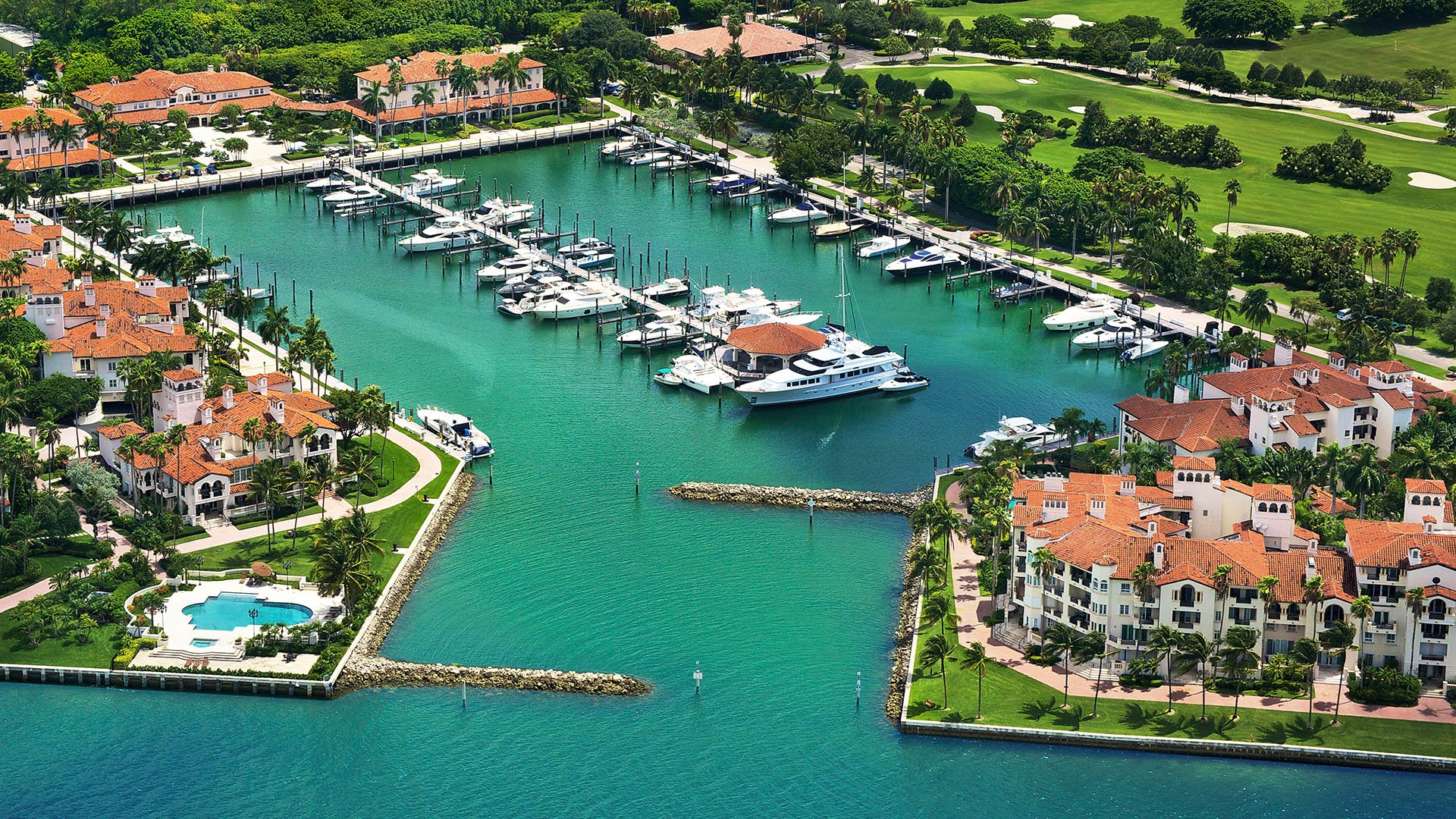
Fisher Island is the natural reference point for buyers who place discretion at the center of the decision. Its appeal is not merely waterfront living, but separation from the ordinary rhythm of the city. For a boating household, that privacy can be as meaningful as the residence itself, especially when the home is part retreat, part family headquarters, and part hospitality platform.
On Fisher Island, the buyer’s marina strategy should be studied alongside access, guest movement, club preferences, service protocol, and the desired degree of independence from the mainland. A residence such as The Residences at Six Fisher Island belongs in the conversation for those considering a contemporary Fisher Island lifestyle, while The Links Estates at Fisher Island may appeal to buyers comparing estate-style living within the island context.
The key is not to assume that the most private address is automatically the most convenient marina solution. The right buyer for Fisher Island is often comfortable with a more curated mode of access, provided it delivers quiet, control, and a clear sense of arrival.
If Fisher Island represents privacy, Fort Lauderdale often enters the discussion through activity. For buyers whose boating life is frequent, social, and operationally intensive, the search may expand north to evaluate residences that place the yacht lifestyle closer to the center of daily life.
This is where the home must be judged as an operating base. A beautiful apartment without a workable boating plan may disappoint a family that expects spontaneous days on the water. Conversely, a residence with a less iconic postcard image may be more useful if it simplifies the owner’s actual routine.
Projects such as St. Regis® Residences Bahia Mar Fort Lauderdale can be considered by buyers who want a branded residential environment in a Fort Lauderdale setting. The decision should still be personal and vessel-led: where the boat will lie, who will manage it, how guests will board, and whether the home supports the tempo of real use.
Not every marina-minded buyer wants the full privacy code of Fisher Island or the activity of Fort Lauderdale. Some prefer a quieter residential rhythm with strong water orientation, a polished building experience, and access to broader South Florida lifestyle patterns.
Pompano Beach may appeal to buyers comparing oceanfront living with a boating-forward mindset. The Ritz-Carlton Residences® Pompano Beach is one example of a luxury residential option that can be evaluated within that broader coastal framework. The question is how the address fits with the owner’s preferred marina, service providers, and cruising habits.
Bay Harbor Islands can also enter the conversation for buyers who want a calmer, more residential setting near Miami’s northern luxury corridor. Onda Bay Harbor may suit those comparing boutique scale, water orientation, and proximity to Miami Beach without committing to a larger island-compound narrative.
A serious marina strategy requires more than a property tour. Buyers should begin with the vessel profile, then work backward. Length, beam, draft, crew needs, boarding style, maintenance expectations, hurricane planning, and insurance considerations can all influence which residential setting is sensible.
Then comes access. A second home should be easy to use on short notice. If the family lands in South Florida for a long weekend, the sequence from airport to residence to boat should feel composed. If guests arrive separately, the property should be able to receive them gracefully. If crew or service providers need access, the building or community should support those movements without compromising privacy.
Finally, buyers should evaluate the emotional tone of each market. Fisher Island feels controlled and rarefied. Fort Lauderdale can feel more directly connected to boating culture. Pompano and Bay Harbor may offer quieter alternatives. Miami Beach brings energy, dining, and cultural magnetism, though the best fit depends on how much of that energy the owner wants at the doorstep.
The best brief is not simply “waterfront luxury.” It is more exacting: a residence for a boating household that wants privacy, ease, guest capacity, service discretion, and a marina plan that will still feel intelligent years from now.
That brief should include preferred boating frequency, desired separation from crowds, tolerance for managed access, guest patterns, pets, cars, staff, storage, and whether the property is primarily a family retreat, a social base, or a long-term legacy asset. The more honest the brief, the easier it becomes to compare seemingly different choices with clarity.
For a Houston buyer, the final decision may come down to identity. If the residence is meant to feel like a private island world, Fisher Island remains a defining benchmark. If the boat is central to daily life, Fort Lauderdale deserves careful study. If the goal is a refined second home with water orientation and flexibility, other coastal enclaves may prove more natural.
Should the boat or the residence be chosen first? Start with the boat and the way it will be used, then evaluate residences that support that routine.
Is Fisher Island best for every marina-focused buyer? No. It is most compelling for buyers who prioritize privacy, discretion, and a controlled island setting.
When does Fort Lauderdale make more sense? It may fit buyers who expect boating to be frequent, active, and closely tied to daily life.
Can a Miami Beach residence work for a serious boating household? Yes, if the marina plan, access routine, and lifestyle expectations align with the address.
What should be checked before committing to a waterfront home? Review vessel needs, access, service logistics, guest flow, storage, and storm planning.
Is a private boat slip always necessary? Not always. Some buyers prefer a separate marina arrangement if it better serves the vessel.
How should a second-home buyer evaluate convenience? Map the full arrival sequence from airport to residence to boat, including guests and luggage.
Do branded residences solve the marina question automatically? No. Branding can elevate service and design, but the boating plan still needs separate review.
What makes a marina strategy feel successful over time? It should reduce friction, preserve privacy, and make frequent use of the boat feel natural.
Who should help structure the search? A specialist who understands luxury residences, boating logistics, and discreet buyer representation.
To compare the best-fit options with clarity, connect with MILLION.
If branded residences are on your mind — as a home or as an allocation — we would be glad to share what we are seeing, privately.
Begin a quiet conversation