A discreet buyer’s guide to the overlooked boating logistics that can affect comfort, timing, operating ease, and long-term value before a waterfront closing.
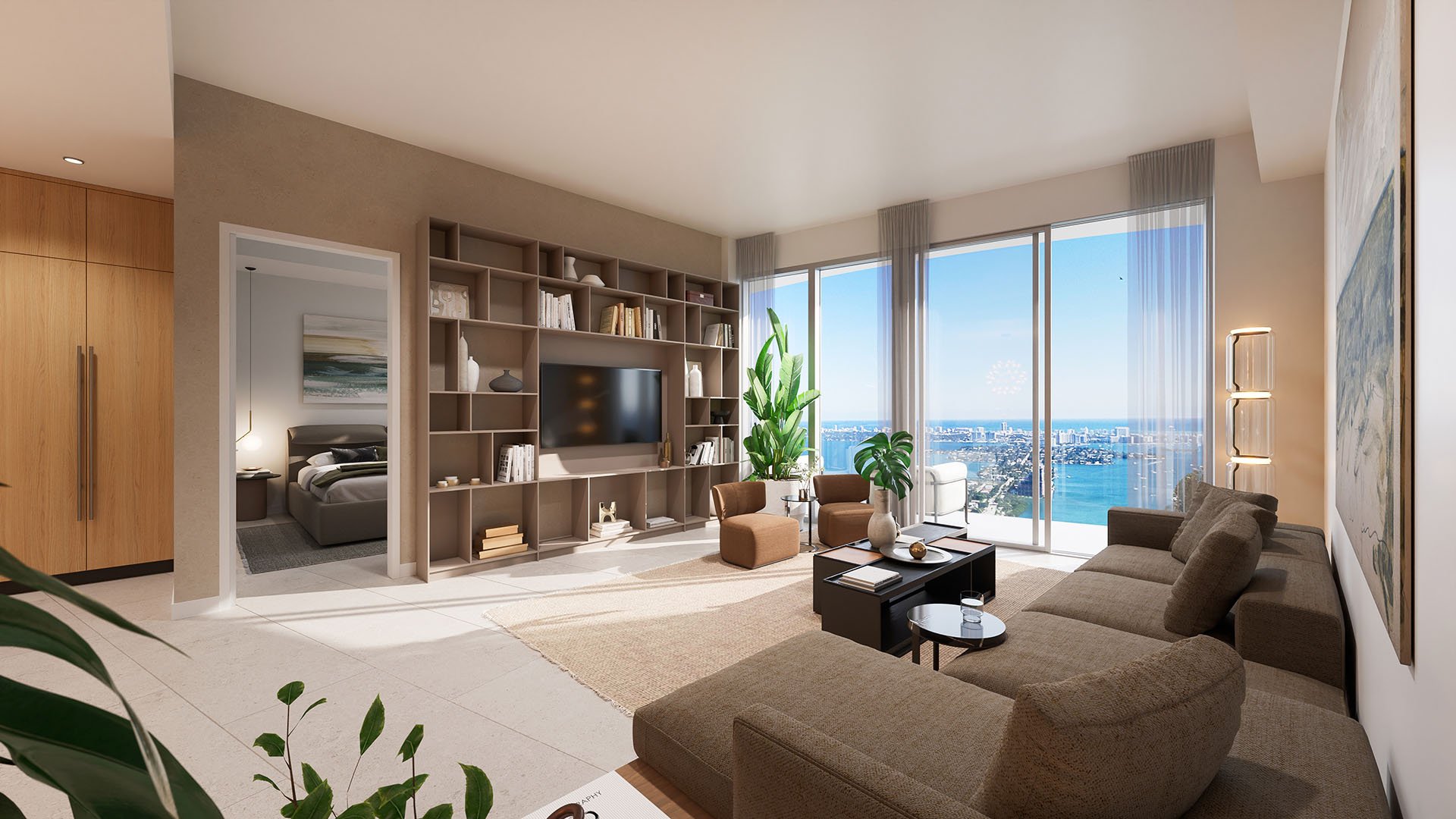
In South Florida luxury real estate, the water view often leads the conversation. It frames the living room, softens the morning light, and gives a residence the feeling of permanent escape. Yet for buyers who intend to use the water, the costliest oversight is rarely the view itself. It is failing to understand how a boating day will actually function once the property is owned.
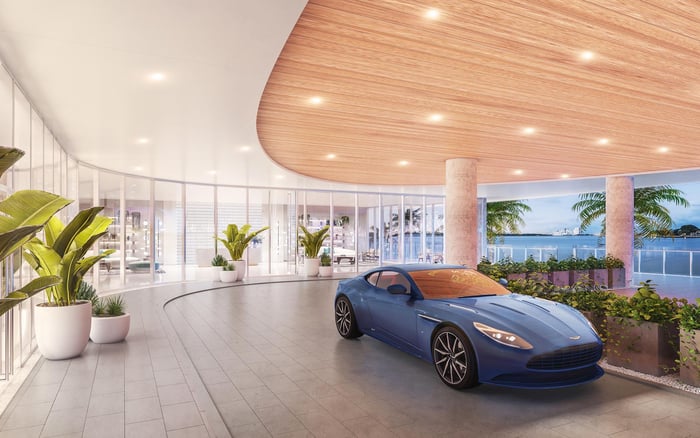
A residence can appear effortless during a showing and still create friction on the first Saturday aboard. Where does the captain arrive? How are guests received? Is the cooler staged in the kitchen, garage, dock area, or service corridor? Can family members move from residence to boat without crossing spaces that feel public? Does the return flow preserve privacy, especially when wet towels, provisions, pets, children, and crew all appear at once?
These questions may seem operational, but at the top of the market they are not minor. They determine whether a waterfront property lives like a private resort or a beautiful address with logistical compromises. The hidden cost is not only financial. It is time, spontaneity, privacy, and the subtle disappointment of owning a home that looks nautical but does not live nautically.
Before closing, many buyers evaluate finishes, views, parking, association rules, and overall neighborhood fit. Boating-day logistics deserve the same attention because they sit at the intersection of lifestyle and asset quality. A buyer purchasing a second home may use the property intensely during holidays and weekends, precisely when smooth arrivals and departures matter most. A full-time resident may care even more, because small inefficiencies become part of weekly life.
The point is not to turn a purchase into a marine survey. It is to test whether the property supports the way the owner intends to live. A boat slip, marina relationship, water-view orientation, Fort Lauderdale preference, Miami Beach rhythm, or second-home use case can each create different expectations. The right residence is not simply the one closest to the water. It is the one whose water access feels natural, discreet, and repeatable.
This is especially important for households that entertain. Boating is rarely solitary in South Florida. It can involve guests arriving by car, crew arriving separately, provisions being delivered, children needing shade, pets needing control, and valuables needing secure storage before departure. A residence that choreographs those moments well can feel immeasurably more refined than one that leaves everything to improvisation.
Friction on a boating day compounds quickly. Ten minutes spent locating equipment becomes a delayed departure. A congested elevator becomes an awkward guest experience. A poorly placed storage area means repeated trips through finished interiors. An uncertain loading point turns what should be a relaxed morning into a sequence of small negotiations.
For an ultra-premium buyer, those moments matter because the property is being acquired for ease. Luxury is not only a marble surface or a branded amenity. It is the absence of unnecessary effort. If using the boat requires too many workarounds, the owner may use it less. If guests feel exposed during boarding or return, entertaining becomes less spontaneous. If staff or crew cannot operate discreetly, the residence loses part of its private-home character.
The financial dimension is just as important. Buyers frequently pay a premium for waterfront positioning, water access, or a boating-oriented address. If the daily experience does not support that premium, the value proposition weakens. A future buyer will likely ask the same practical questions, and the answers can influence enthusiasm long before price is discussed.
A thoughtful buyer should physically trace the boating-day path. Begin at the primary residence entry, then move through the spaces used for provisions, equipment, guests, service support, and dock access. Notice what feels elegant and what feels improvised. The route should make sense without explanation.
Storage is often the first revealing detail. Boating requires items that are not always beautiful: lines, towels, footwear, sunscreen, fishing gear, safety equipment, cleaning supplies, dry bags, and food storage. If the property has no intuitive place for these items, they will migrate into closets, garages, terraces, or service areas not designed for them. Over time, that affects both convenience and presentation.
The second detail is guest flow. A waterfront home should allow guests to be welcomed with polish, not managed like logistics. Consider where people gather before departure, whether there is shade or seating, and how easily they can move to the vessel. On the return, think about wet traffic. The most gracious homes anticipate the transition from water to residence without forcing everyone through formal spaces.
The third detail is privacy. In luxury markets, privacy is not only about walls and gates. It is about avoiding unnecessary visibility during ordinary routines. A buyer should understand who can see the dock area, where neighbors, passersby, residents, or service personnel may be present, and whether leaving by boat feels private enough for the household’s expectations.
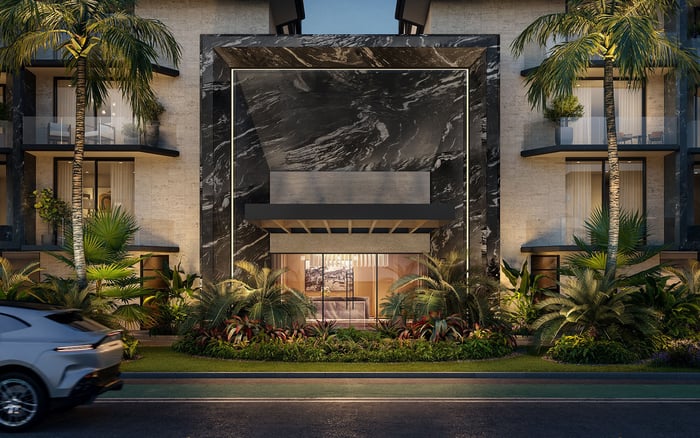
The logistics vary by property type. In a private waterfront estate, control may feel more direct, yet the owner must still examine service access, dock approach, storage, lighting, and maintenance flow. In a condominium, the experience may depend on shared circulation, association rules, guest procedures, valet timing, elevator access, and the relationship between residential amenities and the waterfront edge.
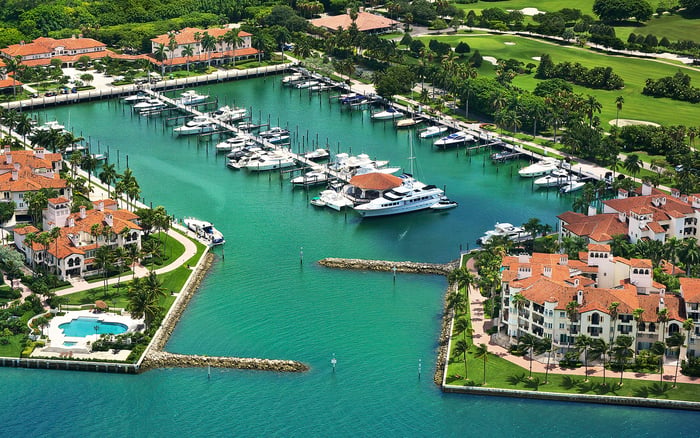
A marina-adjacent lifestyle can be highly convenient when managed well. It can also introduce variables the buyer should understand, including how owners, guests, crew, and deliveries move through the property environment. The question is not whether a marina setting is desirable. It is whether the specific arrangement supports the household’s level of privacy and control.
In dense coastal neighborhoods, the distinction between having a water view and having a true boating lifestyle can be significant. A water-view residence may deliver atmosphere and resale appeal without solving access. A boat slip may appear compelling but still requires careful review of size suitability, access path, usage rules, and day-to-day practicality. The right decision depends on how the buyer expects to use the water, not simply whether the listing language sounds nautical.
A refined advisory process does not make the purchase feel difficult. It makes ownership feel better. Before the due diligence period passes, buyers should ask direct questions about access, storage, association permissions, guest arrival, service arrival, after-hours procedures, maintenance responsibilities, insurance implications, and any limits that could affect the intended use.
The best questions are scenario-based. Instead of asking whether boating is convenient, ask what happens on a Friday afternoon with six guests, provisions, a captain, and two cars. Ask how the day works if the owner arrives before the boat is ready. Ask where items are staged if weather changes. Ask how the return works after dark. Ask who controls access points and what approvals are needed for recurring service providers.
These are not confrontational questions. They are ownership questions. A serious seller or property representative should understand why they matter. If the answers feel vague, the buyer has learned something important. If the answers are clear, the buyer gains confidence that the residence has been lived in, managed, or designed with real waterfront use in mind.
Even if a buyer is purchasing for personal enjoyment, the next buyer matters. Waterfront properties often trade on emotion, but sophisticated buyers quickly move from emotion to function. A beautiful approach to boating-day logistics can become part of the home’s intangible value. It reassures a future purchaser that the property is not merely scenic. It is operationally complete.
Conversely, unresolved friction can become a quiet objection. It may not appear in marketing copy, but it can surface during showings, inspections, association review, or private family discussions. Buyers remember the feeling of awkward circulation. They notice when service routes are unclear. They sense when a property’s water relationship is visual rather than practical.
For that reason, the pre-closing review should be treated as a value-protection exercise. It helps the buyer avoid overpaying for a lifestyle that may require compromise. It also clarifies whether any improvements, staffing routines, or usage expectations should be planned immediately after acquisition.
The simplest principle is also the most revealing: rehearse the day before you own it. Walk the route. Imagine the guests. Place the provisions mentally. Think about the first hour and the last hour, not just the hours on the water. The boat itself may be the centerpiece, but the residence is the stage.
A truly exceptional waterfront home makes the transition from land to water feel inevitable. Doors, paths, storage, shade, staff access, guest reception, and privacy work in quiet coordination. Nothing feels theatrical. Nothing feels forced. That is the mark of residential luxury in a boating market: not spectacle, but fluency.
Ignoring these details before closing can turn a dream purchase into a series of small accommodations. Addressing them early allows the buyer to negotiate, plan, or walk away with discipline. In South Florida, where water is both setting and lifestyle, boating-day logistics are not secondary. They are part of the architecture of ownership.
Why should boating logistics be reviewed before closing? Because the contract period is the moment to identify operational friction before it becomes part of daily ownership.
Is a water view the same as a boating lifestyle? No. A water view creates atmosphere, while boating use depends on access, storage, circulation, privacy, and rules.
What is the first thing a buyer should walk through? Trace the full path from residence to boat, including guests, provisions, service access, and the return route.
Do condominium buyers need a different review? Yes. Shared elevators, valet areas, association procedures, and marina access can shape the practical experience.
Should buyers ask about guest arrival routines? Yes. Entertaining is often central to boating, and the property should support arrivals without confusion or exposure.
Can storage affect the value of a waterfront home? It can affect usability, presentation, and future buyer perception, especially when boating equipment has no elegant place.
Is privacy part of boating logistics? Yes. The best waterfront properties allow owners, guests, and crew to move without unnecessary visibility.
What if the logistics are imperfect but the home is exceptional? The buyer should understand whether the issues can be managed through planning, staffing, improvements, or price discipline.
Should a captain or marine professional join the review? For active boaters, specialized input can help evaluate practical access, staging, and usage assumptions.
What is the main hidden cost of ignoring these details? The main cost is reduced ease: fewer spontaneous boating days, less polished entertaining, and weaker lifestyle alignment.
When you're ready to tour or underwrite the options, connect with MILLION.
If branded residences are on your mind — as a home or as an allocation — we would be glad to share what we are seeing, privately.
Begin a quiet conversation