A practical buyer’s guide to evaluating sun-glare exposure in Wynwood residences, from orientation and glass performance to terraces, neighboring façades, and resale-minded comfort.
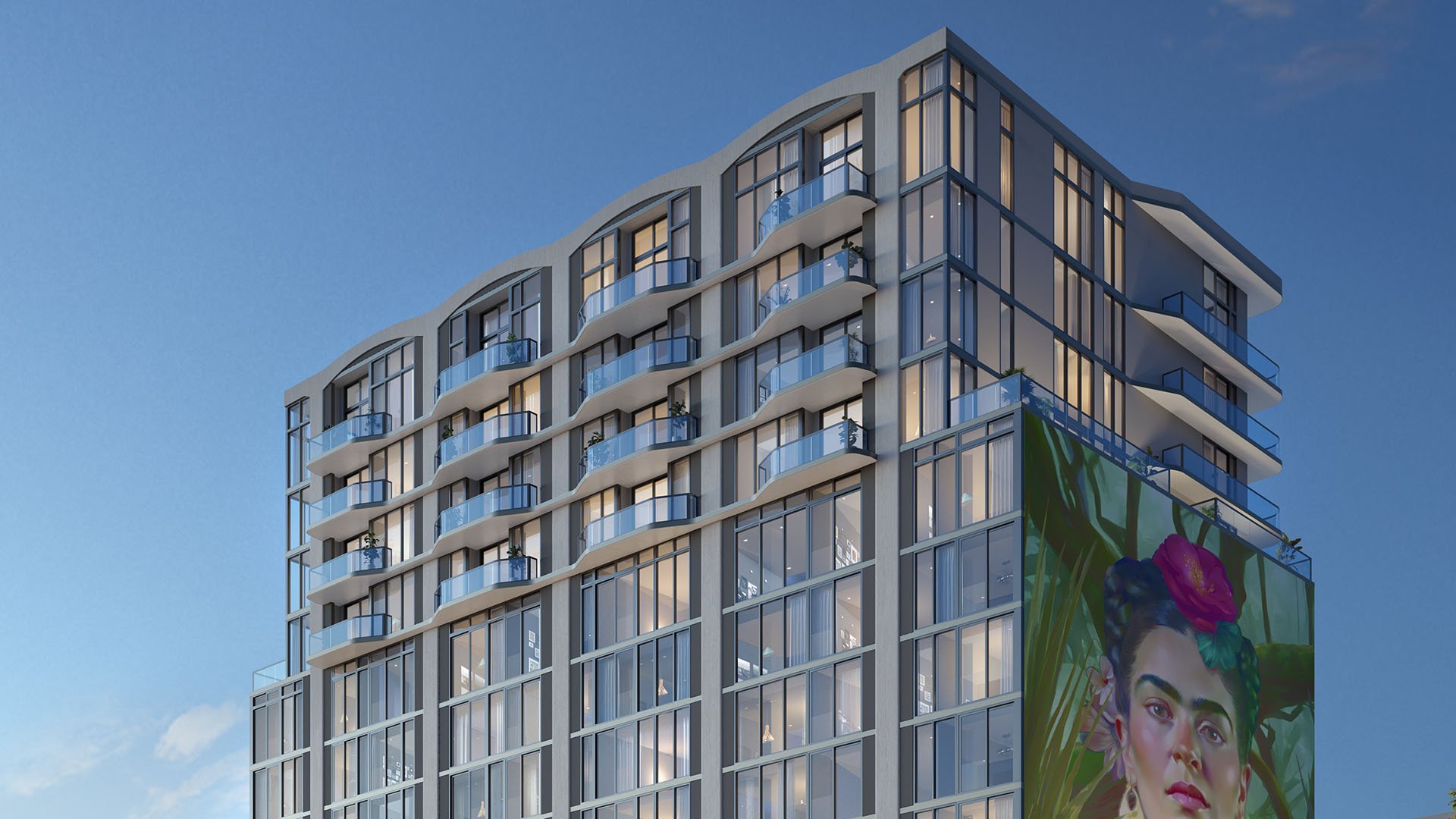
In Wynwood, buyers often fall first for volume, ceiling height, artful interiors, and the promise of an urban lifestyle. Yet the more enduring test of a residence is quieter: how the light behaves after the first showing. Sun-glare exposure can shape reading, dining, working from home, art placement, screen visibility, terrace use, and the calm of an otherwise exceptional room.
The goal is not to avoid sunlight. It is to understand it. A residence can be bright without feeling harsh, dramatic without becoming fatiguing, and open without seeming overexposed. Before buying, compare glare as a lived condition, not a single impression from a polished walkthrough.
Orientation is the first filter. A beautiful room may feel entirely different depending on whether direct light arrives early, late, or across a longer portion of the day. When comparing two Wynwood residences, ask for the same information on each: the direction of the main glass line, the exposure of the primary bedroom, and whether the living area receives direct sun or primarily reflected brightness.
Do not rely on compass labels alone. Stand inside the room and observe where the sun strikes floors, counters, walls, and built-ins. Strong glare is often most noticeable when light lands on pale stone, lacquer, polished metal, glossy cabinetry, or glass-topped furniture. A room can photograph beautifully and still require shades during prime hours.
A single showing is rarely enough. If the residence is a serious contender, see it in the morning and again later in the day. If that is not possible, ask for current, unedited photos or video taken from fixed interior positions at different times. The most useful comparison is not a cinematic tour. It is a consistent view from the sofa wall, the kitchen island, the bed, and the main work surface.
Take your own notes in plain language: comfortable without shades, bright but manageable, direct beam on seating, screen washout near window, terrace too intense during showing. These phrases are more useful than a vague memory that the space felt sunny.
In an urban setting, glare does not always come directly from the sun. It can bounce from neighboring glass, pale façades, metal railings, rooftops, or nearby hardscape. A residence that appears protected from direct sun may still experience sharp reflected light at certain hours.
The distinction matters because the solutions differ. Direct sun may be moderated with shade systems, deeper window treatments, furniture placement, or exterior overhang conditions. Reflected glare calls for a more careful assessment of sightlines, neighboring surfaces, and the angle from which light enters the room. When evaluating Wynwood, look outward as much as inward. The building across the street may be part of your daily light environment.
Glass performance is only one part of the equation. Buyers should ask how the residence is designed to manage light: window specifications, shade pockets, existing treatments, motorization options, and the depth of window returns. A highly glazed room can still feel composed when the interior strategy is thoughtful.
Then consider the finishes. High-sheen floors, reflective counters, mirrored details, pale walls, and glossy millwork can amplify glare. Matte surfaces, layered textiles, warmer palettes, and properly scaled rugs can soften the effect. If you plan to place important art in the residence, study the walls when light is strongest. A coveted wall may not be the right wall for a sensitive piece.
A balcony or terrace should be tested with the same seriousness as an interior living room. In Wynwood, outdoor space can be a compelling part of the lifestyle, but glare may affect how often it is used. Ask whether the terrace is comfortable for morning coffee, late afternoon conversation, or evening entertaining. Note whether surrounding façades intensify brightness and whether any overhead or side protection exists.
Furniture plans should follow the light. A dining table placed in the brightest zone may look correct on a floor plan but prove uncomfortable in practice. Lounging areas often benefit from flexible layouts, umbrellas where permitted, and materials that do not become visually harsh under direct brightness.
High-floor and low-floor residences can create very different glare experiences. Higher residences may offer broader sky exposure and longer views, while lower residences may be more affected by nearby walls, street-level reflections, or shaded intervals. Neither is automatically better. The right answer depends on the glass line, surroundings, and how the buyer lives.
For new-construction opportunities, glare should be discussed before finishes and window treatments are finalized. In a notes column, classify balcony and terrace areas separately, then mark high-floor, low-floor, and new-construction assumptions so each option is judged consistently. This makes the comparison more disciplined and less emotional.
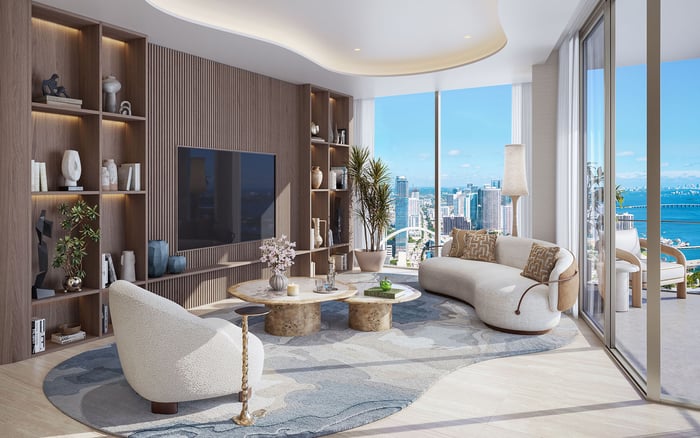
The best evaluation is room specific. In the living room, test seating, television placement, and art walls. In the kitchen, look for glare on counters, appliances, and the island. In the primary bedroom, consider whether morning or late-day light supports your routine. In a home office, test laptop visibility and video-call backdrops. In baths, study mirror placement and brightness around vanities.
Also consider circulation spaces. Corridors, entry galleries, and stair moments can become dramatic with light, but they should not feel visually aggressive. Luxury is not merely brightness. It is control, comfort, and the ability to choose atmosphere throughout the day.
If a residence has otherwise exceptional qualities, glare may be manageable. But the solution should be understood before closing. Window treatments, electrical coordination, specialty fabrics, film where appropriate, furniture changes, and lighting adjustments can all affect the final experience. A buyer should know whether the residence needs a minor refinement or a full light-management plan.
This is especially important for buyers who will use the home seasonally. If you see the property only once, at a flattering hour, the daily pattern may remain hidden. A measured approach protects both enjoyment and resale confidence, because future buyers will notice the same conditions.
Two residences can have similar exposure and feel entirely different to different owners. A collector, a remote executive, a frequent entertainer, and a seasonal owner may each define acceptable glare differently. The most sophisticated purchase is the one that aligns light with daily rituals.
Before deciding, rank each finalist on four simple measures: comfort without shades, flexibility with shades, effect on furnishings and art, and usability of outdoor space. The best Wynwood residence is not necessarily the brightest one. It is the one where light feels intentional.
Why does sun-glare exposure matter when buying in Wynwood? It affects daily comfort, screen visibility, art placement, terrace use, and the way interiors feel at different hours.
Is a brighter residence always better? No. Brightness is desirable when balanced, but uncontrolled glare can reduce comfort and flexibility.
How many times should I visit before deciding? Ideally, visit at more than one time of day so you can compare direct light, reflected glare, and shade performance.
What rooms should I test most carefully? Focus on the living room, kitchen, primary bedroom, home office, baths, and any outdoor space you expect to use daily.
Can window treatments solve most glare concerns? They can help significantly, but the best result depends on glass, orientation, interior finishes, and furniture placement.
What is reflected glare? It is brightness that bounces from nearby surfaces such as glass, pale walls, railings, rooftops, or hardscape.
Should I worry about glare on a terrace? Yes. Outdoor space should be evaluated for comfort at the times you are most likely to use it.
Are higher floors always more exposed? Not always. Higher and lower residences should be judged individually based on sightlines, neighboring buildings, and glass orientation.
What should buyers document during a showing? Take photos from the same positions and note whether shades are needed for seating, screens, dining, and work areas.
What is the best way to shortlist comparable options for touring? Start with location fit, delivery status, and daily lifestyle priorities, then compare stacks and elevations to validate views and privacy.
For a tailored shortlist and next-step guidance, connect with MILLION.
If branded residences are on your mind — as a home or as an allocation — we would be glad to share what we are seeing, privately.
Begin a quiet conversation