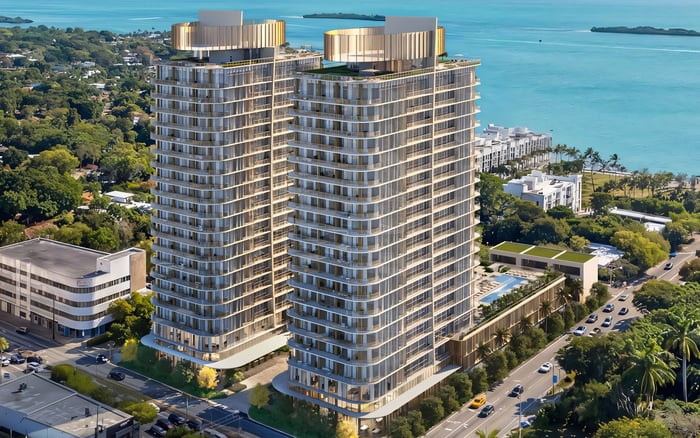
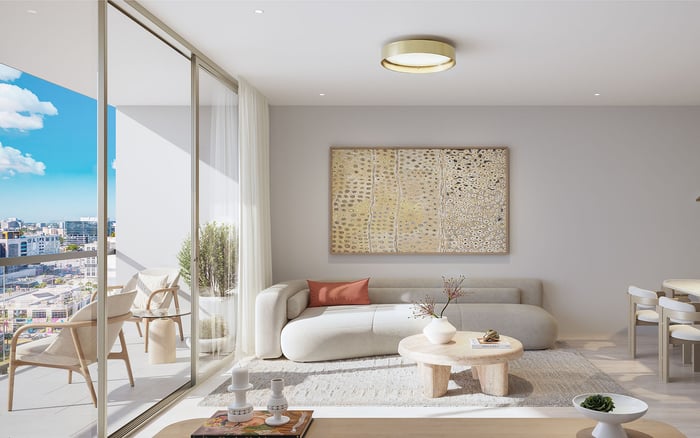
A discreet buyer’s guide to choosing between Miami Design District and Wynwood when privacy, elevator calm, low hallway exposure, and daily lifestyle rhythm matter as much as design.
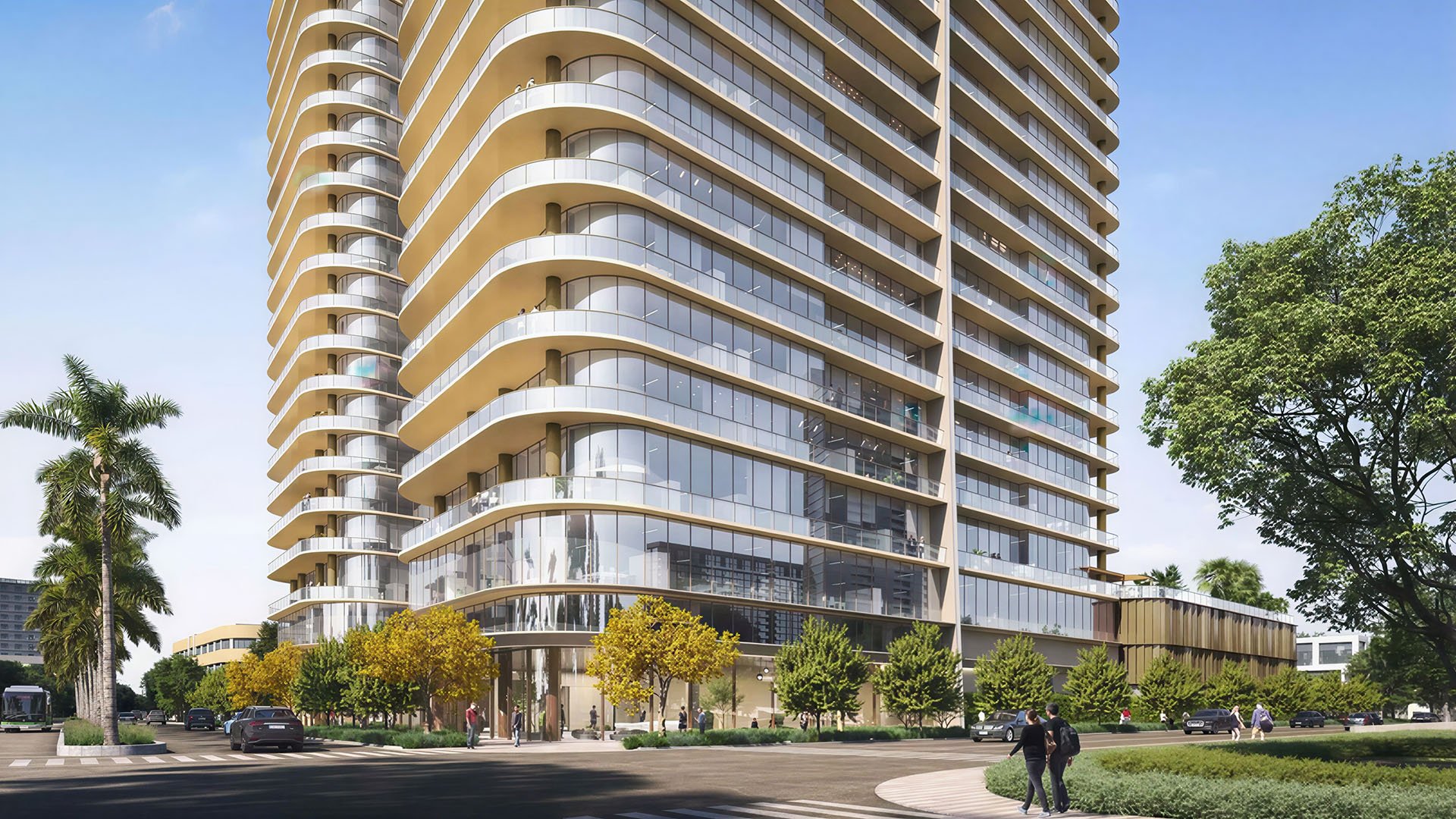
For a certain Miami buyer, the defining luxury is not the living-room view. It is the feeling of arriving home without friction. The elevator is quiet. The corridor is short. The path from parking to residence feels controlled, not theatrical. Neighbors are pleasant, but not unavoidable. Service, guests, deliveries, and amenity traffic feel choreographed rather than improvised.
That is the true lens for comparing Miami Design District and Wynwood. Both neighborhoods attract buyers who value creativity, design, dining, and access to Miami’s cultural core. Yet they can deliver very different residential experiences depending on building scale, lobby design, amenity placement, elevator programming, and how many daily users share the same circulation routes.
Privacy is not a neighborhood feature on its own. It is an architectural condition. A buyer seeking quiet elevators and minimal hallway exposure should treat lifestyle as a sequence: street arrival, valet or garage entry, lobby threshold, elevator bank, floor landing, corridor, and front door. The neighborhood sets the atmosphere; the building determines the lived experience.
The Miami Design District tends to suit buyers who want proximity to restaurants, galleries, boutiques, and design culture without feeling immersed in constant nightlife energy at the doorstep. For residents who entertain selectively, shop privately, and prefer refined daytime activity over late-hour spontaneity, the area can feel more composed.
In this context, projects such as Kempinski Residences Miami Design District speak to buyers who define residential luxury through service, arrival, and discretion. The key question is not only what the residence offers, but how the building separates residents from visitors, staff, amenity users, and deliveries.
Privacy-minded buyers should study elevator banks closely. Are there separate service elevators? How many residences share a landing? Does the garage connect directly to the residential core? Is the amenity level positioned in a way that adds traffic to everyday arrival? A calm building in the Design District should feel more like a private club than a public lobby.
For those who use Miami seasonally, the area also has an understated advantage: it can provide cultural access without requiring a nightlife-driven identity. That matters for buyers who want dinner, art, and design close by, yet still expect home to remain insulated from the social current outside.
Wynwood attracts buyers who want a more visibly creative environment. Its appeal is direct: art-forward streets, food, design, music, and a constant sense of neighborhood motion. For some buyers, that energy is the point. For others, especially those who prize quiet elevators and minimal hallway exposure, the same energy calls for a more careful building-by-building assessment.
A residence like Frida Kahlo Wynwood Residences may appeal to those who want the neighborhood’s cultural signature close at hand. The buyer’s task is to determine whether the residential experience feels protected from the surrounding activity. In Wynwood, privacy often depends less on the name of the neighborhood and more on the discipline of the building plan.
Ask how amenity guests move. Ask whether short-stay usage, retail components, or event-like programming may affect elevator demand. Ask where ride-share pickup occurs. Ask whether the main residential lobby is intimate or socially exposed. For buyers who dislike repeated hallway encounters, corridor length and unit count per floor become as important as finishes.
Wynwood can absolutely work for a discreet buyer, but it rewards precision. The best fit is usually a building where the residence feels like a retreat above or behind the activity, not part of the activity itself.
Quiet elevators are not only about mechanical performance. They are about how many people need them, when they need them, and why. A building with multiple destinations sharing the same vertical core can feel busy even if the elevators are technically elegant. A smaller residential stack with fewer doors per landing can feel serene, even in a lively neighborhood.
Buyers should study elevator logic as carefully as they study floor plans. A private or semi-private elevator can reduce hallway exposure dramatically. So can a compact landing with limited residences. Service access matters as well. If housekeeping, packages, maintenance, residents, and guests all converge in the same narrow sequence, the building may feel less private than its price suggests.
This is where boutique buildings can outperform larger ones for certain lifestyles. Boutique does not automatically mean better, but it often invites a more intimate rhythm. Conversely, high floors may offer distance from street activity, yet still feel exposed if many residences share the same elevator landing. The nuance is essential.
Minimal hallway exposure begins with the door count. How many residences share the floor? How close is your door to the elevator? Does the corridor create direct sight lines into your entry? Is there a vestibule, foyer, or turn that protects the interior from view when the door opens?
For buyers comparing the Design District and nearby Midtown options, Miami Design Residences Midtown Miami can be considered through this same privacy lens. The surrounding location may be attractive, but the decisive test is the lived path from arrival to residence.
A strong privacy plan creates a pause before the home reveals itself. The foyer should buffer the residence from the corridor. The entry should not open directly into the main entertaining room unless the buyer enjoys that level of immediacy. If a terrace is part of the plan, consider whether its access invites gatherings that increase elevator use on certain evenings.
Buyers should also walk the building at different times if possible. Morning departures, dinner-hour arrivals, weekend guest flow, and delivery periods can reveal more than a polished tour. Luxury is often most visible when the building is under ordinary pressure.
The Design District is generally the cleaner match for buyers who want a curated, design-led environment with a more restrained residential mood. It suits collectors, executives, frequent travelers, second-home owners, and clients who value proximity without constant exposure. If your preference is to move through Miami quietly and return to a composed residence, the Design District side of the comparison may feel more natural.
Wynwood is stronger for buyers who want creative charge immediately outside the door. It suits residents who entertain more casually, appreciate visible culture, and do not mind a more dynamic neighborhood rhythm. The private buyer can still find the right fit, but should be more exacting about access, lobby scale, and elevator separation.
For some, a slightly broader Miami search may produce the best compromise. Miami Tropic Residences may enter the conversation for buyers who want central Miami energy while still evaluating whether the building’s circulation provides the calm they require.
From an investment perspective, privacy features can also influence long-term desirability. Buyers who care about discretion often remain disciplined through market cycles. New-construction residences that solve arrival, elevators, and hallway exposure well may feel more durable than those relying only on surface-level design.
Choose Miami Design District if your version of luxury is controlled access, polished surroundings, and a residential mood that feels curated rather than improvisational. Choose Wynwood if you want creative immediacy and are willing to investigate the building’s privacy architecture with exceptional care.
In either neighborhood, do not buy the address before you test the sequence. Stand in the lobby and observe. Count the doors on the landing. Understand who uses each elevator. Visualize a dinner party, a quiet weekday, a package delivery, and a late-flight arrival. The right home should protect your privacy in all four scenarios.
For buyers who need quiet elevators and minimal hallway exposure, the best residence is rarely the loudest proposition. It is the one that makes movement feel effortless, calm, and nearly invisible.
Is the Design District better than Wynwood for privacy-focused buyers? It is often the more natural fit for buyers seeking a polished and composed daily rhythm, but the individual building plan remains decisive.
Can Wynwood work for someone who wants quiet elevators? Yes, if the building separates residential circulation carefully and limits unnecessary elevator traffic from guests, amenities, and services.
What is minimal hallway exposure? It means fewer shared corridors, fewer doors per landing, protected entry sight lines, and a calmer transition from elevator to residence.
Should I prioritize a private elevator? A private or semi-private elevator can materially improve discretion, but service access and amenity circulation should still be reviewed.
Are boutique buildings always more private? Not always, but boutique scale can support a quieter rhythm when the elevator and landing design are thoughtfully planned.
Do high floors guarantee more privacy? High floors may reduce street-level exposure, but they do not solve crowded elevator banks or long shared corridors by themselves.
How important is the foyer? Very important. A proper foyer shields the interior from corridor views and creates a graceful pause before the home opens.
Should buyers visit at different times of day? Yes. Elevator demand and lobby atmosphere can change meaningfully between mornings, evenings, weekends, and delivery periods.
Which neighborhood is better for a second home? The Design District may suit buyers wanting refined access with less constant stimulation, while Wynwood suits those who want creative energy nearby.
What should I ask before making an offer? Ask about elevator sharing, service routes, amenity access, guest flow, corridor count, parking arrival, and how deliveries are handled.
For a confidential assessment and a building-by-building shortlist, connect with MILLION.
If branded residences are on your mind — as a home or as an allocation — we would be glad to share what we are seeing, privately.
Begin a quiet conversation