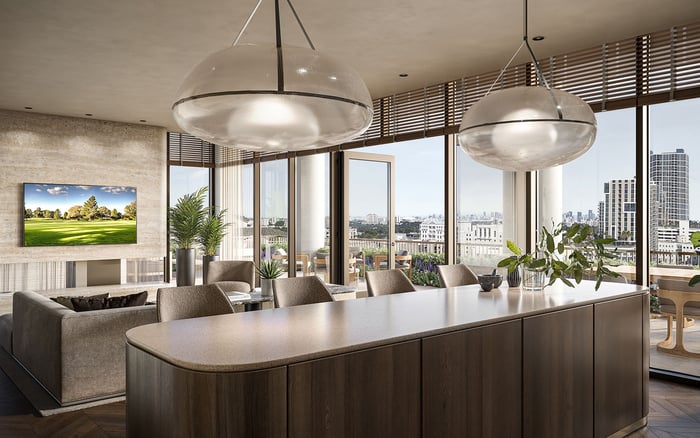
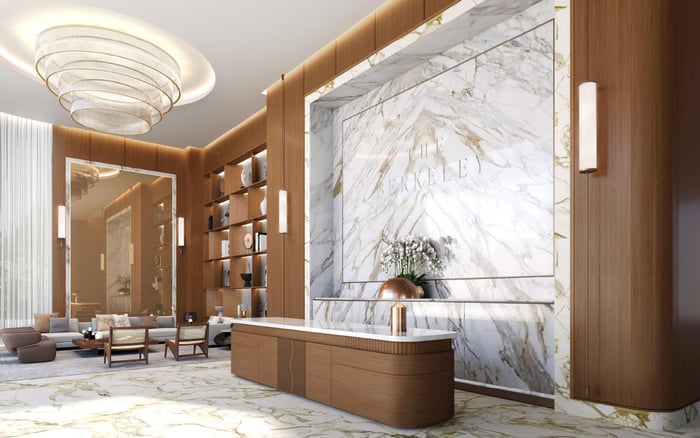
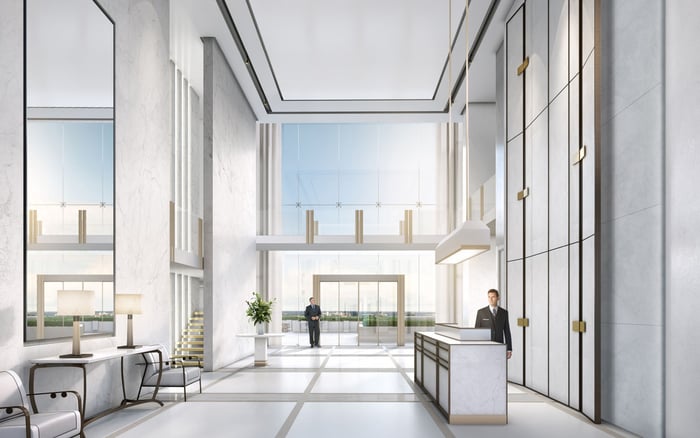
In South Florida, the sharpest luxury-residential decisions are often not about price alone, but about what kind of status a residence is built to deliver. Some homes offer discretion, calm design, and enduring privacy. Others trade on visibility, iconic branding, and the social currency of being recognized. This guide outlines how sophisticated buyers can compare the two with more rigor, from design language and amenity mix to carrying costs, resale logic, and buyer fit.
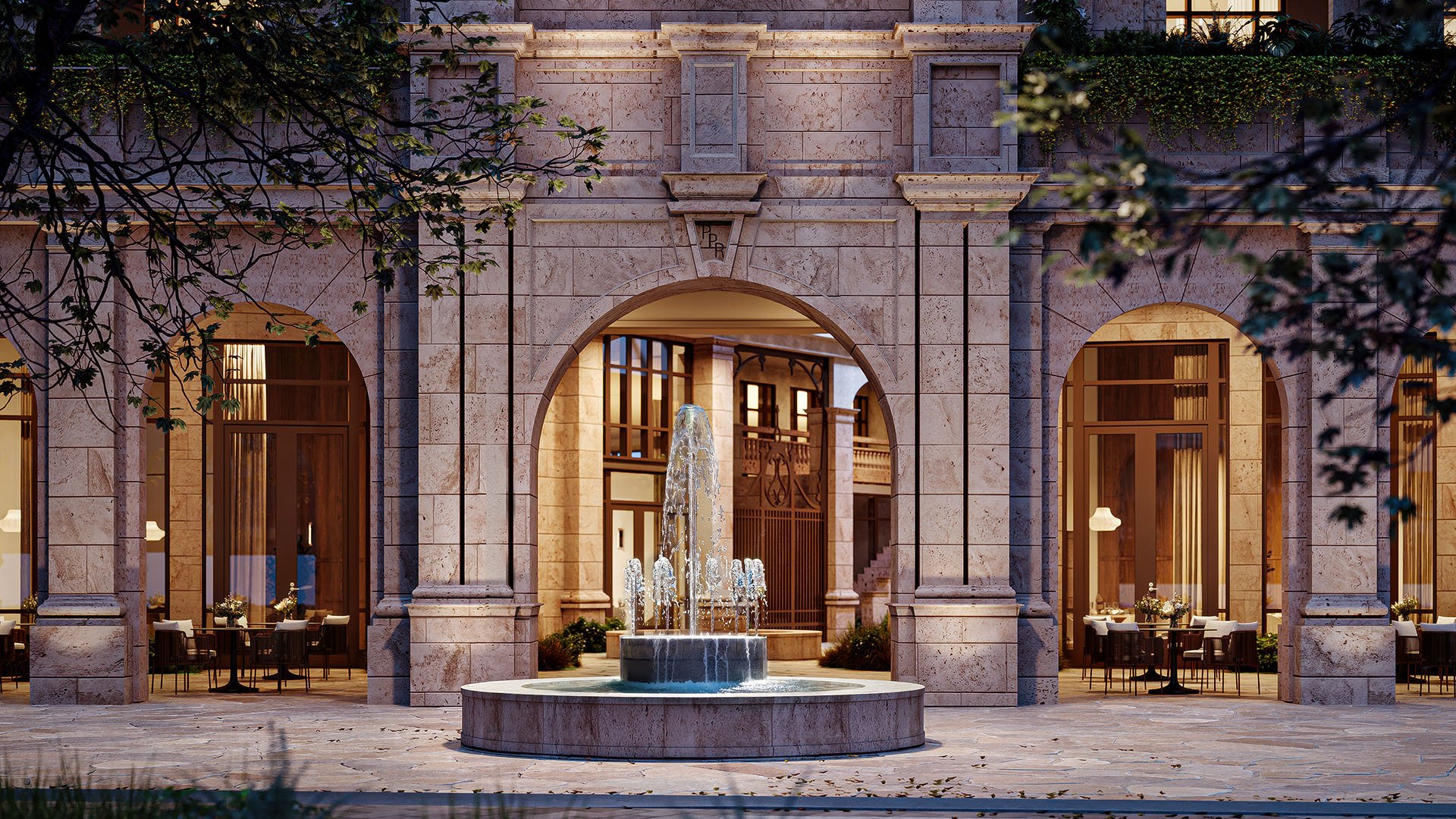
The smartest way to compare quiet luxury with public relevance is to begin with a simple question: is the home designed primarily for private enjoyment or for visibility? In South Florida, both can be compelling, but they are not interchangeable.
Quiet luxury usually signals value through restraint. The residence may feel deeply considered rather than immediately theatrical. Materials, proportion, detailing, privacy, and neighborhood character do more of the work than logos or spectacle. This is often the language of Coral Gables, Key Biscayne, and Palm Beach, where the address itself can carry prestige without demanding performance.
Public relevance is different. Here, value is often amplified by recognition. A buyer may be paying for skyline presence, architectural drama, a branded identity, or a building that photographs well and circulates culturally. In Brickell and Miami Beach, this logic is especially visible. A residence can become part home, part social signal, and part public-facing asset.
For many buyers, the real comparison is not subtle versus flashy. It is inward value versus outward value.
Quiet luxury rarely needs to announce itself. It tends to emphasize calm entry sequences, exceptional finishes, generous proportions, and a sense that the building was designed to age well. Spaces may feel quieter, warmer, and less intent on impressing in the first five minutes. That is often the point.
In a market where visual identity matters, public-relevance residences lean into the opposite strategy. They are more likely to foreground dramatic architecture, memorable lobbies, rooftop statements, highly stylized amenity decks, and hospitality-inflected social spaces. The building itself becomes part of the owner's presentation to the world.
A buyer comparing these approaches can study how different projects express those values. Ponce Park Coral Gables fits naturally into a quieter residential context, where discretion and architectural composure matter. By contrast, 888 Brickell by Dolce & Gabbana represents a high-visibility proposition that turns a residence into a public statement.
Neither is inherently superior. The more useful question is whether you want the home to whisper quality or broadcast identity.
In South Florida, luxury is inseparable from setting. Quiet luxury tends to perform best in established enclaves where stability, privacy, and low theatricality are part of the appeal. Coral Gables, Key Biscayne, and Palm Beach offer a more discreet residential cadence, often favored by buyers who care more about daily use than cultural visibility.
That is why residences tied to composed, lower-profile environments often appeal to buyers seeking durability. In Coconut Grove, Vita at Grove Isle reflects a more private, slower-burn form of luxury, rooted in setting and seclusion rather than constant exposure.
Public relevance, meanwhile, clusters where the city is already performing. Brickell and Miami Beach are natural stages for branded towers, globally legible architecture, nightlife adjacency, and a stronger relationship to photography and social circulation. In this environment, The Perigon Miami Beach is judged not only by plan efficiency or finish quality, but also by presence.
This matters for buyers because neighborhood context can either reinforce or dilute the product story. A discreet residence in a visibly performative district may be harder for the market to read. A highly branded tower in a setting prized for understatement may feel slightly at odds with its surroundings.
Amenities reveal buyer intent faster than brochures do. Quiet luxury tends to favor spaces that improve private life: intimate wellness areas, libraries, hidden technology, serene gardens, and service that is polished but not showy. The objective is comfort without spectacle.
Public-relevance residences more often adopt club logic. Their amenity programs may be built around arrival, visibility, and sociability: statement rooftops, dramatic pools, hospitality-style service, branded experiences, and common areas designed to be seen as much as used. This can be appealing for buyers who treat the residence as an extension of personal identity.
The distinction also affects carrying costs. Buildings with extensive staffing, branded service layers, and highly choreographed common spaces often come with heavier monthly obligations. That does not make them poor value, but it does change the ownership equation. A buyer should compare not only purchase price but also the long-term cost of maintaining a particular lifestyle platform.
The resale logic of quiet luxury is usually rooted in scarcity, neighborhood quality, and broad usability. These residences often suit long holds because their appeal depends less on a particular moment of fashion. They can serve as primary homes, family residences, or low-friction second homes. Their marketability is often quieter too, with private broker networks and lower public exposure playing a larger role.
Public relevance behaves differently. When a building, architect, or brand captures attention, premiums can sharpen quickly. Visibility itself can support pricing because attention becomes part of the asset. But that premium can also be more exposed to changes in taste, sentiment, and competitive new launches.
This does not make public relevance speculative by definition. It means buyers should underwrite a more image-sensitive resale path. In Downtown Miami, Waldorf Astoria Residences Downtown Miami represents the kind of residence whose symbolic power may be central to how the market values it over time.
If your holding strategy is preservation-oriented, quiet luxury often offers more insulation from trend cycles. If your strategy includes social visibility, market recognition, or capturing attention while a project is culturally ascendant, public relevance may be the more rational choice.
The most sophisticated buyers rarely ask which category is better in the abstract. They ask which category is more aligned with identity, routine, and intent.
A privacy-first buyer may place greater value on lower exposure, understated arrival, and the ability to enjoy exceptional quality without participating in a public conversation about ownership. That buyer may be especially drawn to Coral Gables, Palm Beach, or other established enclaves where luxury is embedded rather than staged.
An image-conscious buyer may value the opposite. Visibility can be useful. A globally recognized address, a branded tower, or a highly legible skyline position may support networking, personal branding, or simply a preferred way of living in the city. For this buyer, a residence in Brickell or Miami Beach can function as both home and declaration.
The deeper point is that taste is not the only variable. Psychology matters. So does time horizon. So does whether the residence is meant for family life, occasional use, public entertaining, or market signaling.
South Florida is one of the rare markets where both forms of luxury can thrive at the highest level. Demand exists for privacy, space, and discretion. Demand also exists for branded, experience-driven residences that project relevance. The market is not asking buyers to choose between quality and status. It is asking them to decide which form of status they value.
Quiet luxury offers confidence without explanation. Public relevance offers recognition without ambiguity. The right choice depends on whether you want your residence to protect your world or project it.
What is quiet luxury in residential real estate? It refers to residences that emphasize privacy, craftsmanship, restraint, and exclusivity rather than overt branding or spectacle.
What does public relevance mean in luxury housing? It describes residences whose appeal is tied to visibility, cultural recognition, statement architecture, and a strong public identity.
Is one strategy better for long-term ownership? Quiet luxury often suits long holds because its appeal is typically less dependent on trend cycles.
Do public-facing residences usually cost more to carry? They often can, especially when branding, extensive staffing, and hospitality-style amenities drive higher monthly obligations.
Which South Florida areas lean quieter? Coral Gables, Key Biscayne, and Palm Beach are commonly associated with a more discreet and stable luxury profile.
Which areas lean more public and visible? Brickell and Miami Beach tend to support higher-profile residential products with stronger skyline and social visibility.
How should I compare amenities between the two? Ask whether the amenity program is built for private daily life or for social performance and hospitality-style presentation.
Does branding always improve resale? Not always. Branding can support premiums, but those premiums may be more exposed to shifts in taste and market sentiment.
Who typically prefers quiet luxury? Privacy-focused buyers and long-hold owners often prefer discretion, lower exposure, and enduring residential character.
Who is better suited to public relevance? Buyers who value visibility, statement design, and a recognizable address may be better matched to that approach.
For a tailored shortlist and next-step guidance, connect with MILLION.
If branded residences are on your mind — as a home or as an allocation — we would be glad to share what we are seeing, privately.
Begin a quiet conversation